Destinations › Tokyo › Harajuku & Omotesando
Meiji Jingu: A Forest Shrine in the Middle of Tokyo
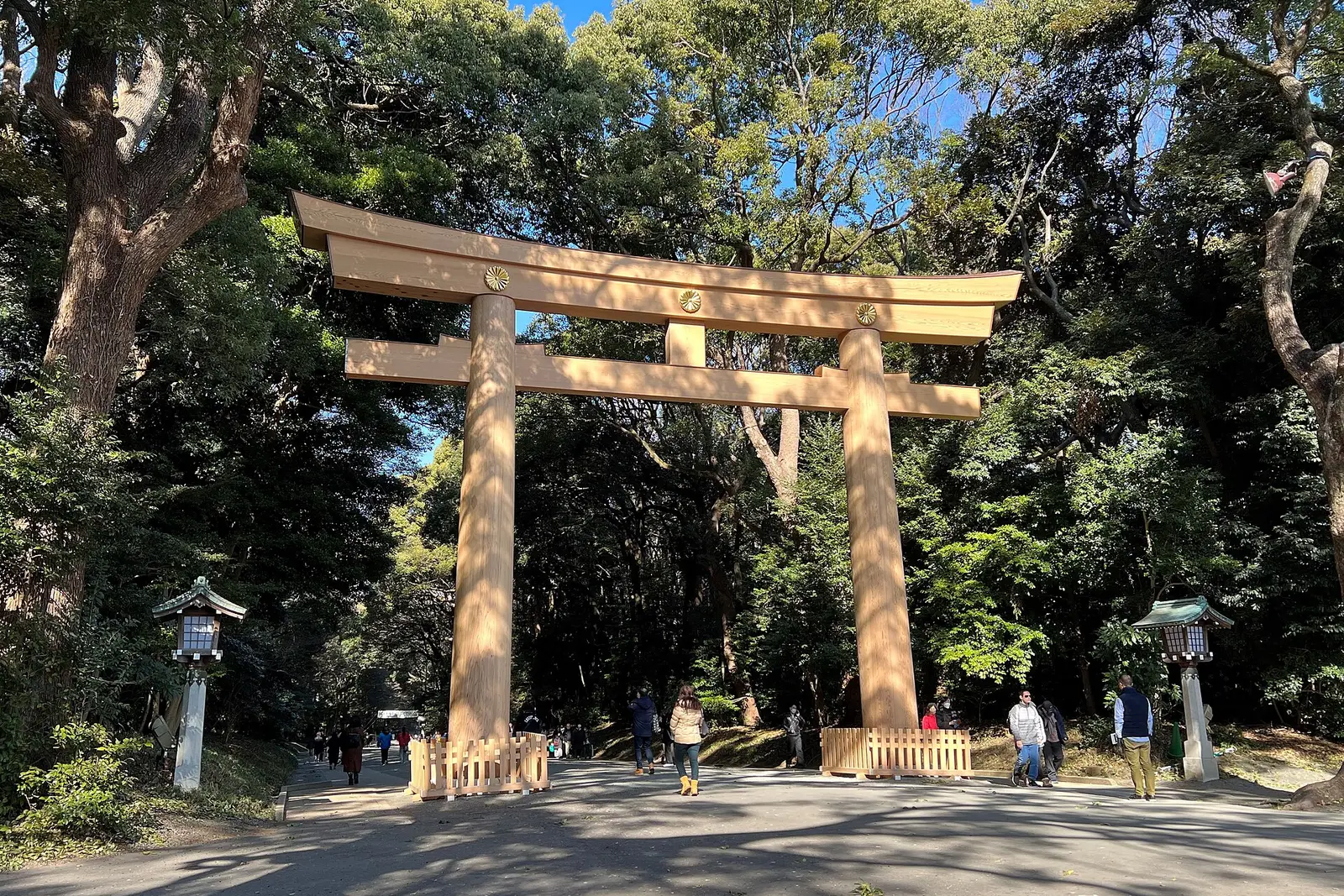
Step through a giant wooden gate beside Harajuku Station and the noise of the city fades. Ahead is a wide gravel path under tall trees, and a shrine at the end of it. Most people do not guess that the forest around you was planted by hand.
A shrine for an emperor
Meiji Jingu was founded in 1920. It honors Emperor Meiji, who lived from 1852 to 1912, and his wife, Empress Shoken, who lived from 1849 to 1914. The Meiji period is when Japan opened to the world and began to modernize, so the shrine is a kind of memorial to that change.
Shinto shrines are places to pray to the kami, the gods and spirits of Shinto. Here, the main prayer hall sits at the heart of a very large garden of trees. You do not need to know anything about Shinto to enjoy the walk.
The forest that people planted
The woods around the shrine cover about 70 hectares. They look completely natural, but they are not. Volunteers planted the forest around the time the shrine was built. The planners chose trees by thinking about how the woods would look 100 to 200 years later. The project was led by Dr. Honda Seiroku.
The trees, in 234 varieties, were donated from all over Japan. Today it feels like an old forest, and the city seems far away.
Walking in
The main entrance is near Harajuku Station, on the south side. You pass under a very large wooden torii gate. A torii marks the line between the everyday world and the sacred ground, so some visitors bow slightly as they walk through.
Then comes a long, wide path. Along the South Approach you will see rows of sake barrels, displayed in neat stacks. Near the shrine buildings there is a water basin where visitors wash their hands before they approach. Weddings are held here too, and if you are lucky you may see a bride and groom walking in a slow procession.
Give yourself time. It takes at least ten minutes to walk from the entrance to the main buildings, so the visit is as much about the path as about the shrine.
Hours and fees
The shrine is open every day of the year and is free. The hours follow the sun. In June, it opens at 5:00 am and closes at 6:30 pm. In November, it opens at 6:10 am and closes at 4:10 pm. In December, it closes at 4:00 pm. Some of the smaller facilities have shorter hours, mostly 9:00 am to 4:00 pm. Check the official site for the month you are visiting.
The Inner Garden and the museum
Inside the grounds are two paid places. The Inner Garden asks for a contribution of 500 yen for its upkeep. It was once imperial property, and it is known for its irises, which bloom in June.
The Meiji Jingu Museum opened in 2019 and was designed by the architect Kuma Kengo, who also designed the New National Stadium in Tokyo. It shows items connected to the emperor and empress over two floors. Entry is 1,000 yen for adults and 900 yen for high school students and younger. It is closed on Thursdays, and the last entry is at 4:00 pm.
Tips for visiting
Wear comfortable shoes. You will walk for a while.
Come early if you can. The first hours of the day are calm, and the light through the trees is lovely. On weekends and holidays, expect more people, especially near the main hall.
The shrine is a place of worship, not a park, so keep your voice low.
Nearby
Yoyogi Park is right next door, and you can walk there from the shrine. For a very different mood, Takeshita Street is a few minutes from the south entrance. Omotesando, the tree-lined avenue that serves as the main approach to the shrine, is close too. The Nezu Museum is a short subway ride away.
More on Harajuku & Omotesando
 HARAJUKU & OMOTESANDO3 min read
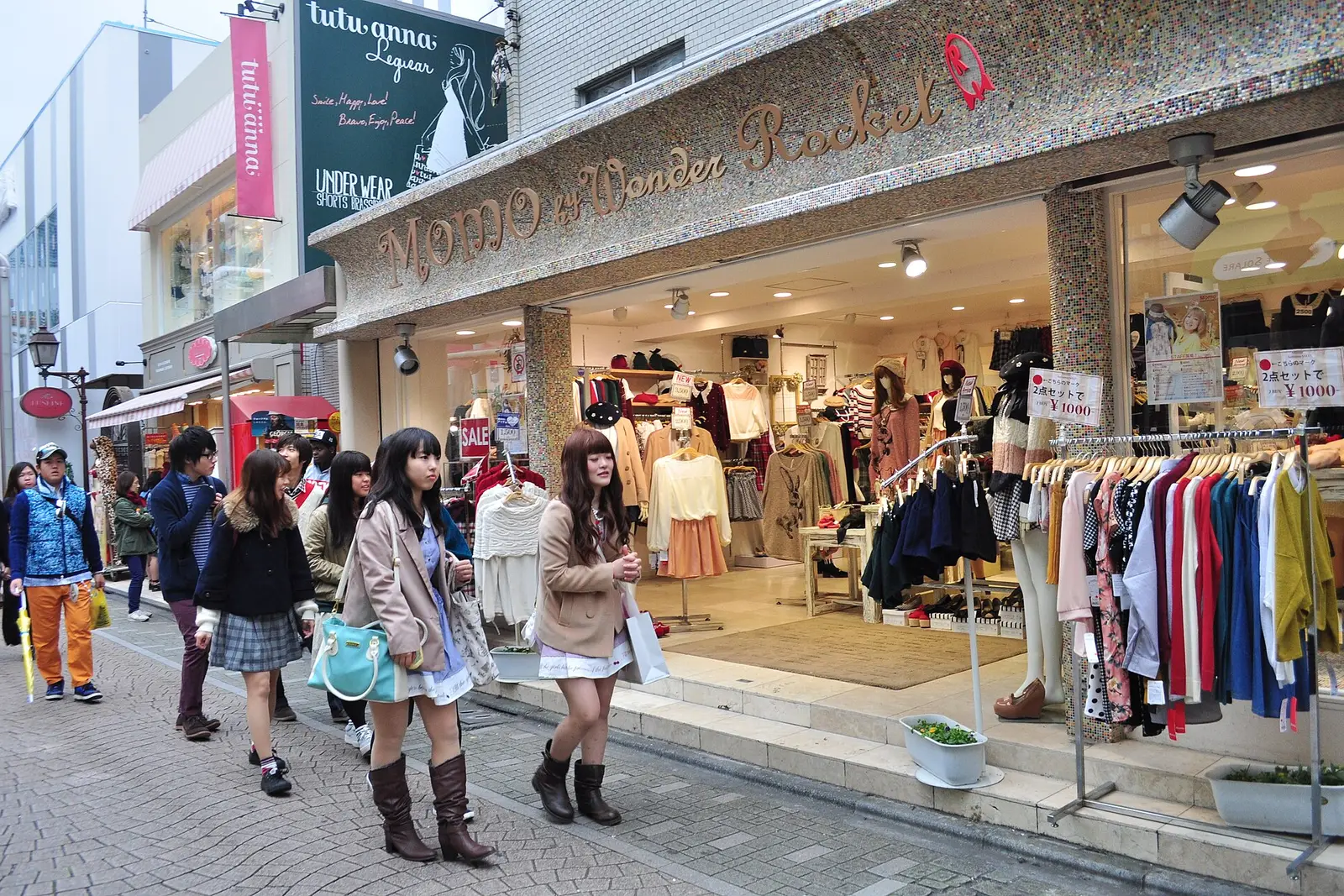
Takeshita Street: Harajuku's Crowded Snack and Fashion Lane
A short lane of crepes, cheap fashion and cute souvenirs, right outside Harajuku Station.
 HARAJUKU & OMOTESANDO3 min read
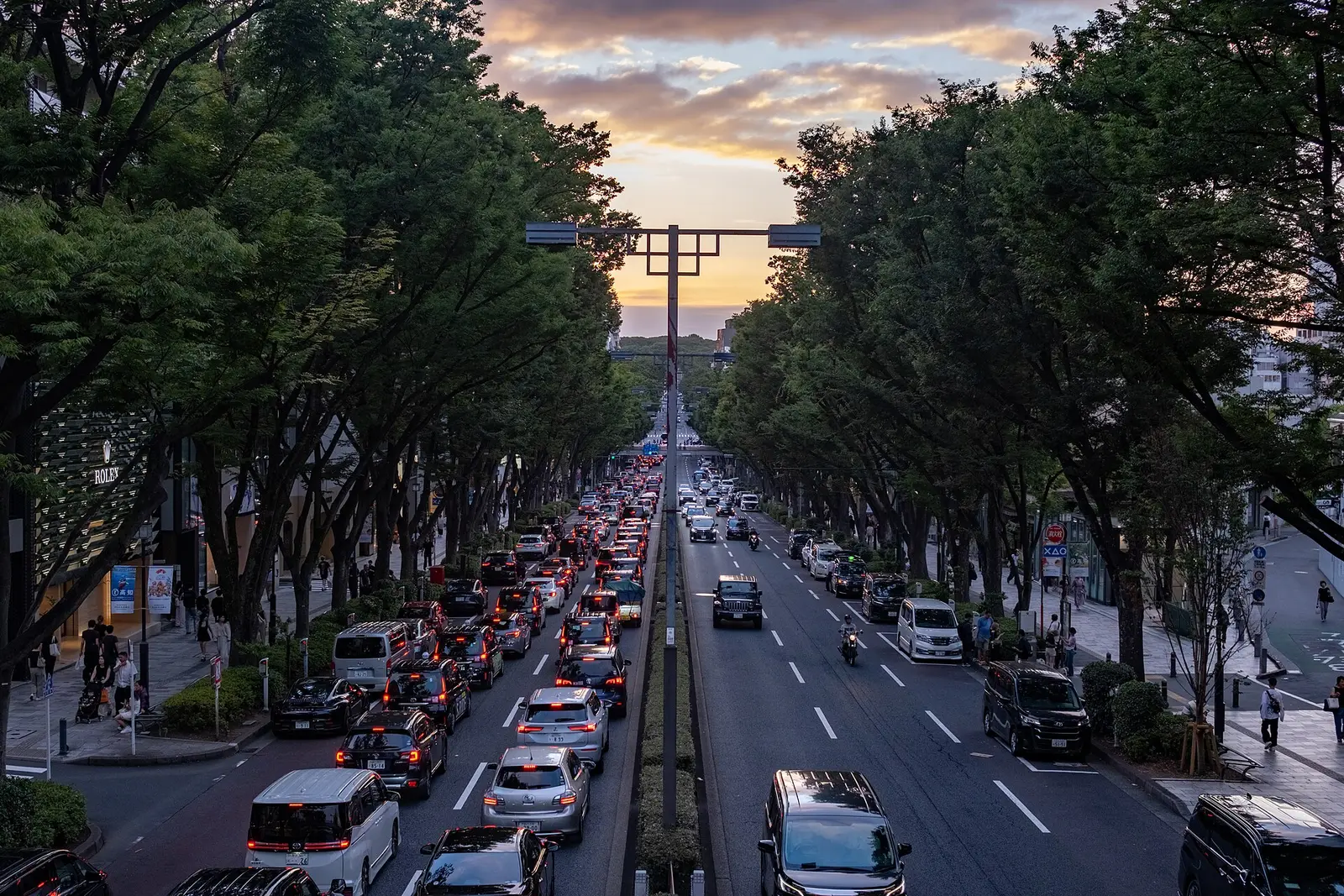
Omotesando: Tokyo's Tree-Lined Shopping Avenue
A calm, tree-lined avenue of fashion brands, cafes and modern buildings that leads toward Meiji Jingu.
 HARAJUKU & OMOTESANDO3 min read
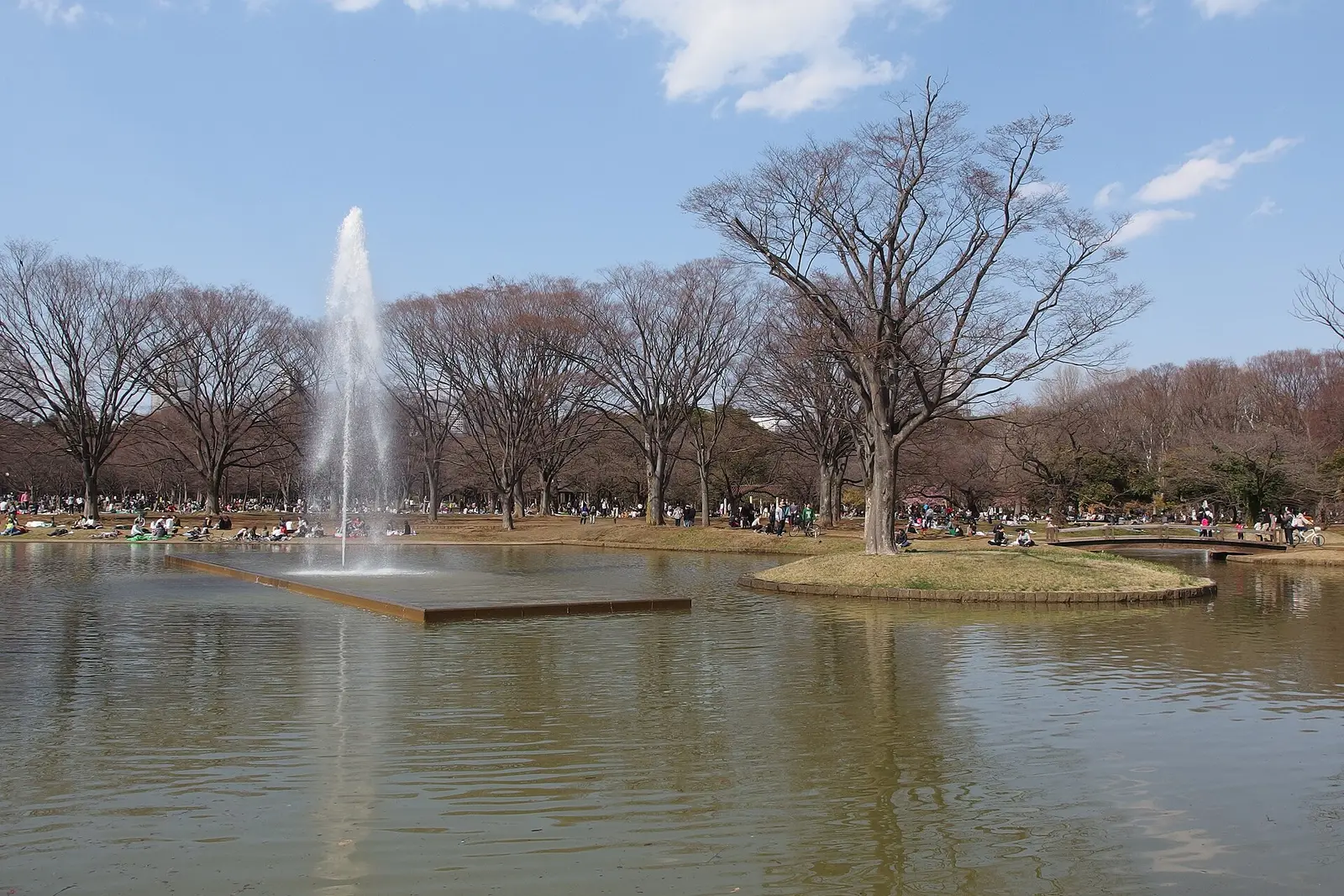
Yoyogi Park: Wide Open Space Beside Harajuku
A big, free park a few minutes from Harajuku Station, with lawns, fountains, a cycling center and Olympic history.