Destinations › Tokyo › Shibuya
Center Gai: Shibuya's Busiest Shopping Street
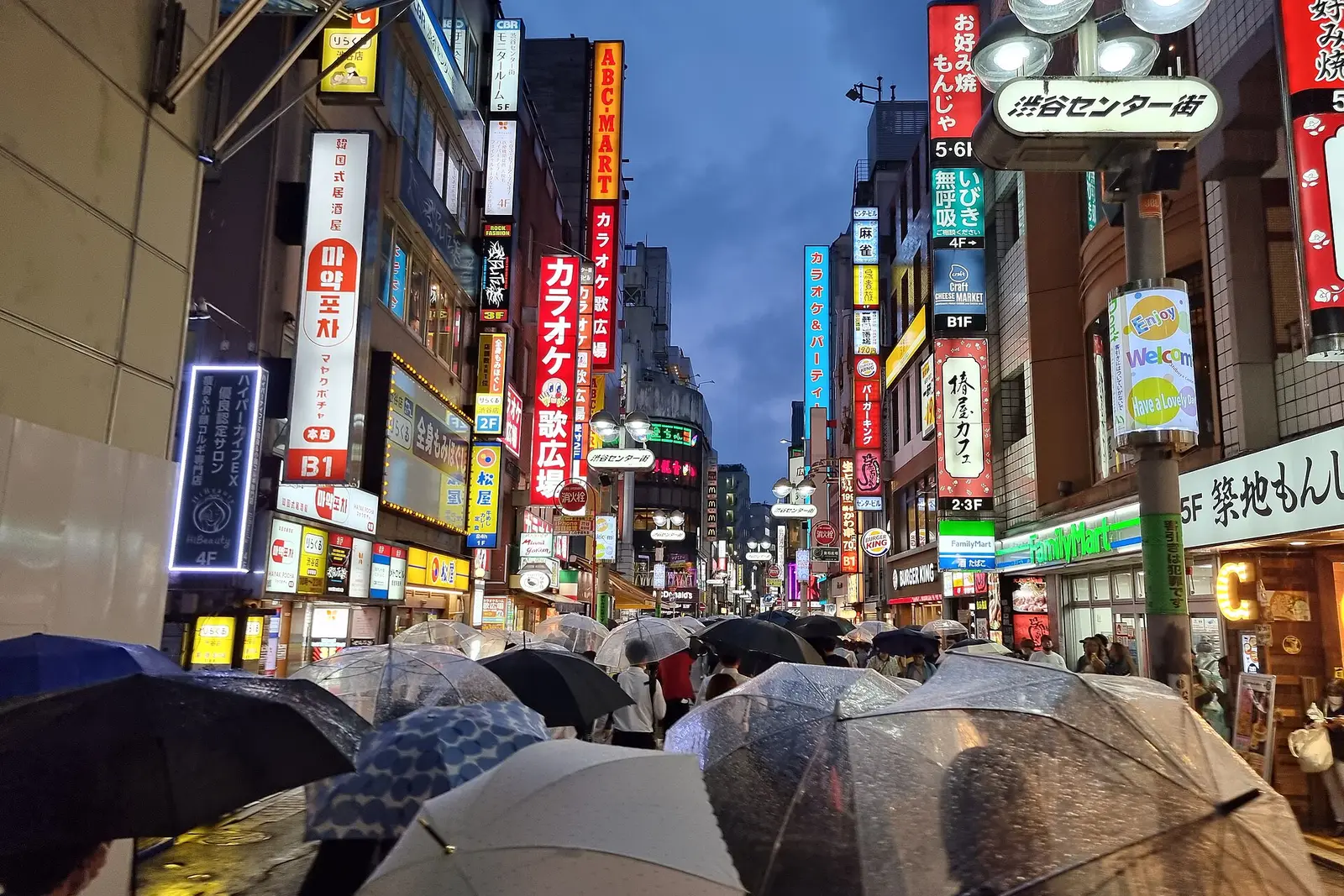
Cross the Scramble Crossing, and the street straight ahead under the big arch is Center Gai. It is narrow, loud, full of neon and full of people, and for decades it has been where Tokyo's teenagers come to see and be seen.
A street built on a river
Center Gai runs through the Udagawacho area, named after the Udagawa, a small river that once flowed through here. The river was covered over decades ago, and the street runs on top of it.
The home of Tokyo youth culture
In the 1990s and 2000s, Center Gai was the center of the gyaru scene: teenage girls with deep tans, bleached hair and huge platform boots, who made Shibuya famous around the world. Fashion trends started here and spread across Japan.
The street also had a rough reputation for a while. At one point, local shops gave it a second name, "Basketball Street," to try to give it a fresher image. You can still see that name on some of the signs, but almost everyone still calls it Center Gai.
Today it is busier and cleaner, and full of visitors from all over the world as well as local students.
What to buy
The main street is mostly chain stores, fast fashion and shops aimed at teenagers. A few places worth knowing:
- MEGA Don Quijote, the huge discount store near the end of the street, is open 24 hours. It sells everything from snacks and cosmetics to costumes, and it is good for souvenirs.
- Shibuya Loft, a short walk off the street, is a big store full of stationery, gadgets and well-designed everyday things.
- Shoe and sneaker shops line the street, with Japanese-only models you may not find at home.
- 100-yen shops and drugstores are good for cheap souvenirs, snacks, and Japanese cosmetics and face masks.
What to eat
Center Gai is a good place to snack while you walk around. Look for Japanese crepes rolled into a cone and filled with cream and fruit, bubble tea, and soft-serve ice cream. For a meal, the side streets have ramen shops, conveyor-belt sushi, and izakaya, Japanese pubs, where you can try lots of small dishes.
The farther you go from the crossing, and the more you turn into the side lanes, the more interesting the food gets.
Games and photo booths
Center Gai has several big game centers, full of claw machines and rhythm games. Upstairs in many of them you will find purikura, Japanese photo booths that smooth your skin, make your eyes bigger and let you decorate the pictures with stickers and text. It is a fun, very Japanese souvenir, especially for groups.
Day and night
In the afternoon, Center Gai is all about shopping and students in school uniforms. After dark, the neon comes on, the crowd gets older, and the bars, karaoke places and clubs in and around the street take over. Clubs in this part of Shibuya often stay open until the first trains in the morning.
You need to be 20 to drink alcohol in Japan, and clubs check ID, so bring your passport if you plan to go out.
Nearby
Shibuya 109 is a few minutes away at the top of the next street. Miyashita Park, with its rooftop park and food hall, is a short walk to the north.
See it with a local guide: Shibuya after dark
See the planMore on Shibuya
 SHIBUYA3 min read
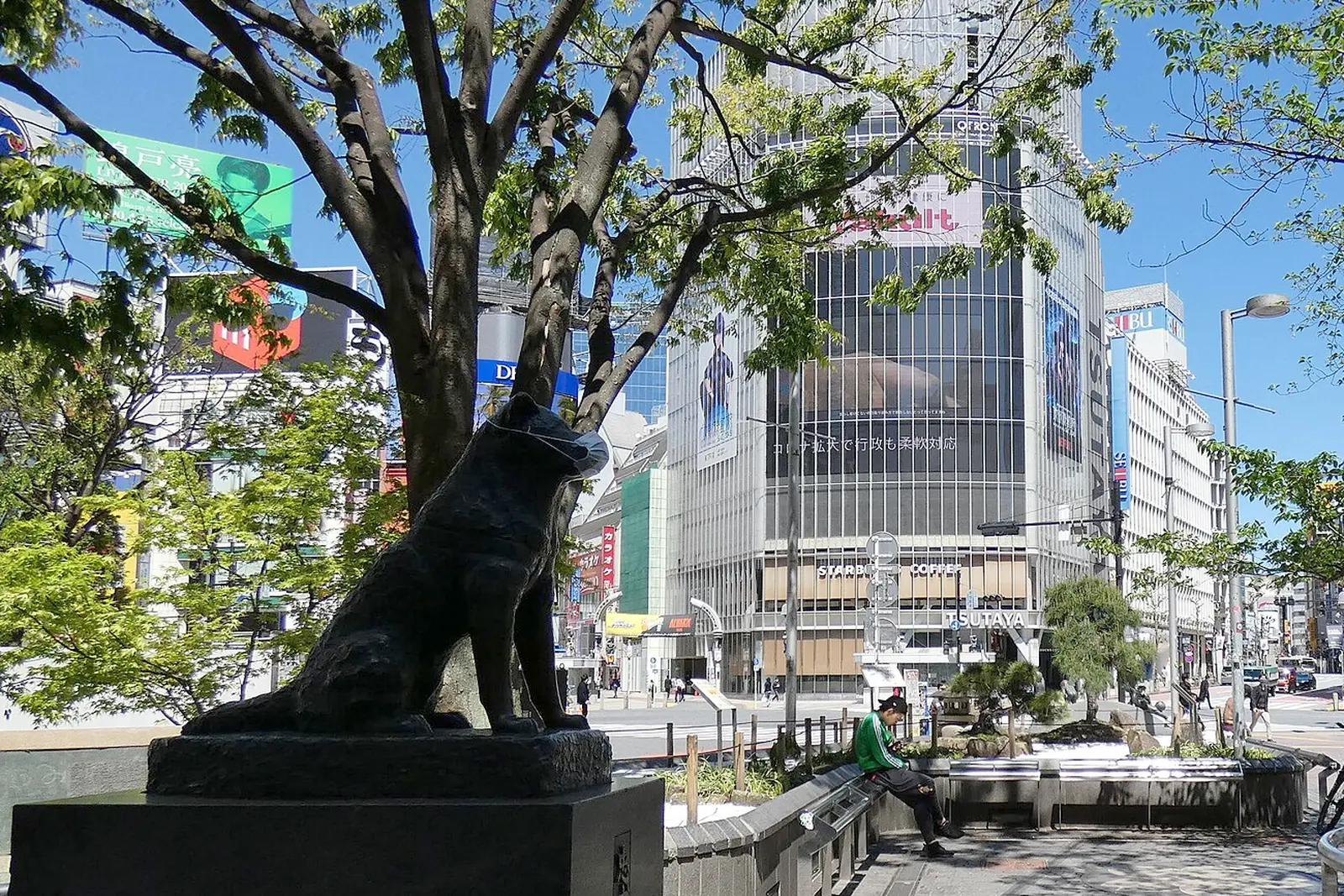
Hachiko Statue: The Dog Who Waited
The loyal dog behind Tokyo's most famous meeting spot, and how to get your photo without the line.
 SHIBUYA3 min read
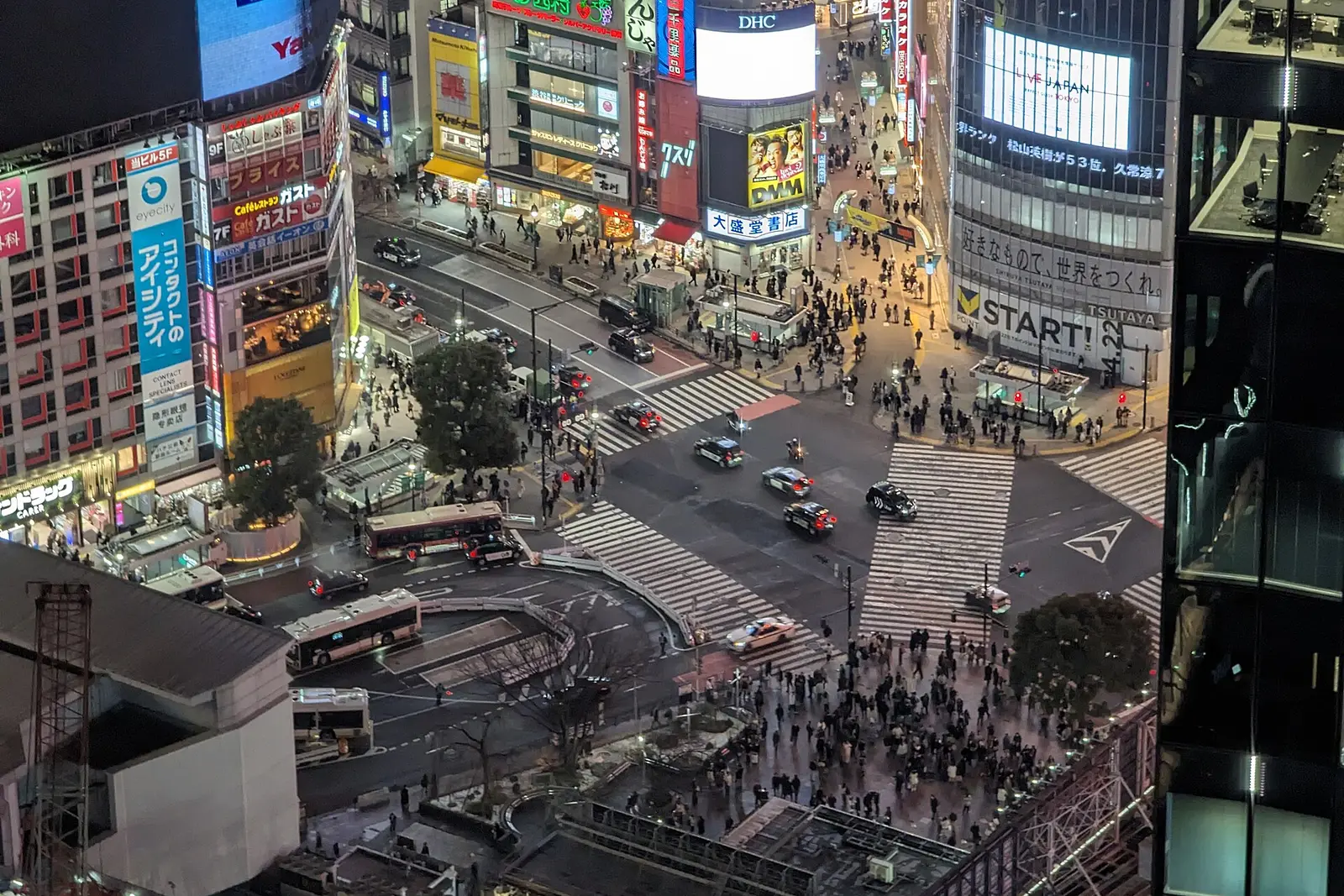
Shibuya Scramble Crossing: How to See It Best
The busiest crossing in Tokyo, the best places to watch it from above, and when to go.
 SHIBUYA3 min read
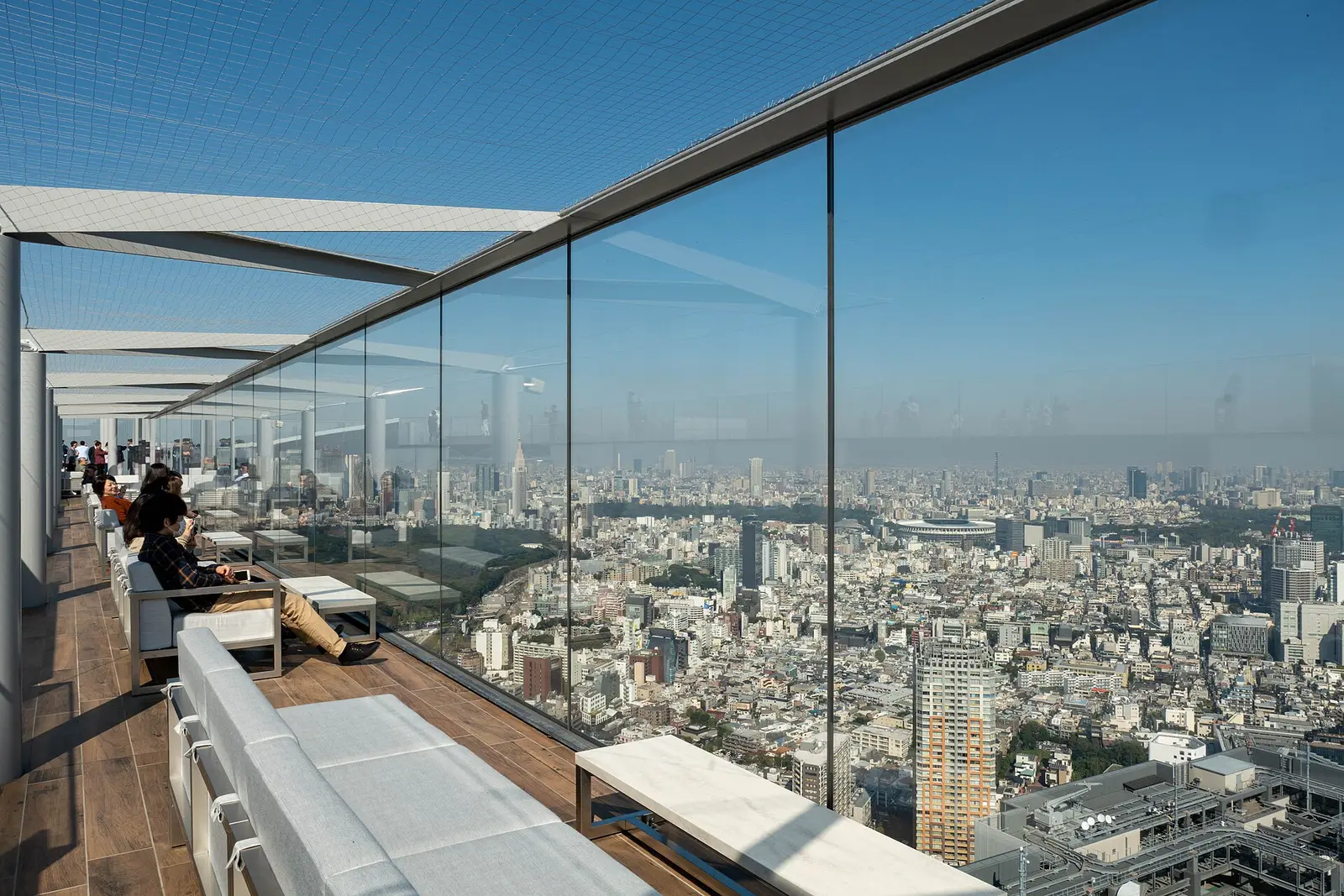
Shibuya Sky: Tokyo From an Open-Air Rooftop
An open-air rooftop 229 meters up, right above the station. Tickets, sunset timing and the rules.