Destinations › Oita › Beppu & Yufuin
The Hells of Beppu: Boiling Ponds You Can Visit
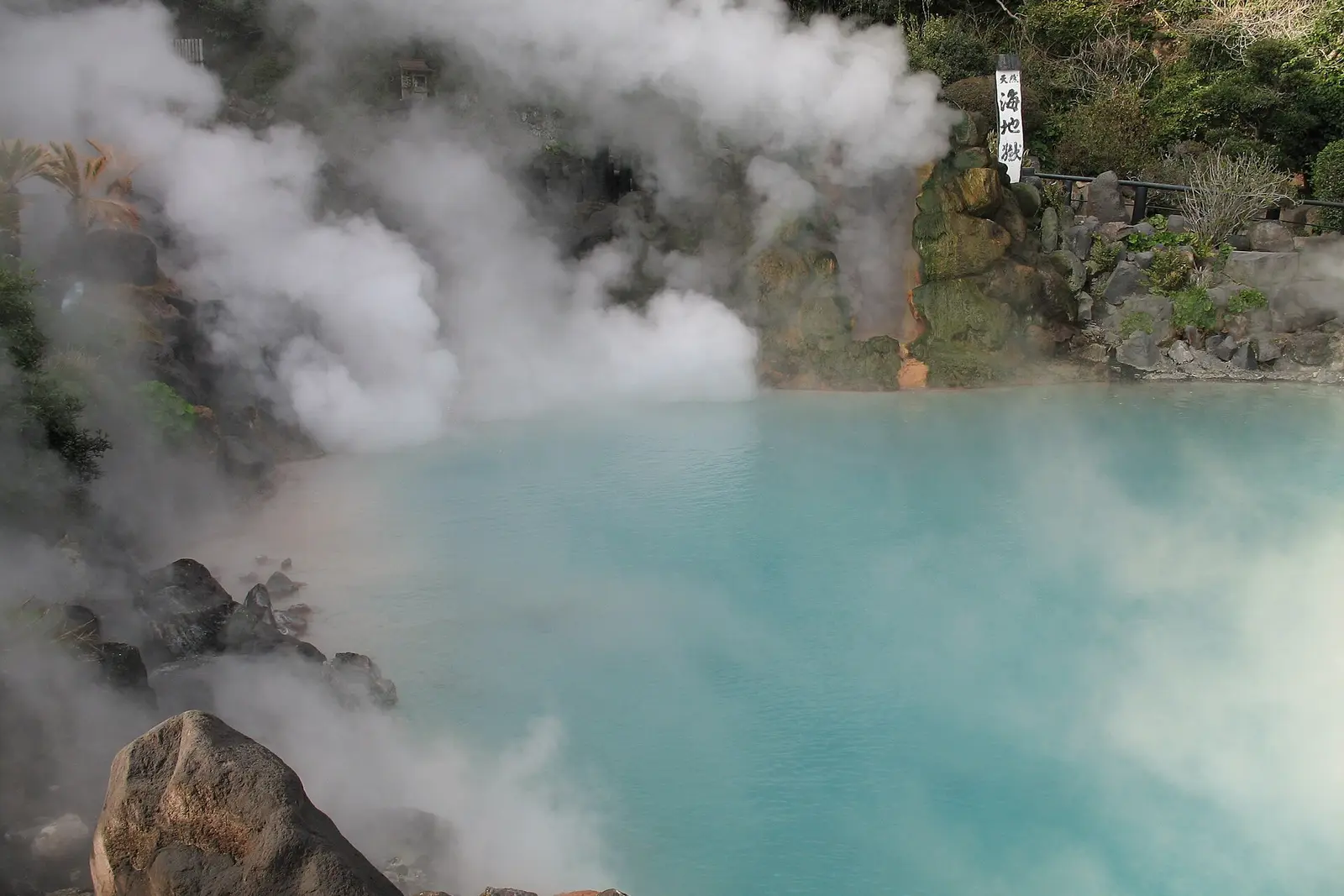
In Beppu, steam rises from the ground all over town. Some of the hot springs are too hot to enter and too strange to skip. People call them the Hells, and you walk around them to look, not to bathe.
Why they are called hells
Beppu sits on one of Japan's most active hot spring areas. In Kannawa, the ground has been hot for more than 1,000 years. Long ago, local people thought the boiling pools were cursed. That is where the word "hell" (jigoku) comes from.
Today the Hells are protected as Places of Scenic Beauty. The water is close to 100°C, so nobody bathes in it. You look, take photos, and sometimes eat something cooked in the steam.
The seven hells
Five of the hells are in Kannawa, close enough to walk between them.
Umi Jigoku, the Sea Hell, is the one in most photos. Its water is a deep cobalt blue and reaches about 98°C. A greenhouse beside it grows giant lilies. The shop and cafe sell pudding steamed in the natural heat.
Oniishibozu Jigoku is a pond of bubbling grey mud. The bubbles look like the shaved heads of monks, and that is the name. Next door is a bathhouse where you can soak afterward.
Kamado Jigoku, the Cooking Pot Hell, is really six small hells in one place. Staff blow air over a pond to make a show of steam. You can also try the salty hot spring water, if you are curious.
Oniyama Jigoku uses the heat to keep crocodiles. On weekends you may see the staff feeding them.
Shiraike Jigoku, the White Pond Hell, is a milky pond in a quiet Japanese garden. It also has a small aquarium of tropical fish.
Two more are in Kamegawa, about a five-minute bus ride away.
Chinoike Jigoku, the Blood Pond Hell, gets its red color from hot mud, and the name comes from its look, like blood. It is described as the oldest hell in Japan.
Tatsumaki Jigoku is a geyser right beside it. It erupts every 30 to 40 minutes, and a clock at the entrance counts down to the next one. If the wait is long, see the Blood Pond first.
Tickets and hours
One hell costs ¥500. The Common Admission Pass costs ¥2,400 and covers all seven, so it pays off once you visit five or more. You can buy it at the entrance of any of them. The bigger ticket offices, including Umi and Chinoike, take credit cards and IC cards such as Suica.
All the hells are open from 8:00 am to 5:00 pm, every day of the year.
Getting around
From Beppu Station, take a Kamenoi Bus toward Kannawa. It takes about 20 minutes. Get off at Kannawa or Umi Jigoku-mae. Kamado Jigoku is about a five-minute walk from those stops.
If you drive, parking is free and roomy at every hell. Plan on 2.5 to 3 hours for all seven, with a stop for pudding and a foot bath. Many of the hells have free foot baths. Roll up your trousers, and bring a small towel, or buy one there. Most paths are easy, but some have slopes or steps. Umi and Chinoike are the easiest.
What to eat
Try the pudding steamed in the ground, and the eggs steamed in the vents. The eggs taste a little salty and a little of sulfur. Kamado Jigoku also sells soy sauce pudding and a soft serve with a red chili topping. The gift shop at Chinoike sells T-shirts that say "Everyday is Hell."
Nearby
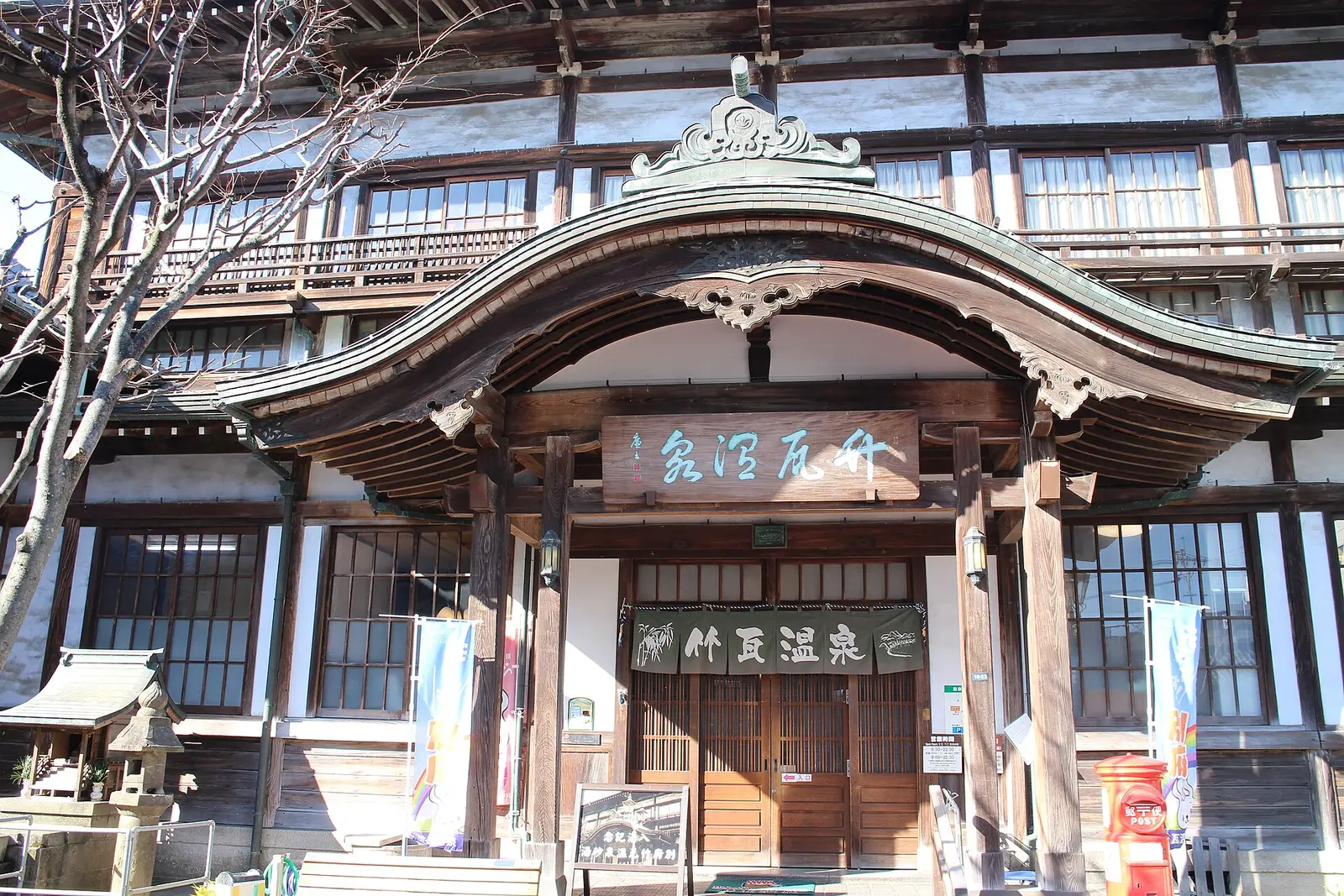
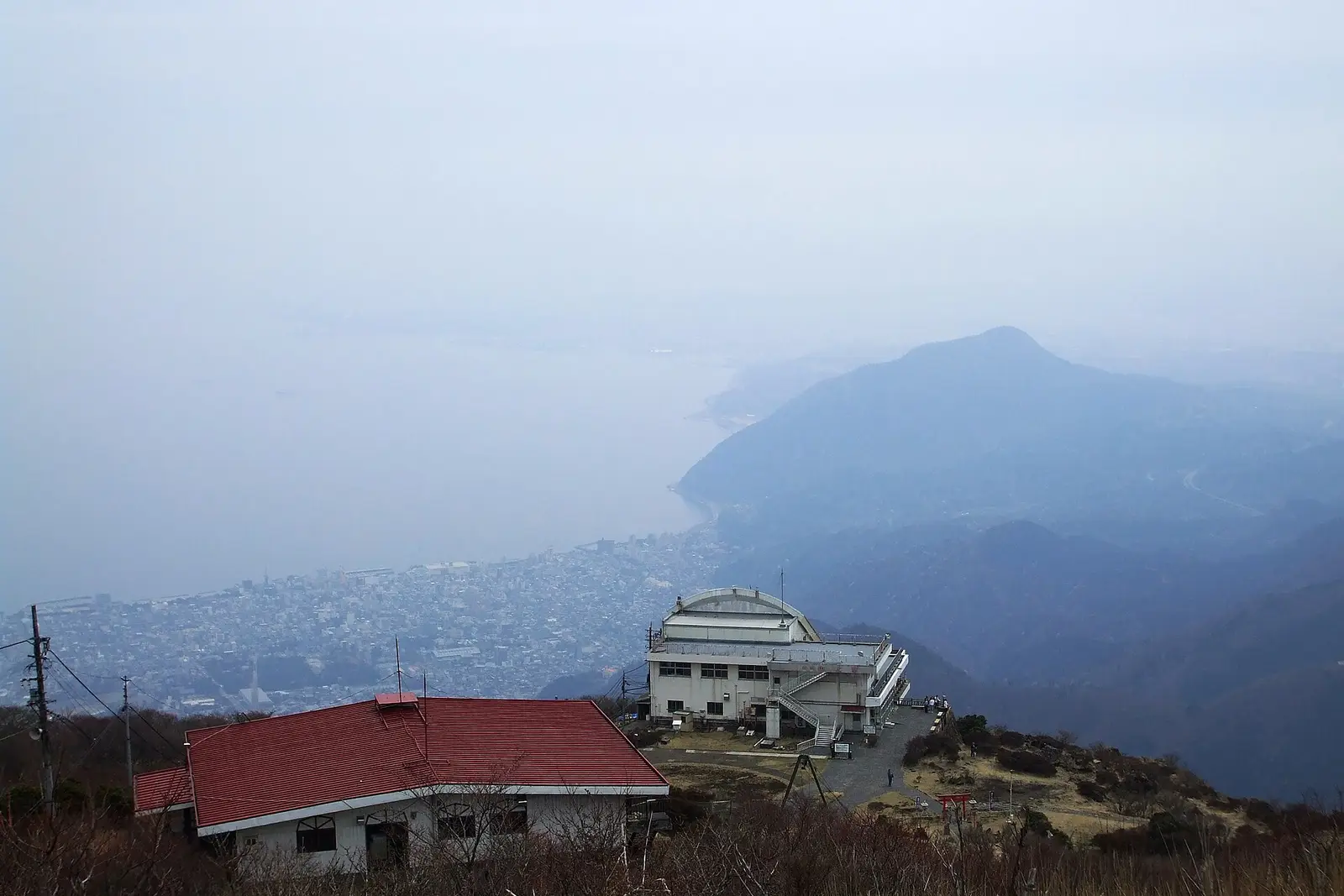
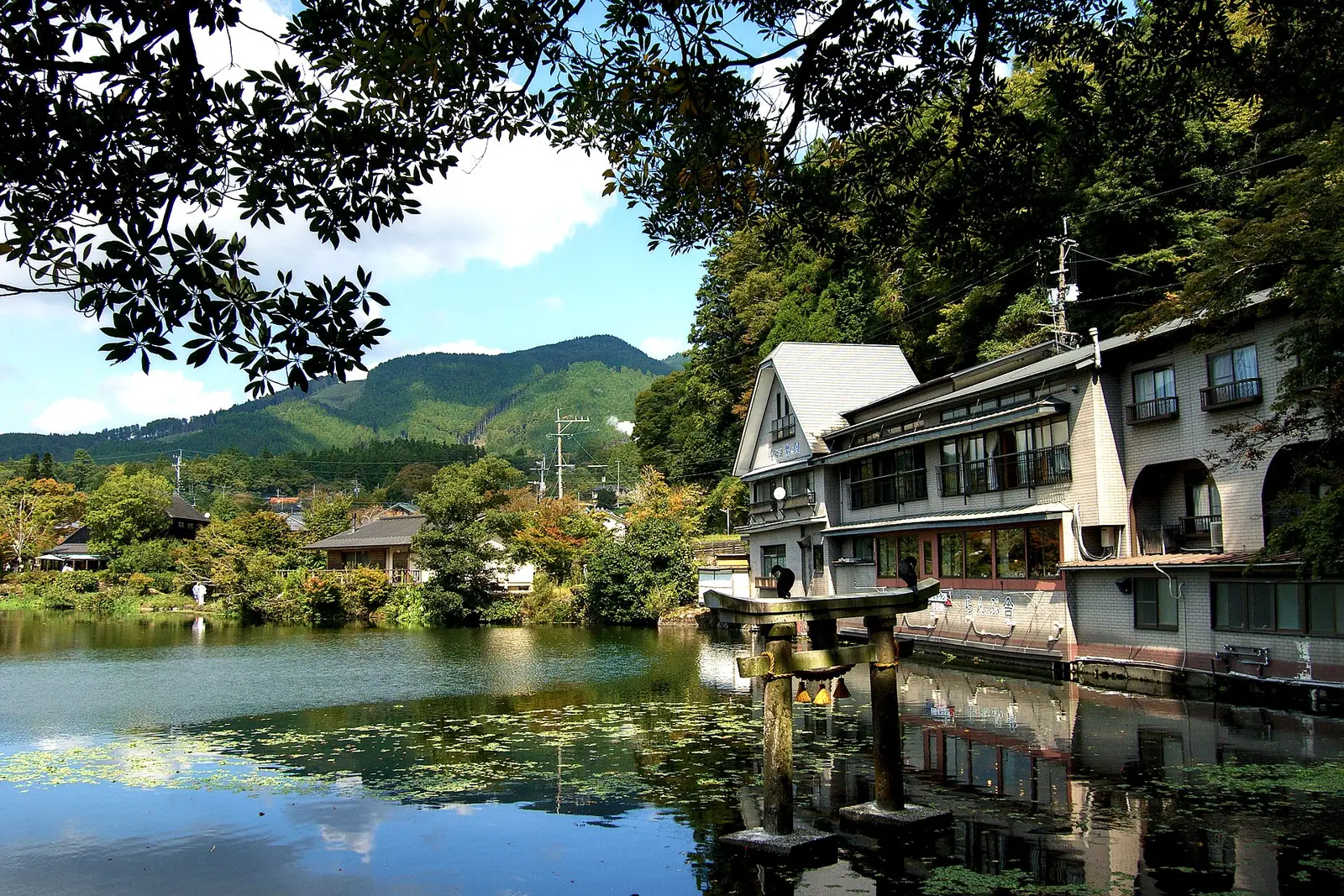
For a soak of your own, Takegawara Onsen in central Beppu is a historic bathhouse with a sand bath. Mt. Tsurumi Ropeway takes you above the town for a view of the whole bay. And if you have a second day, Yufuin is about an hour inland, with Lake Kinrin and the shops of Yunotsubo Street.
More on Beppu & Yufuin
 BEPPU & YUFUIN3 min read
Takegawara Onsen: Beppu's Historic Bathhouse and Sand Bath
A wooden bathhouse from 1879 in the middle of town. Bury yourself in hot sand for 15 minutes.
 BEPPU & YUFUIN3 min read
Mt. Tsurumi Ropeway: A 10-Minute Ride Above Beppu
A 10-minute cable car up a mountain for a view of the whole bay. Fares, hours and how to get there.
 BEPPU & YUFUIN3 min read
Lake Kinrin: Yufuin's Misty Morning Lake
A small lake at the foot of Mt. Yufu where mist rises on cold mornings. When to go and how to get there.