Destinations › Oita › Beppu & Yufuin
Takegawara Onsen: Beppu's Historic Bathhouse and Sand Bath
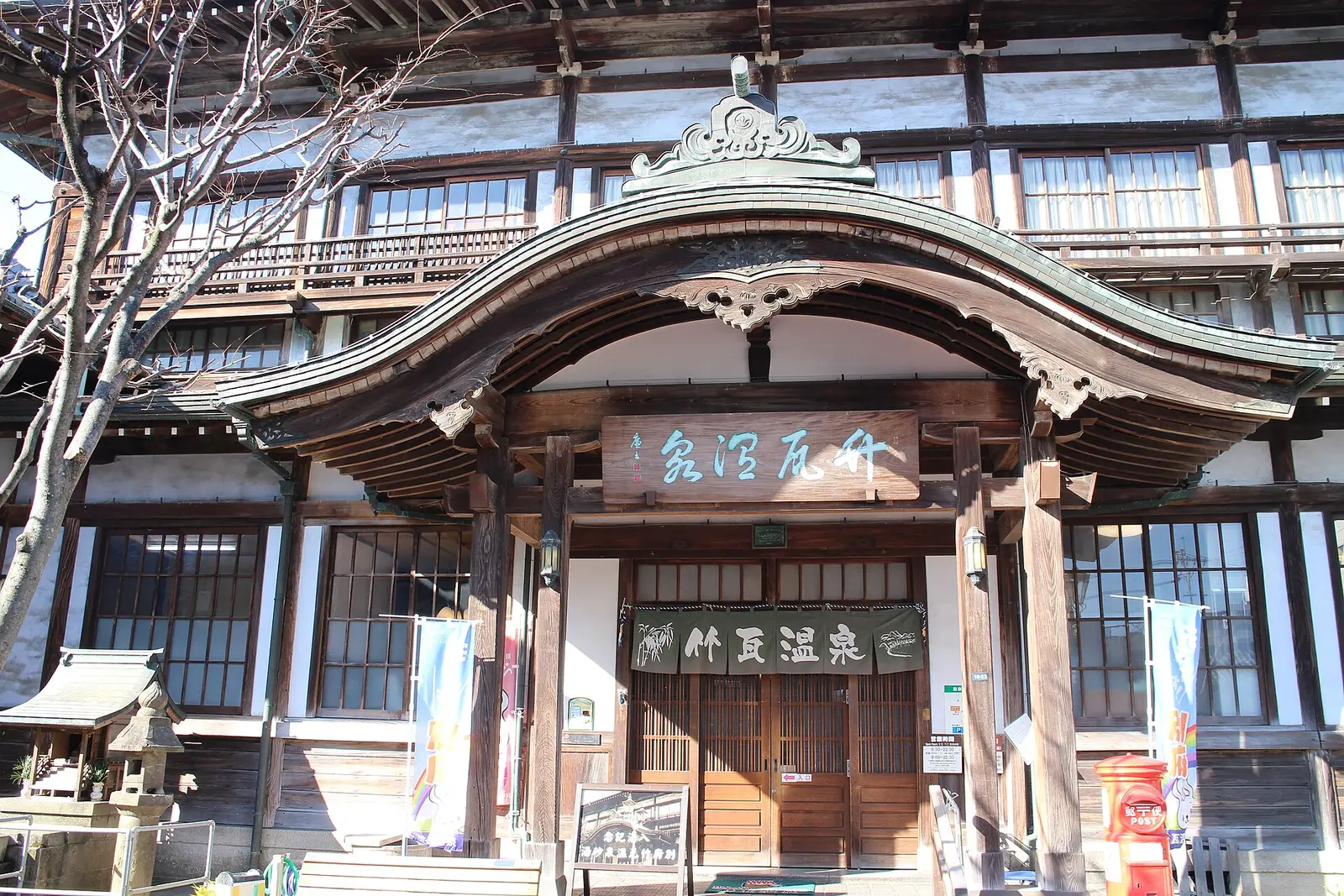
Most of Beppu's famous sights are up in the hills. This one is a short walk from the station. Takegawara Onsen is a public bath with a grand wooden front, and it is one of the few places in Japan where you can lie under warm sand on purpose.
A bathhouse with a long history
Takegawara Onsen was founded in 1879. The name means "bamboo roof," because the first building had a rough bamboo roof. It was rebuilt in 1902, and again in 1922 as a two-story building. In 1938 it was renovated and got the shrine-style front you see today, with its curved karahafu gable.
The Japanese government has registered the building as a Tangible Cultural Property. It is one of the few buildings in Japan that still looks much the way it did long ago.
A place people came to heal
In the old days, people came here for long stays to heal. Some traveled from Osaka by sea to Beppu's port, then walked to the bathhouse. A statue of a healing Buddha was placed outside the building. Patients with nerve pain and rheumatism once left their crutches in front of it after they recovered.
Today the baths are still used by local people every day, so you will share the place with regulars. On the first floor, there are separate hot baths for men and women, and a sand bath that men and women can use together, all in yukata. The second floor, which once held performances and tea service, is now a community center.
Look for the stone lantern outside. In 1933, a sake brewer from Yamaguchi Prefecture gave it to the bathhouse as a thank-you. It still stands, and it is easy to walk past without noticing.
How the sand bath works
The sand is warmed by hot spring water. Here is the usual order.
First, you pay at the counter and get a yukata, a light cotton robe. There is no reservation. It is first come, first served on the day.
Then you change. The sand needs to touch your skin, so you wear nothing under the yukata. Take off jewelry, and tie your hair back if it is long.
Next, you lie down. Staff members, called sunakakesan, shovel warm, heavy sand over your body from your feet up to your shoulders. You stay for about 15 minutes. It feels like a heavy blanket. If it gets too hot, move your hands or feet a little.
Last, you shower the sand off and soak in the hot bath. Plan on 40 to 60 minutes in total, and a little more if you soak.
The hot bath
The ordinary hot bath costs ¥300. The water runs hot. If it is too hot for you, pour some cold water into your wash bucket to cool it down. A few simple rules apply. Wash well before you get in. Do not put a towel in the water. Do not sit on the edge of the tub.
Tattoos are allowed, which is not true everywhere in Japan. The lobby has a high ceiling and tatami mats, so it is a nice place to sit and rest afterward.
Tips
Bring cash, a drink and a hair tie. The lockers are basic, so leave bigger bags at your hotel. You will sweat, so drink some water before and after.
Come earlier in the day if you can. The sand bath is first come, first served, and busy times can mean a wait. Check the calendar too. The sand bath is closed on the third Wednesday of each month.
Nearby
Takegawara is in the middle of old Beppu, a short walk from the station. To see the hot springs that nobody can bathe in, take a bus up to the Hells of Beppu. For a bigger view, Mt. Tsurumi Ropeway runs to a summit above the whole bay.
More on Beppu & Yufuin
 BEPPU & YUFUIN3 min read
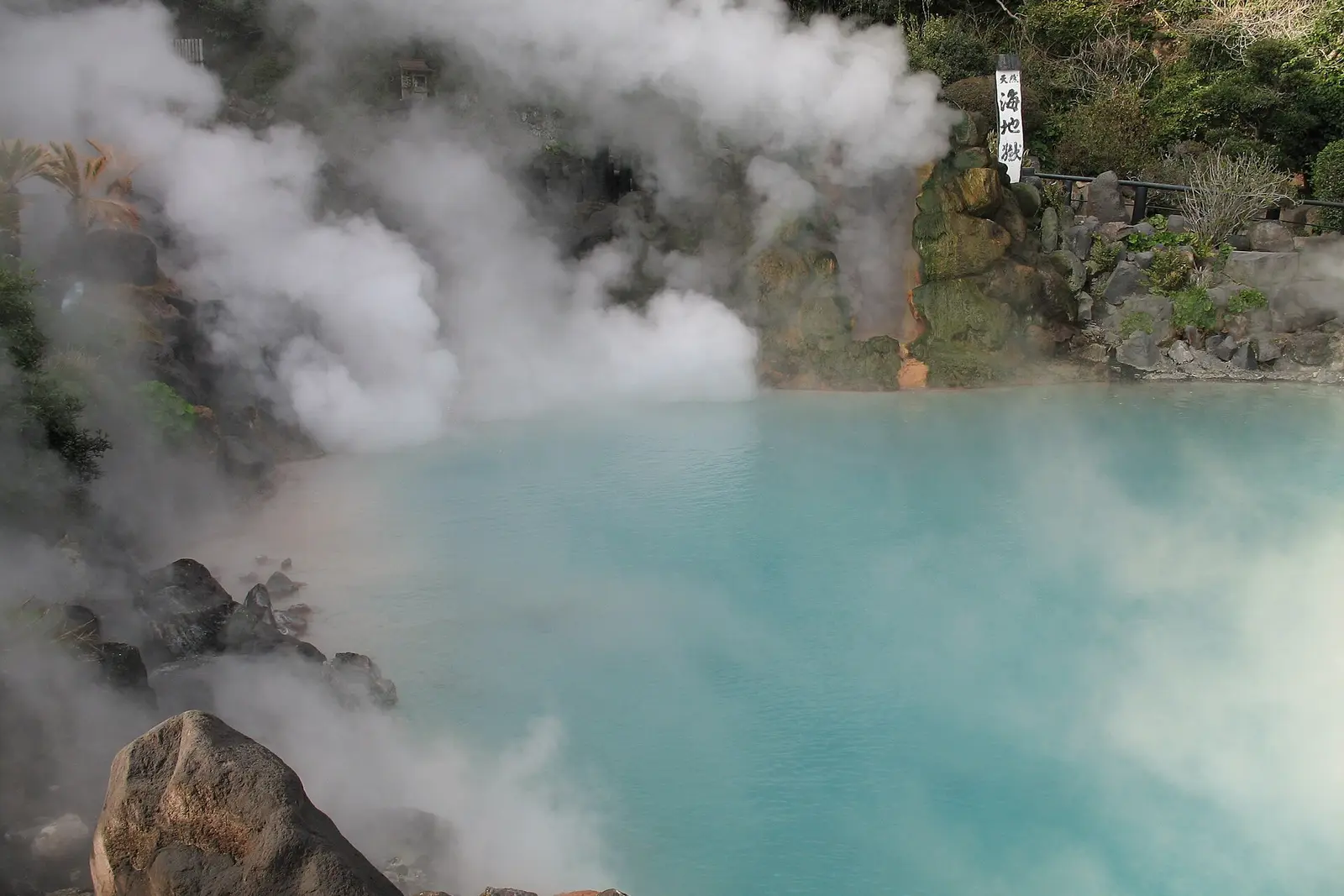
The Hells of Beppu: Boiling Ponds You Can Visit
Seven boiling ponds, bubbling mud and a geyser. What each hell is, what it costs and how to visit.
 BEPPU & YUFUIN3 min read
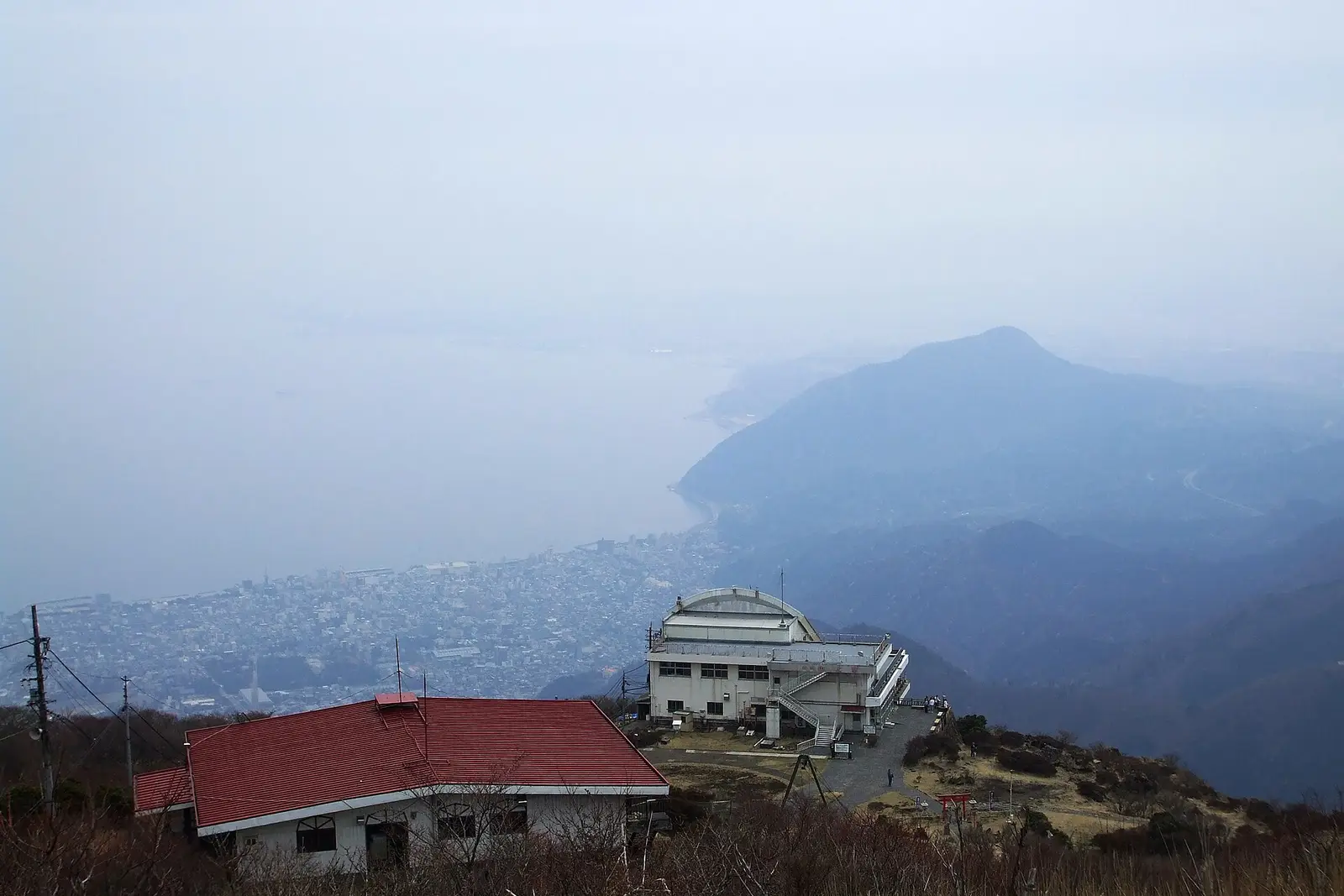
Mt. Tsurumi Ropeway: A 10-Minute Ride Above Beppu
A 10-minute cable car up a mountain for a view of the whole bay. Fares, hours and how to get there.
 BEPPU & YUFUIN3 min read
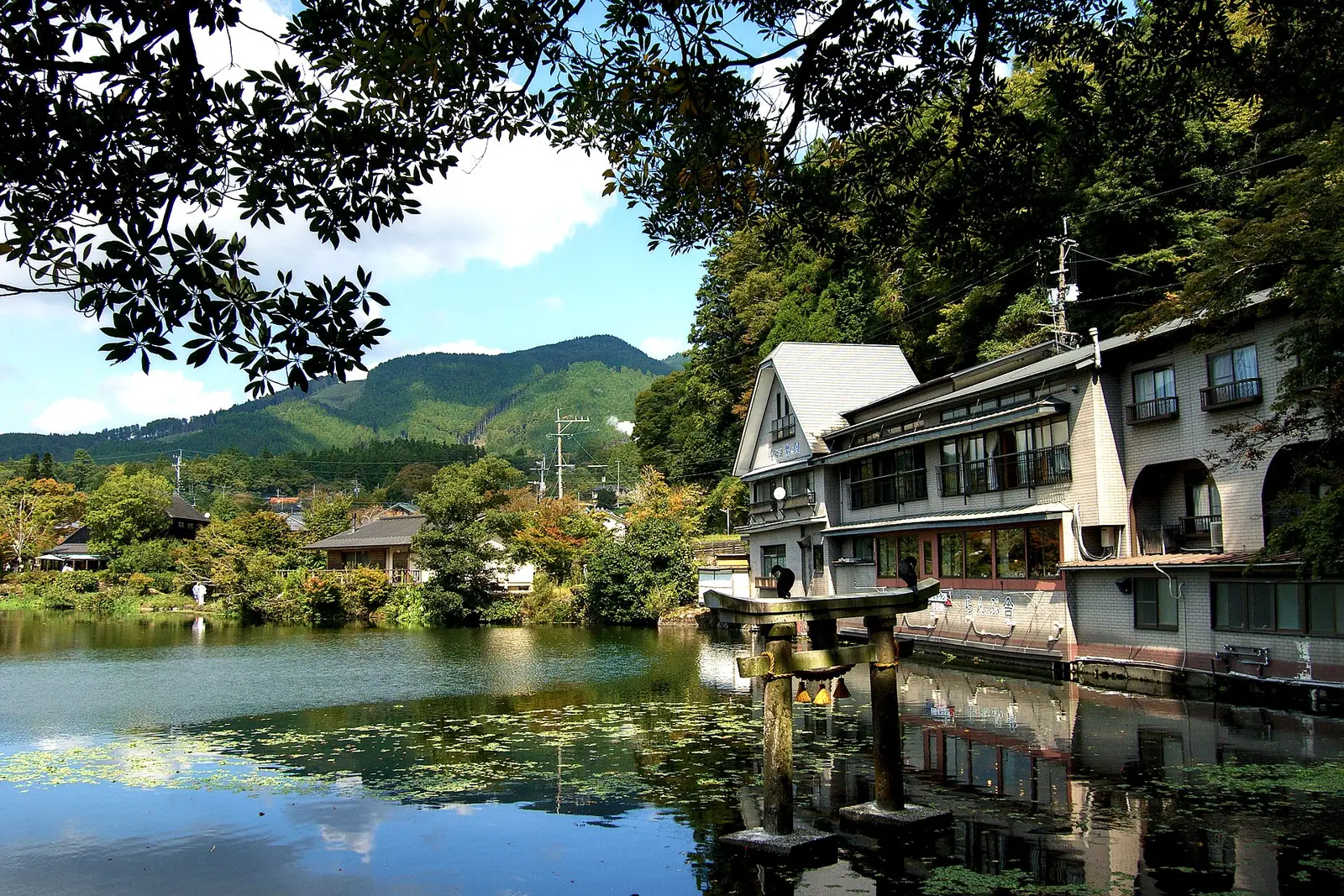
Lake Kinrin: Yufuin's Misty Morning Lake
A small lake at the foot of Mt. Yufu where mist rises on cold mornings. When to go and how to get there.