Destinations › Kanagawa › Hakone
Hakone Checkpoint: The Edo-Period Border Gate
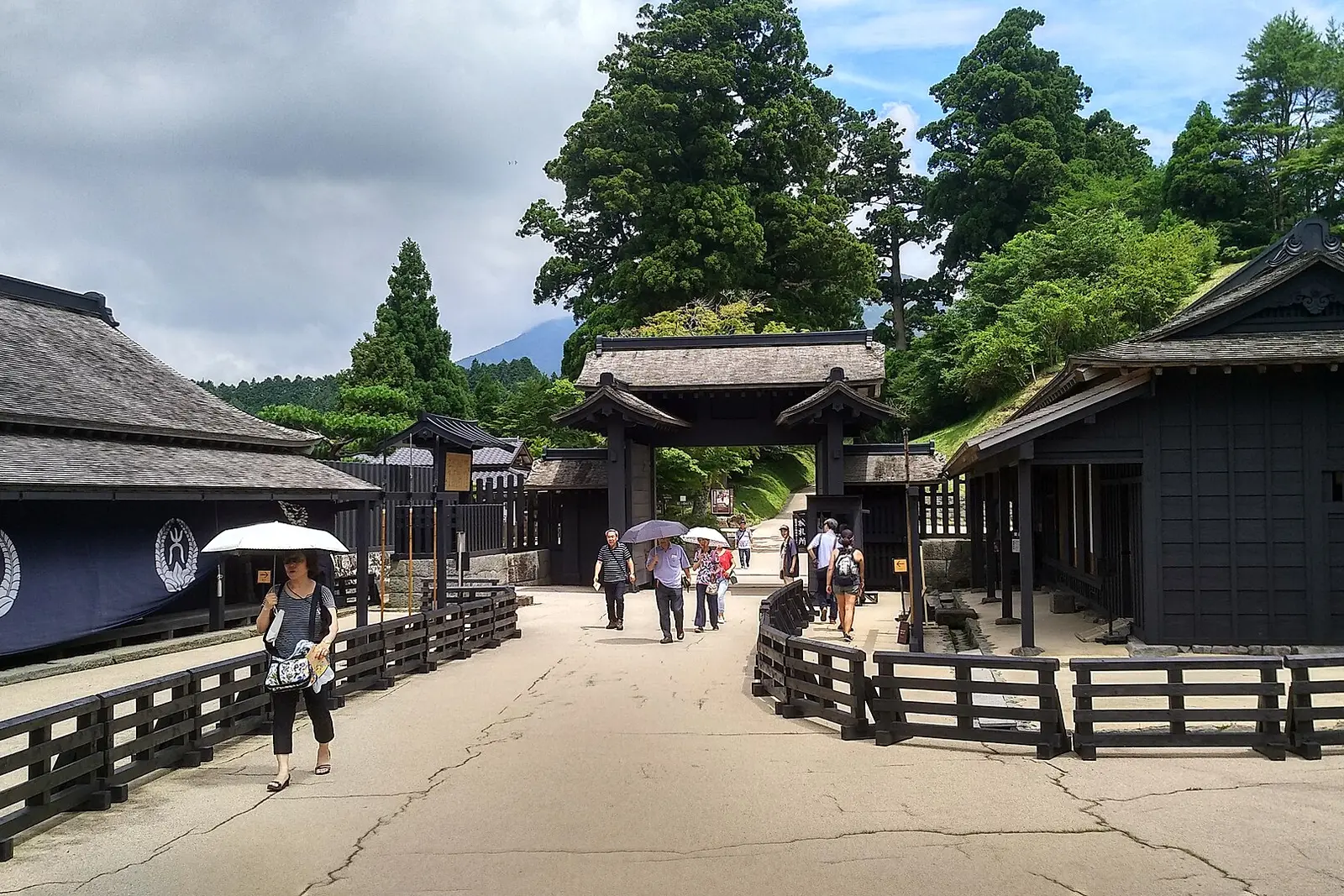
In the Edo period, nobody could simply walk from Kyoto to Tokyo. In the hills of Hakone, the road passed through a gate, and officers checked every traveler. That gate has been rebuilt on the shore of Lake Ashi, and you can walk through it.
The road and the gate
The Tokaido was the main highway between Tokyo and Kyoto in the Edo period. Hakone sits in the mountains in the middle of that road, and there was no other easy route around it. That made it the perfect place for a checkpoint. Officers here controlled the movement of people and goods into and out of Tokyo.
The checkpoint you see today is a reconstruction. It took three years of work and was finished in 2007. It was rebuilt to look like the original.
What you will see
Inside you walk through the gates and the fence, and you see the buildings where officers and foot soldiers worked. There is a prison chamber, and a lookout tower. Imagine arriving here on foot after days on the road, and waiting while an officer decided whether you could pass. That was normal for travelers then. The reconstruction is described as true to the original form.
A small museum, the Hakone Sekisho Shiryokan, sits nearby with exhibits about how the checkpoint worked.
Hours, price and access
The checkpoint is open every day from 9:00 to 17:00. From December to February it closes at 16:30. The last entry is 30 minutes before closing. Admission is ¥500, or ¥400 with a Hakone Freepass. Most visitors spend 30 to 45 minutes here, and then walk on along the lake or catch the next cruise.
Check the current hours before you go, since they can change. The checkpoint is a short walk from Hakone-machi port and the bus stop. Bus H runs from Hakone-Yumoto Station to Hakone-machi in about 40 minutes and costs ¥1,210. There are four or five buses an hour, and the Hakone Freepass covers them. You can also arrive by the Lake Ashi cruise from Togendai.
The old Tokaido
A short stretch of the old road still runs through cedar trees along the lake shore between Moto-Hakone and Hakone-machi. It is a pleasant, shaded walk by the water, and it connects the checkpoint with Hakone Shrine.
If you like walking, there is a longer section of the old road, called the Kyu-kaido. Some of the original stone paving remains. The best-preserved part is between Moto-Hakone and Hatajuku, which takes 75 to 100 minutes on foot. Along the way is the Amasake Chaya, an old tea house that serves amazake, a sweet rice drink with little or no alcohol. It is open daily from 7:00 to 17:30, with last order at 17:00. The section from Hatajuku down to Hakone-Yumoto is along a road with traffic and no sidewalk, so most people take a bus for that part. Bus K runs about twice an hour from Hakone-Yumoto to Moto-Hakone, stopping at Hatajuku and at the Amasake Chaya, and the Hakone Freepass is valid on it. Early morning and evening buses go only as far as Hatajuku. Near the tea house, a free museum shows life-size scenes of life on the road.
A tip for the day
The checkpoint and the shrine fit well together. Walk the cedar road along the lake from Hakone-machi to Moto-Hakone, and visit both. Between the two, there is a park by the lake, Onshi Hakone Park, built around a former summer palace of the Imperial Family. It is free and a 10 to 15 minute walk from either town.
Nearby
Hakone Shrine and its red torii are at the other end of the cedar road. The pirate ships of Lake Ashi stop at Hakone-machi port, a short walk away, and the Hakone Open-Air Museum is on the train line near Gora.
More on Hakone
 HAKONE3 min read
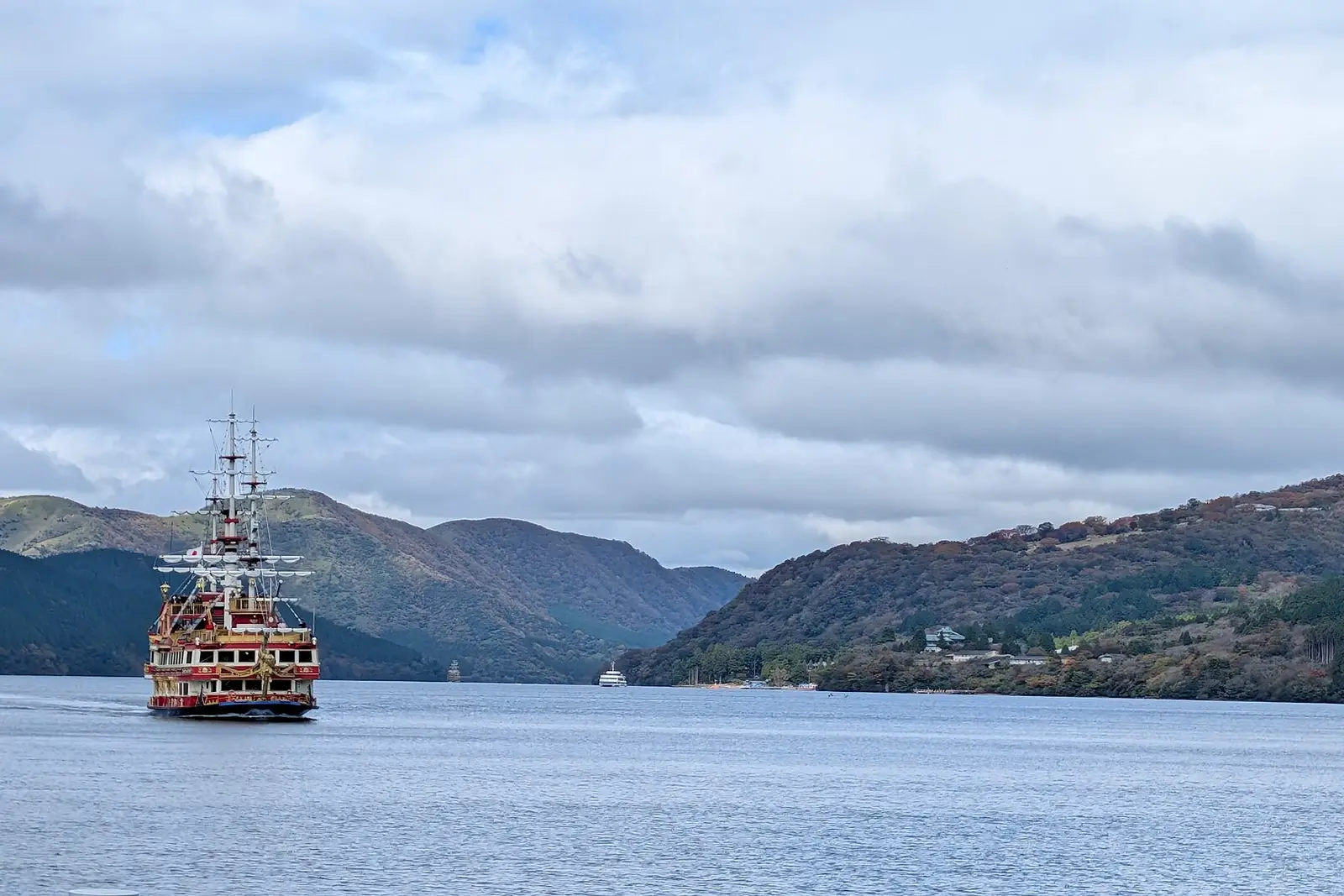
Lake Ashi Pirate Ship Cruise: Crossing Hakone's Lake
Pirate-themed ships that cross Hakone's crater lake in about 30 minutes, with Mount Fuji behind them on a clear day.
 HAKONE3 min read
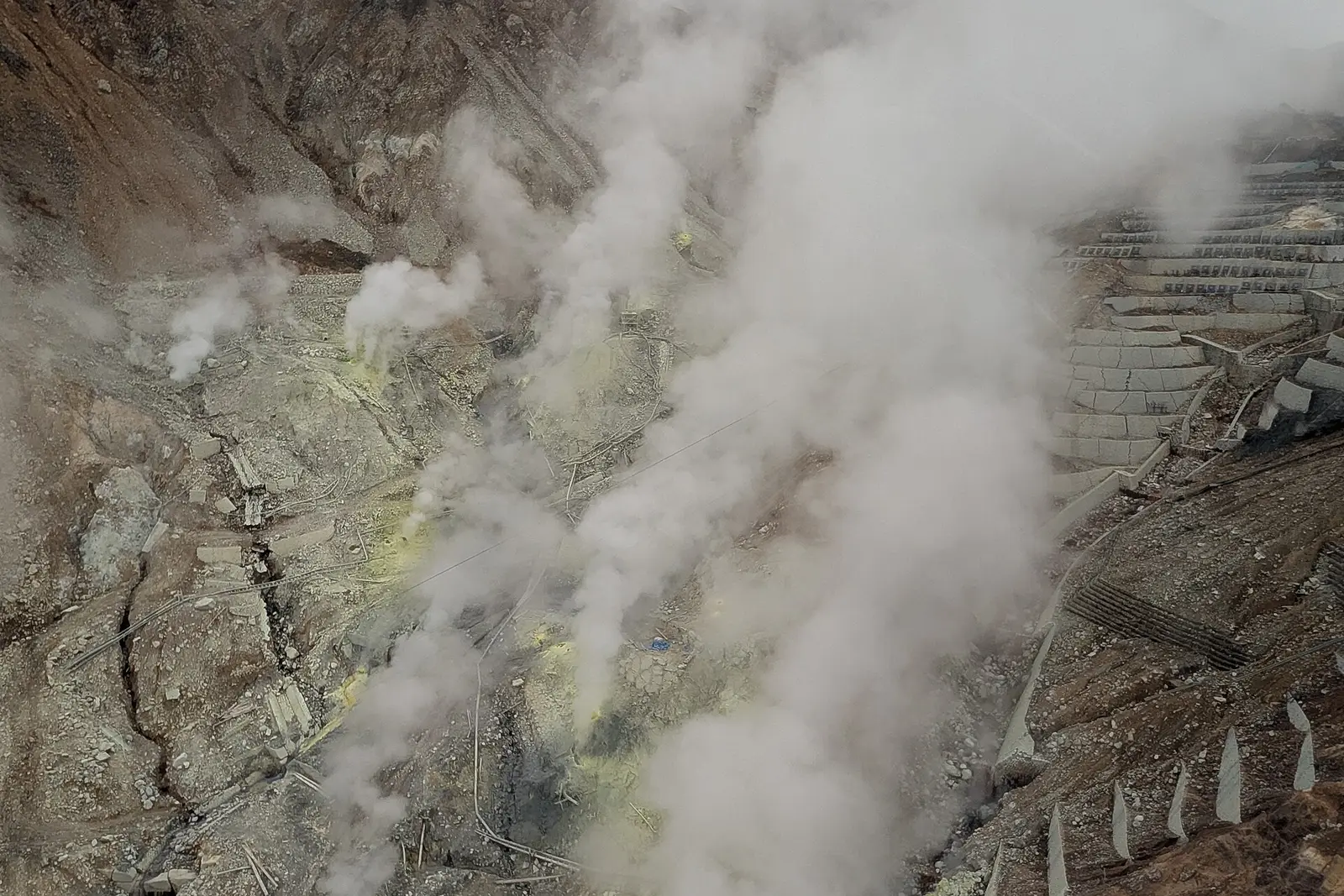
Owakudani: Hakone's Steaming Volcanic Valley
A smoking volcanic valley above Hakone, with a ropeway ride, a glass-floor deck and eggs cooked black in hot spring water.
 HAKONE3 min read
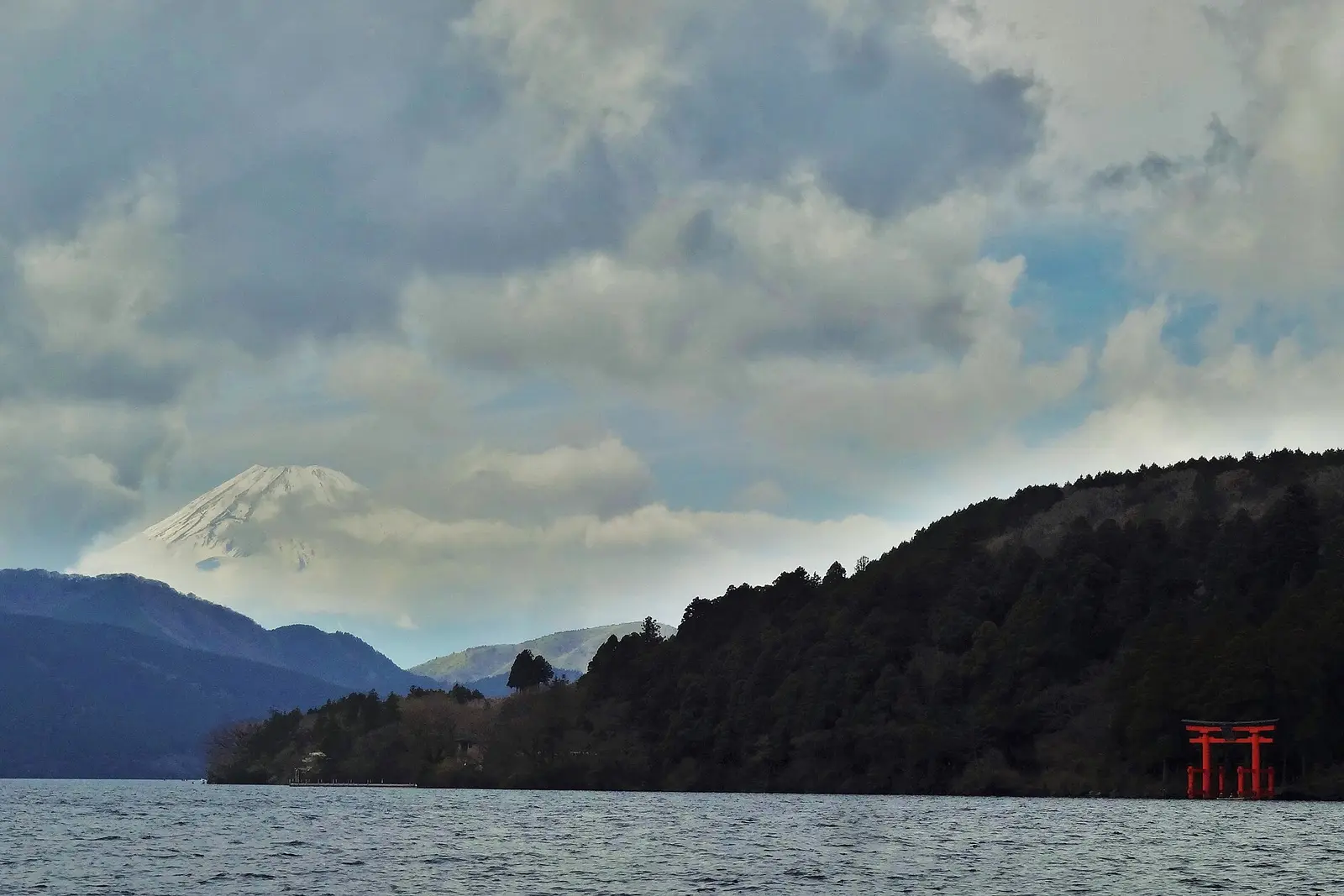
Hakone Shrine: The Red Torii on the Lake
A forest shrine on Lake Ashi with a red torii in the water, and a legend of a nine-headed dragon.