Destinations › Kanagawa › Hakone
Hakone Shrine: The Red Torii on the Lake
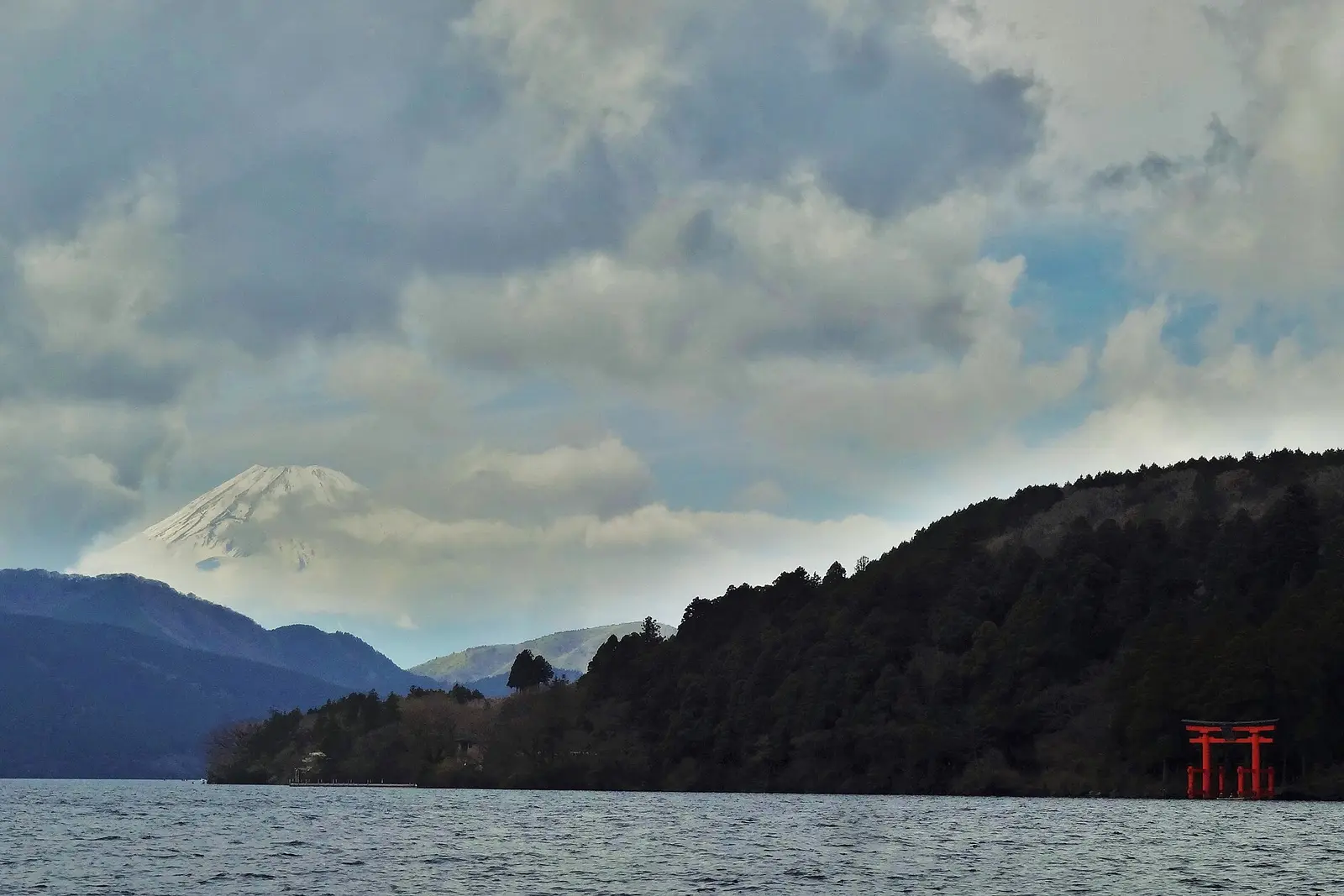
On the shore of Lake Ashi, a red torii gate stands in the water, and behind it a path climbs into a dark forest of old trees. This is Hakone Shrine, the best-known Shinto shrine in Hakone.
A shrine in the forest
Hakone Shrine is a Shinto shrine, a place to honor the local gods. By tradition, a priest named Mangan Shonin founded it in the year 757. Nobody can prove that date, but it tells you how old people think this place is.
The shrine grew in importance in the Kamakura period, from 1185 to 1333. A warlord named Minamoto no Yoritomo took shelter here after a defeat. He later founded the Kamakura shogunate. Centuries later, in the Edo period, the shrine's priests are said to have stopped the Tokugawa government from building a checkpoint right next to the shrine. The checkpoint was built farther down the road instead. The main hall was rebuilt in 1936 after a fire.
The Peace Torii and the steps
The red torii that stands in the lake is called the Heiwa no Torii, or Peace Torii. It was built in 1952 to mark the Treaty of San Francisco, which ended the Allied occupation of Japan. A torii is a gate that marks the way into sacred ground, and this one is placed at the water's edge, so the lake becomes part of the shrine's entrance.
This is the photo everyone wants. On a clear day, you can see Mount Fuji across the lake. When the lake is misty, the red gate looks almost like a painting.
From the lakeside gate, a path leads up a flight of steps lined with lanterns to the main building. The shrine itself is hidden in thick forest, and it feels most atmospheric when the air is damp or misty. Two more large torii stand over the main road in Moto-Hakone, so you pass under gates on the way as well.
If you have not visited a Shinto shrine before, there is no ticket and no guide. You walk in, look around quietly, and leave when you are ready. Japanese visitors often stop to say a short prayer. You are welcome to watch and to take photos of the buildings and the scenery.
The nine-headed dragon
A legend says that a nine-headed dragon lived in Lake Ashi. Mangan Shonin is credited with calming it, and today the dragon is honored as the lake's guardian. A small shrine to the dragon, called Kuzuryu Shrine, is part of the same group of shrines.
Hours and what to buy
The grounds are free to enter, and visitors can walk in at any time of day. The office that sells amulets and shrine stamps is open from 8:15 to 17:00. Prayer services run from 8:30 to 16:00, and the treasure hall is open from 9:00 to 16:00. The shrine's pages are in Japanese, so check the hours before you go.
Visitors buy omamori, small amulets for luck or safe travel. This is a working shrine, so keep your voice low and do not block the stairs for photos.
Getting there
From Moto-Hakone port, the shrine is a 5 to 10 minute walk. By bus, take the H line from Hakone-Yumoto Station. The ride takes about 35 minutes and costs ¥1,210. There are four or five buses an hour, and the Hakone Freepass covers them.
The shrine has a second site, Mototsumiya, at the top of Mount Komagatake, one of the peaks of Mount Hakone. You can reach it on the Hakone Komagatake Ropeway from Hakone-en, which costs ¥2,200 round trip, or on foot. The shrine is a short walk from the top station. Most visitors skip it, but it is a quiet extra if you have time.
Nearby
The Lake Ashi pirate ships stop at Moto-Hakone port, a short walk from the shrine. The Hakone Checkpoint is a short way along the lake, near Hakone-machi port. For a volcanic contrast, Owakudani is on the ropeway on the far side of the lake.
More on Hakone
 HAKONE3 min read
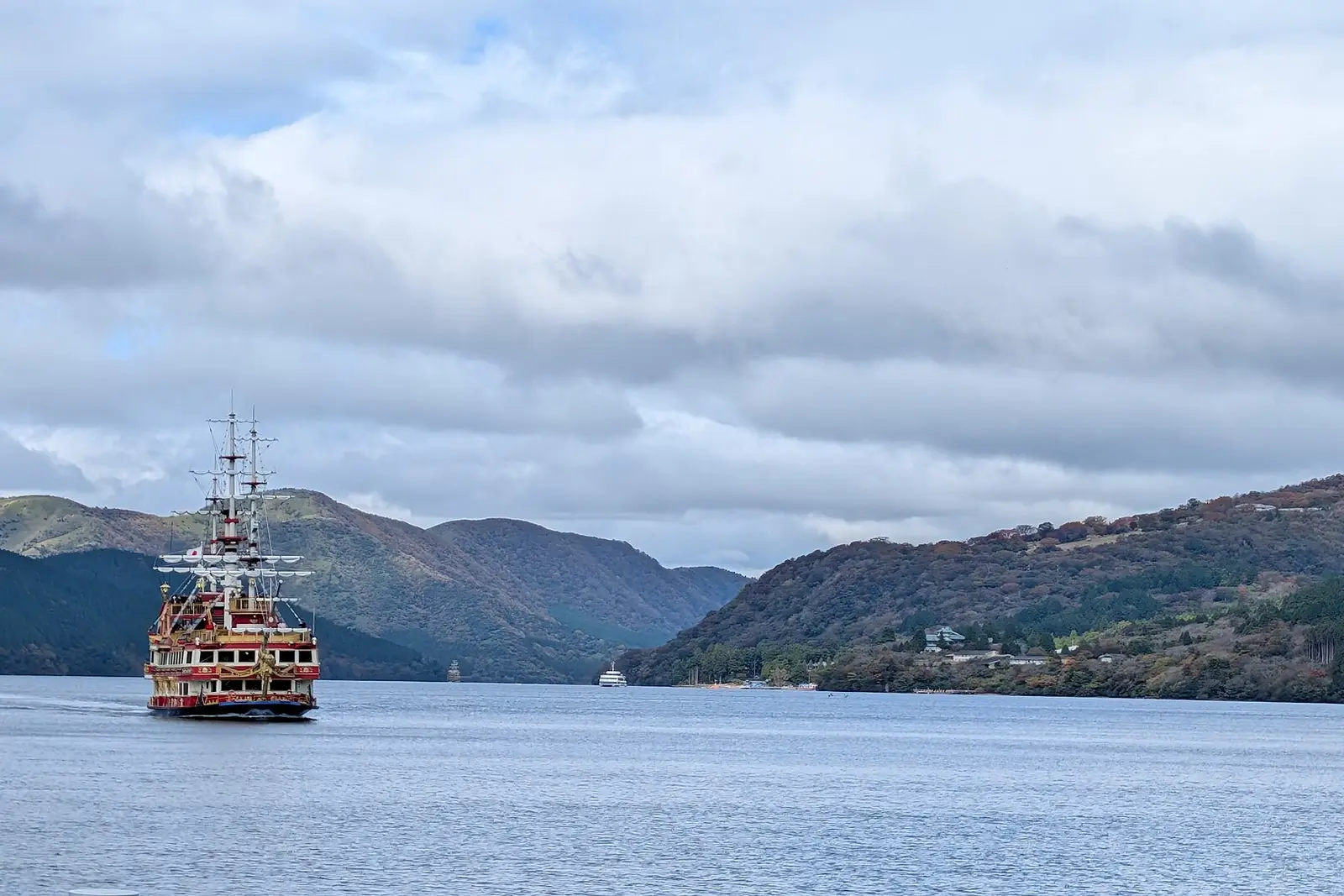
Lake Ashi Pirate Ship Cruise: Crossing Hakone's Lake
Pirate-themed ships that cross Hakone's crater lake in about 30 minutes, with Mount Fuji behind them on a clear day.
 HAKONE3 min read
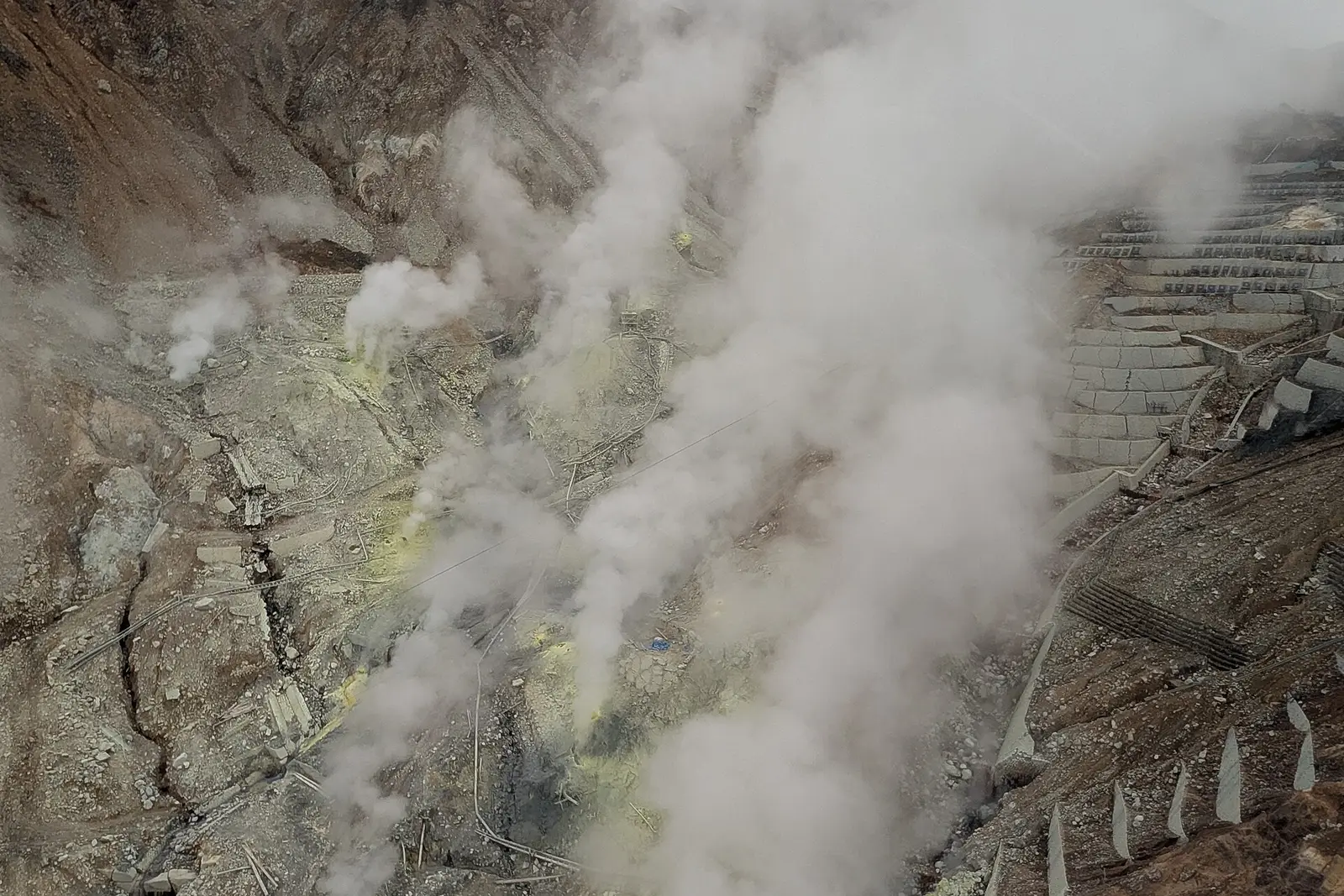
Owakudani: Hakone's Steaming Volcanic Valley
A smoking volcanic valley above Hakone, with a ropeway ride, a glass-floor deck and eggs cooked black in hot spring water.
 HAKONE3 min read
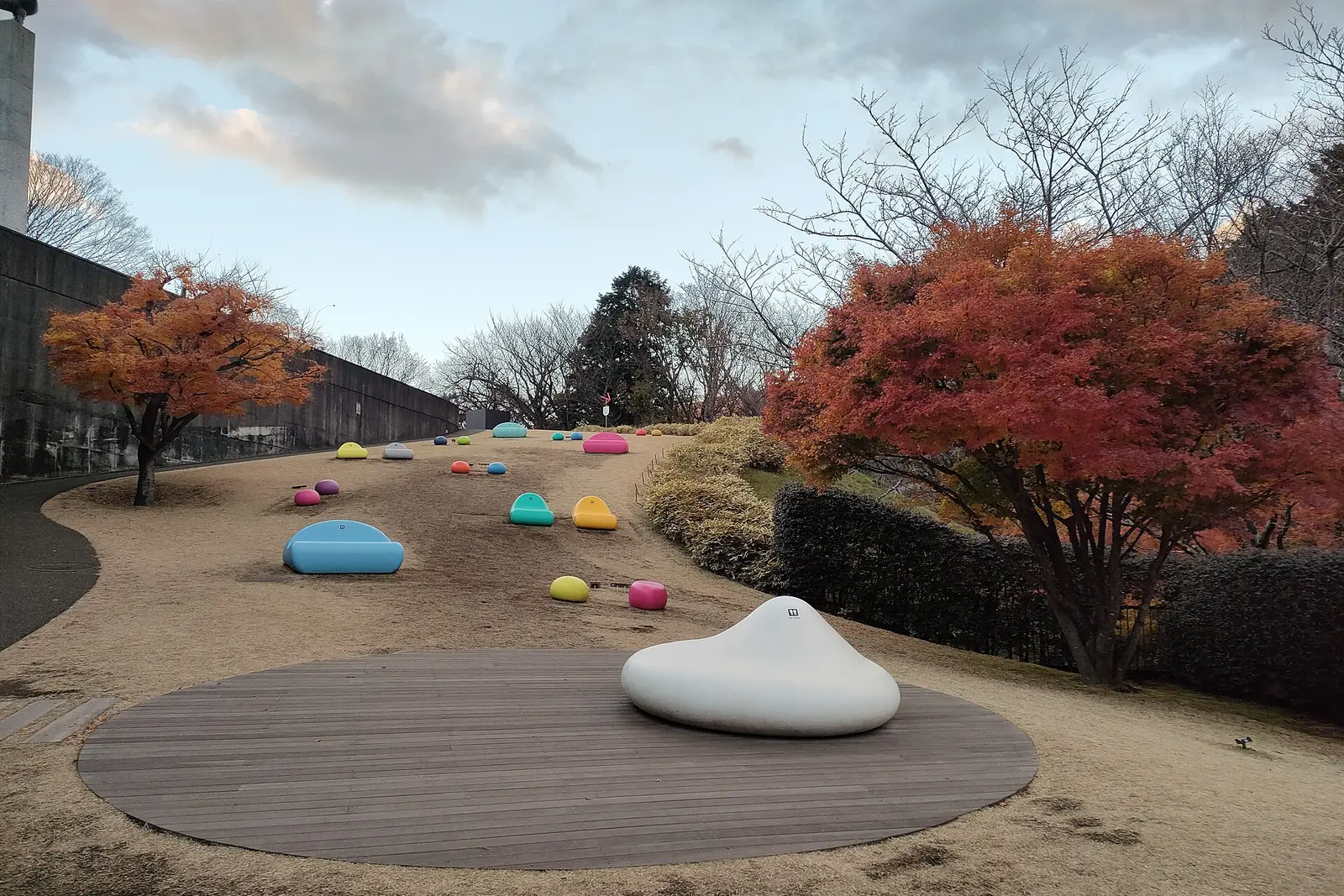
Hakone Open-Air Museum: Sculpture in the Mountains
About 120 sculptures on a mountain hillside, a Picasso collection, a climbable glass tower and a foot bath.