Destinations › Kanagawa › Hakone
Hakone Open-Air Museum: Sculpture in the Mountains
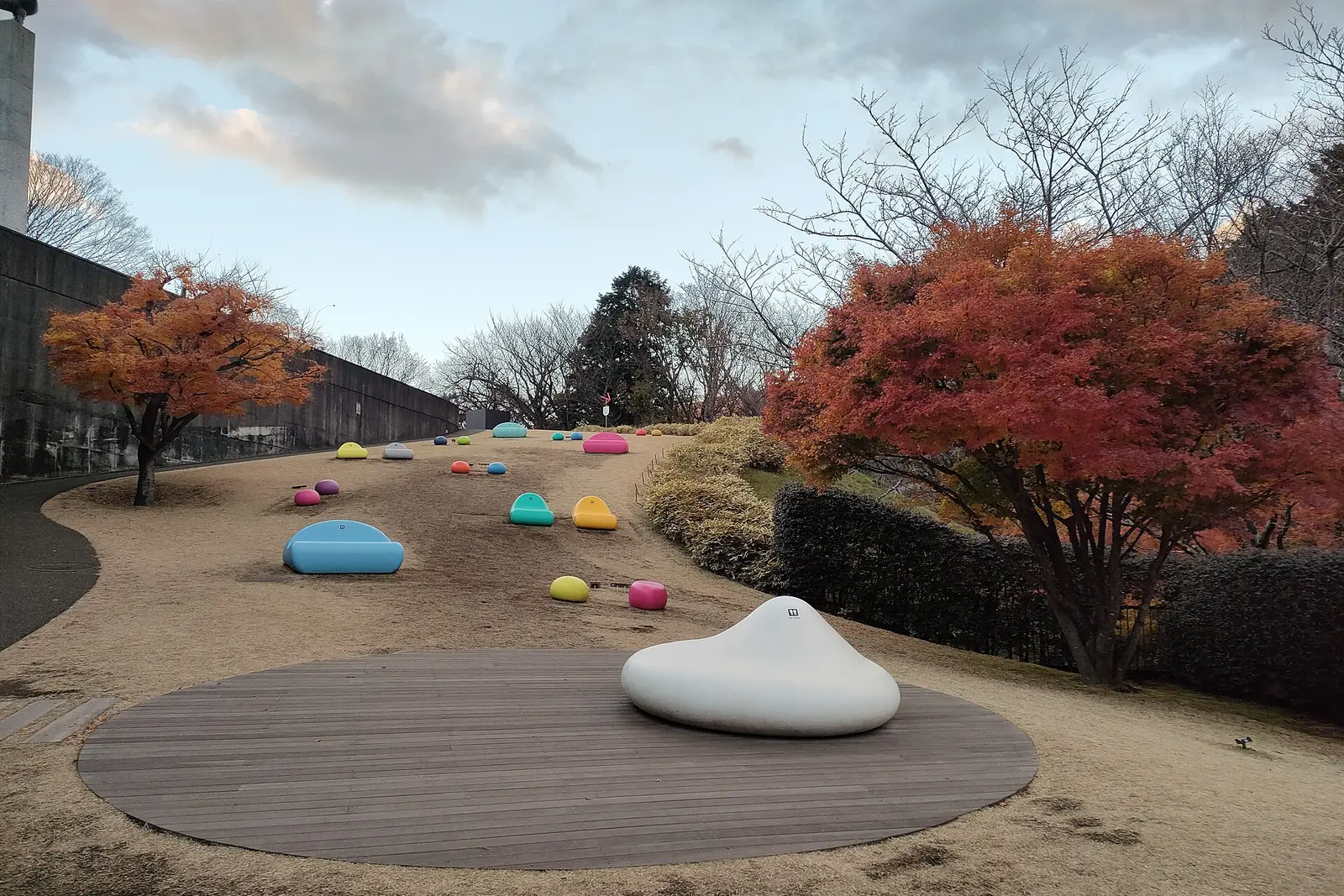
Most art museums keep their work indoors. At the Hakone Open-Air Museum, the sculptures stand on lawns and hillsides, with the mountains of Hakone behind them. You can walk between the works, sit on the grass, and finish with a hot foot bath.
What this museum is
The Hakone Open-Air Museum opened on August 1, 1969, and it is a museum of sculpture set in nature. The sculpture garden covers about 70,000 square meters and looks out over the mountains. About 120 works by leading modern and contemporary sculptors are on show, and the Henry Moore Collection was added in 1987.
It opened with the First International Exhibition of Modern Sculpture, and by 2010 it had welcomed a total of 30 million visitors. Since then it has kept adding halls and pavilions, so it is bigger than a quick stop on the way to somewhere else.
The museum is mainly about walking. You move from one work to the next across the lawns, with the view changing as you go.
The Symphonic Sculpture and Picasso
If you only have an hour, start here. The work that visitors talk about most is the Symphonic Sculpture, a tower by the French stained-glass artist Gabriel Loire. It is completely covered in stained glass, and the light coming through gives the inside a colored glow. You can go inside and climb a spiral staircase to a viewing platform at the top.
The Picasso Pavilion was completed in 1984 and renewed in 2019 for the museum's 50th anniversary. It has paintings, sculptures and ceramics by Pablo Picasso, spread over two floors.
Other things to do
There are several indoor halls with changing exhibitions, so what you see inside depends on the season. The Art Hall shows a masterpiece collection, and a Multi Hall has a permanent exhibition. For families, Woods of Net is a play area for children, though it is not open in poor weather. A soft play space called Zig Zag World is also popular with kids.
The Forest footbath, with natural spring water, is a good place to rest your feet in the afternoon, with a view of the forest. Cafés, a rest area called Log Plaza and a newer one called PockeT. give you somewhere to sit. Plan an hour at the least, and up to three if you like to stop at each work. A lot of the time goes on simply walking between them.
Tickets and hours
The museum is open every day from 9:00 to 17:00, and the last entry is 30 minutes before closing. Adults pay ¥2,000 at the gate or ¥1,800 if they buy online. University and high school students pay ¥1,600, or ¥1,400 online. Middle and elementary school students pay ¥800, or ¥600 online. Preschool children are free.
With a Hakone Freepass, you save a little on admission, and the pass also covers the train ride here. Opening hours and prices can change, so check the museum's website before you go.
How to get here
Take the Hakone Tozan Railway from Hakone-Yumoto Station to Chokoku-no-mori Station. It takes about 30 minutes and costs ¥460, and the Freepass covers it. The museum is a 2-minute walk from the station. It is the station just before Gora, the end of the line, so you can also walk here from Gora in 10 to 15 minutes.
By bus, take the H, J or Z line from Odawara Station or Hakone-Yumoto Station to the Ninotaira-iriguchi bus stop. From there, it is about 6 minutes' walk.
Nearby
The museum is on the train line to Gora, where the cable car and the ropeway to Owakudani begin. Some visitors spend the morning at the museum, and then ride up to Owakudani and across Lake Ashi in the afternoon. Hakone Shrine is on the lake, on the other side of the mountains.
More on Hakone
 HAKONE3 min read
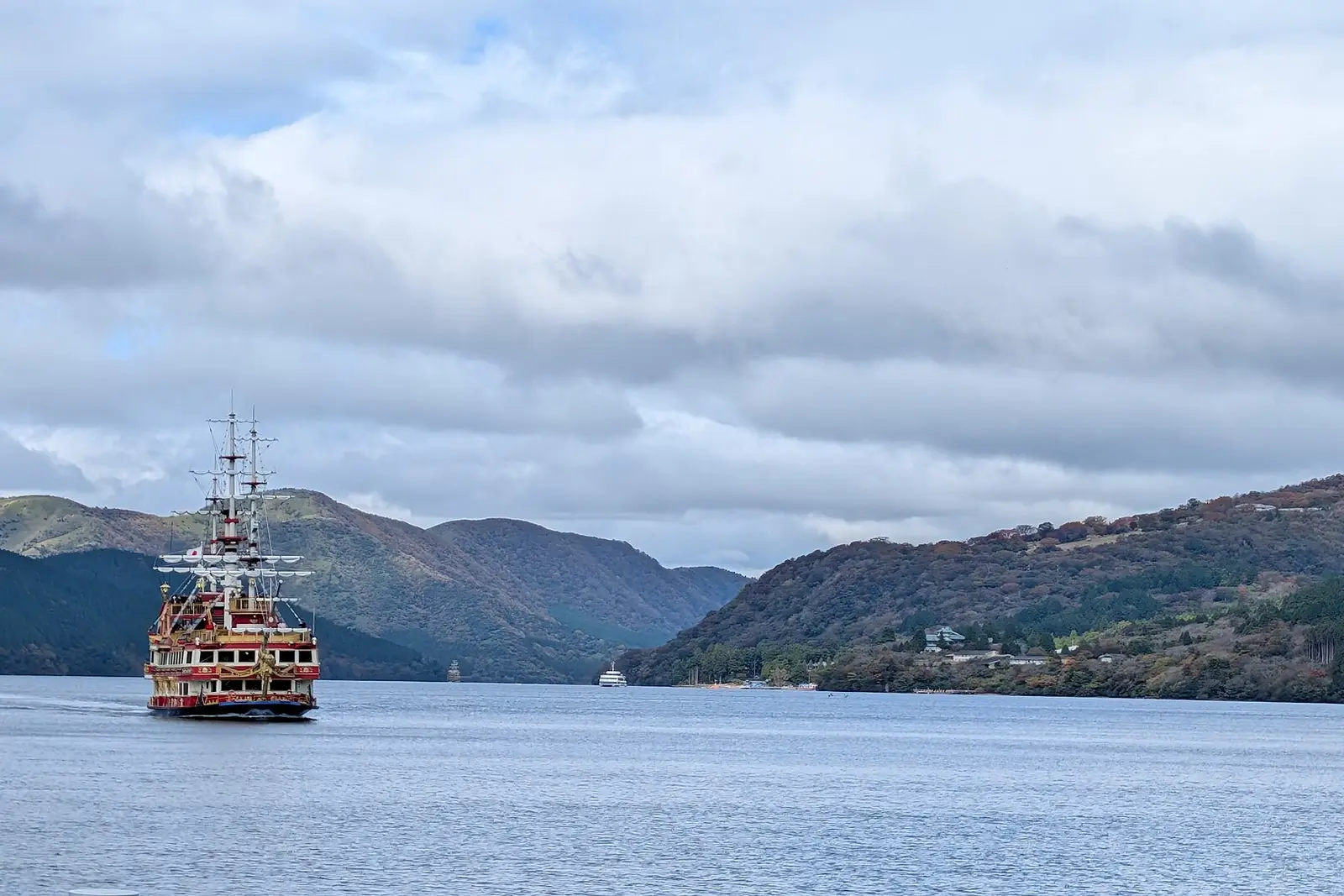
Lake Ashi Pirate Ship Cruise: Crossing Hakone's Lake
Pirate-themed ships that cross Hakone's crater lake in about 30 minutes, with Mount Fuji behind them on a clear day.
 HAKONE3 min read
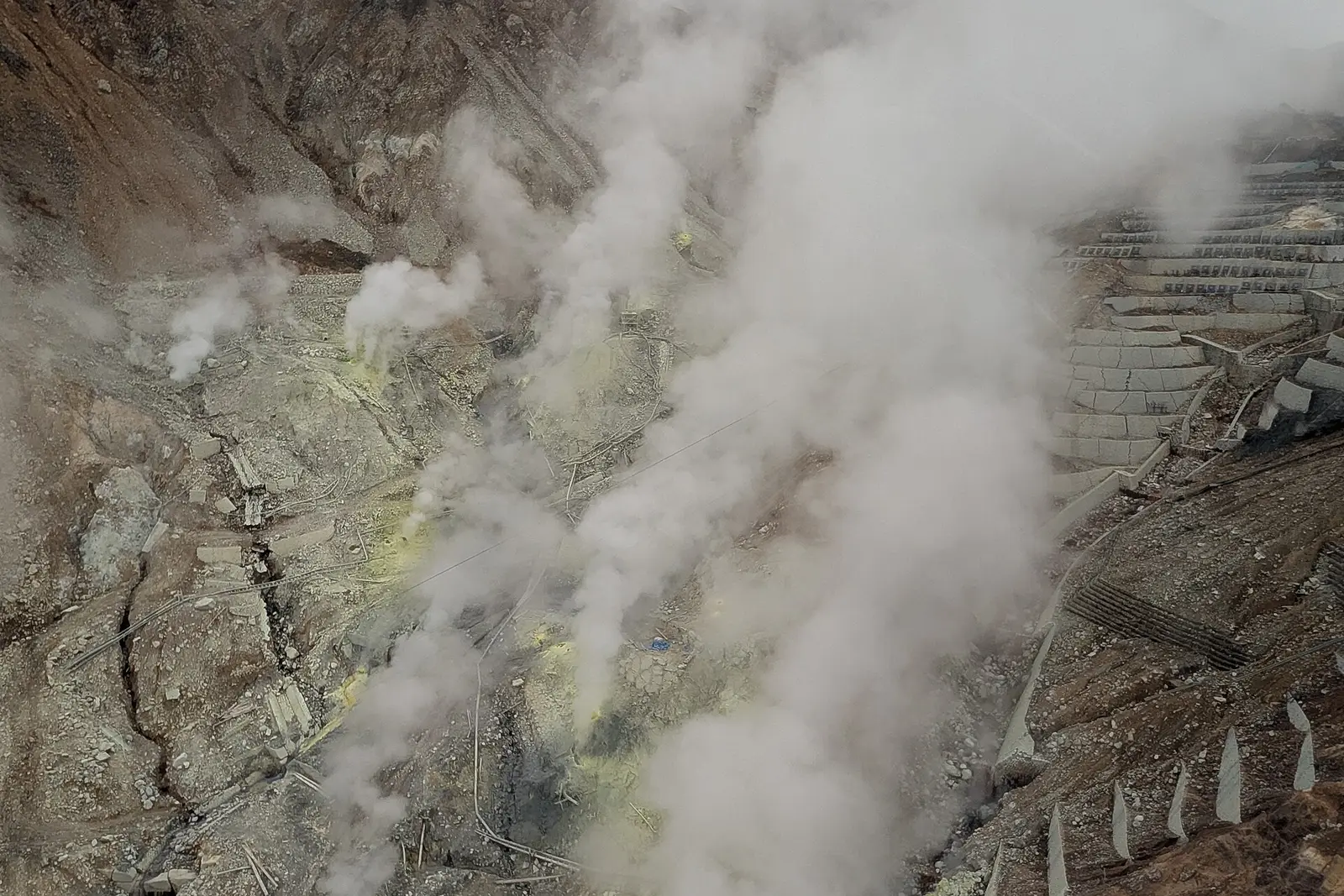
Owakudani: Hakone's Steaming Volcanic Valley
A smoking volcanic valley above Hakone, with a ropeway ride, a glass-floor deck and eggs cooked black in hot spring water.
 HAKONE3 min read
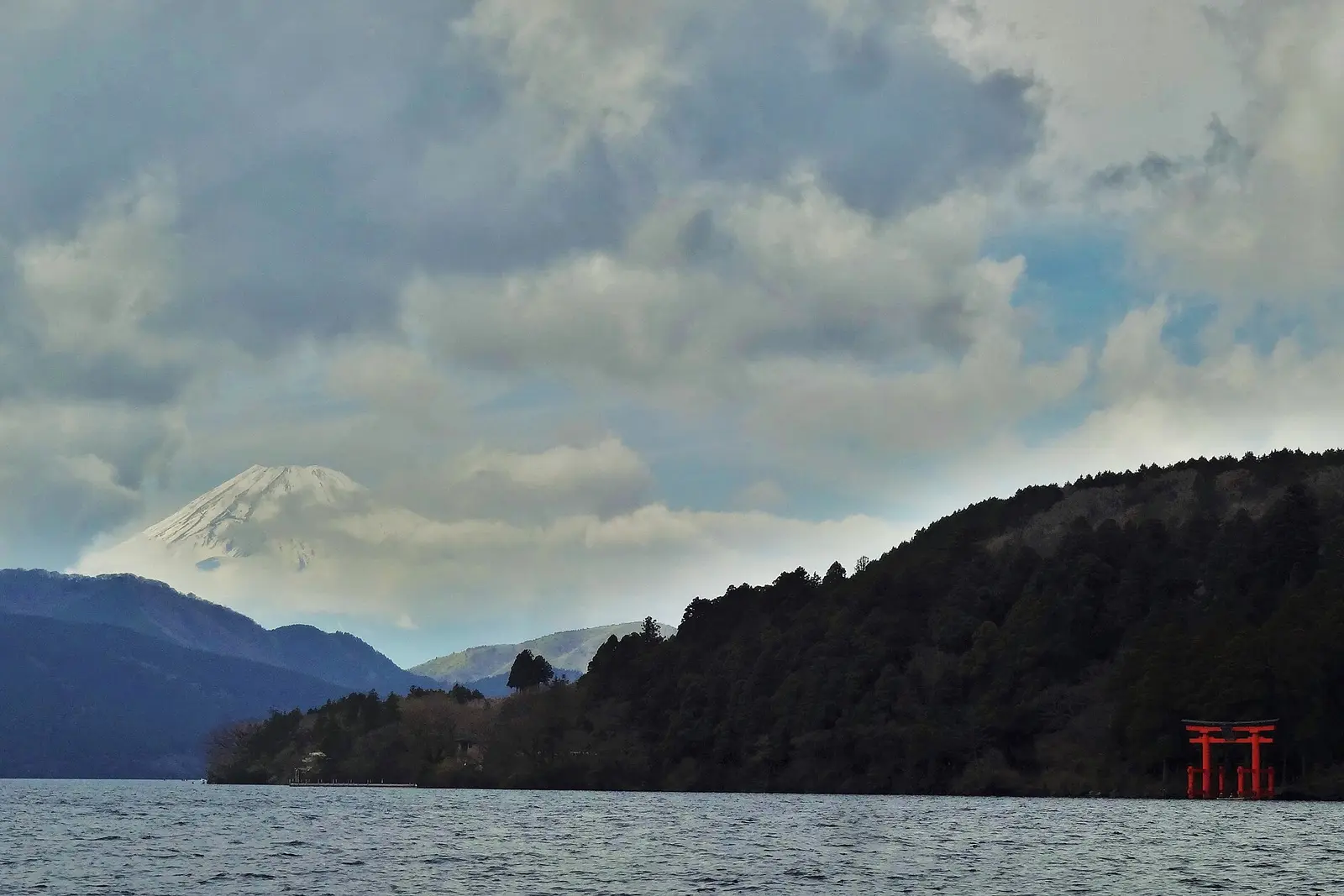
Hakone Shrine: The Red Torii on the Lake
A forest shrine on Lake Ashi with a red torii in the water, and a legend of a nine-headed dragon.