Destinations › Tokyo › Ikebukuro
Jiyu Gakuen Myonichikan: A Frank Lloyd Wright School in Ikebukuro
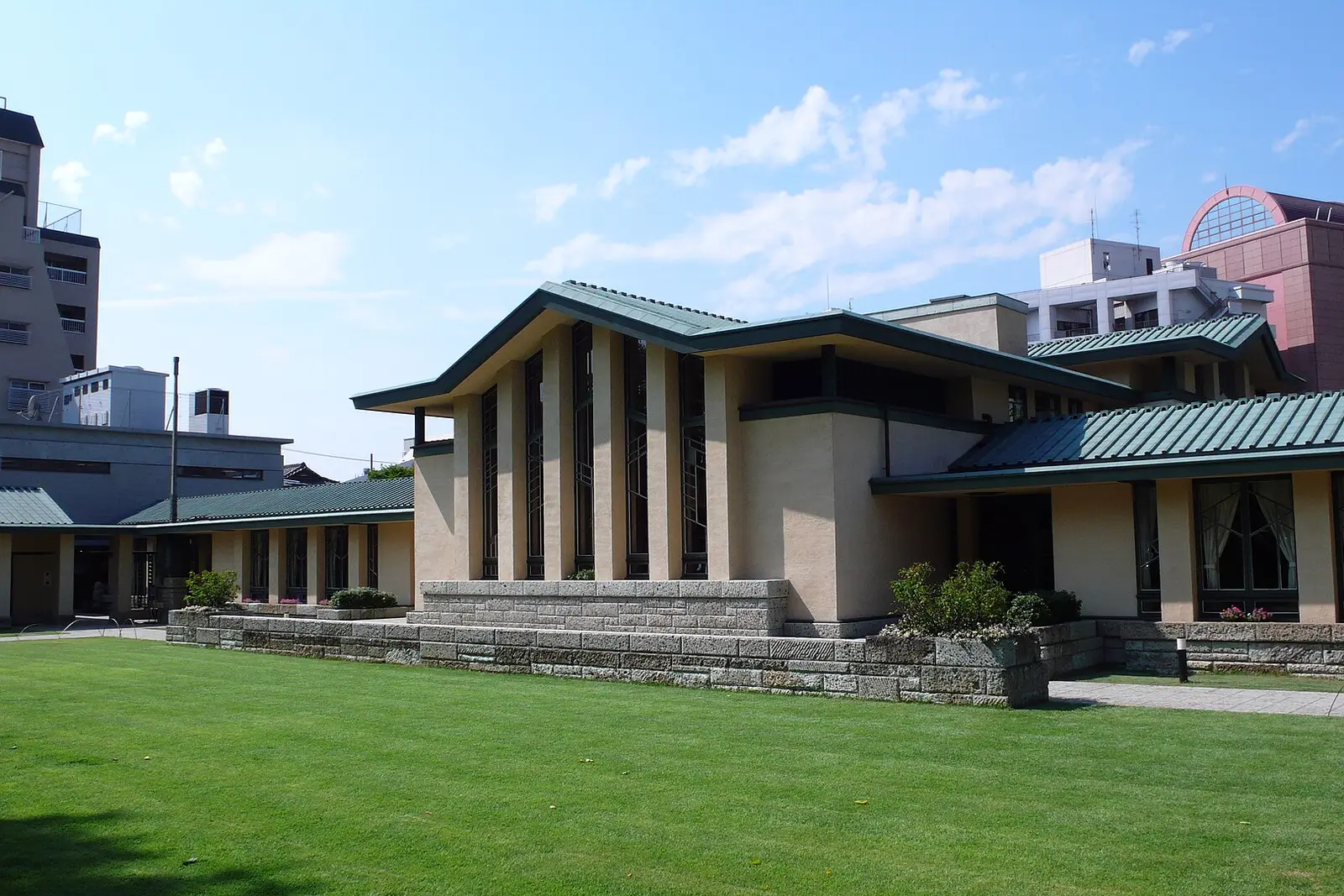
Five minutes from the crowds of Ikebukuro Station, there is a quiet lawn and a low wooden building with long, flat lines. It looks nothing like the towers around it. This is Jiyu Gakuen Myonichikan, a school designed by the American architect Frank Lloyd Wright.
A school for a new kind of education
Jiyu means freedom and gakuen means school. Jiyu Gakuen was started in 1921 by a married couple, Hani Motoko and Hani Yoshikazu. They wanted a school with a simple outside and good ideas inside it.
They asked Frank Lloyd Wright to design it. At the time, Wright was in Japan working on the Imperial Hotel in central Tokyo. His assistant, a Japanese architect named Arata Endo, was a friend of the couple and recommended him. The couple asked Wright to design the school in January 1921, and building took about three months.
What to look for
Wright designed the school around geometric patterns. The big window of the main hall looks out over the front garden and is called the building's "face." Instead of expensive stained glass, Wright used wooden frames and bars in repeating shapes, which keeps the cost down and still looks beautiful.
He also matched the furniture to the rooms. Round rooms have round furniture, and six-sided rooms have six-sided furniture. The chairs in the hall have six-sided backs with long, narrow slits, similar to a chair Wright made for the Imperial Hotel.
The dining hall sits in the center of the building. That was unusual for a school at the time. Originally, food was cooked in a kitchen below, and students passed it up the stairs. Today the kitchen is in a separate building.
A second building stands beside the first. The auditorium, which Endo designed himself, was finished in 1927 on the site of an old tennis court, because the central hall had become too small for the school. The school moved to a bigger campus in 1934, and the building was named Myonichikan then.
A building that was saved
The school building survived the 1923 Great Kanto Earthquake and the air raids of the Second World War. By the end of the 20th century it was in poor shape, and people argued over whether to save it or knock it down. It was named an Important Cultural Property in 1997. The central building was restored between 1999 and 2001, and the auditorium was repaired from 2015 to 2017. Today it is used for tours, events and weddings.
Visiting
The building is open from 10 am to 4 pm, with the last entry at 3:30 pm. It is closed on Mondays. If Monday is a national holiday, it closes the next day instead. It also closes over New Year, so check the calendar on the official site. Building tours cost ¥500. The tour with coffee or tea and a baked treat costs ¥1,000, and you enjoy it in the dining hall or the main hall. There is no regular cafe. Junior high students and younger enter free.
On regular tour days, a guided explanation starts at 2 pm and lasts about 50 minutes. On the third Friday of each month, the building opens from 6 pm to 9 pm for a night tour (¥1,200, including a drink), with an explanation at 7 pm. You do not need a reservation for either one. A small Frank Lloyd Wright exhibit is a few flights above the dining hall.
The building has many stairs, so check the accessibility page on the official site first. Food is not allowed inside, and you cannot film video or use tripods or selfie sticks. Please do not photograph people or unrelated objects.
Nearby
From the front gate, Ikebukuro Station is about five minutes away on foot. From there, Sunshine City and Otome Road are on the east side. Rikugien Garden and Zoshigaya Kishimojin are both a short ride from the station by train.
More on Ikebukuro
 IKEBUKURO3 min read
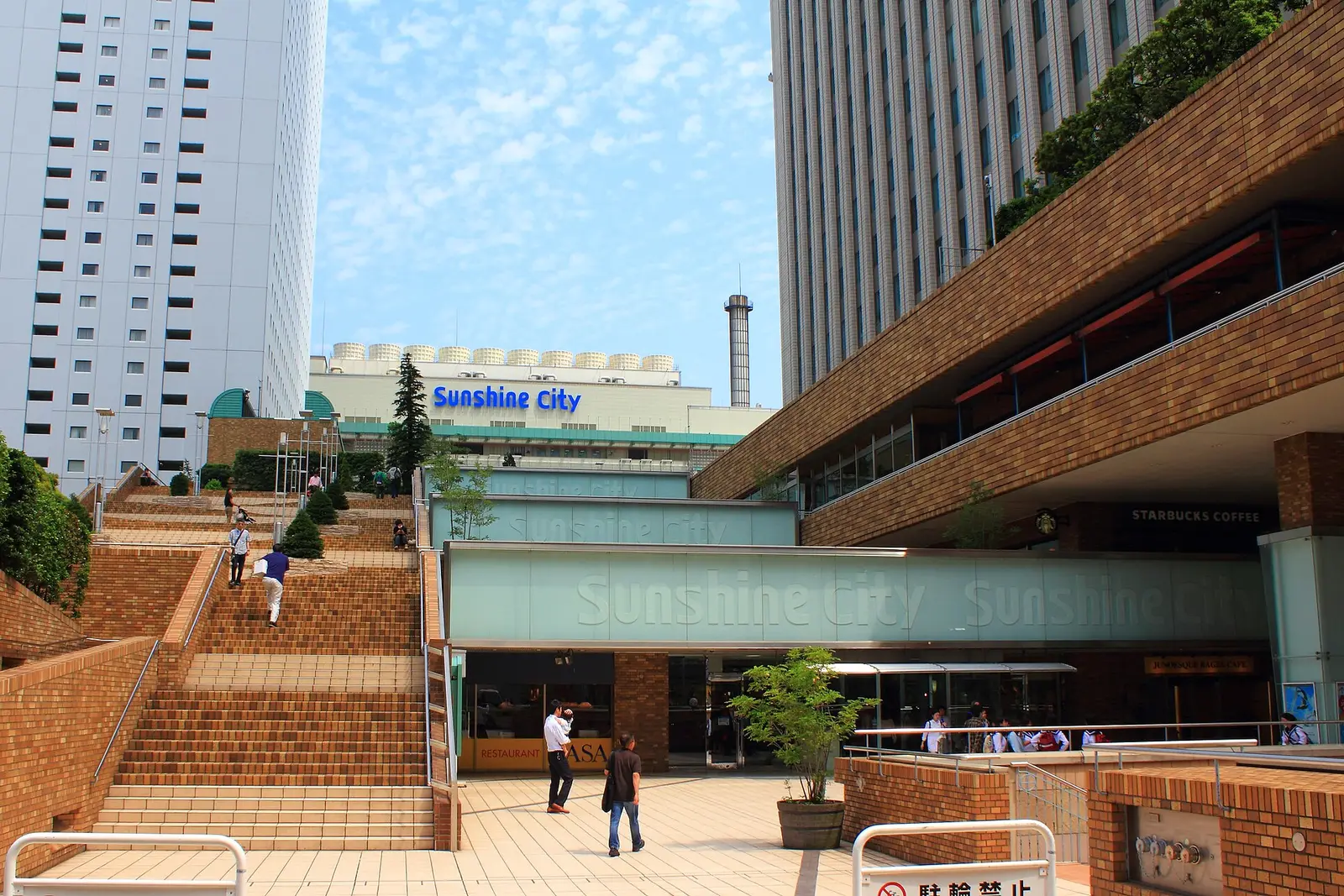
Sunshine City: Tower, Aquarium and Sky View in Ikebukuro
A tower, an aquarium and a sky-high lawn, all in one complex a short walk from Ikebukuro Station.
 IKEBUKURO3 min read
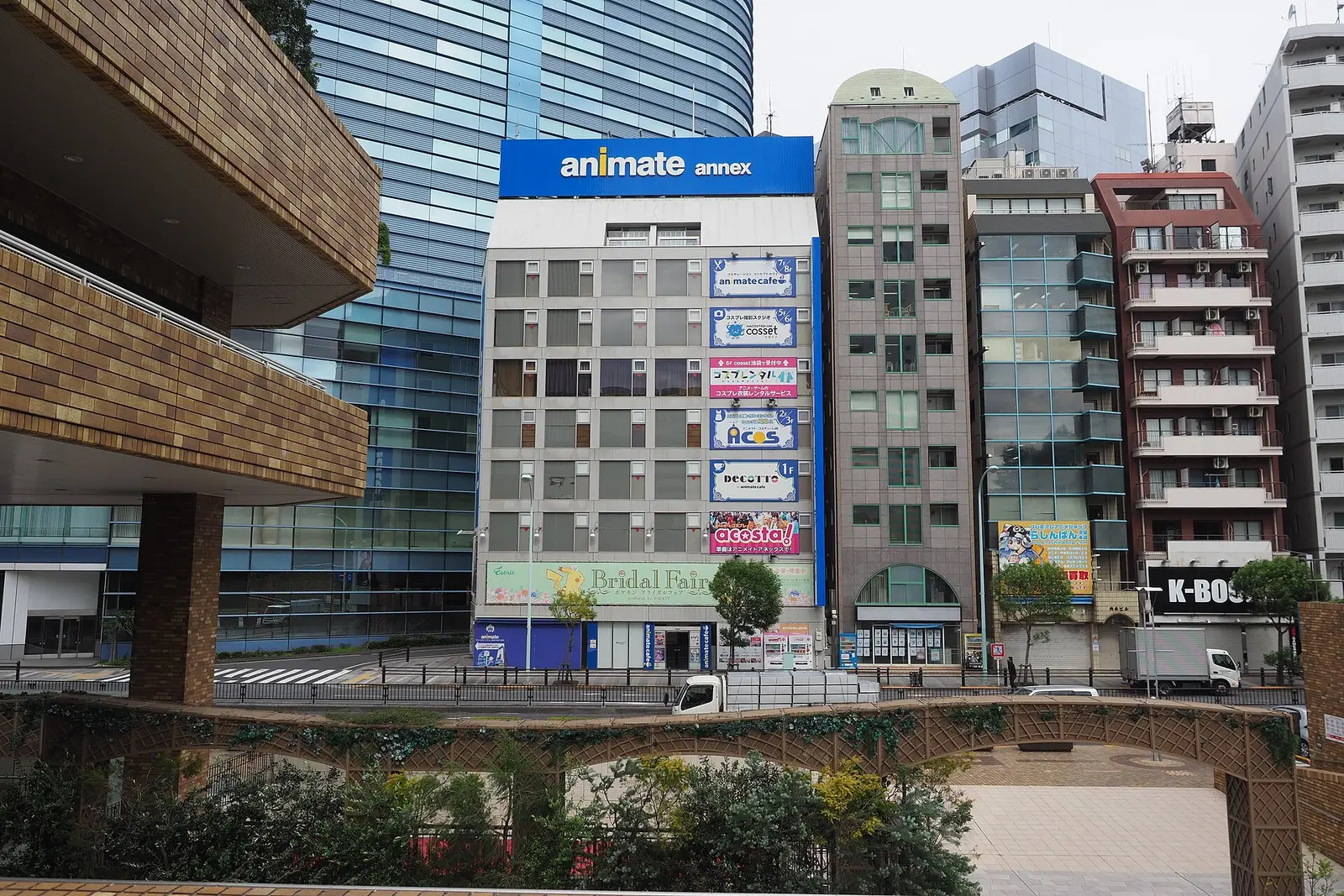
Otome Road: Ikebukuro's Street for Anime and Manga Fans
A short street of anime and manga stores built around women's fandom, five minutes from the station.
 IKEBUKURO3 min read
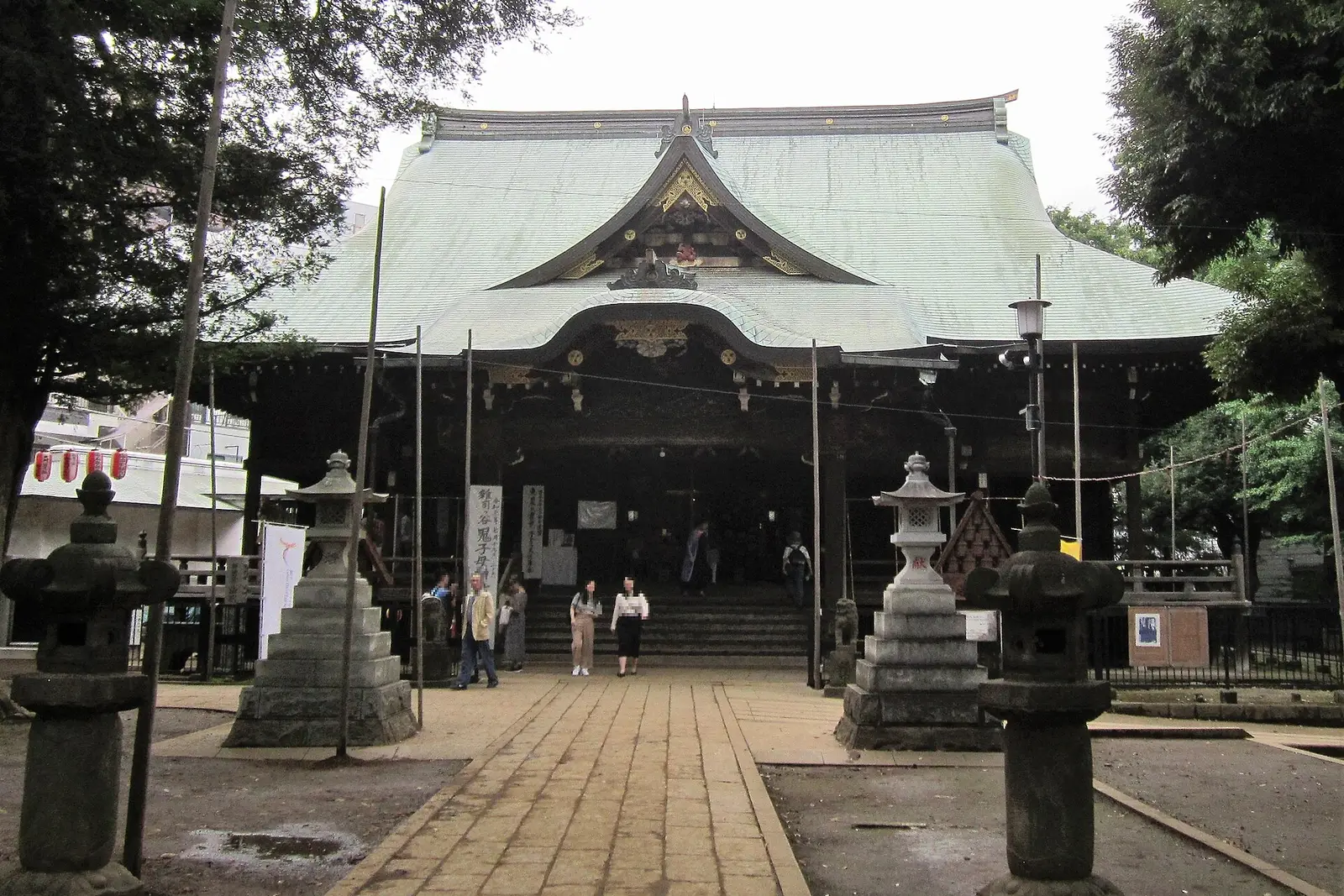
Zoshigaya Kishimojin: A Quiet Temple Near Ikebukuro
A small temple with a 700-year-old ginkgo tree, a tree-lined approach and the old streets of Zoshigaya around it.