Destinations › Tokyo › Ikebukuro
Zoshigaya Kishimojin: A Quiet Temple Near Ikebukuro
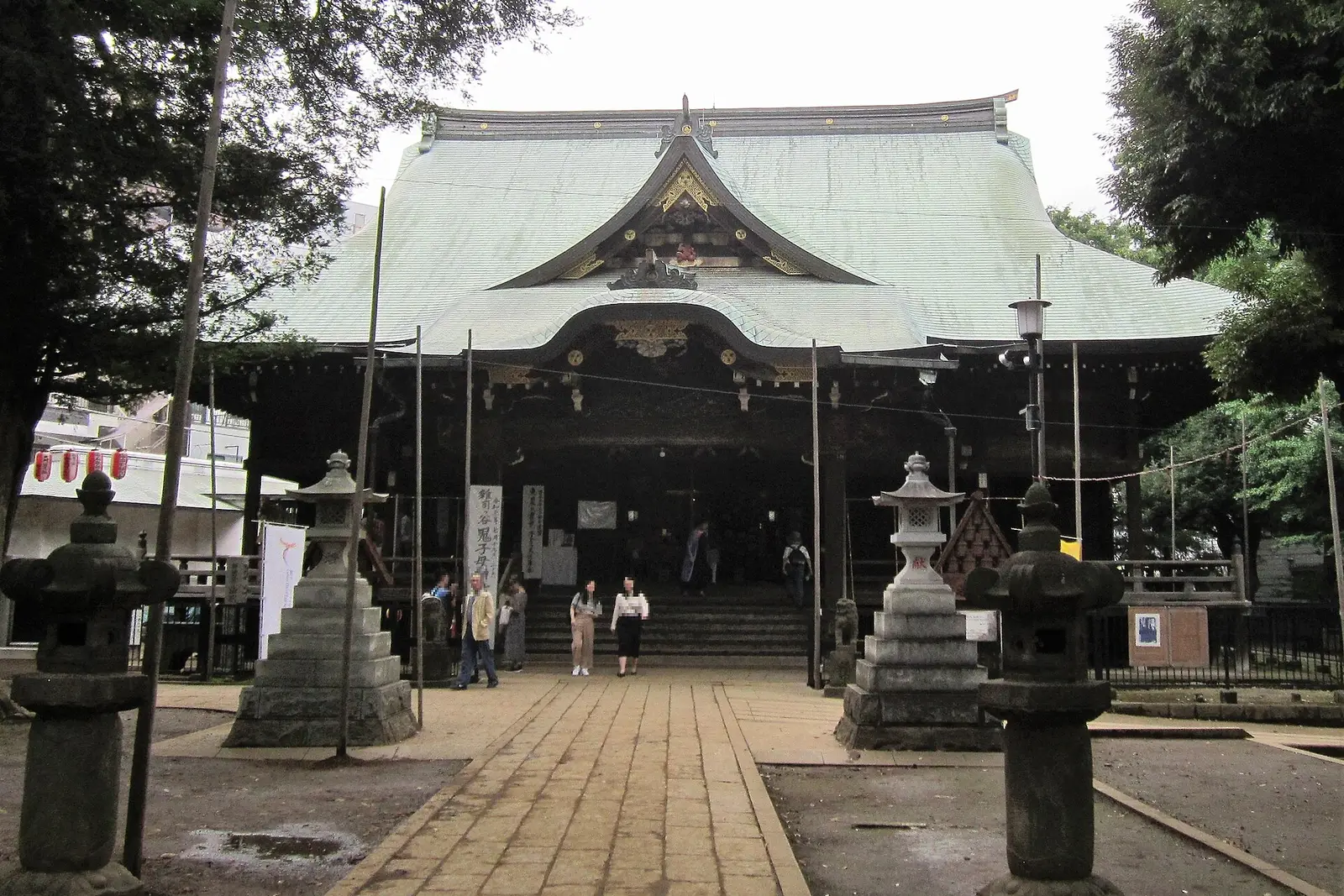
Ikebukuro is mostly glass, neon and shops. But a few minutes away by train, there is a temple hall from the 1600s, a ginkgo tree that is about 700 years old, and a street where a streetcar still runs. This is Zoshigaya Kishimojin, a neighborhood temple that is easy to miss.
The goddess of children
Kishimojin is a Buddhist goddess who protects children and helps women in childbirth. Her story starts in India, where she was said to be a demon mother. She stole other people's children to feed her own many children. The Buddha hid her youngest child, and when she felt the pain of losing him, she understood what she was doing to other mothers. She changed her ways and became a protector of all children.
In Japan she is worshipped especially in the Nichiren school of Buddhism. People come here to ask for safe births, healthy children and a safe home. You will notice that the first character in her name, 鬼 (oni), is written without the small horn at the top. The temple says it is formally written that way.
How the temple began
According to the temple, a statue of Kishimojin was found on a field path in 1561 by a retainer of the local lord, in what is now the Mejiro area. It was kept at a small temple connected to Homyoji, and in 1578 a hall was built for it. That is seen as the start of Zoshigaya Kishimojin. The temple belongs to Homyoji, a larger Nichiren temple.
The main hall you see now was built in 1664. It has a copper roof, lacquered rooms inside and a gold-leaf ceiling. It survived the Great Kanto Earthquake in 1923 and the Second World War. The hall was named a Tokyo cultural property in 1960 and a National Important Cultural Property on July 25, 2016.
What to see
The big ginkgo tree is a good place to start. It is about 700 years old, around 33 meters tall and about 11 meters around the trunk. People call it the "child-giving" ginkgo. In late autumn its leaves turn yellow.
The main hall holds votive paintings from the Edo period, including work by the artists Torii Kiyomitsu and Toriyama Sekien. Two large paintings are protected as Tokyo cultural properties. Look around the grounds for Takeyoshi Inari Hall, a small shrine to a god of grain and food, other small halls, stone guardian statues from the 1690s and a monument to Yamaoka Tesshu, a statesman of the Meiji era who helped Edo be handed over peacefully. Daikoku Hall has a shop that sells dango, a sweet rice dumpling snack, from 10 am to 4:30 pm.
Photos are not allowed inside the temple hall. The grounds are a place of worship, so keep your voice down.
The approach to the hall is lined with old zelkova trees. Tradition says they were planted in the Tensho era, from 1573 to 1592. Some are over 400 years old, and they are protected by the city of Tokyo. It is a pleasant, shady walk, especially in summer.
Festivals
The biggest event is the Oeshiki festival, held for three days from October 16 to 18. There are drums and food stalls, and the cherry trees are lit up in the evening. New Year visits run from January 1 to 7, and a summer market is held on July 6 to 8.
Getting there
From Ikebukuro Station it is a short ride on the Fukutoshin Line to Zoshigaya Station. Take Exit 1, then walk for about 5 minutes. You can also take the Tokyo Sakura Tram, the Toden Arakawa Line, to Kishimojin-mae. It is a nice ride on one of the last streetcar lines in Tokyo. If you like to walk, the temple is about 15 minutes from Ikebukuro's East Exit.
Nearby
The temple pairs well with a morning at Jiyu Gakuen Myonichikan or an afternoon at Sunshine City. Rikugien Garden is a short train ride away.
More on Ikebukuro
 IKEBUKURO3 min read
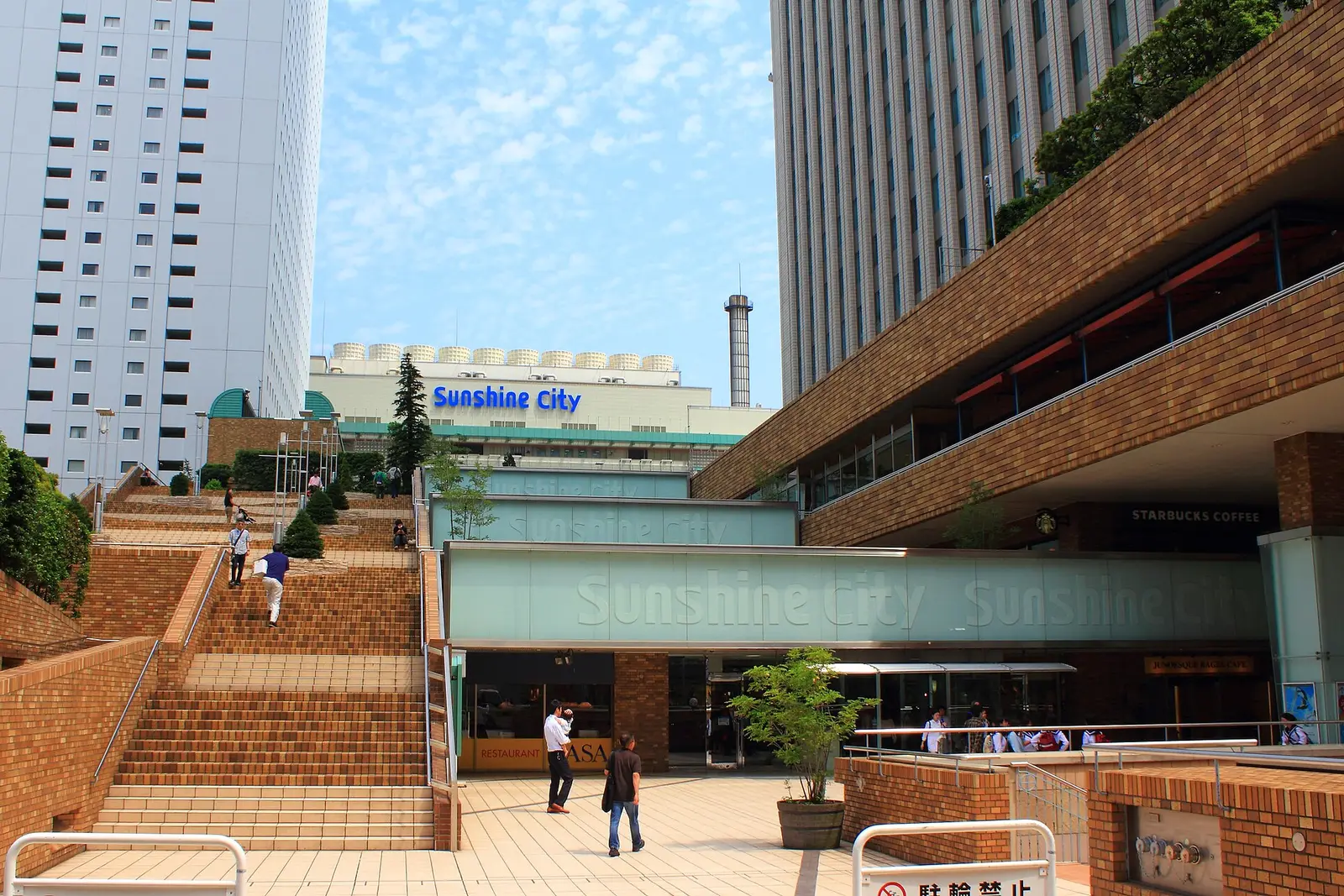
Sunshine City: Tower, Aquarium and Sky View in Ikebukuro
A tower, an aquarium and a sky-high lawn, all in one complex a short walk from Ikebukuro Station.
 IKEBUKURO3 min read
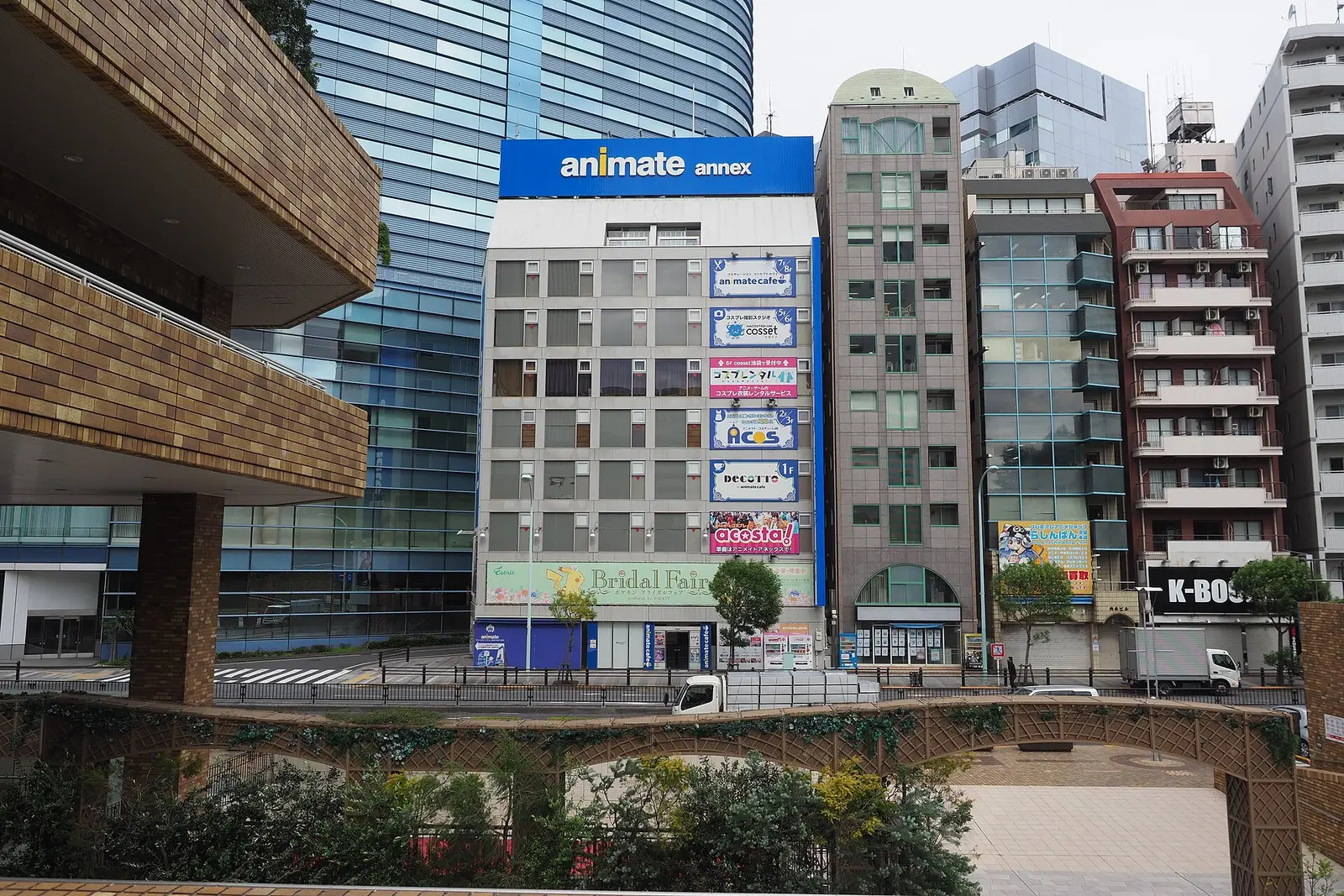
Otome Road: Ikebukuro's Street for Anime and Manga Fans
A short street of anime and manga stores built around women's fandom, five minutes from the station.
 IKEBUKURO3 min read
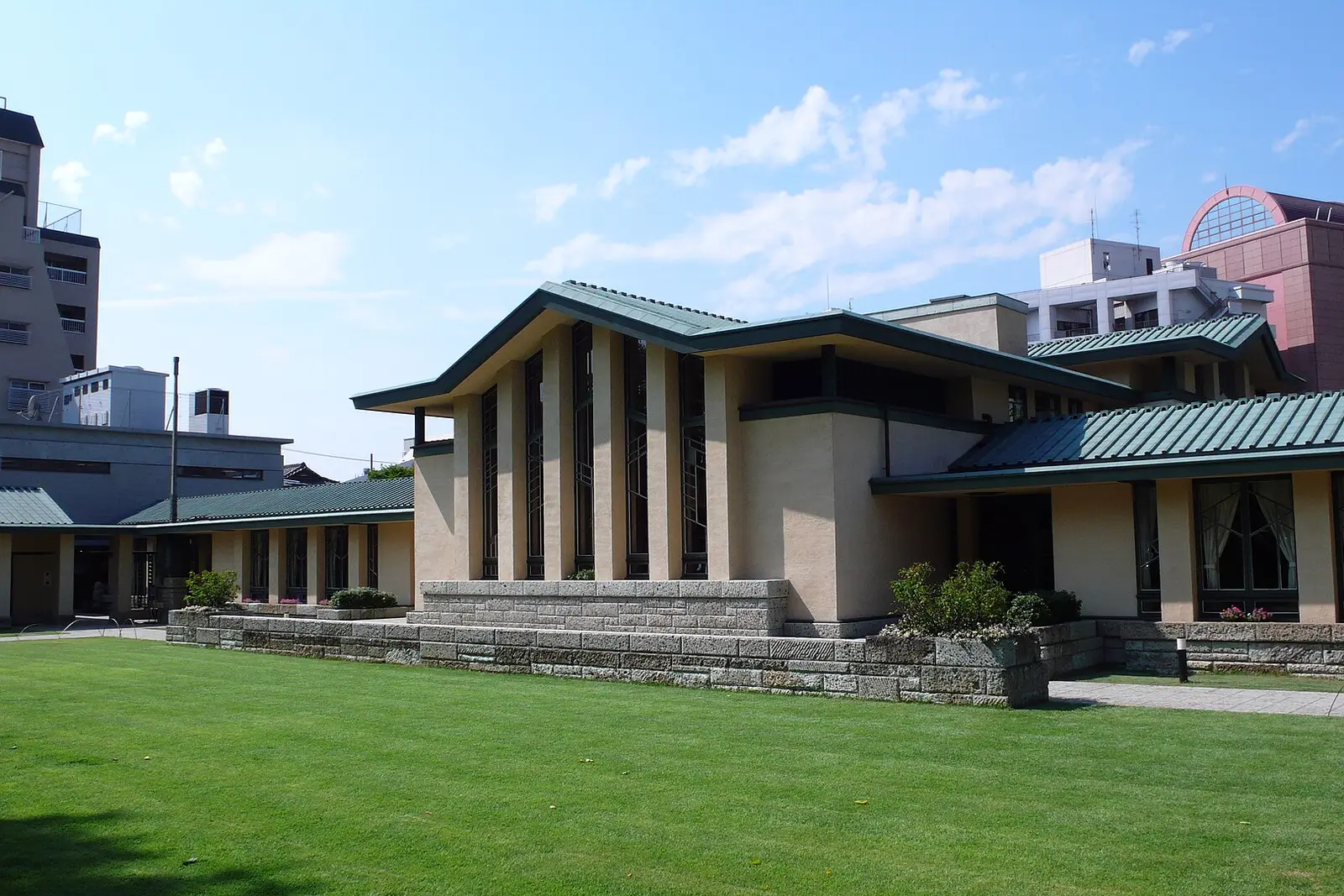
Jiyu Gakuen Myonichikan: A Frank Lloyd Wright School in Ikebukuro
A calm 1921 school building designed by Frank Lloyd Wright, five minutes from busy Ikebukuro Station.