Destinations › Tokyo › Ikebukuro
Rikugien: A Classic Japanese Garden Near Ikebukuro
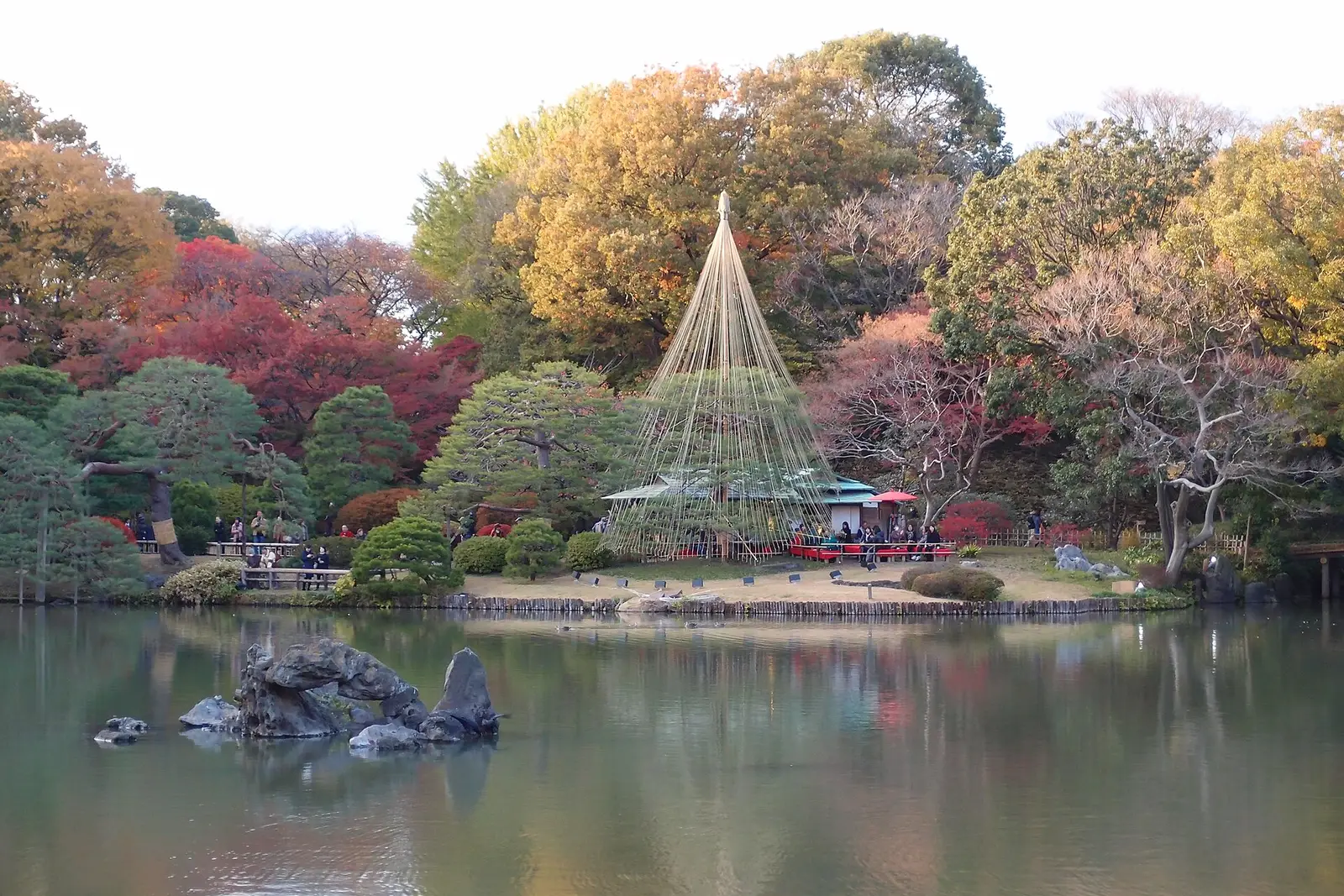
Tokyo has many gardens, but Rikugien is one of the best for a slow walk. A lord built it more than 300 years ago to bring the scenes of famous poems to life. Today it is quiet, green and only a few train stops from Ikebukuro.
A garden made from poems
Rikugien was created in 1702 by Yanagisawa Yoshiyasu, a trusted adviser to the shogun Tokugawa Tsunayoshi. He built it around a theme from waka, a short form of Japanese poetry. Some of the spots in the garden are named after old poems.
The name is a hint. It points to a way of sorting Chinese poetry into six categories, and Japanese waka were sorted in a similar way. The garden is a "strolling garden." That means you are meant to walk around a pond and enjoy new views from each turn of the path.
After the Edo period, Iwasaki Yataro, who founded the company Mitsubishi, used it as a second home. The Iwasaki family gave the garden to the city of Tokyo in 1938, and it opened to the public that October. In 1953 it was named a Special Place of Scenic Beauty. It covers about 88,000 square meters.
What to see
Just past the entrance gate, a weeping cherry tree hangs down like a waterfall. Its pale pink flowers are at their best at the end of March.
The pond is the center of the garden. A good place to start is Deshio-no-minato, a spot on the shore where you can see several of the garden's highlights at once. On the island in the middle, two small hills are said to represent the two gods from Japan's creation myth. A small stone island, Horaijima, sits in the pond. The stone bridge, Togetsukyo, is made from two large slabs of stone and is named after a poem about the moon.
Tsutsuji-no-chaya is a teahouse from the Meiji era, built with old trees. It looks best in autumn, when the maples around it turn red. Takimi-no-chaya is another teahouse, near a small stream, where you can hear falling water and see a large rock called Sleeping Dragon Rock.
Seasons
Spring brings cherry blossoms, and autumn brings the red maples. Autumn is the most popular time. In 2026, the garden opens in the evening from November 25 to December 6, for a special night viewing with lights. The garden closes at 5 pm and reopens from 6 pm to 8:30 pm, with last entry at 7:30 pm. The evening ticket is separate. It costs ¥1,000 in advance online or ¥1,200 on the day. The lights shine on the autumn leaves, and there is projection mapping on an old storehouse and in the bamboo grove. You can also get matcha tea and Japanese sweets at the teahouses. Dates change every year, so check the official site.
Visiting tips
The garden is open from 9 am to 5 pm, with last entry at 4:30 pm. It closes only from December 29 to January 1. General admission is ¥300, and ¥150 for visitors aged 65 and over.
Large coin lockers near the entrance can hold suitcases. You need a 100-yen coin, and it comes back when you open the locker. Paths can be narrow and uneven, so wear comfortable shoes.
Getting there
From Ikebukuro Station, take the JR Yamanote Line to Komagome Station. It is a short ride. Leave by the South Exit and walk about 7 minutes. If you use the Namboku Line, take Exit 2 for the same 7-minute walk. Sengoku Station on the Toei Mita Line is about 10 minutes on foot, from Exit A3.
Nearby
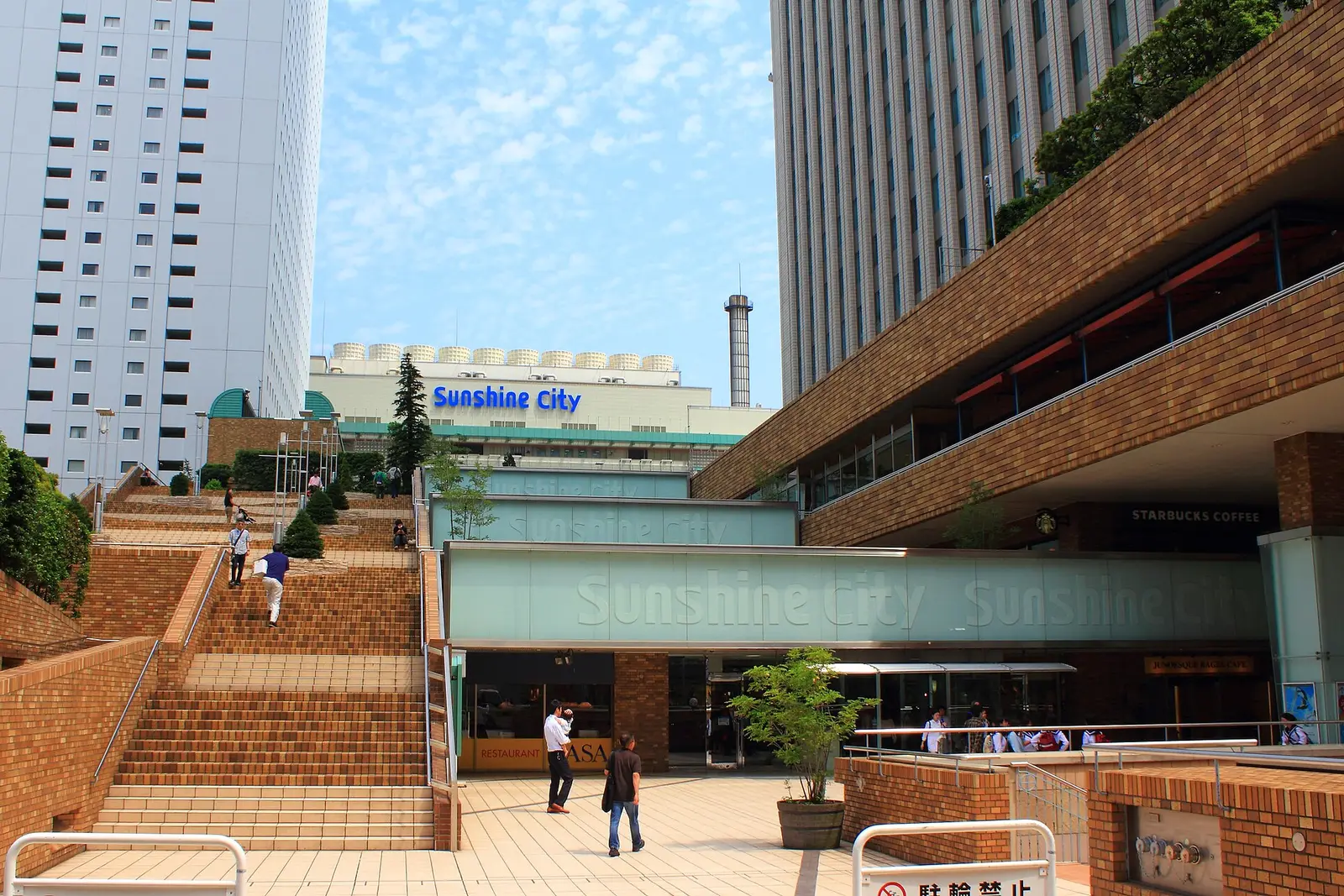
Ikebukuro is the easiest base for this part of Tokyo. Zoshigaya Kishimojin and Jiyu Gakuen Myonichikan are both within reach of the station, and Sunshine City is a good way to end a day after the garden.
More on Ikebukuro
 IKEBUKURO3 min read
Sunshine City: Tower, Aquarium and Sky View in Ikebukuro
A tower, an aquarium and a sky-high lawn, all in one complex a short walk from Ikebukuro Station.
 IKEBUKURO3 min read
Otome Road: Ikebukuro's Street for Anime and Manga Fans
A short street of anime and manga stores built around women's fandom, five minutes from the station.
 IKEBUKURO3 min read
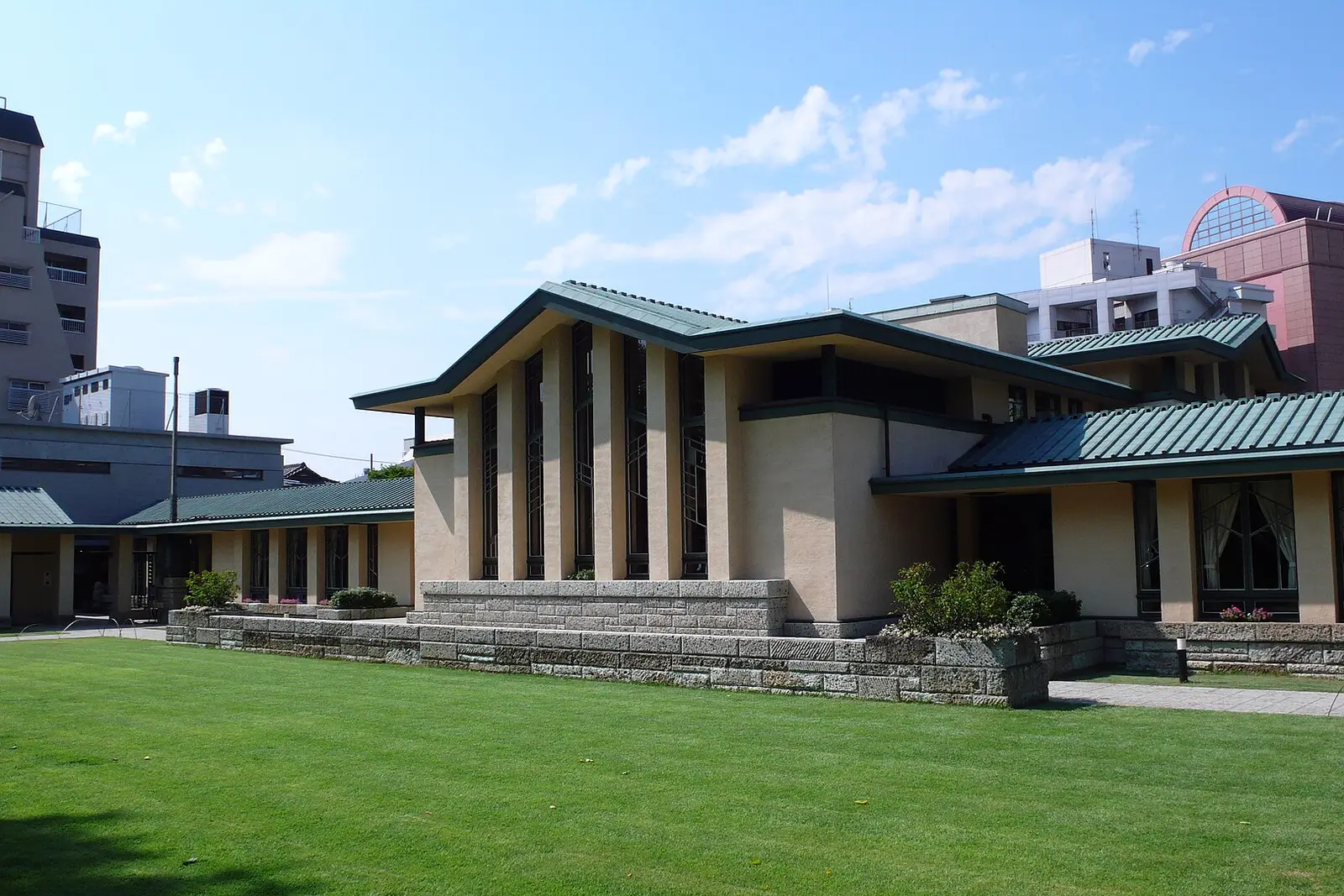
Jiyu Gakuen Myonichikan: A Frank Lloyd Wright School in Ikebukuro
A calm 1921 school building designed by Frank Lloyd Wright, five minutes from busy Ikebukuro Station.