Destinations › Hyogo › Kobe
Kitano Ijinkan: Kobe's Old Foreign Houses
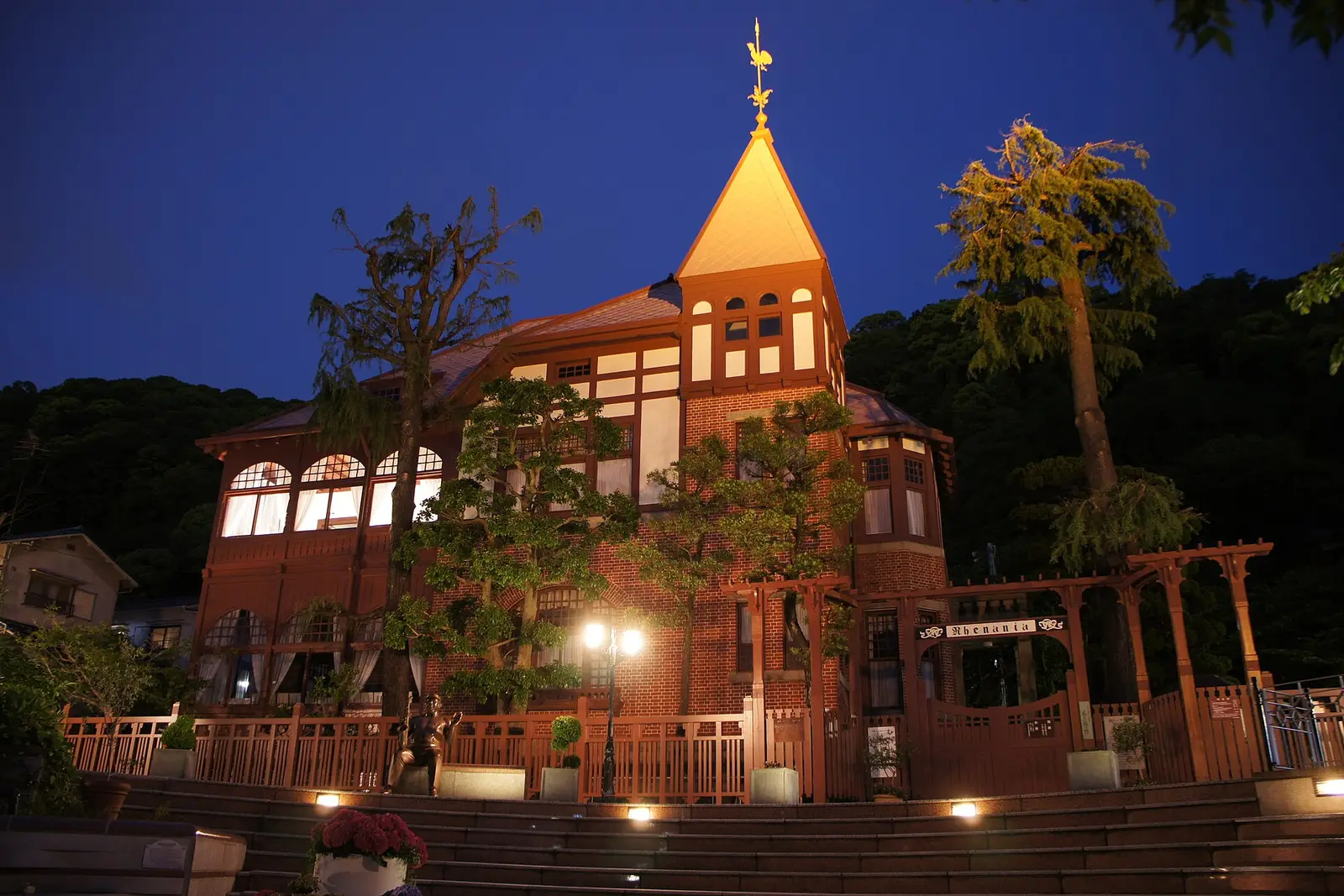
When Kobe opened its port to the world, foreign traders built homes on the hillside above it. Many of those homes are still standing. Kitano Ijinkan is the part of Kobe where you can walk from a German house to an American one in a few minutes.
Why are there foreign houses in Kobe?
Kobe's port opened to foreign trade in 1868. Merchants and diplomats from Europe and America arrived soon after, and many chose to live on the hillside, away from the busy docks. They built houses in their own styles, with bay windows, steeples and wooden staircases.
Ijinkan means "foreigners' houses." Today about a dozen of them are open to visitors in the Kitano district, and the streets between them are part of the fun. The area is only a 10 to 15 minute walk from the center of Kobe, so it is easy to add to a day in the city.
Weathercock House
This is the one most visitors go to first. It was built in 1909 as the home of a German trader named G. Thomas, and it is named for the weathercock, a metal rooster, on top of its tower. It is a nationally designated Important Cultural Property.
The house is open from 9 am to 5 pm, and entry is ¥500. It is closed on the third Tuesday of each month.
Moegi House
A short walk away, Moegi House was built in 1903 as the home of the United States Consul-General. It is a two-story wooden house with two bay windows, a staircase decorated with curling arabesque patterns, and a heavy fireplace mantel. From the veranda on the second floor you can see across central Kobe.
It is open from 9 am to 5 pm, with the last entry at 4:45 pm, and costs ¥500. It is closed on the third Wednesday of February and the day after.
Other houses worth a look
Yamate Hachiban-kan, a house with three small steeples, holds a small collection of art, including sculptures by Rodin and Bourdelle and old prints by Rembrandt and Dürer. It is open every day of the year, from 9 am to 6 pm from April to September and 9:30 am to 5 pm from October to March. Entry is ¥550.
Rhine House, built in 1915, is a wooden house that looks at the district's history and at the 1995 earthquake. Its official page notes that it has been closed for maintenance, so check before you go.
The district also has the English House, French House, Uroko House with its small museum, and Ben's House. For something different, there is the Kobe Kitano Museum and a trick-art house called the Mysterious Consulate. The official site also lists shops and places to eat along the lanes, so you can stop for a drink between houses.
At Weathercock House and Moegi House, entry is free for high school students and younger children, which helps if you are traveling with a family.
How to plan your visit
You do not need to see all twelve houses. Pick three or four, and mix a big name with a smaller one. Each house sets its own hours and closing days. Weathercock House, for example, is closed on the third Tuesday of the month, so check the official site before you go.
Wear comfortable shoes, because the houses are spread out between lanes and you will do a lot of walking. A weekday morning is the calmest time.
Prices are for each house separately. If you want to keep costs down, choose one paid house and spend the rest of your time walking the streets and looking at the buildings from outside.
Nearby
Nankinmachi, Kobe's Chinatown, is a good place for lunch after you come down the hill. From Kitano you can also reach the Nunobiki Herb Gardens, a ropeway ride up from Shin-Kobe Station.
More on Kobe
 KOBE3 min read
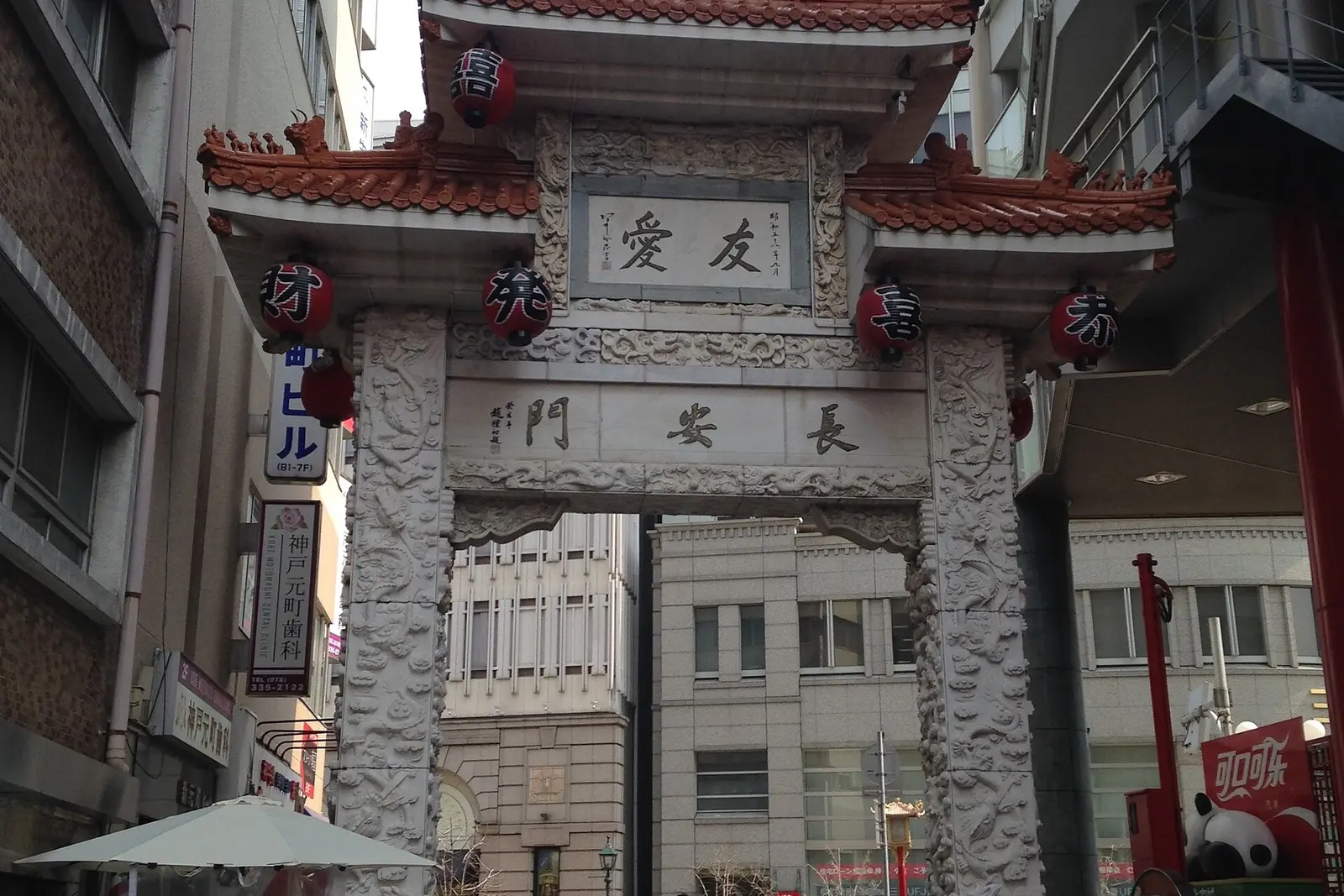
Nankinmachi: Kobe's Chinatown
A small, busy Chinatown of red gates and street snacks, a few minutes from Motomachi Station.
 KOBE3 min read
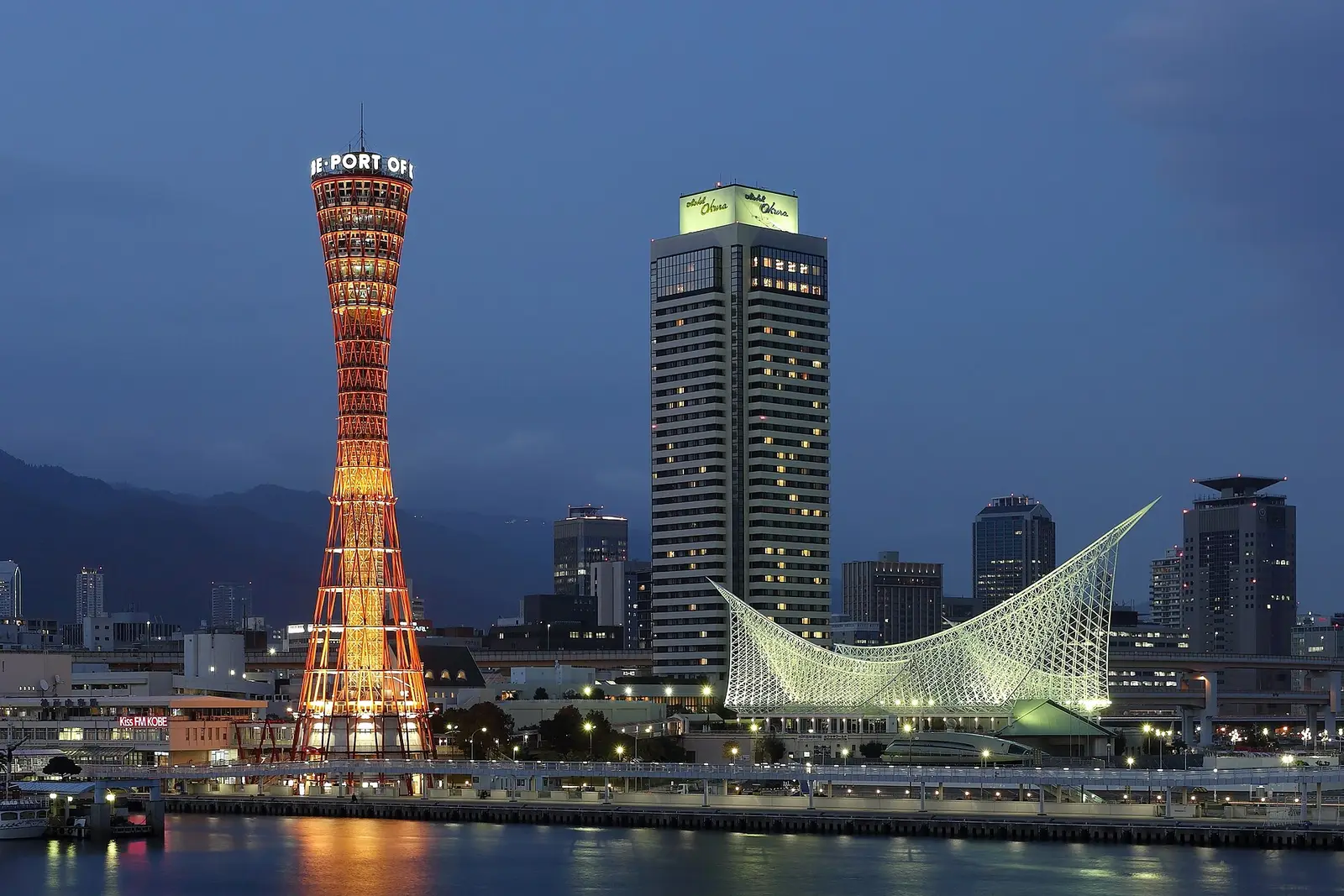
Meriken Park and Kobe Port Tower
Kobe's waterfront park, with the red Port Tower, a maritime museum and a memorial, best at night.
 KOBE3 min read
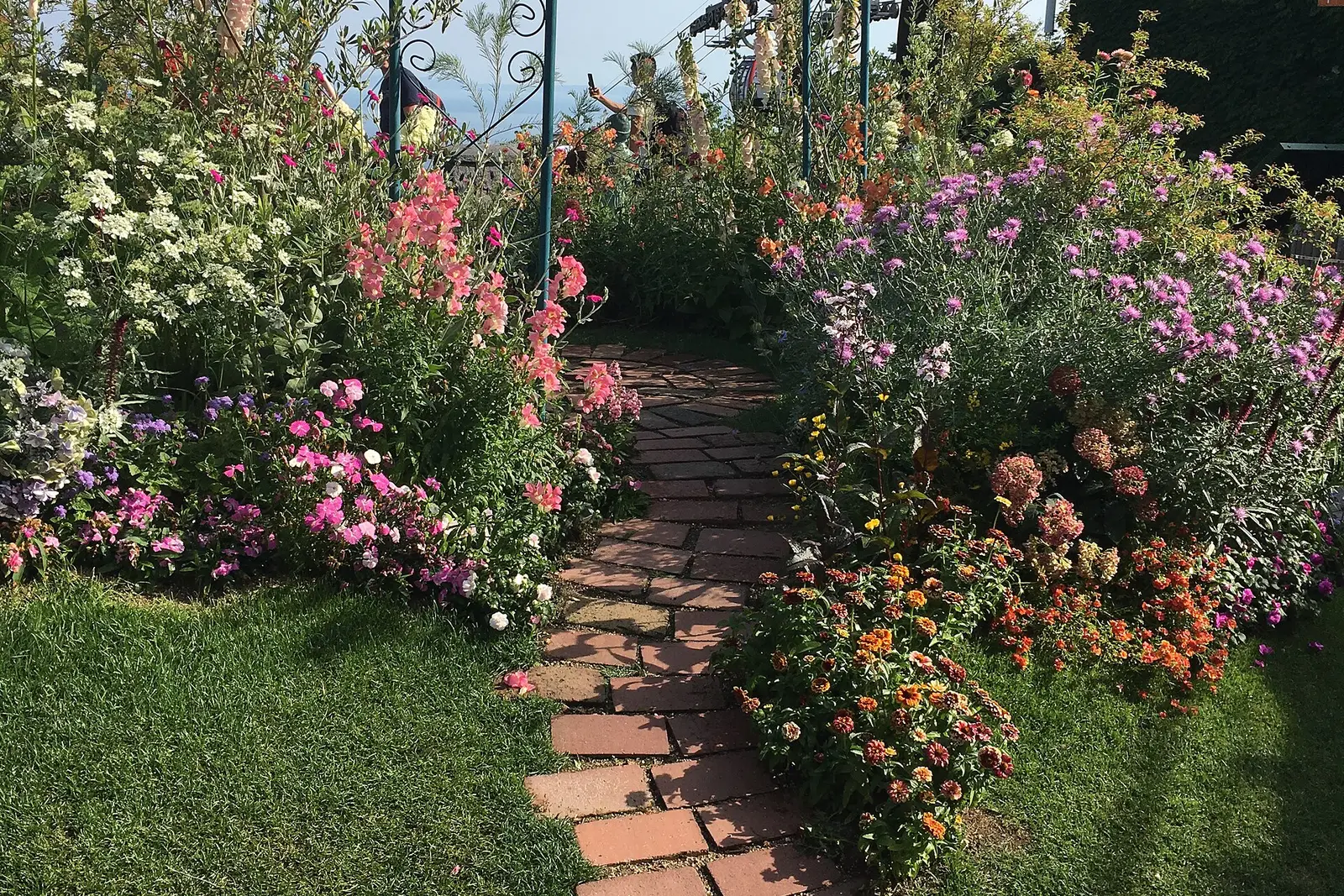
Nunobiki Herb Gardens: A Ropeway Above Kobe
A ten-minute ropeway ride from Shin-Kobe Station to Japan's largest herb gardens and a view over the city.