Destinations › Hyogo › Kobe
Nankinmachi: Kobe's Chinatown
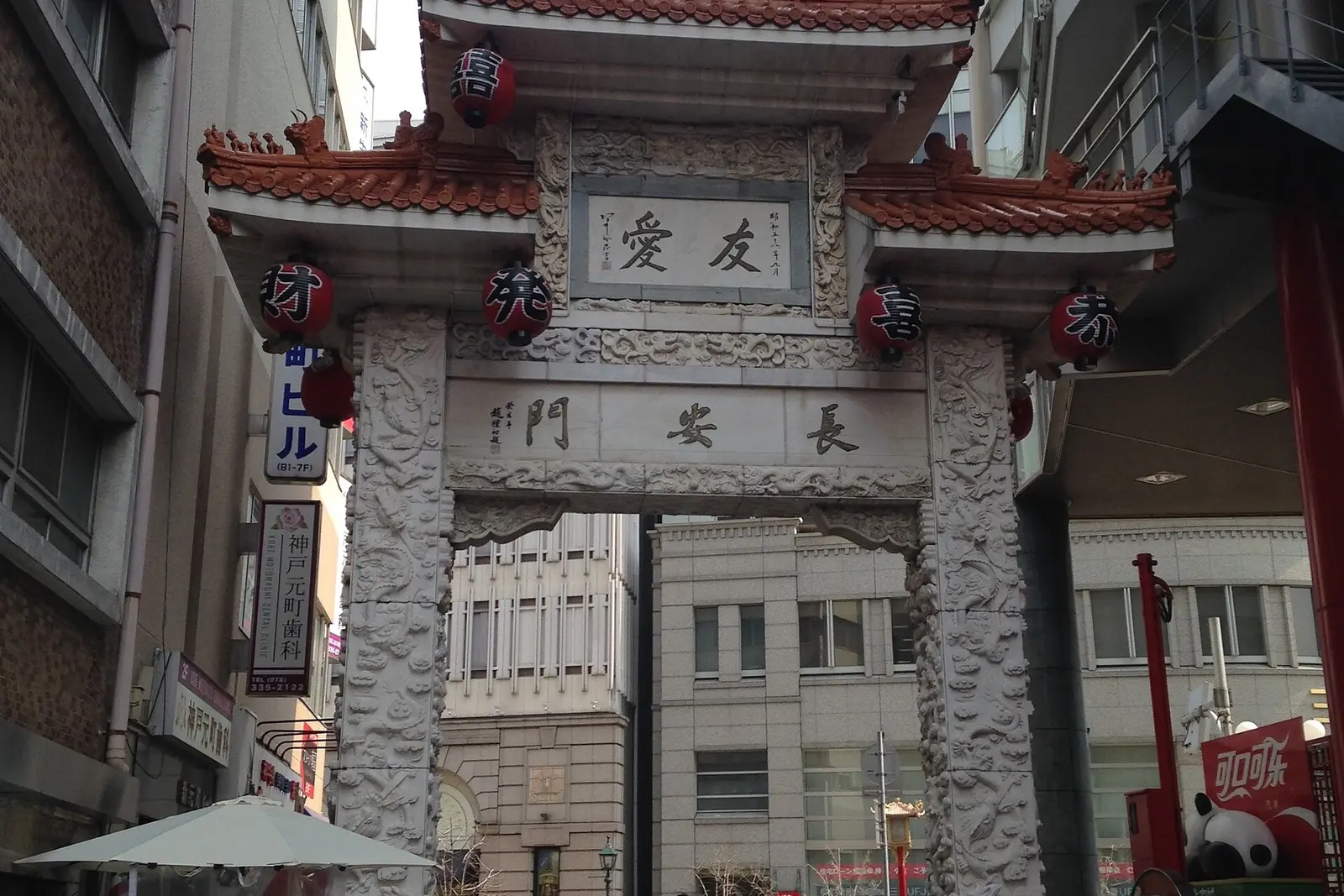
Between the department stores and the harbor, a few streets turn red and gold. Lanterns hang overhead, steam rises from bamboo baskets, and the smell of fried dumplings hangs in the air. This is Nankinmachi, and it is the easiest meal stop in central Kobe.
A Chinatown with a long story
When Kobe's port opened in 1868, many Chinese people moved here, and they brought their food and culture with them. Nankinmachi grew out of that community. Along with Yokohama and Nagasaki, it is counted as one of the three big Chinatowns in Japan.
It is small, though. You can walk across it in a few minutes, and that is part of its charm. Shops, restaurants and stalls are packed together along a few streets. Many later settlers came from Nanjing, which gave the district its name. Allied bombing destroyed the area in World War II, and the Chinese community rebuilt it afterward. The 1995 earthquake damaged it again, and it was rebuilt quickly.
The gates and the pavilion
You will notice the gates first. Three of them mark the edges of the district: Chang'an Gate on the east side, Xi'an Gate on the west, and a third gate on the south. The north entrance has no gate, but a pair of stone lions guards it.
At the point where the two main streets cross, there is a small pavilion with stone carvings of the twelve animals of the Chinese zodiac. People stop here to rest and to take photos. It makes a handy meeting point, too, if your group splits up to find snacks.
What to eat
Nankinmachi is a place for eating on your feet. Look for steamed pork buns, called butaman, which are the best-known snack here. Kobe-style dumplings served with a miso-based sauce are another local specialty. You will also see dim sum, fried dumplings and Chinese sweets in the windows.
Sit-down restaurants serve Chinese food and some Japanese dishes too. The best plan is simple: walk one lap first, see what looks good, then buy small amounts from a few places and share them.
Shops to browse
Food is not the only thing for sale. The district's own list of shops covers dim sum and snacks, tea, ingredients and alcohol, gifts, and cafés with sweets. Only shops that belong to the local association may use the Nankinmachi name, so a shop with the name in its title is a real member of the district.
Eating manners
At the stalls, the shop that sold you your food collects the container and chopsticks when you are done. The association that runs the district asks visitors to take their trash back to the shop where they bought it, so keep that in mind before you wander off with your food. Opening hours are decided shop by shop, and there is no day when the whole district closes. Some places close early in the evening, so lunch and the early evening are the safest times.
Festivals
The district holds several events each year. The Lantern Fair runs from November 28 to December 25, 2026, and fills the streets with lights. The Spring Festival, the biggest event, celebrates the Lunar New Year. In 2027 it takes place on February 7 and from February 11 to 14. There is also a Mid-Autumn Festival, held in late September.
Crowds are much bigger during these events, so allow extra time for walking.
Getting there
The nearest subway stop is Kyukyoryuchi-Daimaru-mae on the Kaigan Line, about 2 minutes on foot. Motomachi Station, on the JR and Hanshin lines, is about 5 minutes away. From Kobe-Sannomiya Station on the Hankyu line, it is about 10 minutes from the west exit. There is no parking in Nankinmachi itself.
Nearby
Motomachi Shopping Street runs right next to Nankinmachi. Kobe Port Tower and Meriken Park are a short walk toward the water, and the old foreign houses of Kitano Ijinkan are on the hill above.
More on Kobe
 KOBE3 min read
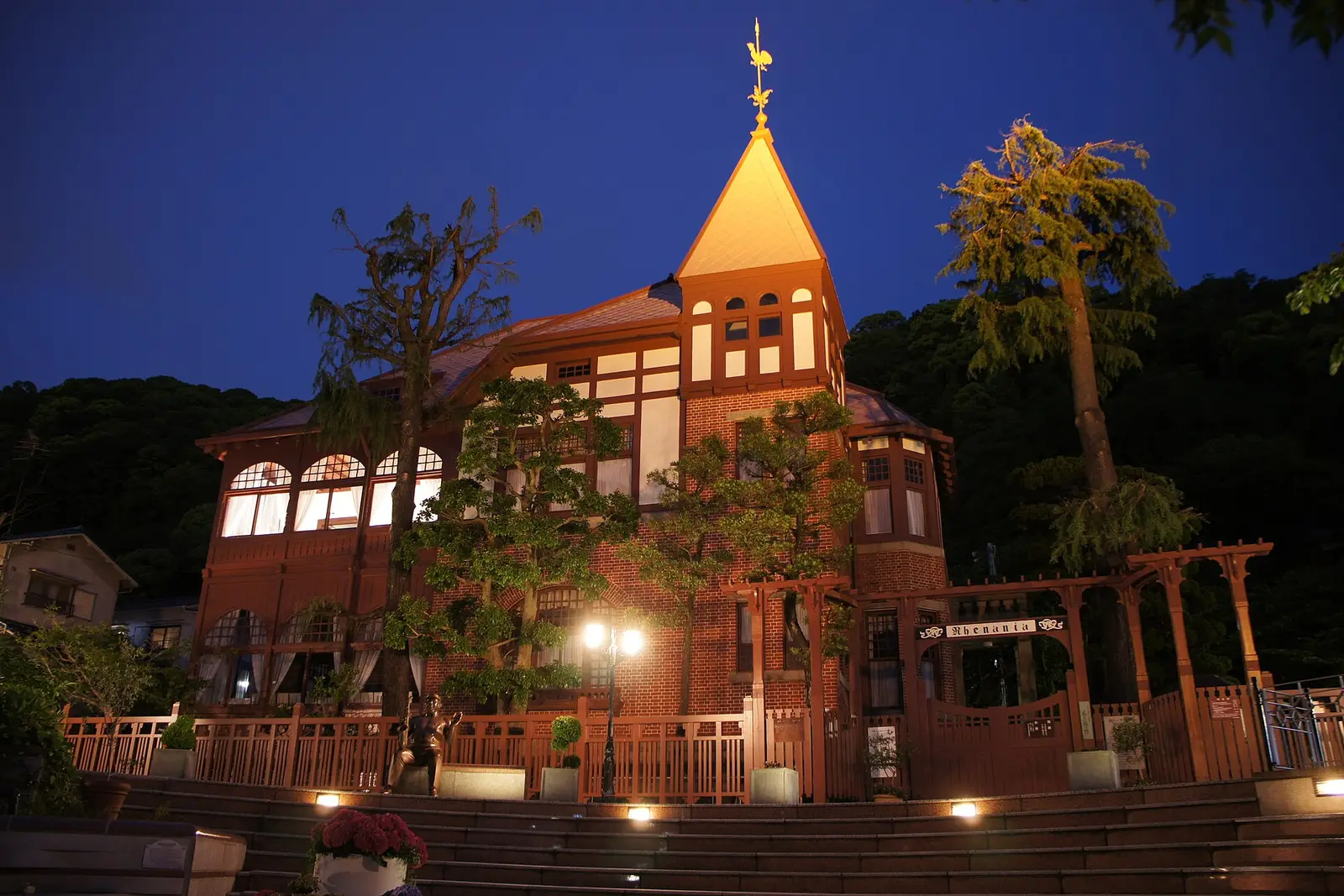
Kitano Ijinkan: Kobe's Old Foreign Houses
Western-style houses from Kobe's early days as a treaty port, a short walk up from downtown.
 KOBE3 min read
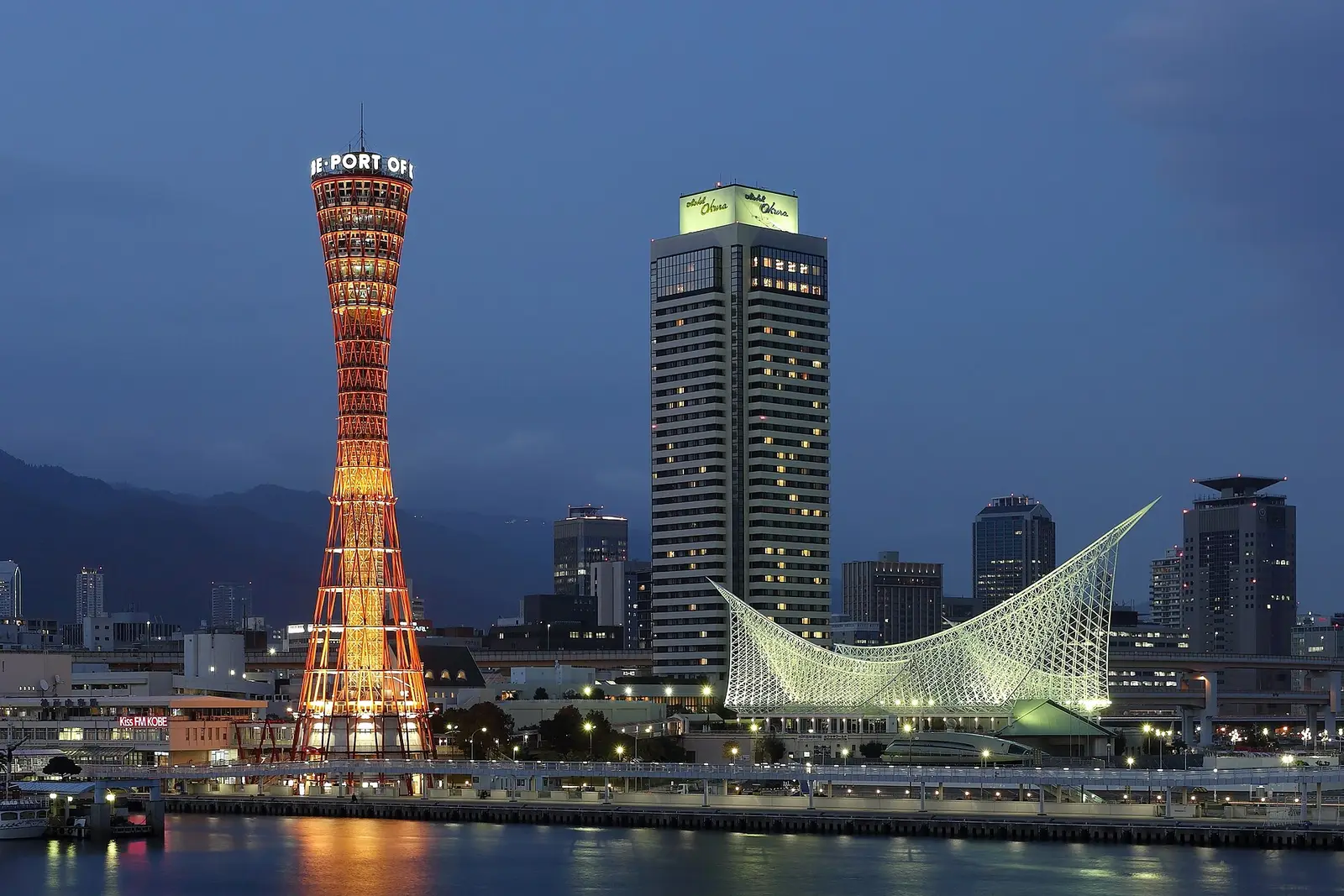
Meriken Park and Kobe Port Tower
Kobe's waterfront park, with the red Port Tower, a maritime museum and a memorial, best at night.
 KOBE3 min read
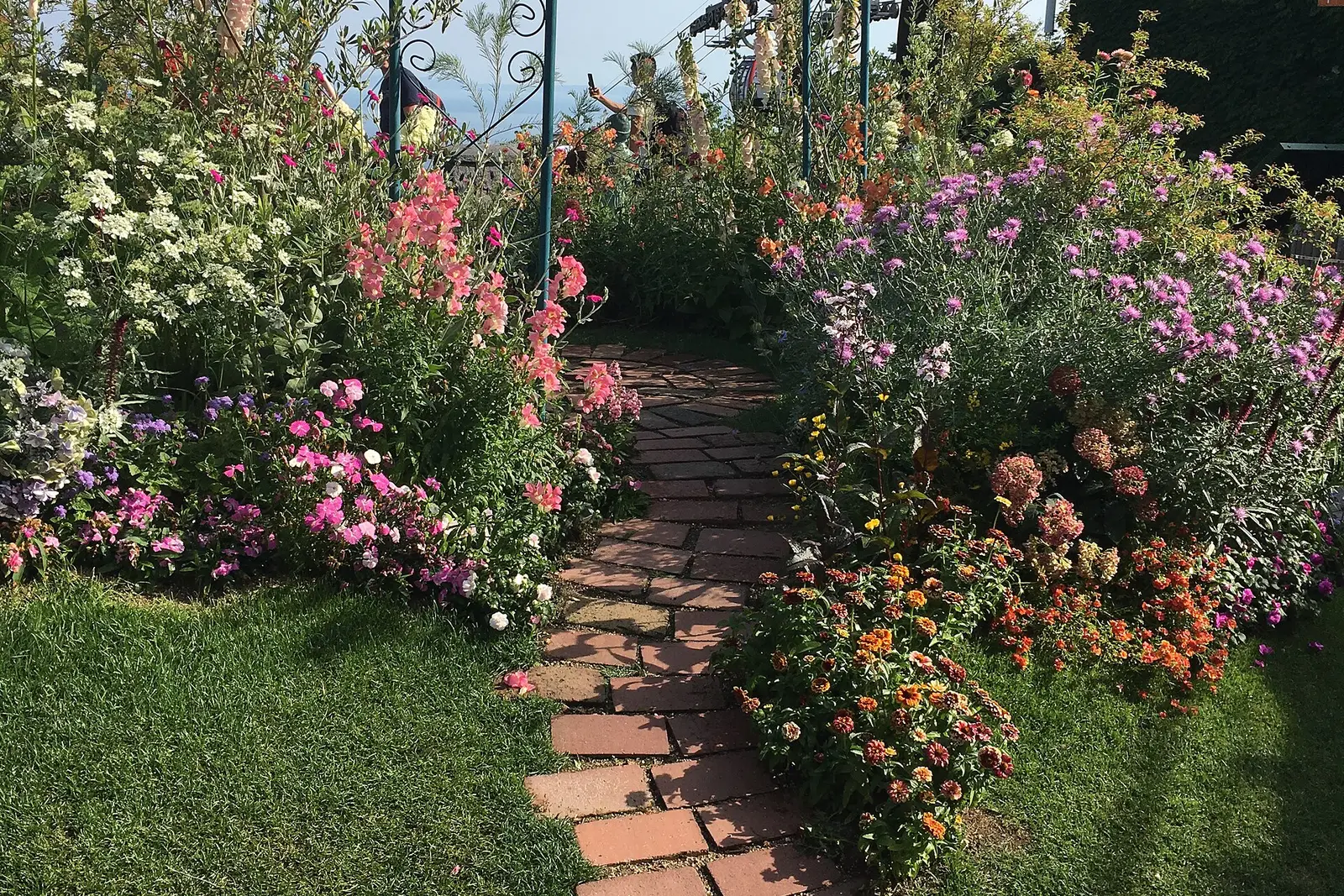
Nunobiki Herb Gardens: A Ropeway Above Kobe
A ten-minute ropeway ride from Shin-Kobe Station to Japan's largest herb gardens and a view over the city.