Kochi Castle: An Original Keep and the Sunday Market
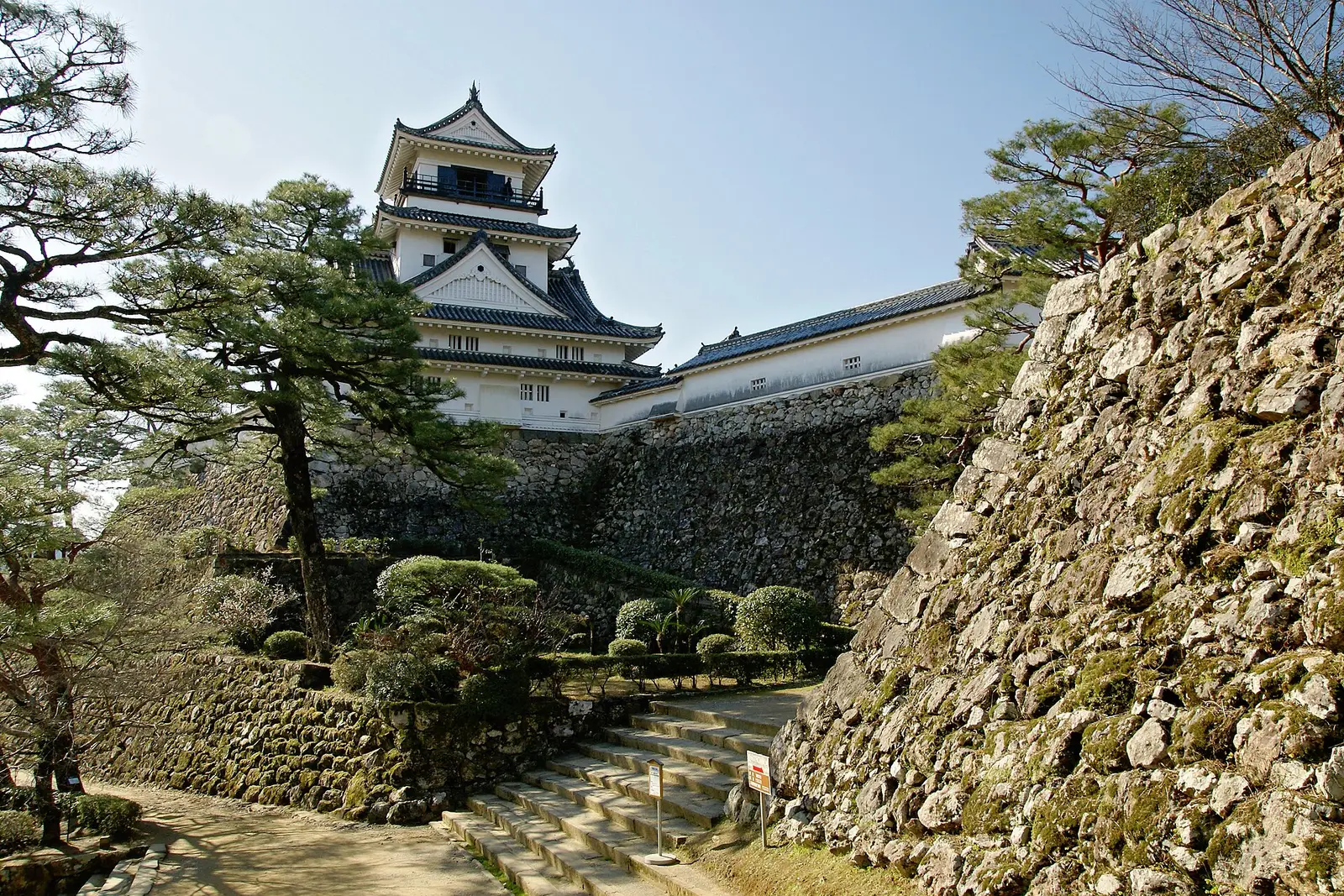
On a hill in the middle of Kochi, a white keep looks down over the city as it has since 1749. Kochi Castle is one of only twelve castles in Japan that still have their original keep. Every Sunday, a street market more than 300 years old stretches away from its front gate.
Lord Yamauchi's castle
After the Battle of Sekigahara in 1600, Tokugawa Ieyasu gave the province of Tosa to Yamauchi Kazutoyo. In 1601 Kazutoyo chose this hill, then called Otakasaka-yama, for a new castle. By 1603 the main enclosure was finished and he moved in, and by 1611 nearly all of the castle was complete.
The hill was renamed Kochi-yama, written with characters meaning "in the river," but floods kept coming. A priest suggested a new name, Takachi-yama, and over time the character changed and gave the city its name, Kochi.
A keep that survived
In 1727 a great fire in the castle town destroyed almost every building except the Otemon gate. The lords rebuilt, and the present keep was finished in 1749. When most castle buildings were pulled down in the early Meiji era, the keep, the buildings around the main enclosure and the Otemon gate were left standing. The keep, 18.5 meters tall, is now an Important Cultural Property.
The keep is an early type, with a lookout tower on top of a large roof. Around the top floor runs a balcony with a railing, said to copy the lord's earlier castle at Kakegawa. At the time, no other castle in Shikoku had one.
What to see
Start at the Otemon gate. Kochi is one of only three castles in Japan where both the main gate and the keep survive, and you can fit both into one photo from in front of the gate.
From the gate it is 158 steps up to the main enclosure. Look for defenses that were never used in battle: stone-dropping holes, walls with slits for arrows and guns, and iron spikes along the walls.
The Honmaru Palace, called Kaitokukan, is joined directly to the keep. Kochi Castle is the only castle where this layout survives. Inside, look for the carved transom of crashing waves, said to be the work of the Tosa craftsman Takechi Jinshichi.
Between the main enclosure and the second enclosure stands the Tsumemon, a gate built across a dry moat with a corridor on its upper floor. No other gate like it survives in Japan.
Tickets and hours
The keep and palace are open from 9:00 to 17:00, with last entry at 16:30, and are closed from December 26 to January 1. Entry is ¥500 for visitors 18 and over, and free for those under 18. A set ticket with the Kochi Castle Museum of History costs ¥800. You can pay with cash, credit cards and IC cards.
The park around the main enclosure is open 24 hours. In 2014 Kochi Castle was chosen as one of Japan's three best castles at night, and it is lit up from sunset until 22:00.
Free guided walks leave from the tourist information center in the Otemon square at 9:10 and 13:30.
The Sunday Market
The Sunday Market, or Nichiyoichi, starts near the Otemon gate and runs east along Otesuji avenue for about a kilometer. Street markets in Kochi date back to 1690, when the Tosa domain fixed their places and days, and the market took its present name in 1876 when markets began to follow the days of the week.
About 300 stalls line the road, many run by farmers selling vegetables and fruit picked the day before or that morning. You can also find knives, plants, antiques and street food. Try imoten, sweet potato fried in batter, and inaka-zushi, country-style sushi made with vegetables. The market is held every Sunday except January 1 and 2 and August 10 to 12. Stalls are out from about 6:00 to 14:00, and fewer remain as the afternoon goes on.
Tips
- There are no toilets inside the keep or the palace. Use the ones in the park.
- The stairs inside the keep are steep. Wear shoes that are easy to walk in.
- Coin lockers are next to the tourist information center in the Otemon square. The ¥100 is returned after use.
Getting there
The tram is the easy way to get from JR Kochi Station to Harimaya-bashi, and from Harimaya-bashi to the castle. By car, it is about 15 minutes from the Kochi interchange, and the Kochi Park parking lot is a 10-minute walk from the castle.
Nearby
Hirome Market, the food hall at the heart of Kochi, is a short walk from the Otemon gate. Sakamoto Ryoma was born in the Kamimachi area just to the west.
More on Kochi
 KOCHI3 min read
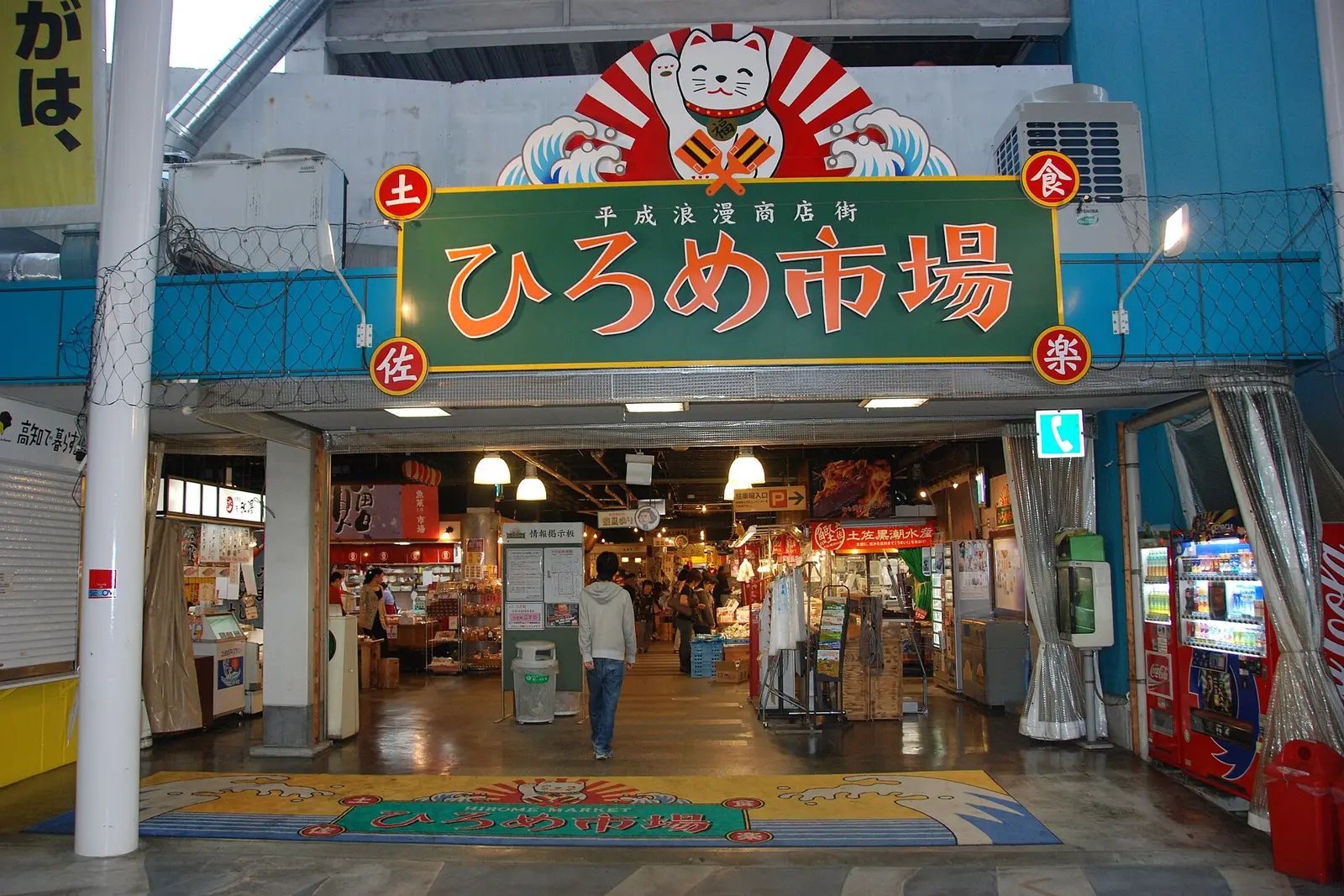
Hirome Market: Kochi's Food Hall
Kochi's lively food hall, where you buy seared bonito and a drink from different stalls and share a table with locals. How it works and hours.
 KOCHI3 min read
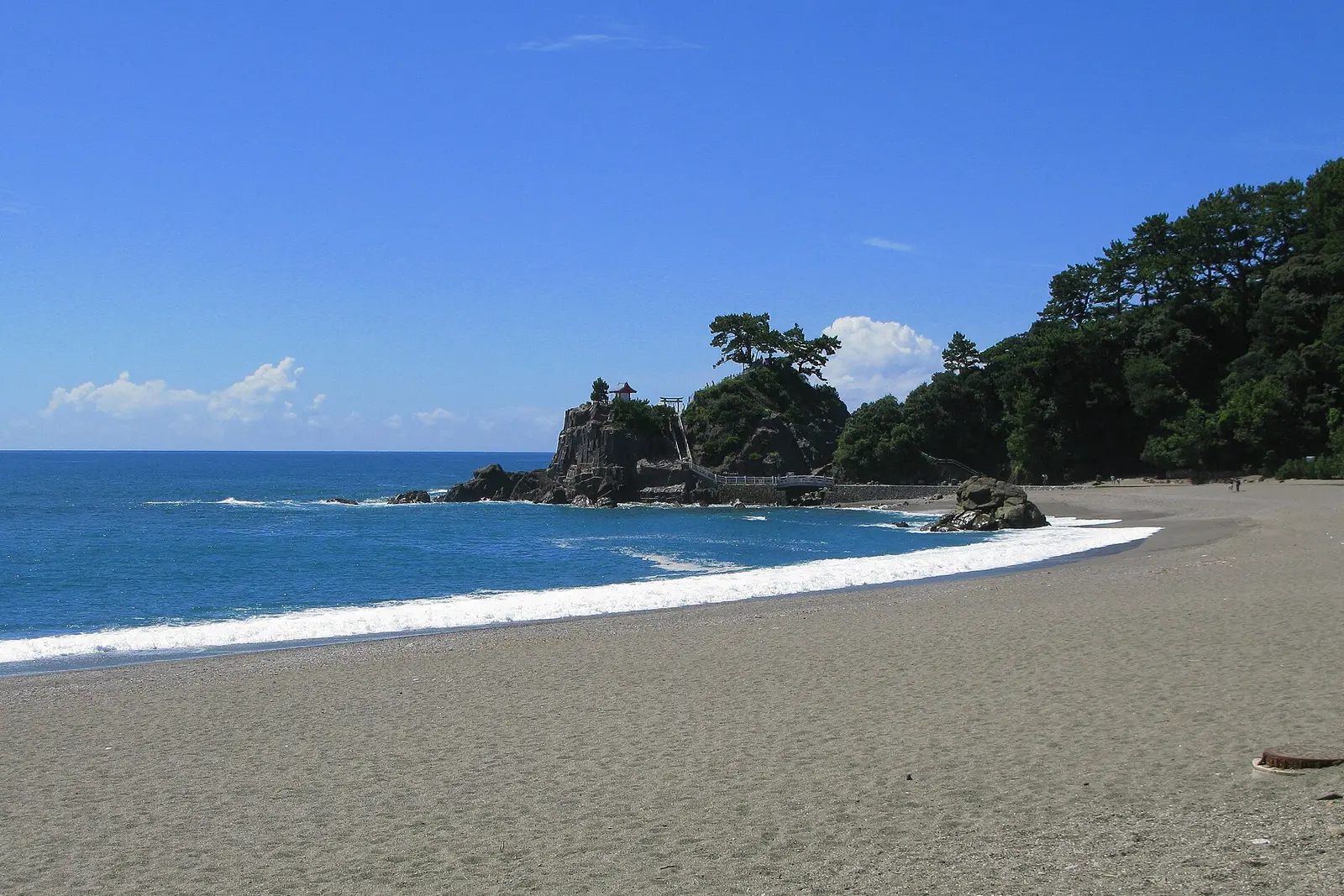
Katsurahama: Sakamoto Ryoma's Beach
A pine-backed Pacific beach with the famous statue of Sakamoto Ryoma, a shrine on a cape and a museum about his life. Access and tips.
 KOCHI3 min read
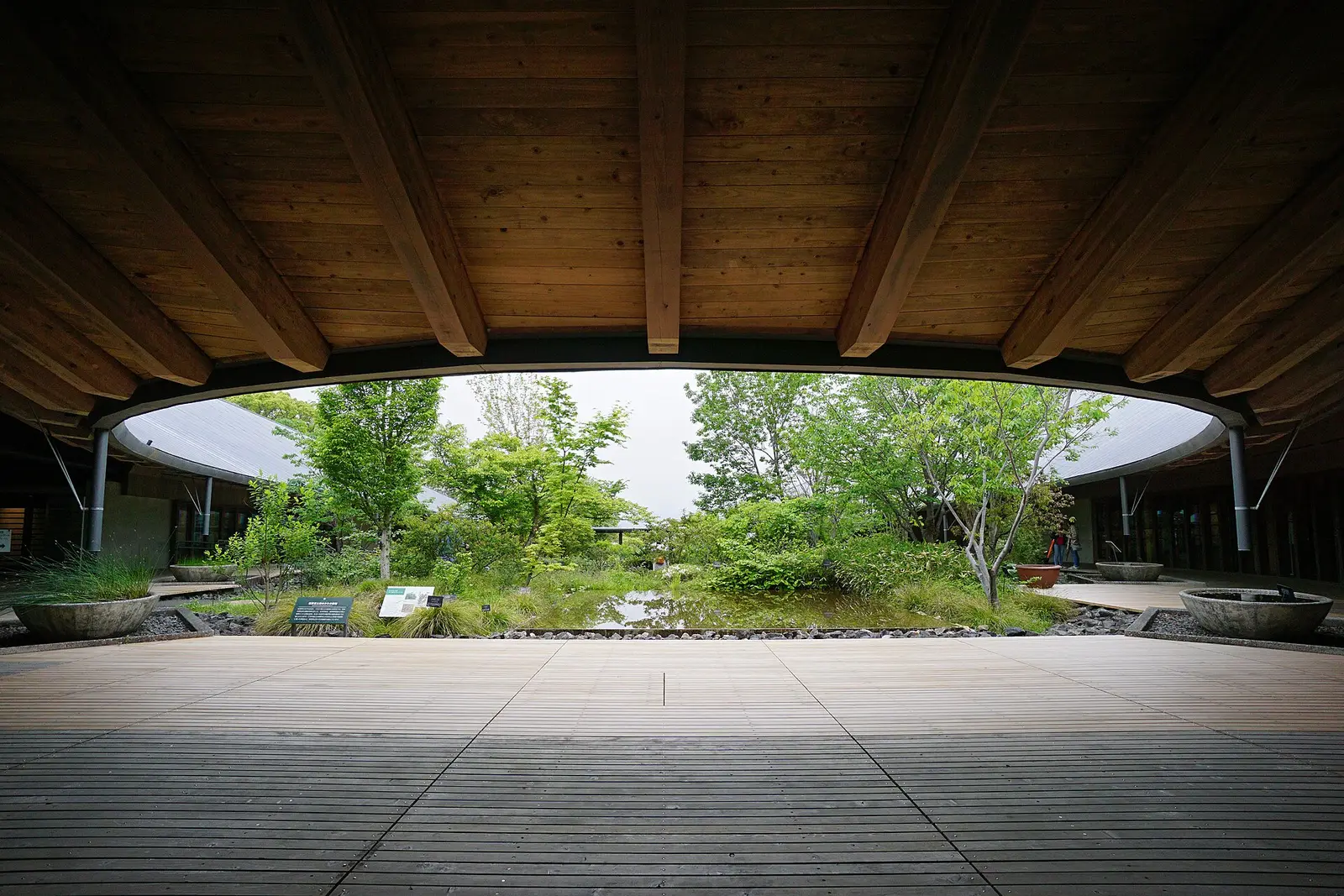
Makino Botanical Garden: Kochi's Garden on Mt. Godai
A hillside botanical garden of over 3,000 kinds of plants, made in honor of Kochi's great botanist. What to see, tickets and the MY-YU bus.