Makino Botanical Garden: Kochi's Garden on Mt. Godai
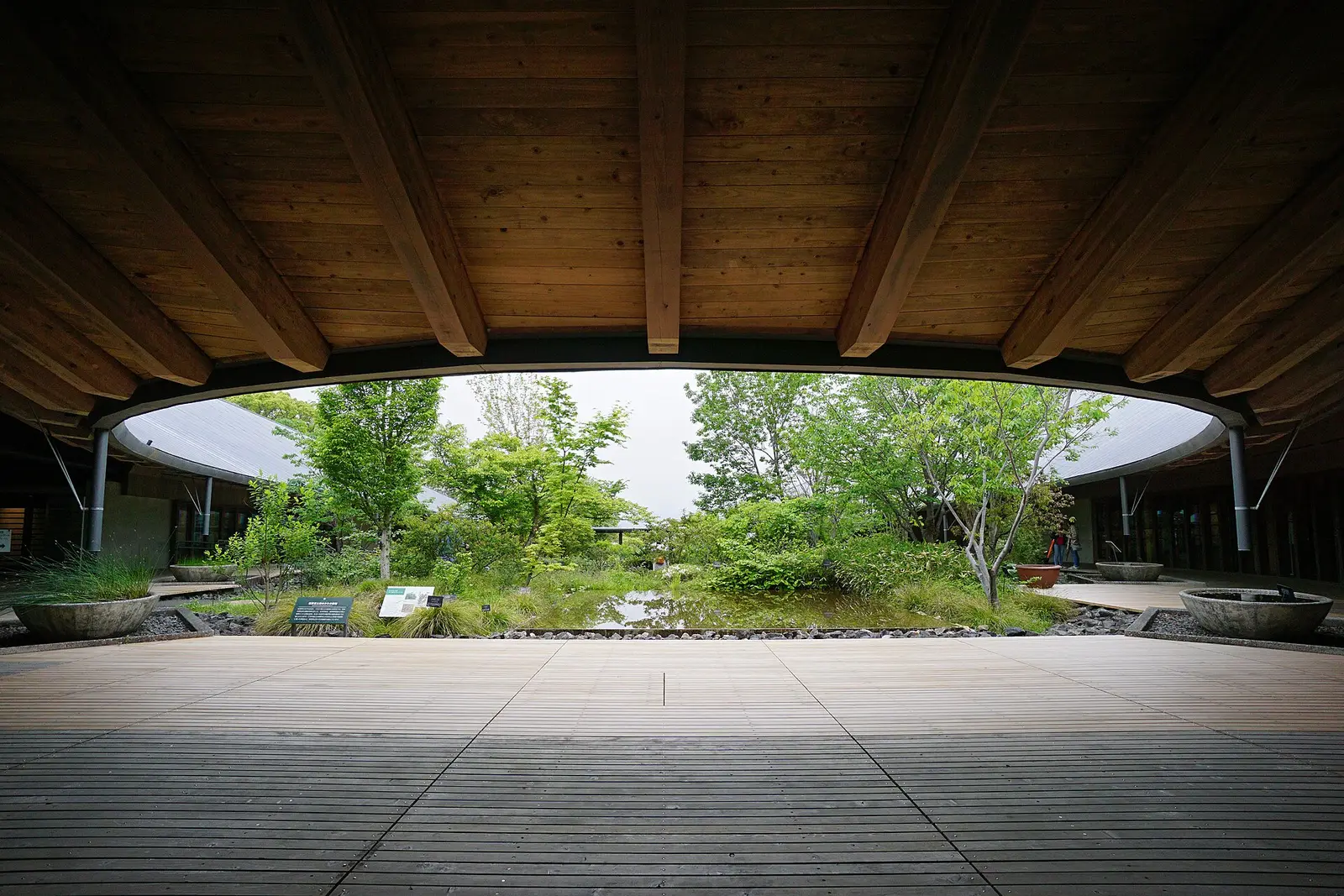
On Mt. Godai, a wooded hill in the southeast of Kochi, paths wind through about 8 hectares of gardens, woods and glasshouses. The Makino Botanical Garden was made in honor of Makino Tomitaro, a self-taught botanist from Kochi who spent his life studying Japan's plants. Next door stands one of the temples of the Shikoku pilgrimage.
Who was Makino Tomitaro?
Makino Tomitaro was born on April 24, 1862, in Sakawa, a town in present-day Kochi Prefecture. He loved plants from childhood and taught himself botany. In 1884, at 22, he moved to Tokyo and was allowed to work in the botany department of the University of Tokyo. In 1889 he named a new species, Yamatogusa, in a Japanese journal he had helped to found, the first time a Japanese botanist had done so in Japan.
Over his life he collected more than 400,000 pressed plant specimens and about 45,000 books. He is called the father of Japanese plant taxonomy. In 2023 he was the model for the hero of "Ranman," a morning drama series on NHK.
The garden
The garden opened on Mt. Godai in April 1958, the year after Makino died. Its 8 or so hectares follow the ups and downs of the hill, and more than 3,000 kinds of plants grow here, many of them wild plants of Kochi and plants connected to Makino. It is the only general botanical garden in Shikoku, and something is in flower in every season.
What to see
The Makino Museum of Plants and People opened in 1999. Its main building, with long, low curved roofs of wood, was designed by the architect Naito Hiroshi. In the exhibition hall you can learn about Makino's life and work, and a theater shows films in 4K.
The glasshouse was renewed in 2010, and with the museum buildings it makes the garden worth a visit even on a rainy day. In the South Garden, the 50th Anniversary Garden, made in 2008, shows ornamental plants of Asia. The open areas called Konkonyama and Fumufumu Hiroba were enlarged in 2019.
The garden is also a research center. Its library holds Makino's books and drawings, and its herbarium keeps more than 350,000 specimens.
Tickets and hours
The garden is open from 9:00 to 17:00, with last entry at 16:30. It is closed from December 27 to January 1, and may close for maintenance. Adults pay ¥850, and high school students and younger enter free. Prices are higher during some special exhibitions, so check before you go. Credit cards, IC cards and many smartphone payment services are accepted.
Getting there
The only public transport to the garden is the MY-YU sightseeing bus. It leaves from the south exit of JR Kochi Station and takes about 30 minutes to the Makino Botanical Garden Seimon-mae stop. From Kochi Ryoma Airport, take the airport bus to Harimaya-bashi or JR Kochi Station and change to the MY-YU bus.
By car, the garden is about 20 minutes from Harimaya-bashi, with free parking for 225 cars. If you use a car navigation system, set it to Chikurinji, as the directions for the garden may stop before you arrive.
Tips
- Wheelchairs and strollers can be borrowed free. Elevators and ramps link the main buildings, but some garden paths are steep or have steps.
- Do not eat or drink inside the buildings or outside the marked areas. Pets (other than assistance dogs) and drones are not allowed.
Nearby
Next to the garden, Chikurinji is temple number 31 of the Shikoku pilgrimage. It is the only one of the 88 temples whose main image is Monju, the bodhisattva of wisdom. Its main hall is an Important Cultural Property. On the way up Mt. Godai, a viewing terrace looks out over the city and Urado Bay.
More on Kochi
 KOCHI3 min read
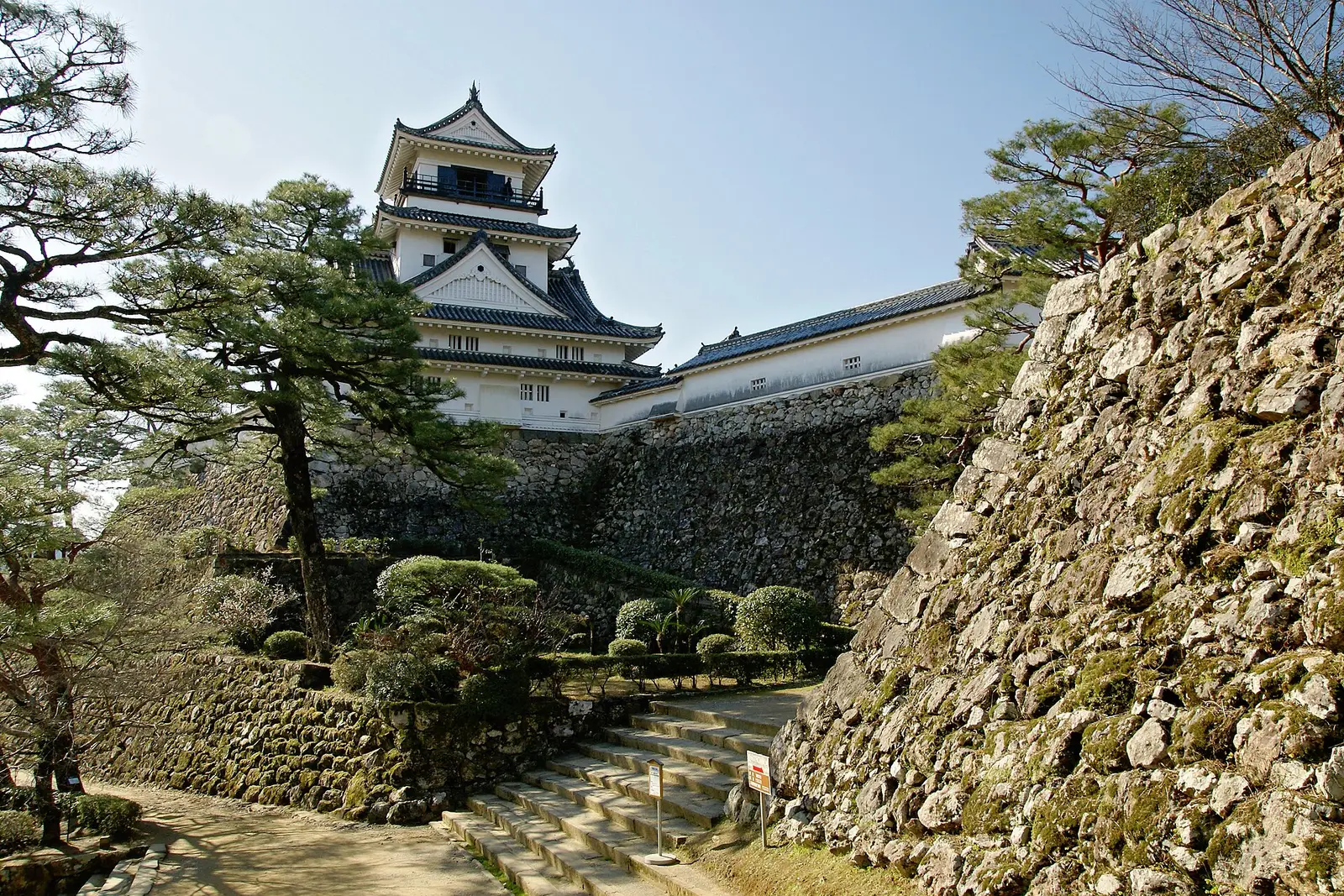
Kochi Castle: An Original Keep and the Sunday Market
One of Japan's twelve original castle keeps, still joined to the lord's palace, with a 300-year-old street market at its gate. Tickets and hours.
 KOCHI3 min read
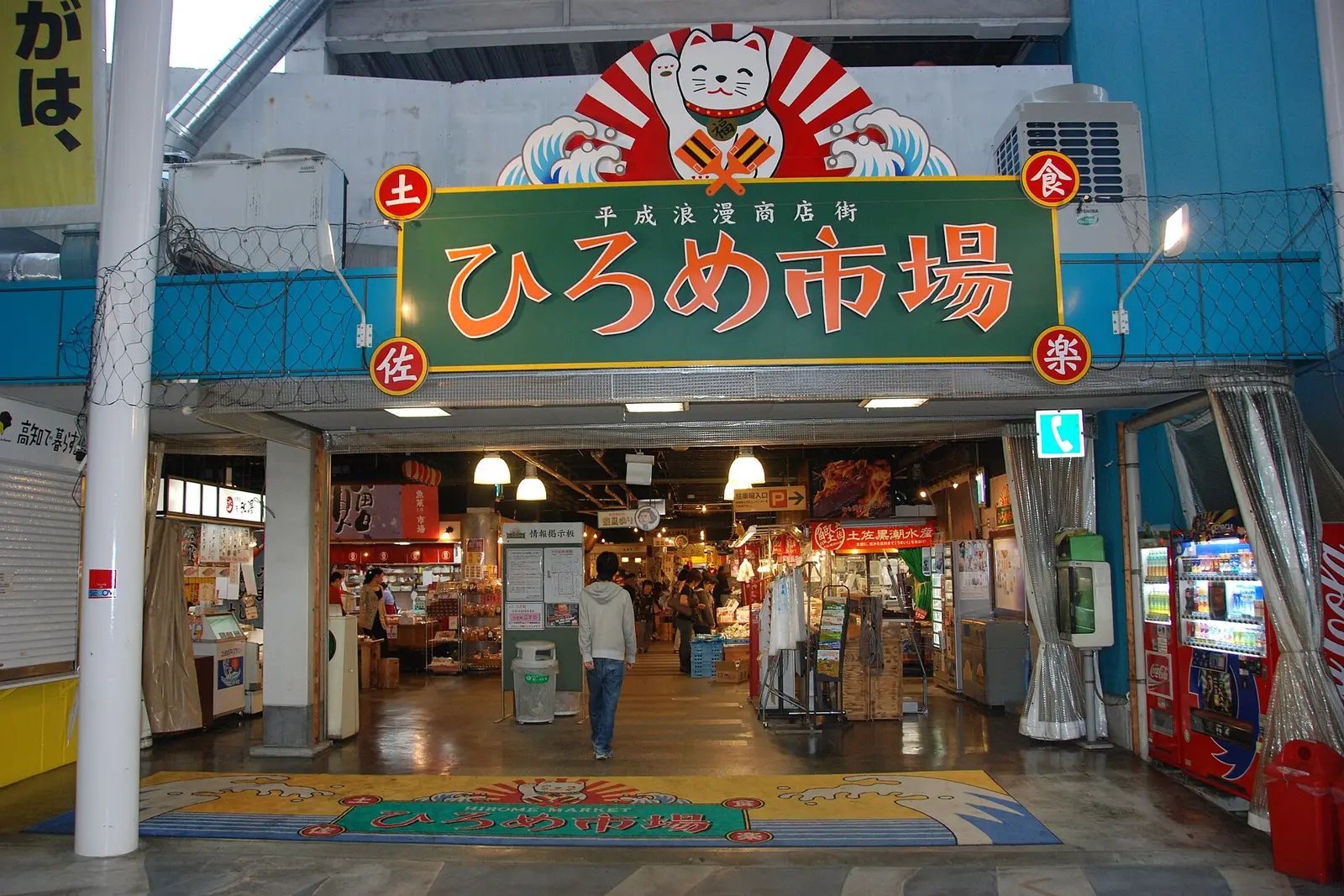
Hirome Market: Kochi's Food Hall
Kochi's lively food hall, where you buy seared bonito and a drink from different stalls and share a table with locals. How it works and hours.
 KOCHI3 min read
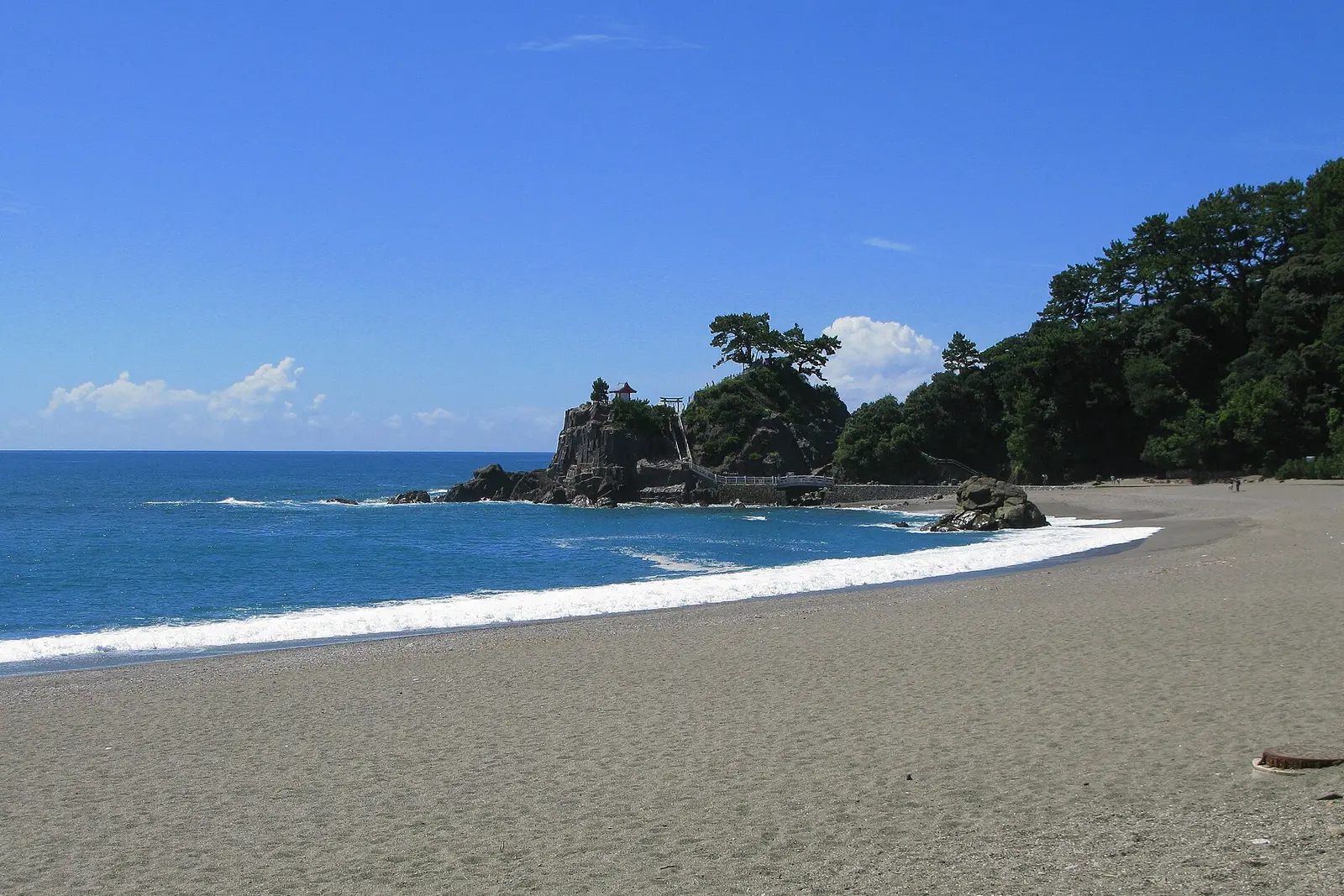
Katsurahama: Sakamoto Ryoma's Beach
A pine-backed Pacific beach with the famous statue of Sakamoto Ryoma, a shrine on a cape and a museum about his life. Access and tips.