Kumamoto Castle: The Castle That Was Built to Be Hard to Take
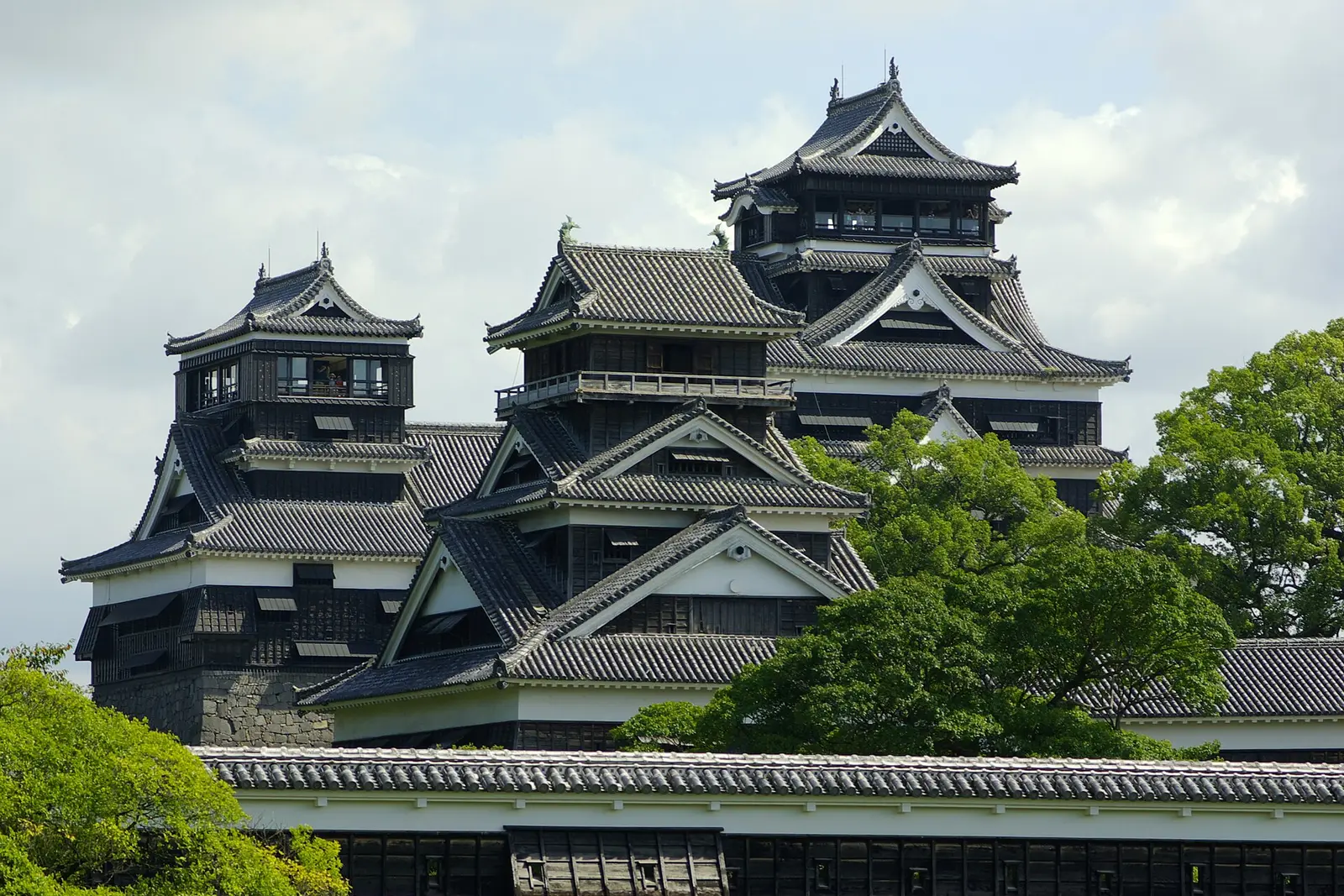
Kumamoto Castle sits on a low hill in the middle of the city, and you can see its black tower from far away. It was built to stop an army, and the stone walls still look like it. Then, in 2016, an earthquake broke much of it, and Kumamoto has been rebuilding it ever since.
A castle built by a general
Kumamoto Castle was finished in 1607 by Kato Kiyomasa, a famous warlord who had fought in Japan's long civil wars. He built it on a plateau called Chausuyama. At its biggest, the castle covered about 980,000 square meters, with 49 turrets and 29 gates.
You will notice the stone walls first. They get steeper toward the top, which made them very hard to climb. They have a name, musha-gaeshi, which means "warrior repellent." Look for them as you walk up toward the tower.
The castle has a nickname too: Ginnan-jo, or Ginkgo Castle. Kiyomasa is said to have planted a ginkgo tree in front of the tower. The old tree burned in 1877, but a new one grew from a seedling and stands there today.
In 1632, the Hosokawa family took over the castle and ruled the area for the rest of the Edo period. In 1640, the lord invited the famous swordsman Miyamoto Musashi to Kumamoto, where he founded his Niten Ichiryu sword school and studied Zen, tea and calligraphy.
The siege and the fire
In 1877, the castle was at the center of the Satsuma Rebellion, a war against the new Meiji government. About 3,500 soldiers defended it against 13,000 attackers for around fifty days. Just before the fighting began, the main tower and the palace burned down. Nobody knows if it was arson or an accident.
The tower you see now was rebuilt from concrete in 1960. It looks like it has three levels from the outside, but inside there are six floors and a basement.
The 2016 earthquake
In 2016, a strong earthquake hit Kumamoto. Roof tiles fell from the main tower, parts of the stone walls collapsed, and about 80 meters of the long wall beside the river came down.
The repair work is huge and slow. The main tower was fully restored by March 2021, and the long wall was rebuilt the same year. Work on other parts of the castle is still going on, so you may see scaffolding and fenced areas. It is a rare chance to see a castle being put back together.
Inside the main tower
The exhibits are laid out from the bottom up. The basement has pieces of the original walls and wells from an Edo-period kitchen. Floors one to four cover the Kato era, the Hosokawa era, modern history and the present day, with models, video and an armor display. The sixth floor is the viewing area, with views across the city.
A few rules to know: no eating in the viewing areas, no wheeled luggage inside the tower, and no tour-guide explanations inside. Photos are for personal use.
Tickets and getting there
The castle is open every day except December 29. The ticket offices open at 8:45 or 9:00 am, depending on the gate. On weekends and national holidays there are two entrances, North and South. On weekdays only the South Gate is open.
You can buy tickets at the gates or online in advance. A combined ticket with Wakuwakuza, the museum in the castle town next door, is ¥850 for adults. Allow extra time for ticket lines.
The castle's official site asks visitors to come by public transport. The city tram stops at Kumamoto Castle/City Hall, and the Shiromegurin loop bus runs between Kumamoto Station and the castle. A free shuttle bus links Sakuranobaba Josaien, the South Gate and the Ninomaru parking lot every 10 to 15 minutes. Wear shoes that grip, because the stone paths are slippery when wet.
Nearby
Sakuranobaba Josaien, the old-style food and shopping street, is at the foot of the castle. Suizenji Jojuen Garden is a short tram ride east. If you have a second day, Mount Aso is an easy trip by train from Kumamoto Station.
More on Kumamoto
 KUMAMOTO3 min read
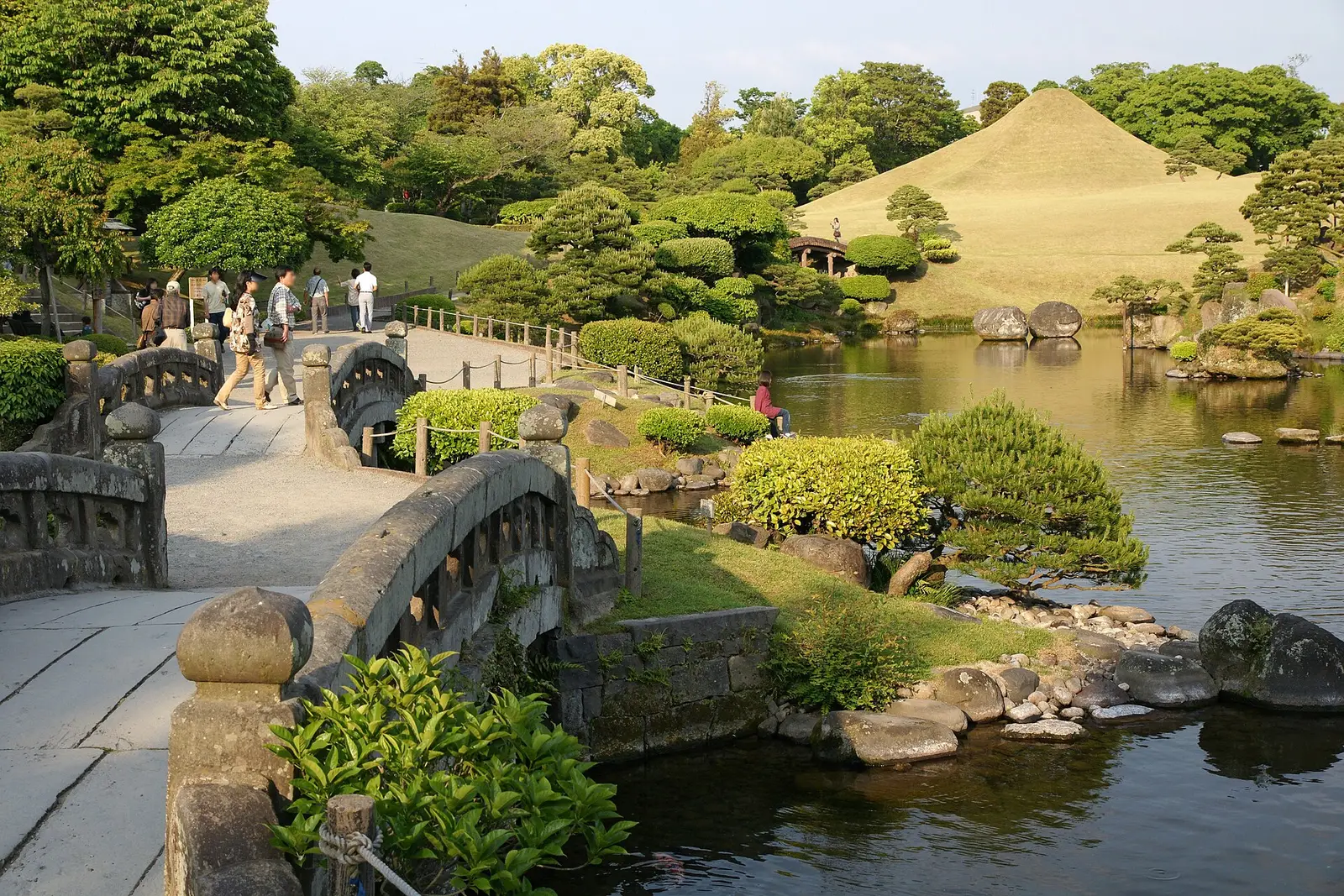
Suizenji Jojuen Garden: A Tiny Tokaido Around a Spring-Fed Pond
A 400-year-old stroll garden with a clear spring pond and a tiny Mount Fuji. Hours, price and a simple route.
 KUMAMOTO3 min read
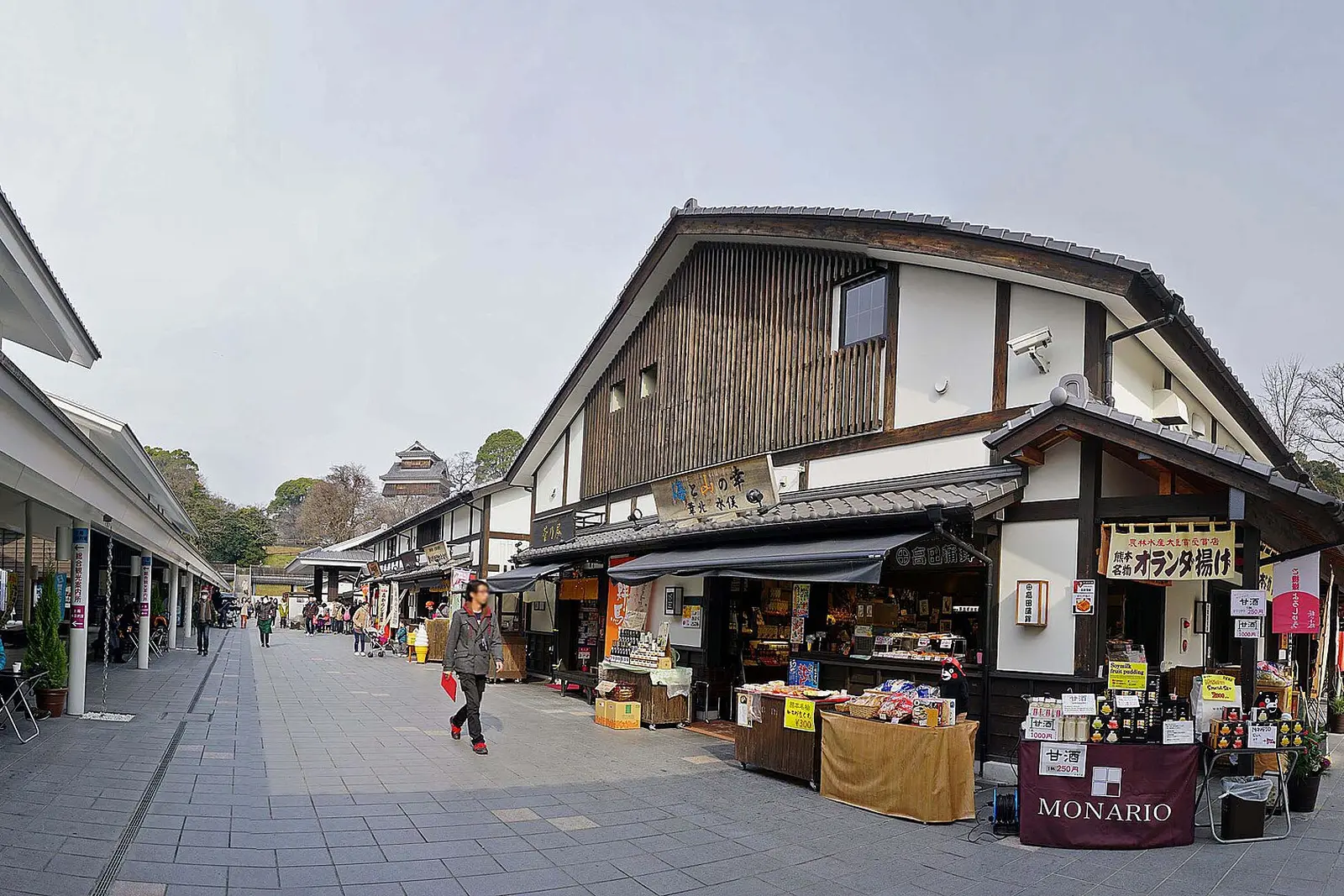
Sakuranobaba Josaien: Eat Your Way Through a Castle Town
Kumamoto's castle-town street, with local food, a small museum and costume rental, right below the castle.
 KUMAMOTO3 min read
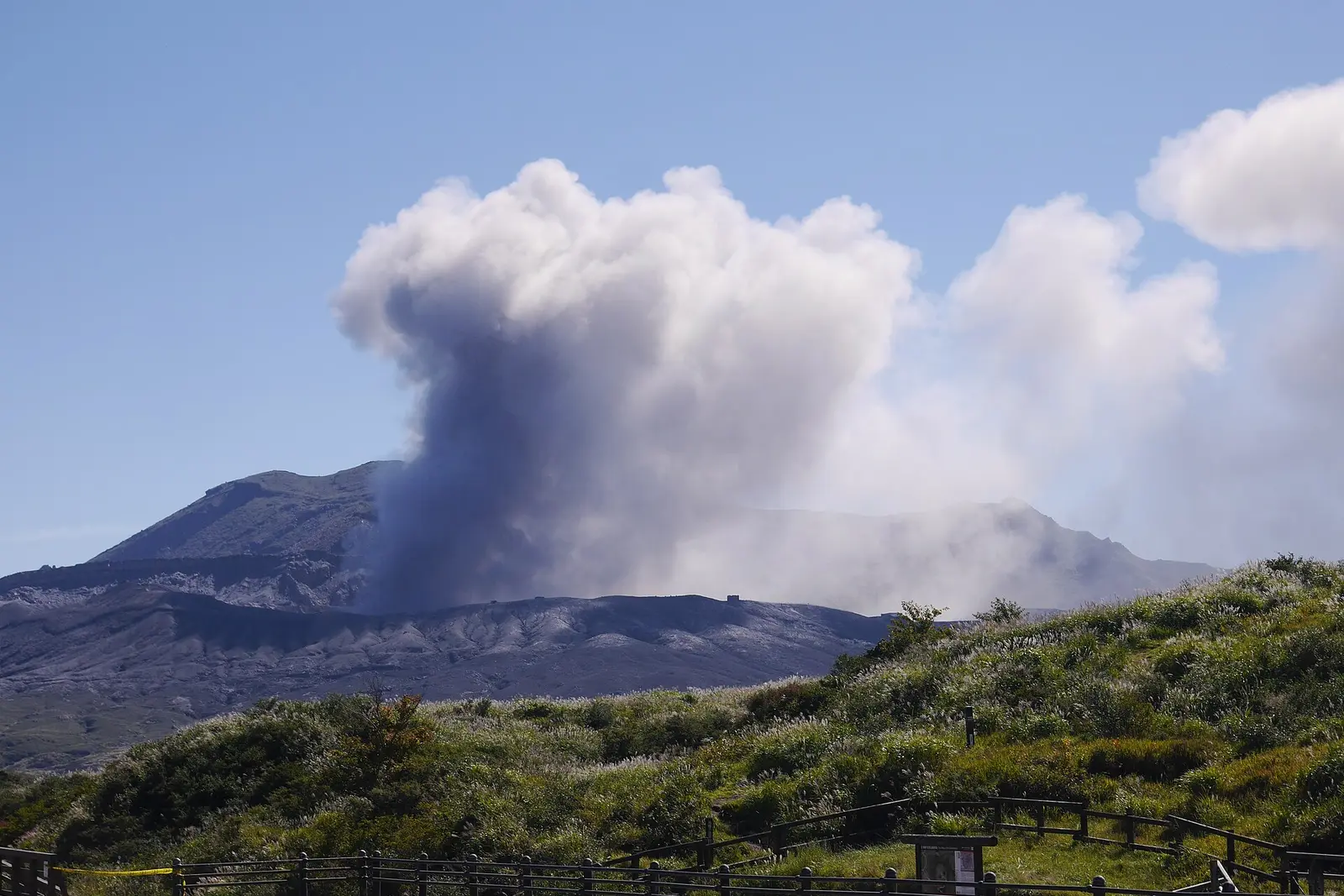
Mount Aso: Living Inside One of the World's Biggest Volcano Craters
An active volcano inside a giant crater, with farms and towns on its floor. What to see and how to check if the crater is open.