Suizenji Jojuen Garden: A Tiny Tokaido Around a Spring-Fed Pond
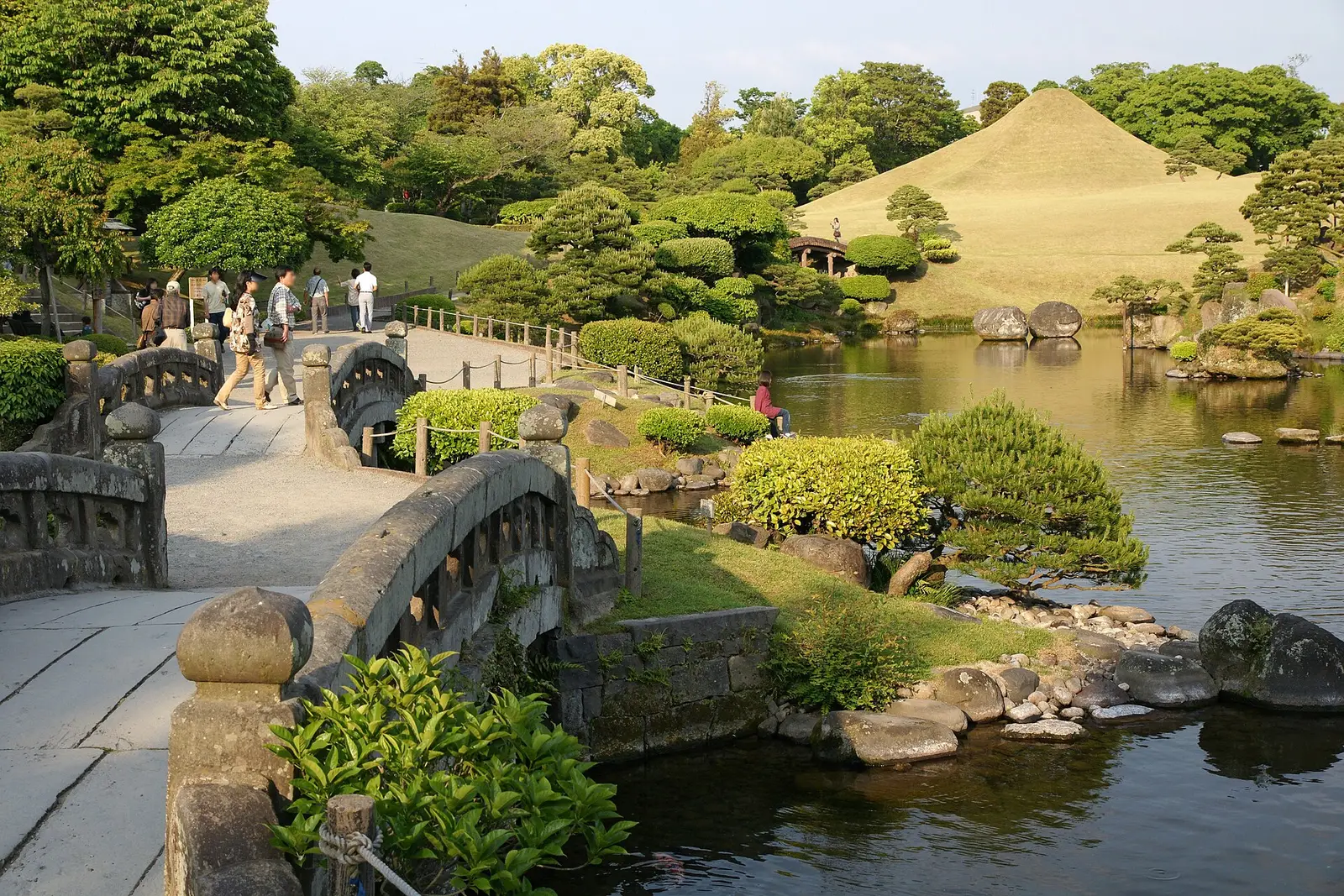
Most gardens in Japan ask you to look at a view. Suizenji Jojuen asks you to walk through one. The path circles a still pond, and each corner of the walk is a small scene from the old road between Tokyo and Kyoto.
A garden for a lord
Suizenji Jojuen was built in the early 1600s by Hosokawa Tadatoshi, the lord who took over Kumamoto in 1632. He built a temple and a teahouse here in the 1630s, and the garden grew around them. It is a kaiyu-shiki garden, which means a "stroll garden": you are meant to walk a circle around a pond and watch the view change at every turn.
The pond is fed by fresh spring water, which is why it is so clear and calm. The city's official guide says the springs come from the Mount Aso area, which you can visit later in the same trip.
The road to Edo, in miniature
The garden was designed to copy a famous journey. The hills, the shoreline and the plantings stand in for the 53 stations of the Tokaido, the old road between Edo (now Tokyo) and Kyoto. You do not need to know the stations to enjoy the walk. Just look for the small bridges, stones, pines and islands as you go around.
The most famous view is Mount Fuji. On the far side of the pond is a smooth, perfectly shaped green hill, built by hand to look like a tiny Fuji. It looks best from across the water. The path takes you around the whole pond, so you see the hill from every side before you finish the loop and return to the entrance.
Shrines and a Noh stage
Inside the garden is Izumi Shrine, built in 1878, the year after the Satsuma Rebellion burned much of Kumamoto. It is dedicated to the Hosokawa lords, starting with Tadatoshi. Visitors come to pray for a happy home and good fortune, and festivals and performances are held here during the year. In spring and autumn, the festivals include yabusame, where riders shoot arrows from galloping horses.
A smaller Inari shrine, with red gates, stands in the garden too, near four plum groves that bloom in early spring.
The garden also has a Noh theater. Noh is a slow, masked form of Japanese drama. The stage you see today dates from 1878 and was moved here in 1986. In summer, evening performances are lit by torches.
Tea by the pond
At the western end of the garden is a thatched house called Kokin-Denju-no-Ma. It is about 400 years old. Inside, you can have green tea while you look out over the pond. If you only have time for one stop, this is a good one, because you get to rest and enjoy the view together.
Plan your visit
The garden is open every day of the year, from 8:30 am to 5 pm, and you can enter until 4:30 pm. Adults pay ¥500 and children (ages 6 to 15) pay ¥200. The adult price went up in April 2026, so older guidebooks may show a lower fee.
A walk around the pond takes about 45 minutes if you stop for photos. There is no big parking lot, so public transport is easier. The garden holds seasonal events, including evening light-ups in autumn, so check its website before you go.
To get there from the center of Kumamoto, take the city tram to the Suizenji Park stop and walk about 4 minutes. A single tram ride costs a flat ¥200. From JR Shin-Suizenji Station, it is about a 10-minute walk.
Nearby
Kumamoto Castle and Sakuranobaba Josaien, the castle-town street at its foot, are the other main sights in the city, and both are reachable by tram. If you have time for a second day, Mount Aso is an easy trip by train from Kumamoto Station.
More on Kumamoto
 KUMAMOTO3 min read
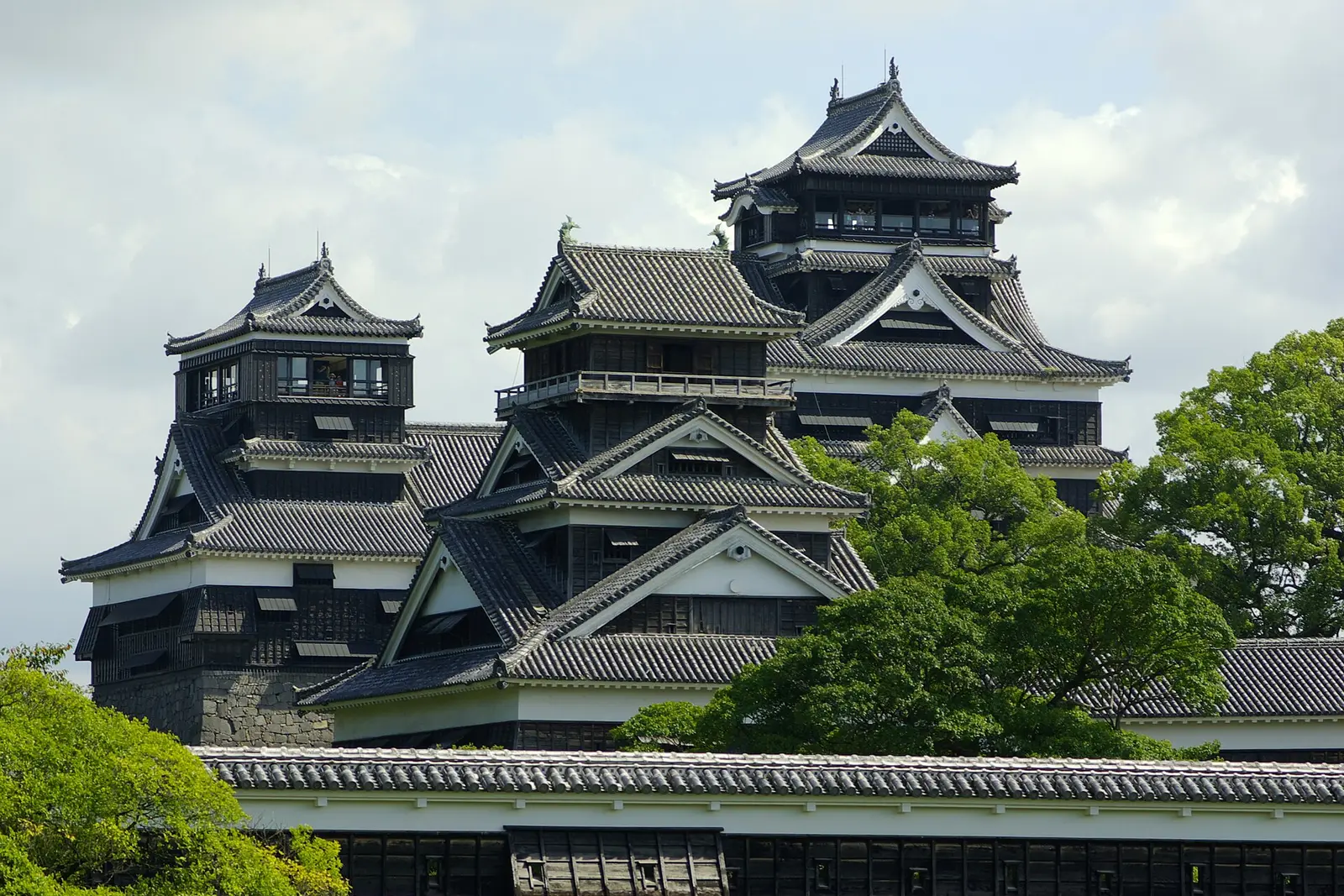
Kumamoto Castle: The Castle That Was Built to Be Hard to Take
Black walls, steep stone and a tower that was fully reopened in 2021. What to see and what it costs.
 KUMAMOTO3 min read
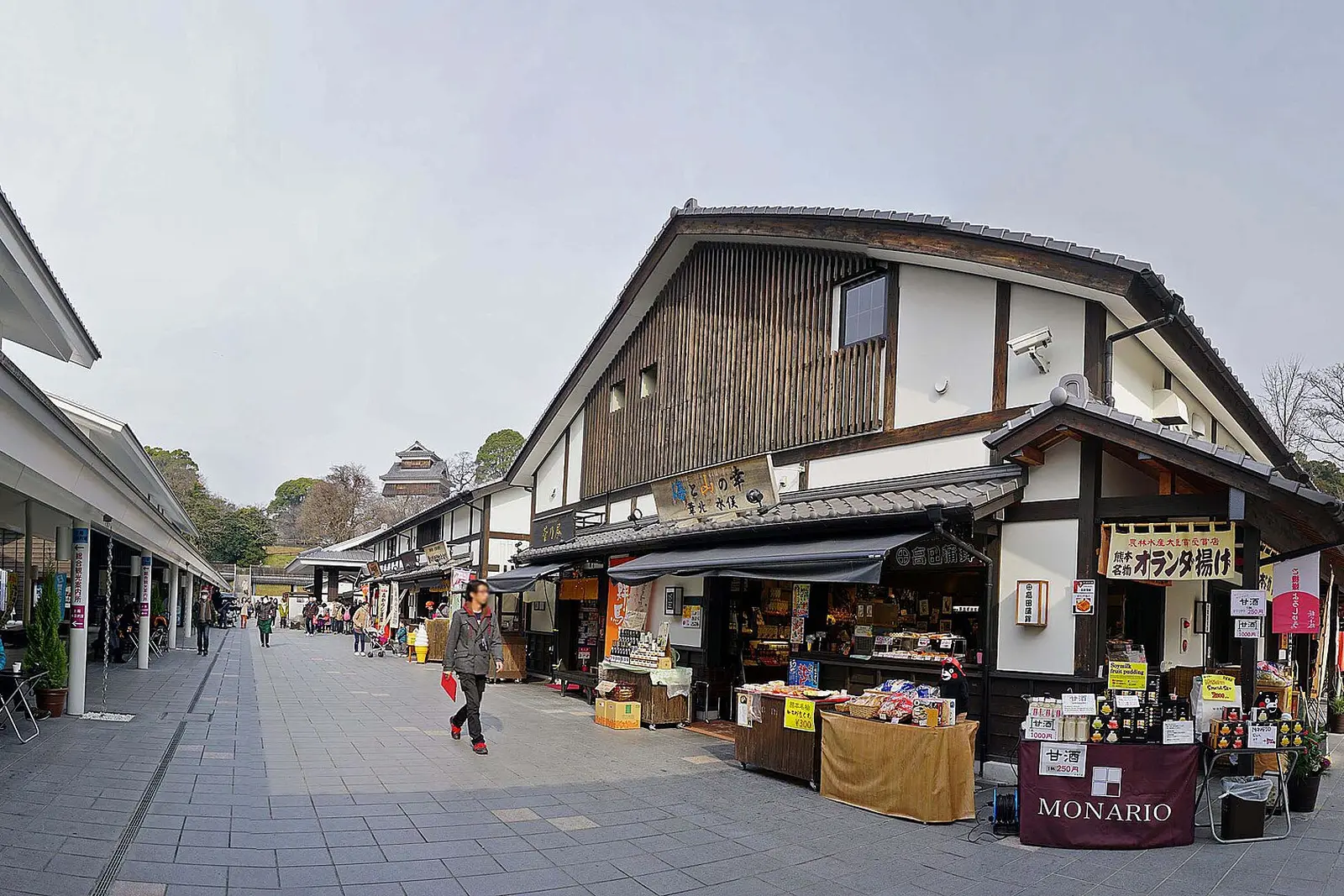
Sakuranobaba Josaien: Eat Your Way Through a Castle Town
Kumamoto's castle-town street, with local food, a small museum and costume rental, right below the castle.
 KUMAMOTO3 min read
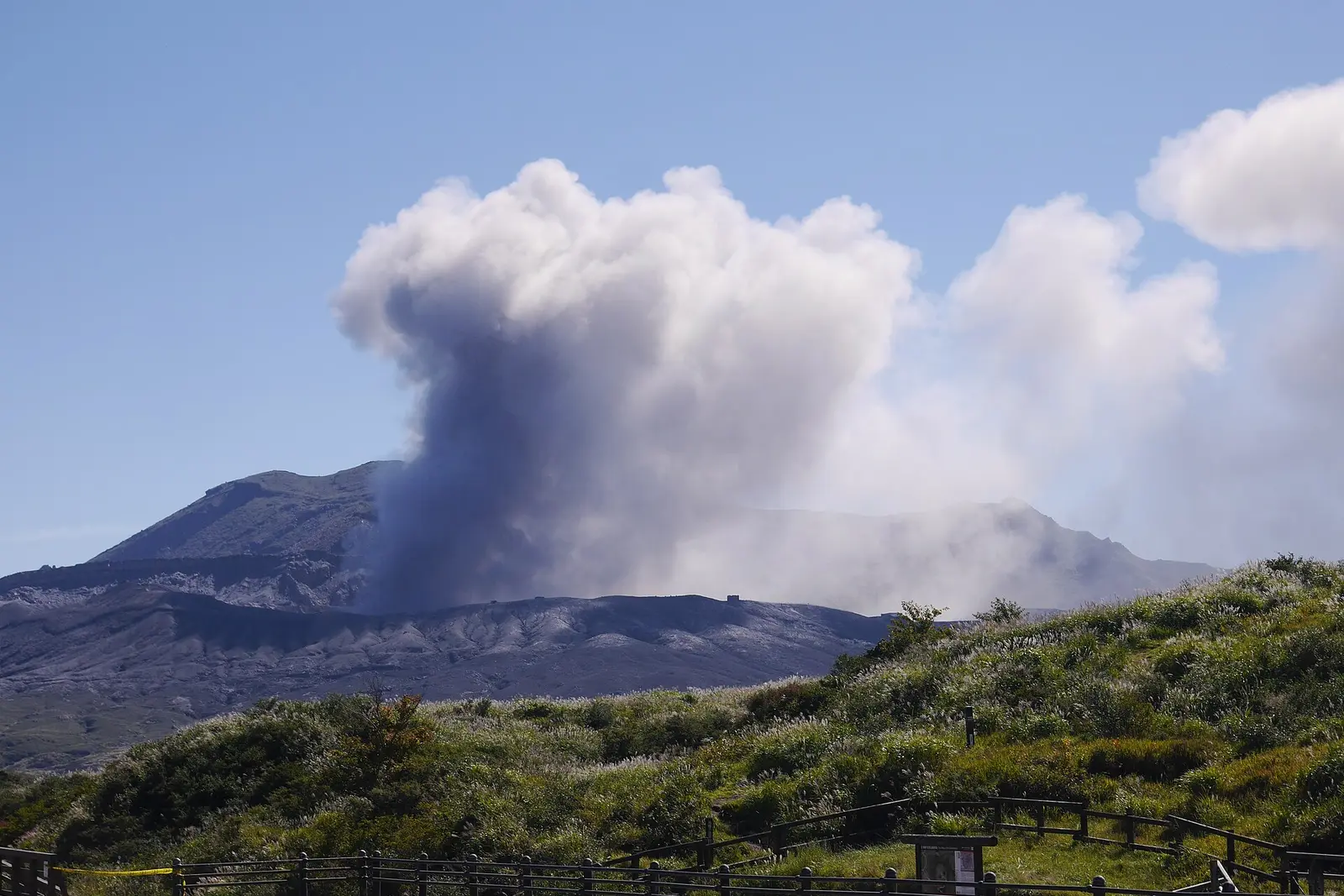
Mount Aso: Living Inside One of the World's Biggest Volcano Craters
An active volcano inside a giant crater, with farms and towns on its floor. What to see and how to check if the crater is open.