Destinations › Tokyo › Roppongi & Tokyo Tower
Zojoji Temple: Shoguns' Temple at the Foot of Tokyo Tower
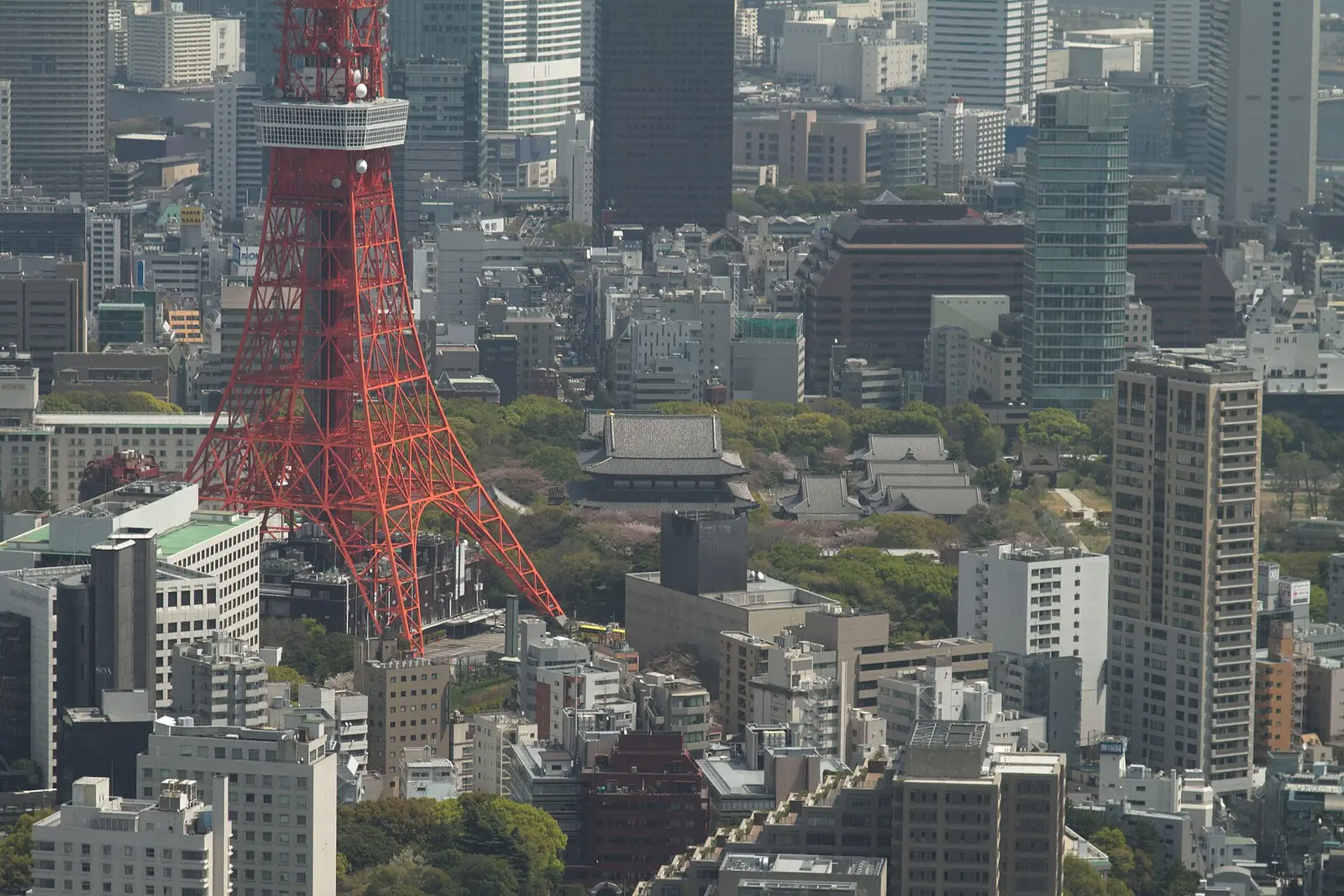
At the foot of Tokyo Tower sits a Buddhist temple that was already old when Tokyo was still called Edo. Zojoji was the family temple of the Tokugawa shoguns, and today it is a calm place with a famous view.
The Tokugawa family temple
Zojoji was founded in 1393 as a school for studying Jodo Buddhism. In 1598, after Tokugawa Ieyasu came to Edo, the temple moved to its present site. During the Edo period it became the Tokugawa family temple, and it grew into one of the most important temples in the city.
World War II air raids destroyed most of the old buildings, including the main hall and the Tokugawa mausoleum. The temple was rebuilt, and it is still the head temple of the Jodo school. The Main Hall you see today dates from 1974. Inside, it holds a Muromachi-period statue of Amida Buddha.
The red gate and Tokyo Tower
The main gate, called Sangedatsumon, was built in 1622. It is a vermilion-red wooden gate and an Important Cultural Property. It is the only original building left at the temple, and it is one of the oldest wooden structures in Tokyo. It stands at the entrance, facing the street.
The gate is now under a long restoration. The temple says the ten-year work was set to begin in April 2025, and Tokyo's official tourism site gives November 2032 as the planned finish. The rest of the temple is still open, but you may find the gate covered or partly hidden.
Part of the temple's fame today is the view. Tokyo Tower stands right beside the temple grounds, and the orange steel rises over the old rooflines. Many visitors take their photos of the gate or the Main Hall with the tower behind it. It is a good picture of how old and new Tokyo sit next to each other.
Graves, Jizo and the gallery
The temple also appears in prints by the artist Hiroshige, who drew famous views of Edo. The grounds contain the tombs of six Tokugawa shoguns, along with the tombs of wives and children of other shoguns. The original mausoleum of Shogun Hidetada was destroyed in 1945, and a scale model of it is on display in the Treasures Gallery in the basement of the Main Hall.
Next to the gallery is a small garden of stone Jizo statues. They stand for children lost before birth, and for children's health, and families dress them in small clothes and leave toys beside them. People take this place seriously. Please speak quietly, and take photos with care.
Visiting
Walking in the grounds is easy and takes about 30 minutes. The Treasures Gallery is open on weekdays from 11:00 am to 3:00 pm (last entry 2:45 pm) and on weekends and national holidays from 10:00 am to 4:00 pm (last entry 3:45 pm). It is closed on Tuesdays, unless Tuesday is a national holiday. Adults pay ¥700, junior high and high school students ¥300, and younger children are free. A combined ticket with the Tokugawa graves costs ¥1,000.
Be respectful. The temple is a place of worship. The big bell, cast in 1673, is still rung six times in the early morning and six times in the evening. Enter the Main Hall quietly and follow signs.
Getting there. The nearest station is Onarimon on the Toei Mita Line, a three-minute walk. Shibakoen Station on the same line is also about three minutes away. Daimon Station, on the Asakusa and Oedo Lines, takes about five minutes, and JR Hamamatsucho Station about ten.
Nearby
Tokyo Tower is next door, so most visitors see both. Shiba Park surrounds the temple, so you can follow a green path from the temple gate toward the tower. A few stops away by subway, Azabudai Hills, Tokyo Midtown and Roppongi Hills offer modern Tokyo.
More on Roppongi & Tokyo Tower
 ROPPONGI & TOKYO TOWER3 min read
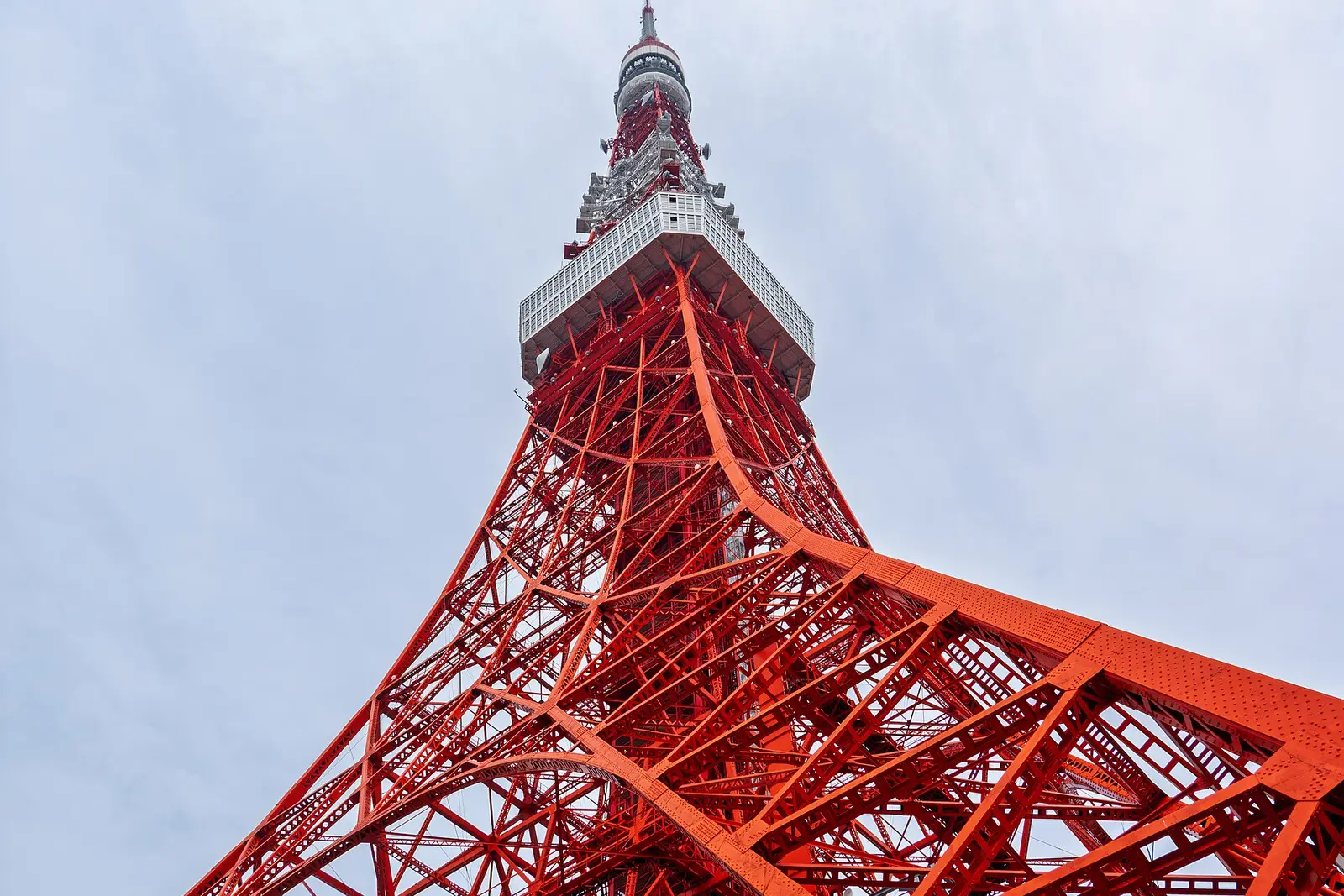
Tokyo Tower: Tokyo's Orange Landmark
A 333-meter landmark with two observation decks, and how to choose between them.
 ROPPONGI & TOKYO TOWER3 min read
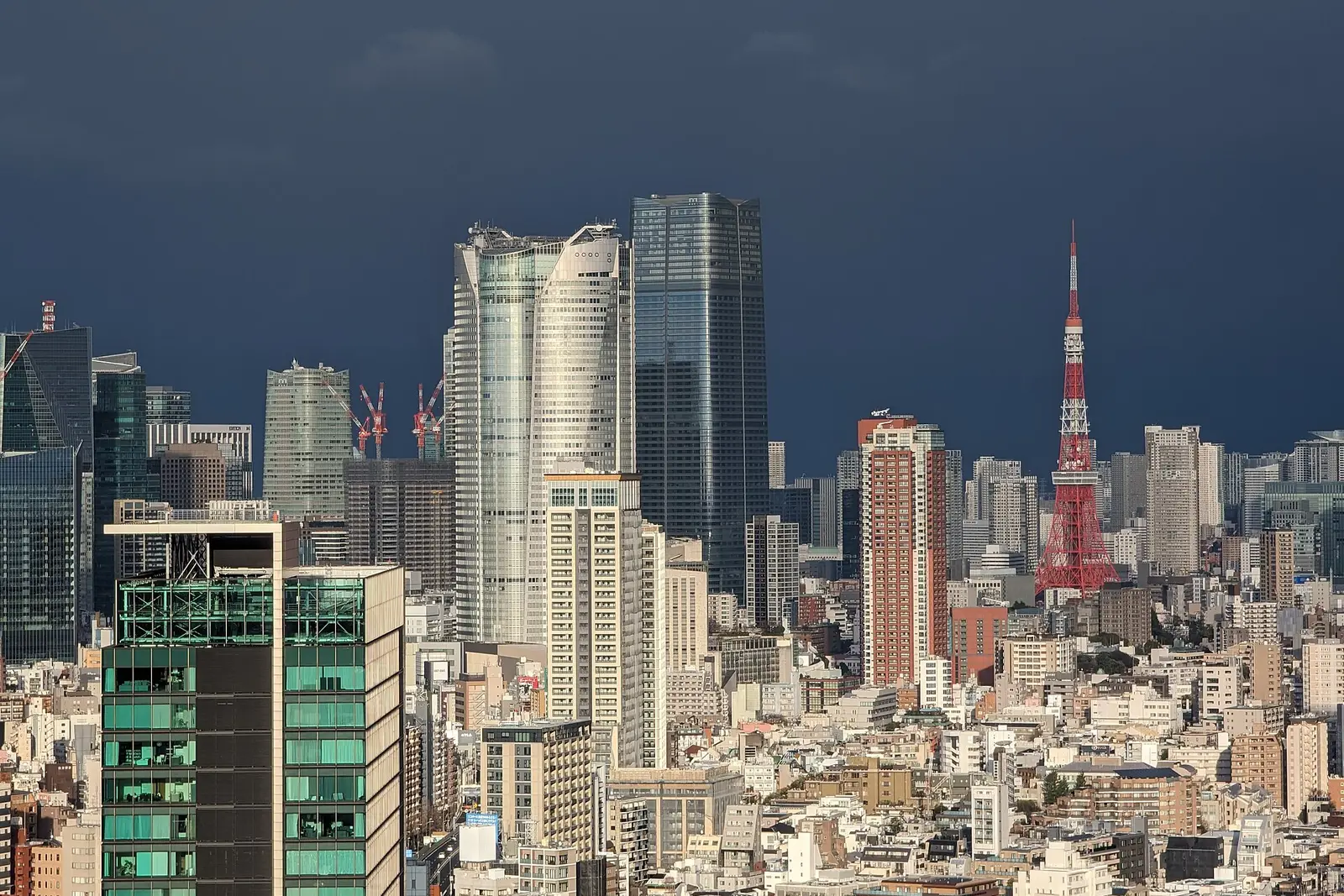
Roppongi Hills and Tokyo City View
A shopping and dining complex around a 54-floor tower, with a city-wide view from the 52nd floor.
 ROPPONGI & TOKYO TOWER3 min read
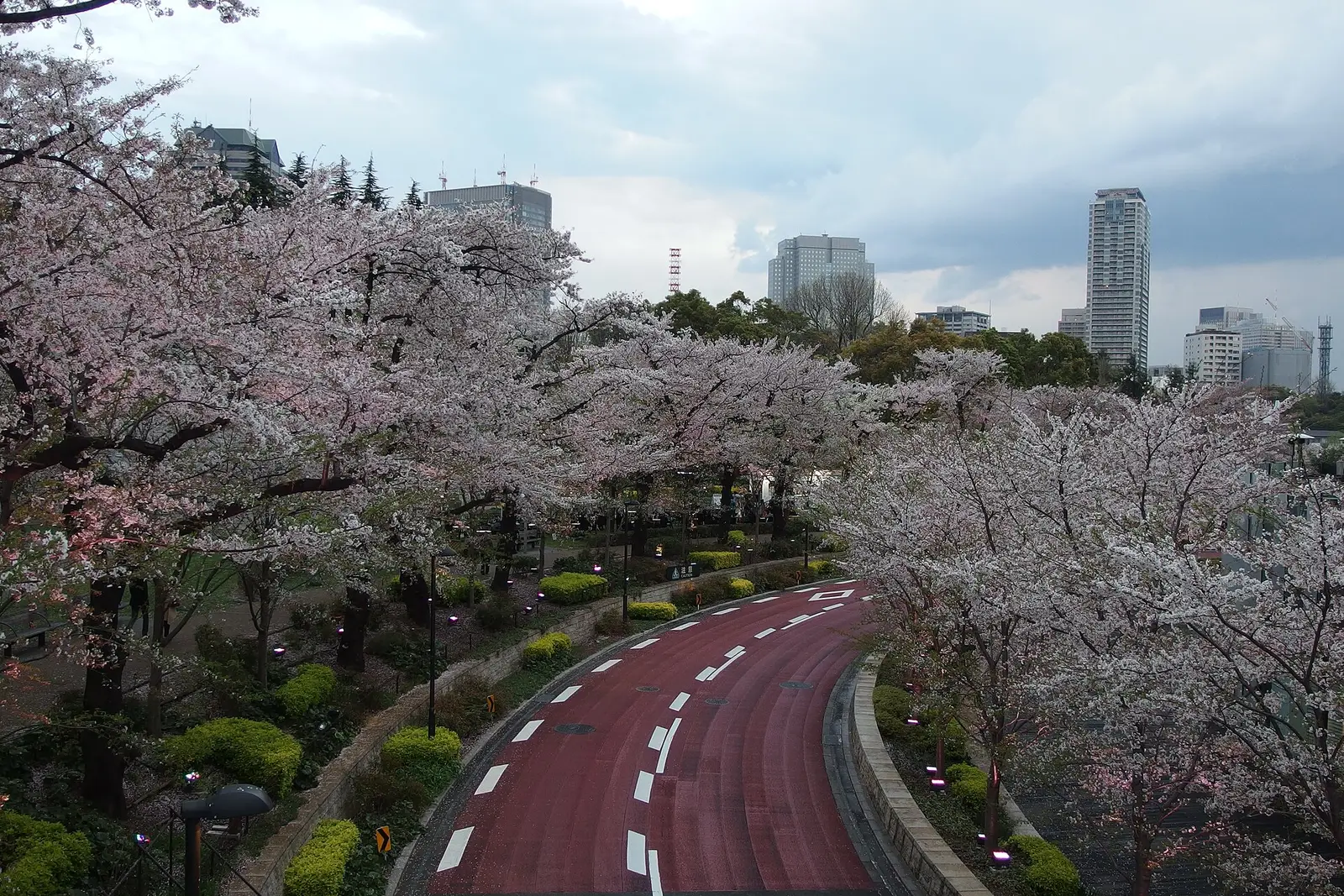
Tokyo Midtown: Gardens, Art and Shops
A shopping complex built around a large garden, with cherry trees, museums and a design gallery.