Destinations › Gifu › Takayama & Shirakawa-go
Takayama Jinya: The Last Samurai-Era Government Office
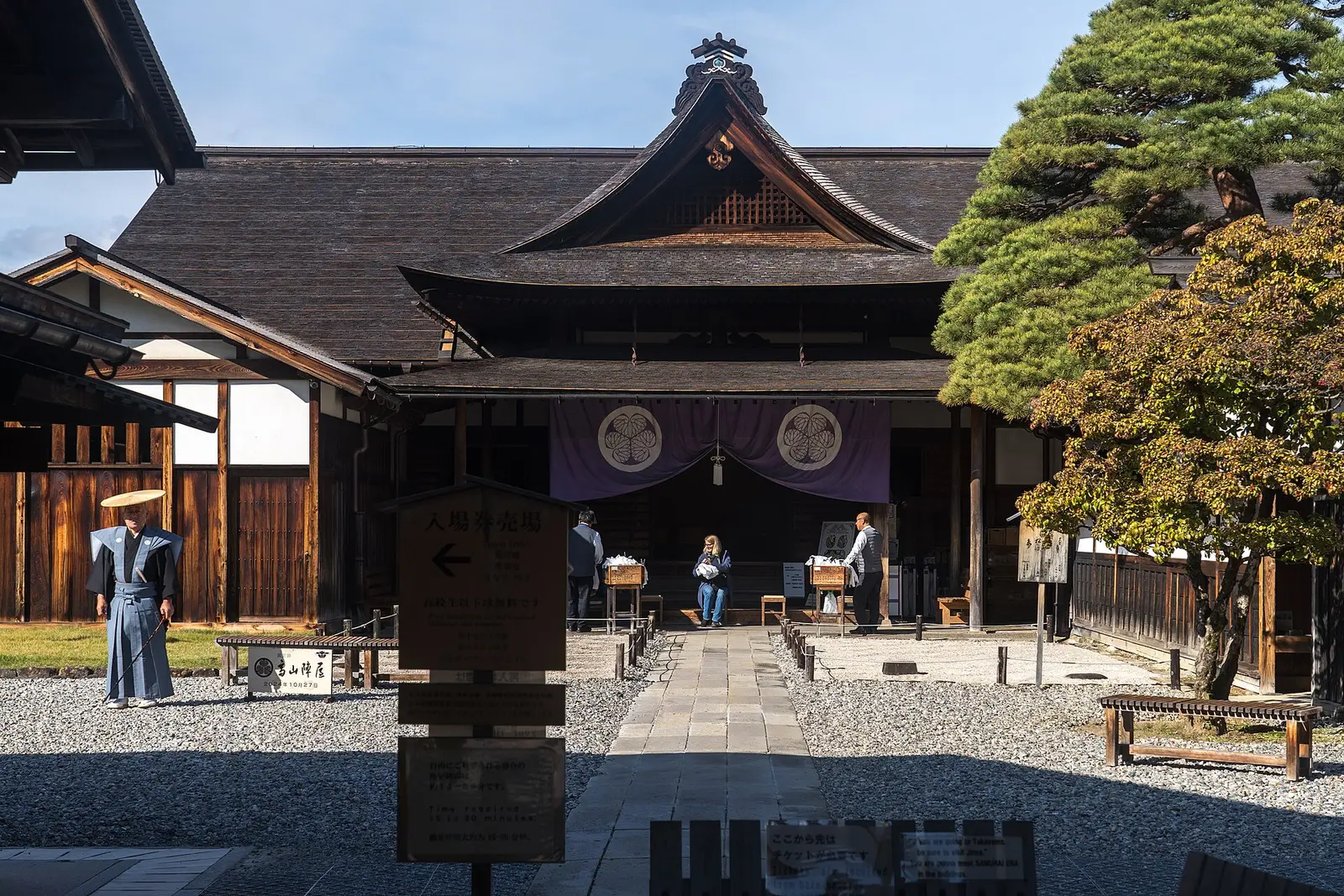
In the Edo period, the shogun's officials ran this part of Japan from a wooden building in the middle of Takayama. Most buildings like it have disappeared. This one is still standing, and you can walk through its rooms in about an hour.
What a jinya was
A jinya was a local office of the shogun's government. Officials sent from Edo, the old name for Tokyo, used it to run an area for the shogun. They collected taxes, kept order and held trials.
In Japan's late Edo period, there were about 60 such offices. Takayama Jinya is the only one where the main building survives.
Why Takayama had one
For a long time, the lords of Hida Province, the Kanamori clan, ruled this area. In 1692, the shogunate moved them to another domain and took the region under its own control. The reason was simple. Hida had valuable timber, as well as gold, silver, copper and lead in its mountains. That made it too valuable to leave to a local lord.
A government office was set up here, and governors ruled Hida for the next 176 years, until 1868. After that, the building was used as a local government office through the Meiji period. The last office moved out in 1969, and the building is now a museum.
Inside the main building
The main building is a maze of tatami rooms that once served as offices, meeting rooms, guest rooms and family quarters. Here are the parts worth slowing down for.
The Ohiroma is the large reception hall, used for formal events through the year. Three connected rooms add up to 49 tatami mats. The veranda looks out on a garden that changes with the seasons, so it is a good spot to sit for a minute.
The Arashiyama-no-ma was the daily living room of the governors and their families. There is a small tearoom at the back.
The Oshirasu is the courtroom, where cases were investigated and judgments were announced. It is the part of the building that makes you remember this was a place of real power.
Look for the small details, too. The wave pattern over the entrance alcove is a symbol of lasting peace. On the nail covers along the beams, you will see little rabbit shapes, which are said to protect the house from fire.
The rice granary
Across the grounds stands the Onkura, a storehouse for rice that people paid as tax. It was moved here from Takayama Castle in 1695, and it is believed to date from around 1600. It is described as one of the oldest and largest earthen-walled granaries from the Edo period in Japan. Inside, you can see old documents, maps and tools from the time.
Visiting tips
The ticket is ¥500 for adults, and children and teens up to age 18 enter free. The Jinya opens at 8:45 am, so it is a good first stop before the day gets busy. The official website also has a page that shows how crowded the Jinya is during the week, which helps if you have a flexible schedule.
A free guide is available, and English is one of the languages. Booking is done at the ticket counter or by phone, and there are only so many guides, so ask as soon as you arrive. Tours last from about 15 minutes for a short version to about an hour for the full one.
If you are driving, note that the Jinya has no parking lot of its own. Plaza Jinya is about a one-minute walk away, and the Nakabashi lot is about three minutes.
Nearby
The Jinya-mae morning market sets up on the street right outside the front gate, every day. The old merchant streets of Sanmachi Suji are a short walk away. If you start at the market, then visit the Jinya when it opens, then walk the old town, you will have covered the best of central Takayama by lunch.
More on Takayama & Shirakawa-go
 TAKAYAMA & SHIRAKAWA-GO3 min read
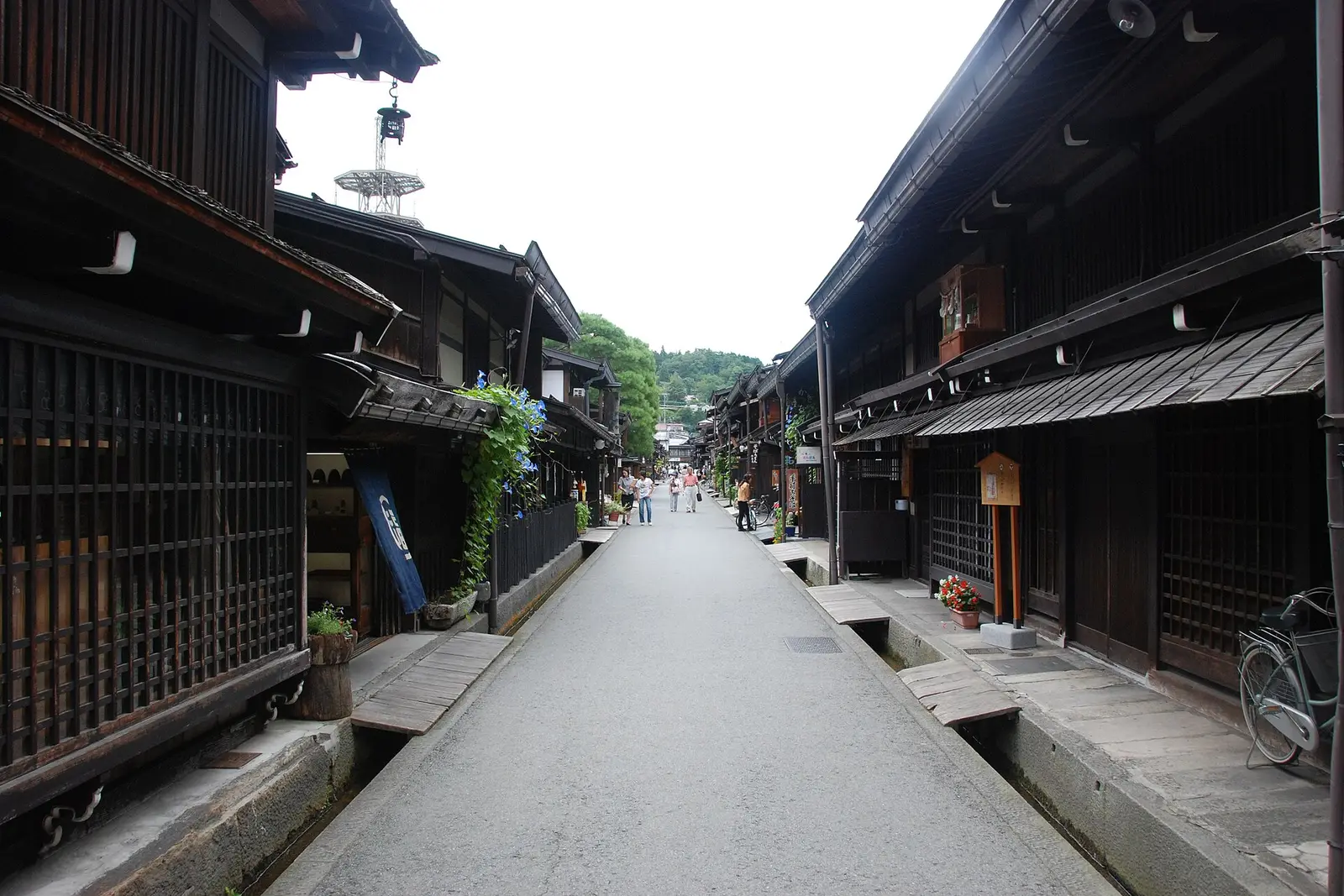
Sanmachi Suji: Takayama's Old Merchant Streets
Three narrow streets of dark wooden merchant houses, sake breweries and small shops in the heart of Takayama.
 TAKAYAMA & SHIRAKAWA-GO3 min read
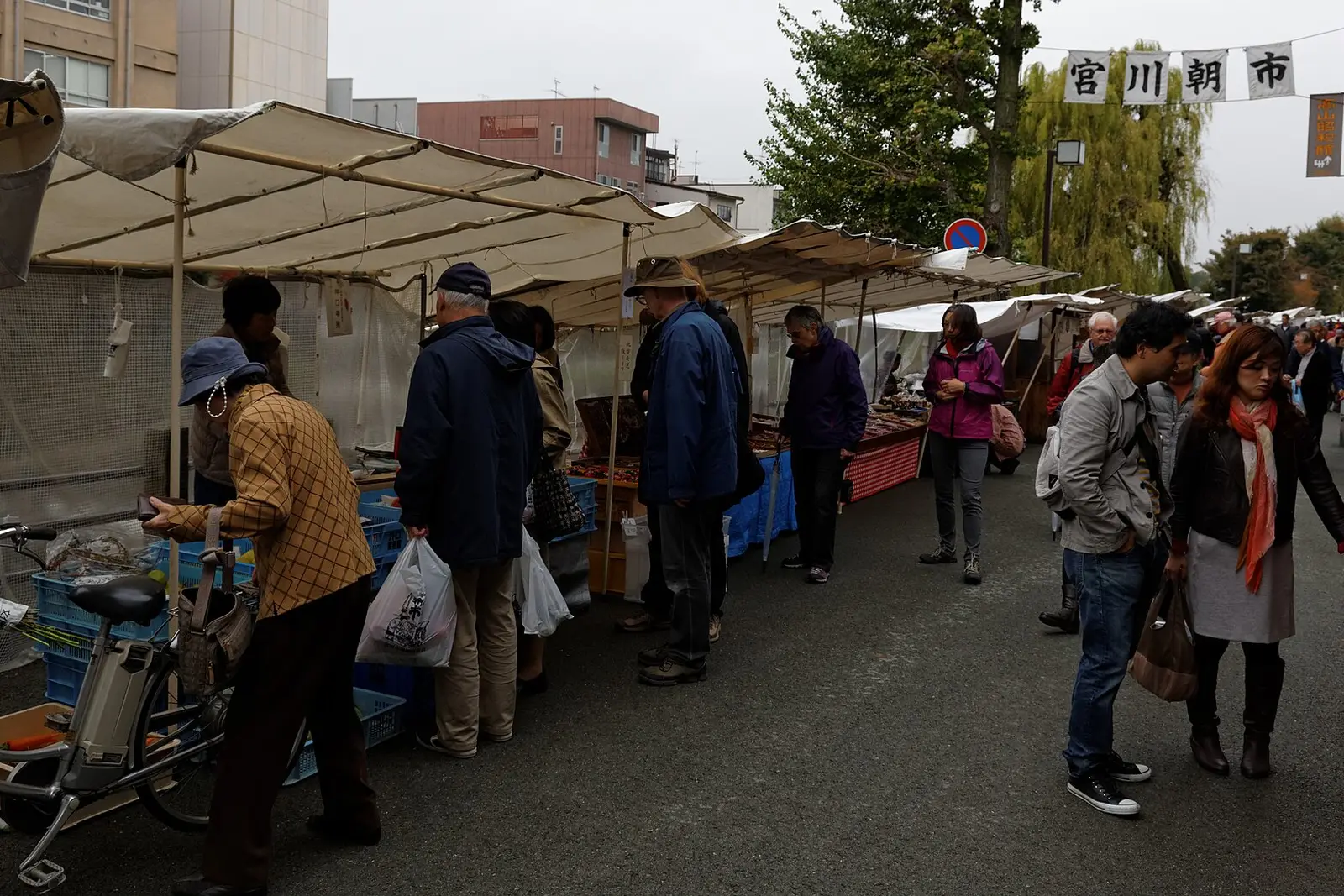
Takayama Morning Markets: Two Stalls Streets by the River
Two daily markets in the old town where local farmers and craft sellers set up before breakfast.
 TAKAYAMA & SHIRAKAWA-GO3 min read
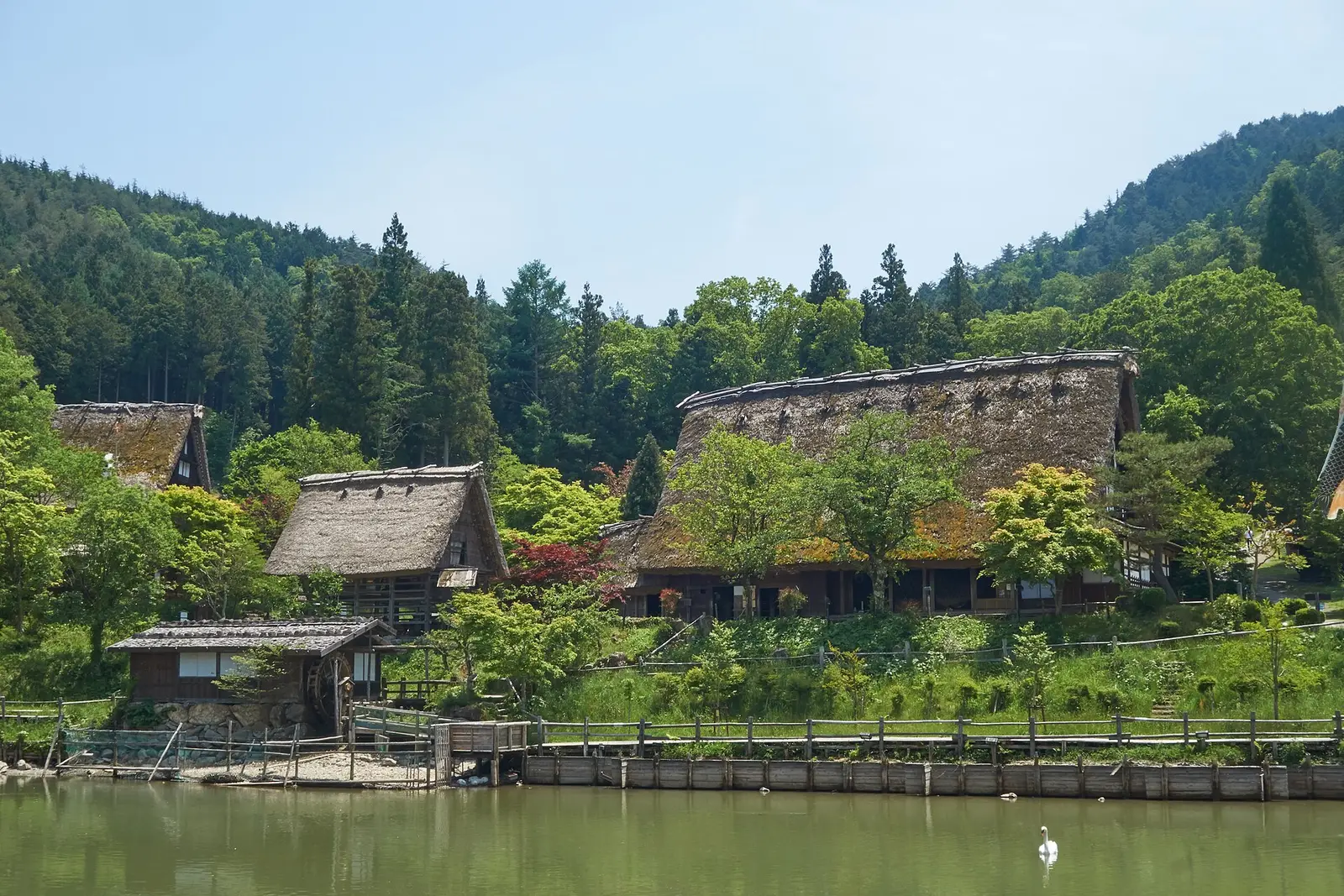
Hida Folk Village: Old Farmhouses on a Hillside
An open-air museum of more than 30 old mountain houses, a good warm-up for Shirakawa-go.