Destinations › Kanagawa › Yokohama
Yokohama Chinatown: Japan's Biggest Food Street
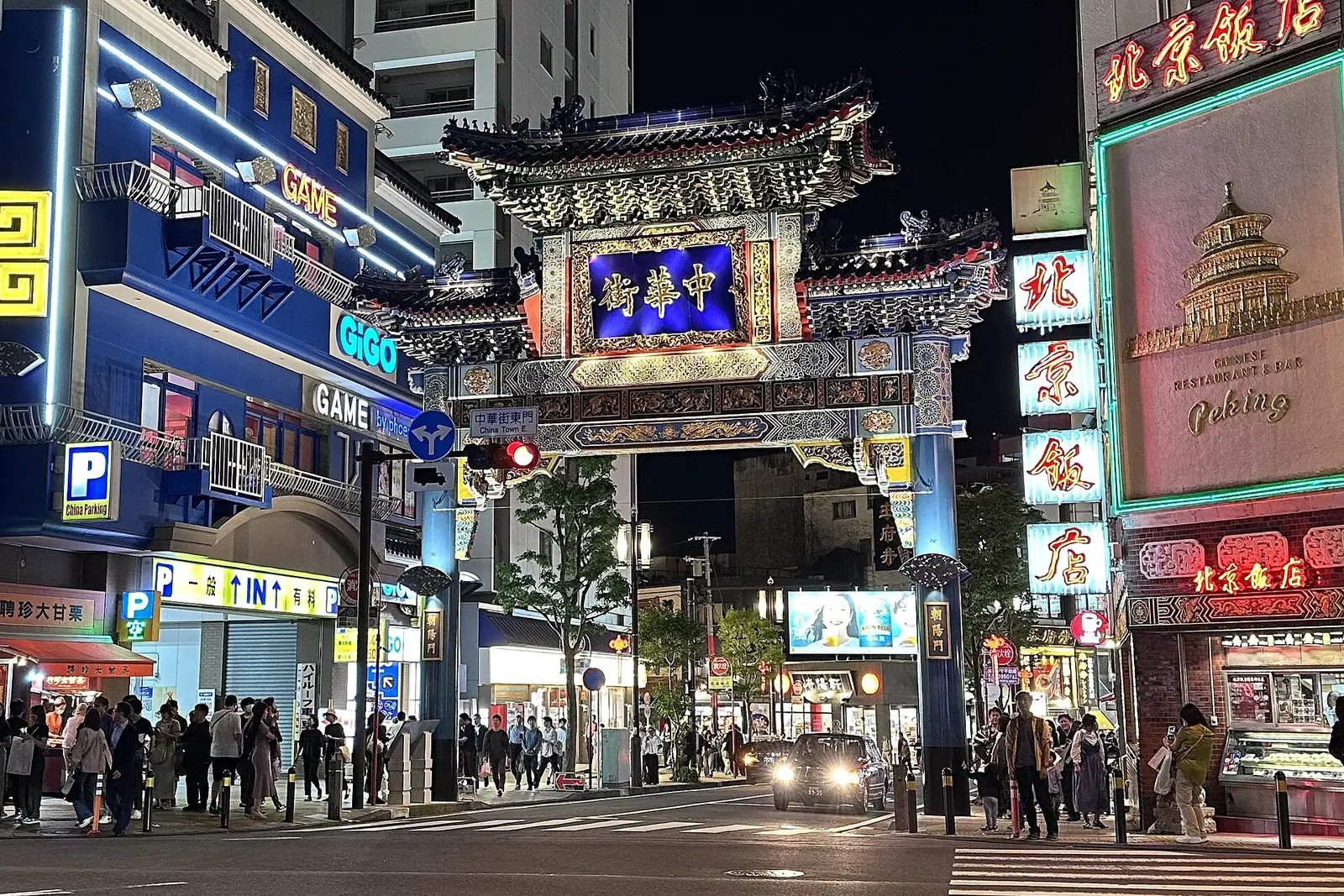
Step through a tall, painted gate and the street changes. Red lanterns hang overhead, steamers puff on the sidewalk, and almost every sign is in Chinese characters. This is Yokohama Chinatown, one of the best places in the Tokyo area to eat a meal that is not Japanese food.
How Chinatown began
Yokohama opened as a trading port in 1859. Chinese merchants arrived soon after, and they settled together near the harbor and built their own community. Their neighborhood grew into the Chinatown you see today.
It is now counted as one of the three big Chinatowns of Japan, alongside the ones in Kobe and Nagasaki. Yokohama's is the largest. Many people come from Tokyo for the day, and the main streets are easy to cover on foot.
The gates
Chinatown is marked by ornate gates, called paifang. They are brightly painted, with names written across the top. The Zenrinmon gate on the west side is the best known, and many visitors use it as the main entrance.
Look for the gates at the ends of the main streets, and look up. Each gate is a small landmark, so it helps to use them to find your way around. The roofs and carvings are worth a photo, especially in clear daylight.
What to eat
Food is the main reason people come, so give it most of your time. The district has more than 400 shops, and about 170 of them are Chinese restaurants. You will find Cantonese, Beijing, Shanghai and Sichuan cooking, so the choice is large. Some places put their menus or food samples outside, which makes ordering easy if you do not read Japanese.
If you want something quick, try the takeaway stands. Steamed pork buns, gyoza, dim sum and sweet treats are all sold on the street. Walk, snack, and then pick a sit-down place for a bigger meal. Some restaurants offer set courses with ten dishes if you come with a group.
Some dishes are adjusted to Japanese tastes, but authentic Chinese food is also easy to find. If you want to be sure, look for a busy restaurant with a line of locals out front.
Beyond the food
Chinatown is not only for eating. The streets are crossed by lanes named after Chinese cities and regions, such as Shanghai Road and Fujian Road, so even the street signs add to the feeling of being somewhere else. There are shops selling Chinese tea, herbs, snacks and souvenirs, and about 30 fortune-telling shops, many of which offer readings. You can also find traditional Chinese massage.
Two colorful temples are in the area: Kanteibyo, dedicated to Guan Yu, and Mazu Temple. Kanteibyo is about a five-minute walk from Motomachi-Chukagai Station. You can look at the outside for free, but there is a small fee, about ¥500, to go inside and pray. Check the temple's own site for opening hours before you go, because sources differ.
The biggest event is Chinese New Year, usually in early February. There are lion and dragon dances and parades, and the streets are lit with lanterns. It is much busier then, so expect to move slowly. In November, the district also holds a month-long food festival, with special menus at many restaurants.
Getting there and tips
The nearest stations are Motomachi-Chukagai (Minatomirai Line) and Ishikawacho (JR Negishi Line). Both are under 10 minutes by train from Yokohama Station.
Weekends and holidays are very crowded, and popular restaurants may have a line at lunchtime. Come on a weekday if you can, or go in the early evening, when the lanterns are lit. Bring some cash in yen, in case a small stall does not take cards.
Nearby
Chinatown is a good start to a Yokohama day. From here, you can walk to the waterfront and the Red Brick Warehouse, then continue to Cosmo Clock 21 and the Cup Noodles Museum. For a quiet afternoon, take a bus to Sankeien Garden.
More on Yokohama
 YOKOHAMA3 min read
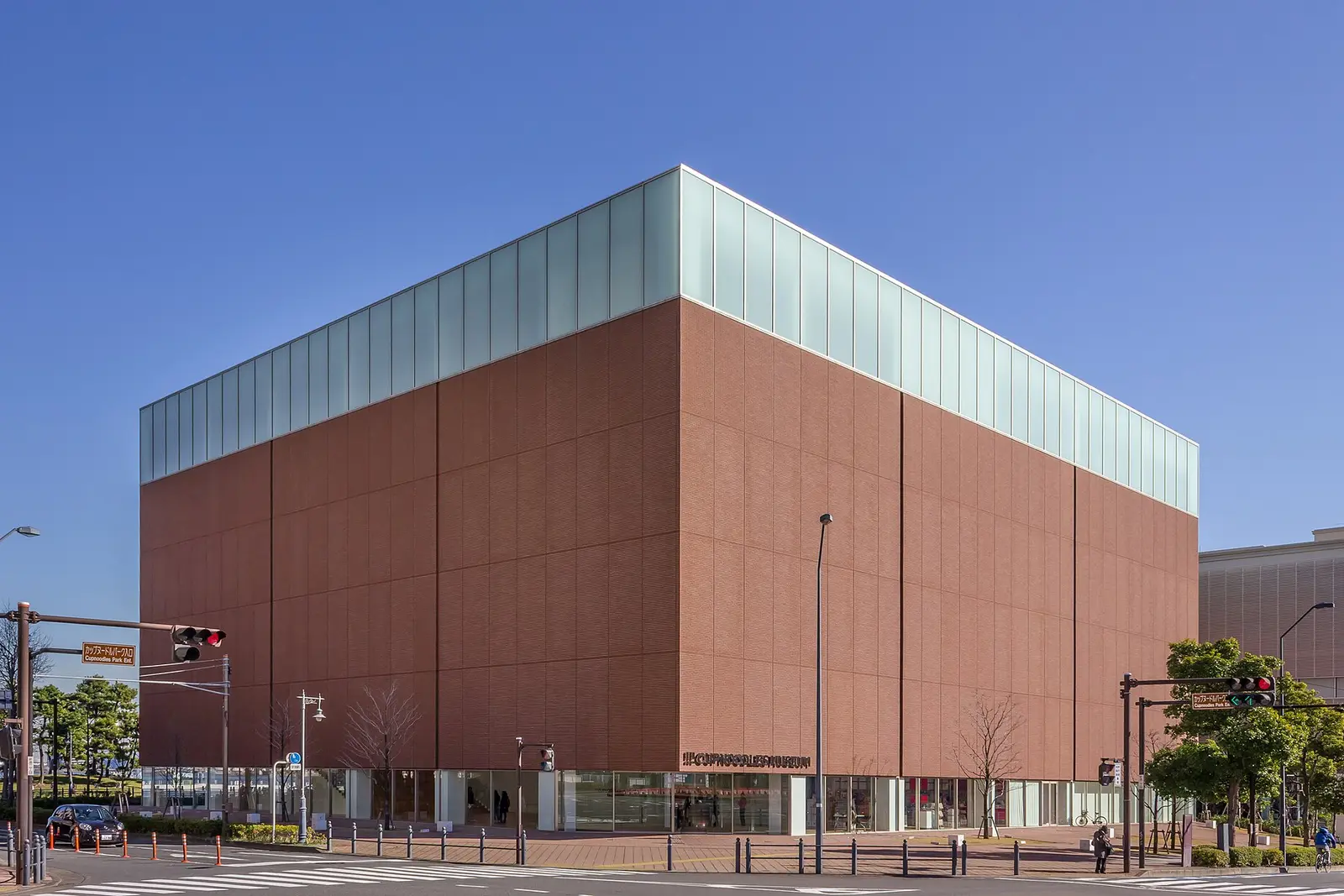
Cup Noodles Museum: Make Your Own Cup Noodles
Design your own Cup Noodles in 45 minutes, or make instant ramen from scratch. Here is what to book ahead.
 YOKOHAMA3 min read
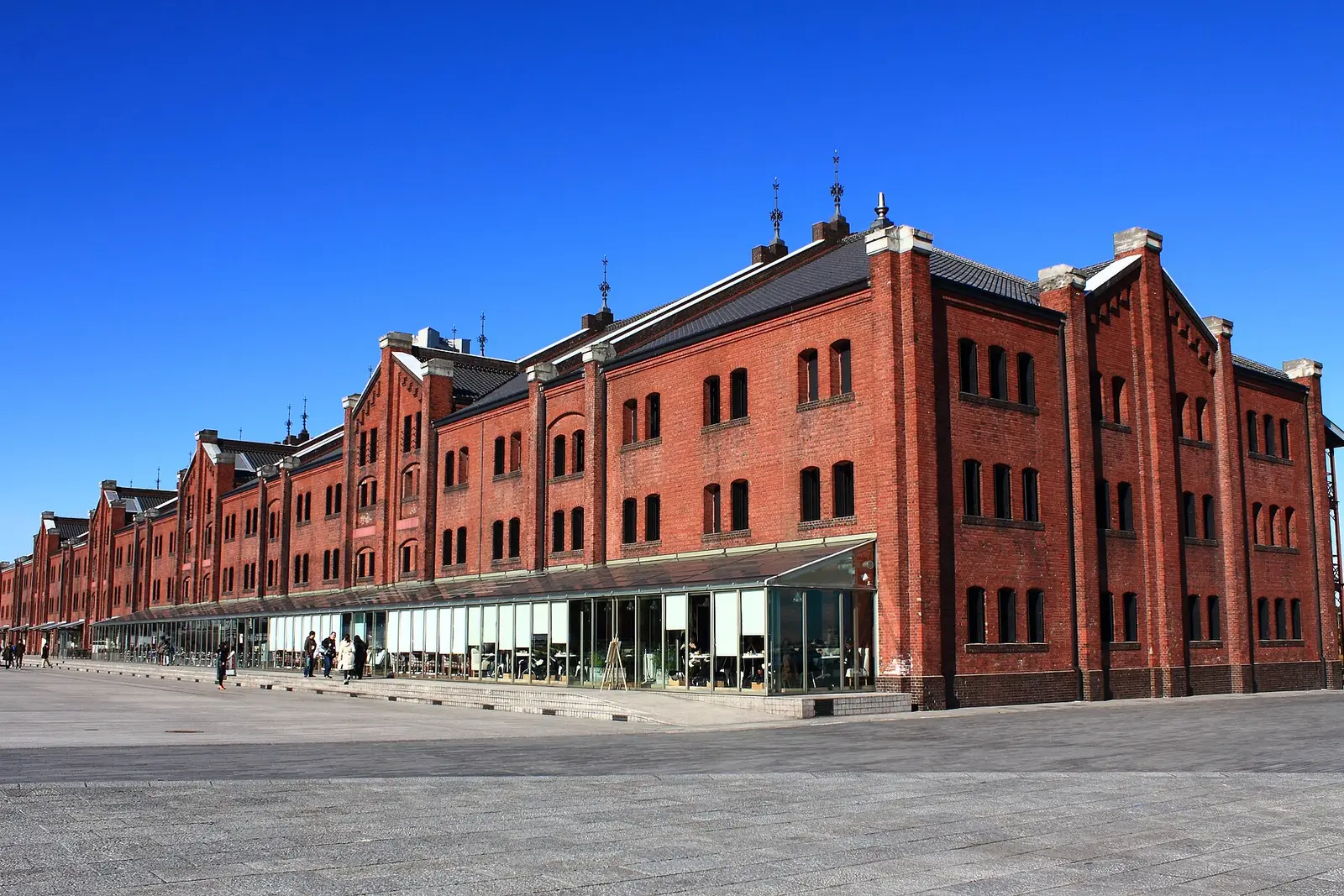
Yokohama Red Brick Warehouse: Old Port Buildings, New Life
Two port warehouses from the early 1900s, now free to enter, with shops, cafes and a bayside lawn.
 YOKOHAMA3 min read
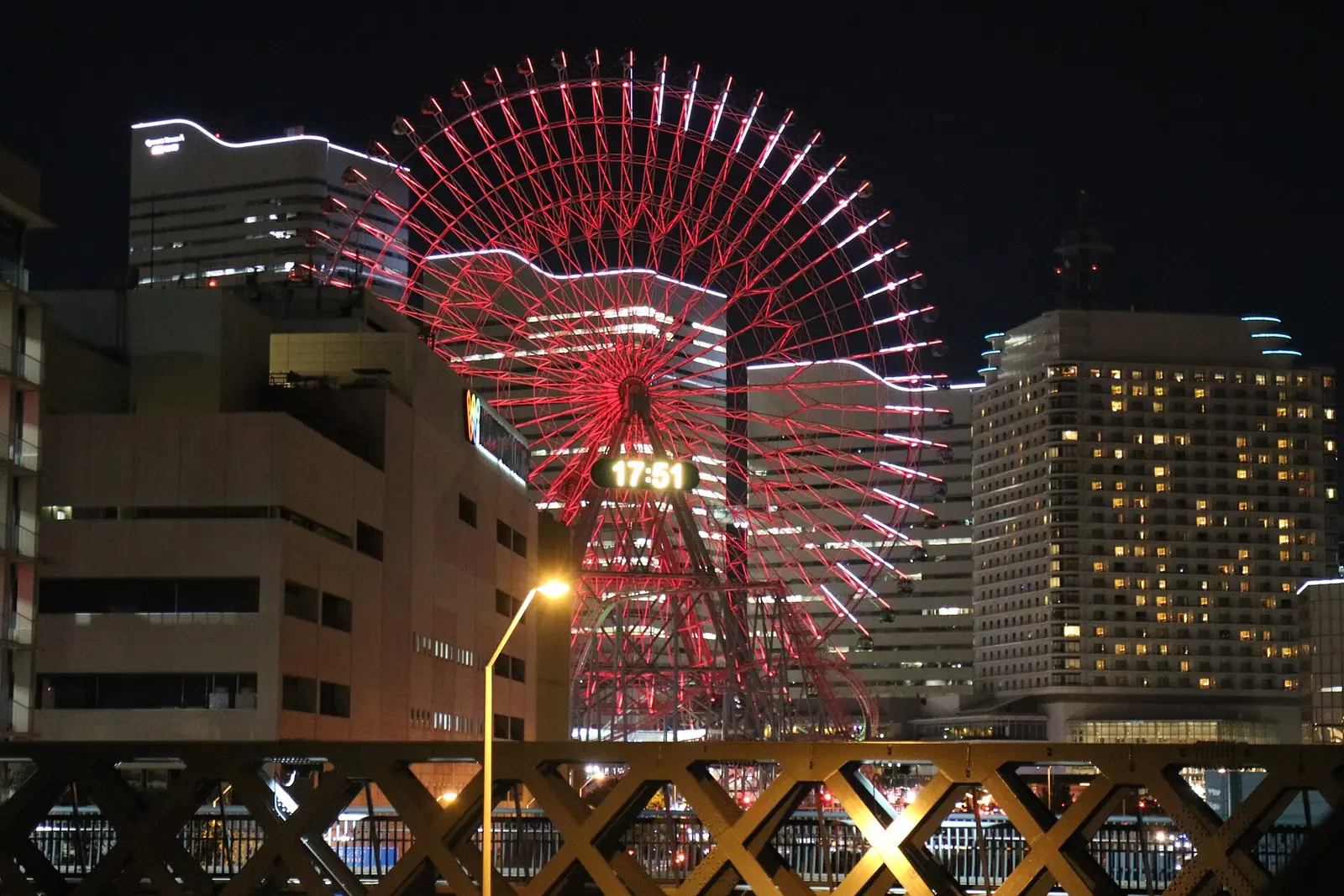
Cosmo Clock 21: Yokohama's Giant Ferris Wheel
A 112-meter ferris wheel beside Yokohama Bay, with a 15-minute ride and a colorful light show after dark.