Destinations › Kanagawa › Yokohama
Yokohama Red Brick Warehouse: Old Port Buildings, New Life
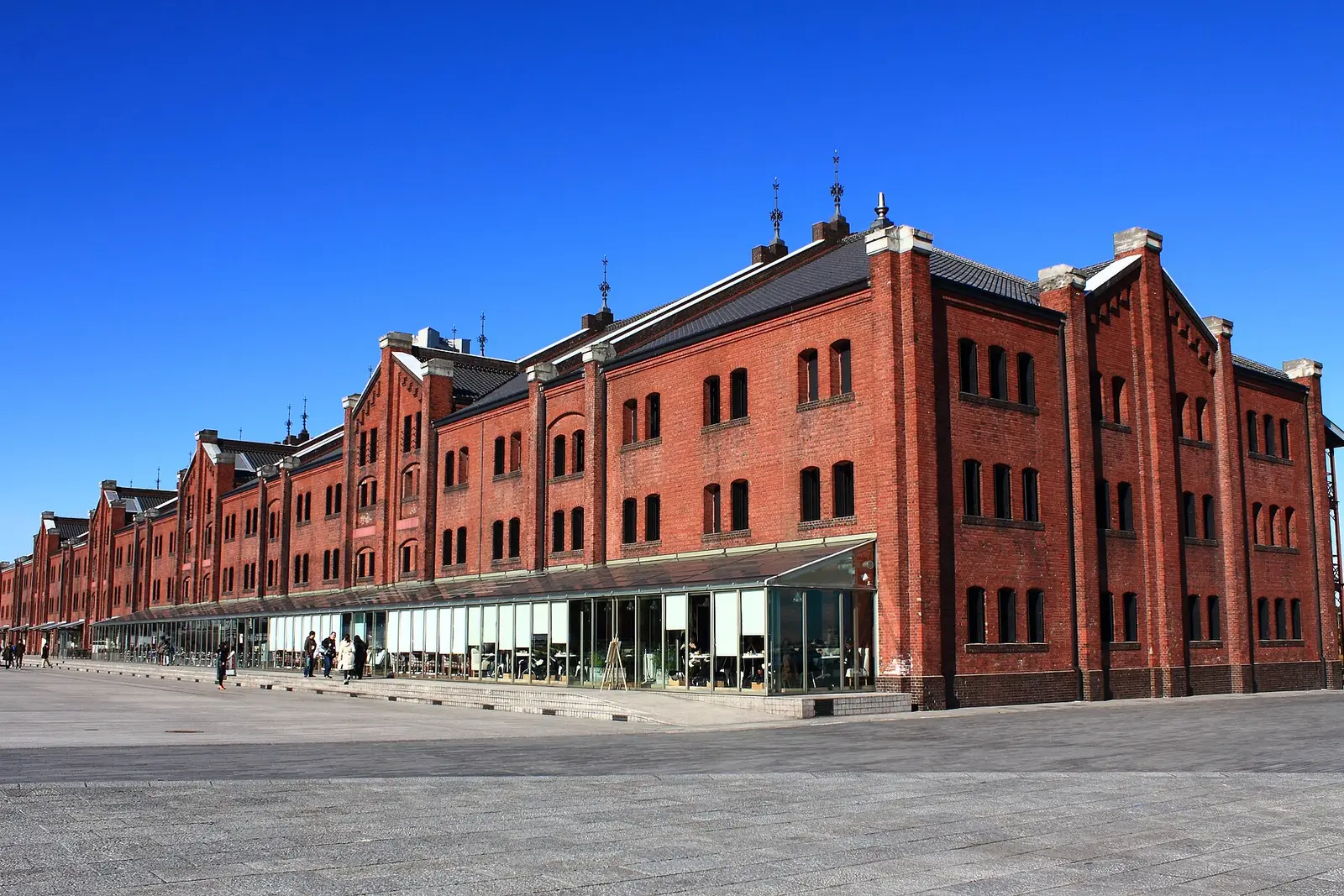
Two long red buildings stand beside Yokohama Bay. A little over a hundred years ago, they were storehouses for goods coming in and out of Japan. Today you can walk in for free, shop, eat, or just sit on the lawn outside and watch the ships.
A port built from brick
The two buildings were part of Shinko Pier, a new harbor area built in the early 1900s. Warehouse No. 2 was finished in 1911, and No. 1 followed in 1913. Both were bonded warehouses, which means goods could be stored there before customs duties were paid.
They were advanced for their time. The official history says they had Japan's first cargo elevator, along with sprinklers and fire doors.
In 1923, the Great Kanto Earthquake partly destroyed Warehouse No. 1. Its earthquake-resistant construction helped it survive, but by 1930 it had been reduced to about half its original size. Warehouse No. 2 was strengthened against earthquakes.
During World War II, the warehouses held military supplies. After the war, the US military took them over as a port headquarters until 1956, and they went back to being a customs warehouse after that.
From warehouse to attraction
The city of Yokohama bought the buildings in 1992 and restored them between 1994 and 1999. Workers repaired the roofs and windows, removed graffiti, and added steel supports to make them stronger. The inside was rebuilt for shops and events in 2000, and the complex opened to the public on April 12, 2002.
What is inside
Once a place only for cargo, the two buildings now hold shops, restaurants and cafes, along with event space and a hall. The shops are a good place to look for souvenirs, and the cafes make an easy stop between sights.
Outside, the open ground between the buildings and next to the water is called Akarenga Park. It is used for events and festivals through the year. In winter, a Christmas market is held here, and this year it runs from November 20 to December 25. Other events, like a hamburger festival in mid-November and a relay marathon, come and go through the year. Check the website's news page to see what is on during your visit.
Tips for visiting
If you like history, look for the audio guide on the warehouse website. It follows the traces of the past that remain in the buildings. Even without it, take a moment to look closely at the brick outside before you go in.
You do not need a ticket, so you can stop in for a short look or stay for an afternoon. The two buildings have different opening times: Building 1 opens at 10 am and closes at 7 pm, and Building 2 opens at 11 am and closes at 8 pm. Restaurants and cafes have their own hours, so check before you plan a meal, and do not count on a late dinner. The warehouses are open every day except for legally required inspection days.
On weekends and holidays, the area is busy, and the management asks visitors to use public transport because of traffic.
Getting there
The easiest walk is about 6 minutes from Bashamichi or Nihon-odori Station on the Minatomirai Line. From Minatomirai Station it is about 12 minutes, and from JR Sakuragicho Station or Kannai Station it is about 15. The Akai Kutsu sightseeing bus, which loops around the main sights, stops near the warehouses. There is also a water bus called Sea Bass that links Yokohama Station, Minatomirai, the warehouses and Yamashita Park, and a cable car called Yokohama Air Cabin that links JR Sakuragicho Station with the Shinko district.
Nearby
The Cup Noodles Museum and Cosmo World, home of the Cosmo Clock 21 ferris wheel, are both in the same Shinko waterfront district. Chinatown is a separate district, and it works well as a place for dinner.
More on Yokohama
 YOKOHAMA3 min read
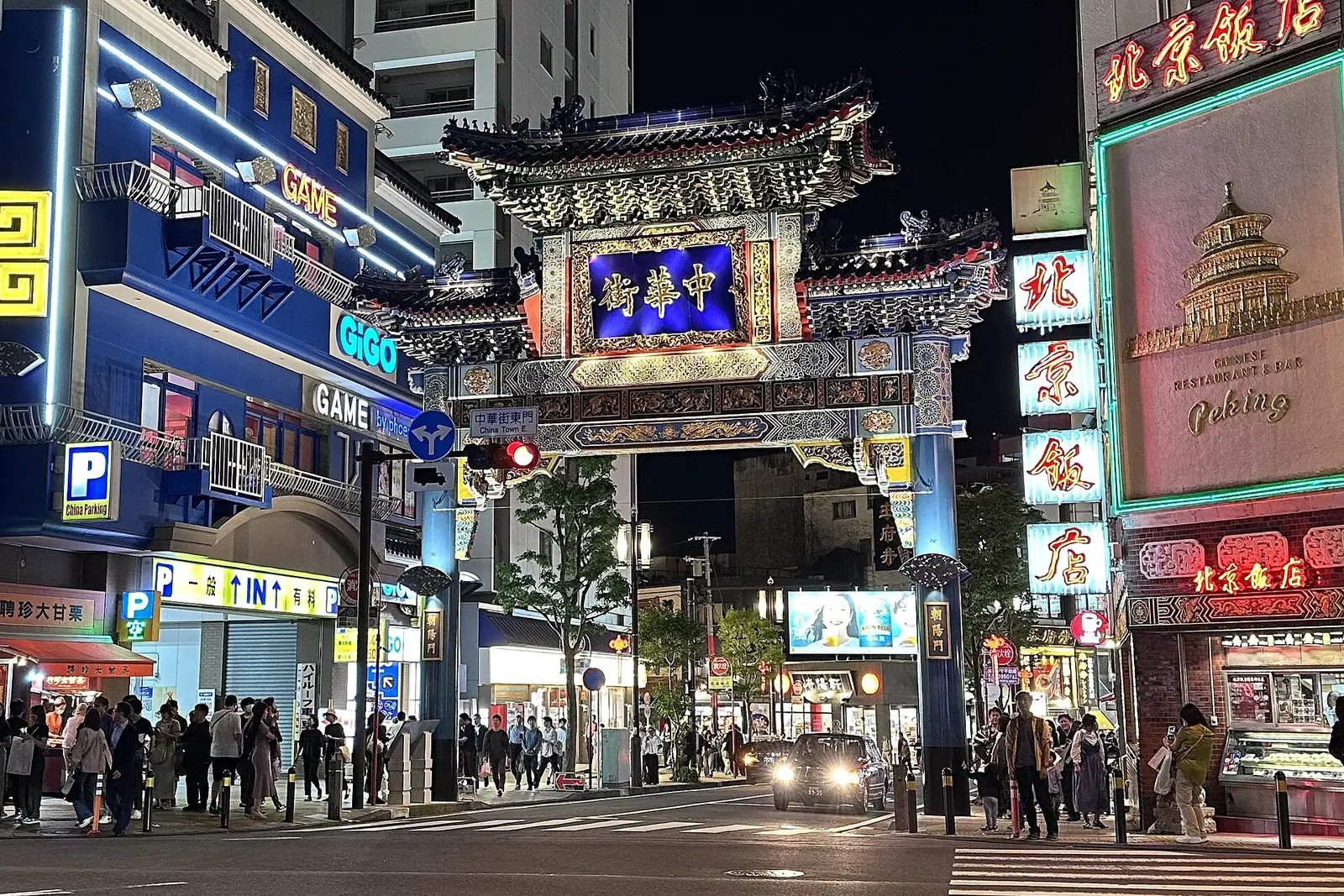
Yokohama Chinatown: Japan's Biggest Food Street
More than 400 shops and about 170 Chinese restaurants packed into a few colorful blocks by the port.
 YOKOHAMA3 min read
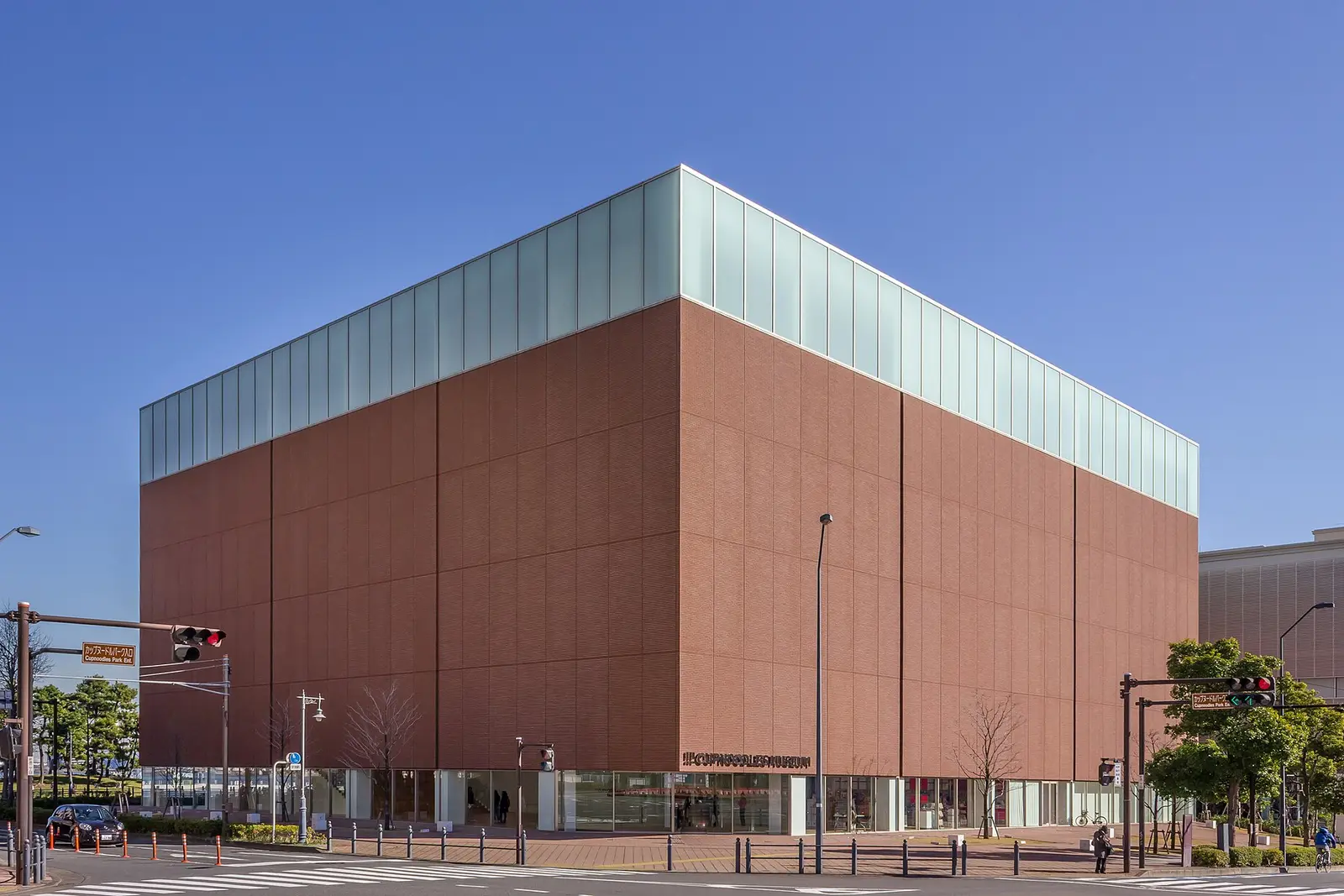
Cup Noodles Museum: Make Your Own Cup Noodles
Design your own Cup Noodles in 45 minutes, or make instant ramen from scratch. Here is what to book ahead.
 YOKOHAMA3 min read
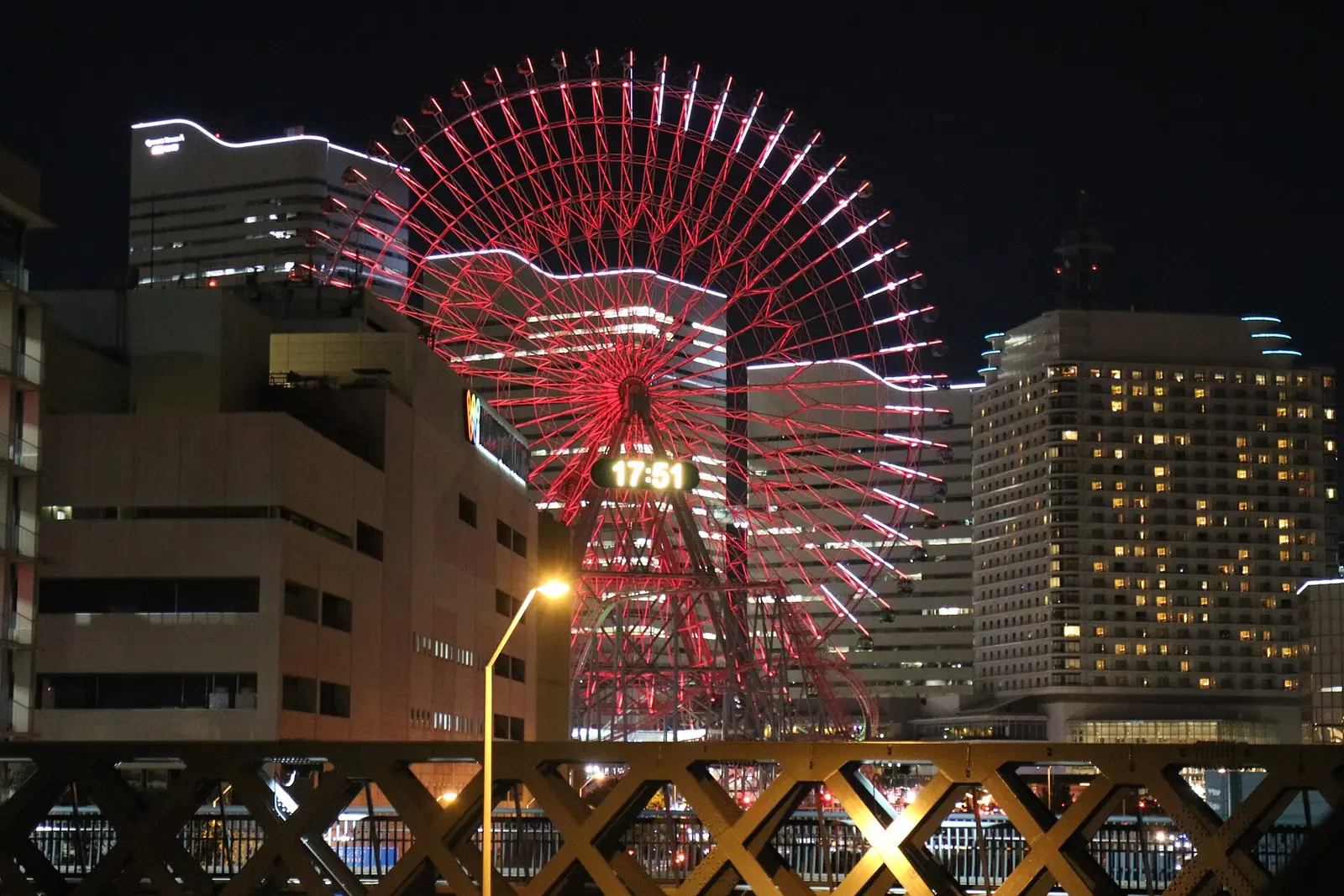
Cosmo Clock 21: Yokohama's Giant Ferris Wheel
A 112-meter ferris wheel beside Yokohama Bay, with a 15-minute ride and a colorful light show after dark.