Kushida Shrine: Hakata's Guardian Shrine
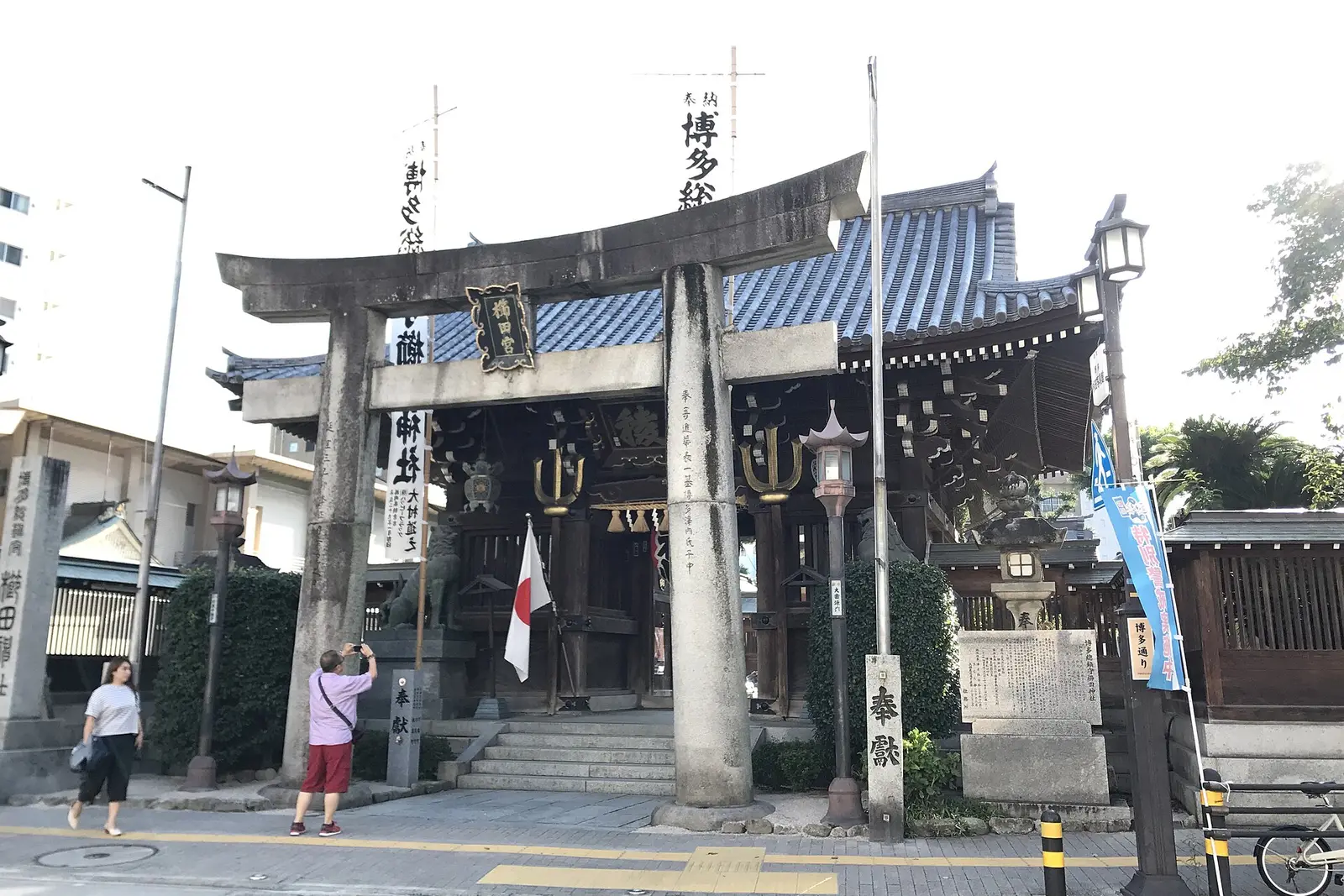
Locals call it Okushida-san. This is the shrine of old Hakata, the merchants' town that is now part of Fukuoka. It is small and calm for most of the year. Every July, it becomes the starting line of one of Japan's wildest festivals.
The oldest shrine in the city
Kushida Shrine is the oldest shrine in Fukuoka and the guardian shrine of Hakata. Tradition dates it to the year 757. It honors a god of long life and success in business, which fits a town that grew rich on trade. The main hall you see today dates from the 16th century. The warlord Toyotomi Hideyoshi helped rebuild it in 1585, as part of his restoration of Hakata.
The grounds are not large, and you can see the main points in half an hour. But the shrine is at the heart of the city's identity.
Hakata Gion Yamakasa
Kushida Shrine is dedicated to the Hakata Gion Yamakasa, a summer festival that is registered by UNESCO as Intangible Cultural Heritage. It runs from July 1 to 15 every year.
The festival has two kinds of floats. The kazariyama are tall, decorated floats made for display. They are shown in public places around Fukuoka from July 1, and you can see them for free. The kakiyama are the racing floats. Teams of men carry them at a run through the streets.
The climax is the Oiyama race on the morning of July 15. In 2026 it started at 4:59 am. The first float enters the shrine grounds, and the others follow one by one. The route runs about 5 km through the city. If you plan to see it, arrive early. Roads are closed to cars, and extra trains run in the early morning. Check the official festival site for the exact schedule, since the days of practice runs change from year to year.
What to see the rest of the year
You do not need to come in July. A decorated float about 13 meters tall stands on the grounds from July to May, and it is taken down for June. It is the best chance to see one up close.
At the entrance stands a ginkgo tree said to be over 1,000 years old. It is a designated cultural property of Fukuoka Prefecture and is treated as a sacred tree.
Look for the row of chikara ishi, or "power stones." Long ago, people lifted them to predict the weather and the harvest. Today sumo wrestlers donate them to the shrine, and there is a smaller stone that visitors can try to lift. In late February, the early-blooming Kawazu cherry trees on the grounds begin to flower.
Visiting
The shrine is free to enter and open every day from 4 am to 10 pm, so it works as a stop at any time, including a quiet morning visit. Pray as you would at any shrine: bow lightly at the gate, wash your hands at the water basin, and keep your voice down.
Getting there
The nearest subway stations are Kushida-jinja-mae on the Nanakuma Line, a 2-minute walk, and Gion and Nakasu-Kawabata, each about 5 minutes away. From Hakata Station, take the Nanakuma Line to Kushida-jinja-mae. Canal City Hakata is about 3 minutes from the same station exit. If you come by car, the shrine has a paid lot for 100 cars, but the subway is easier.
Nearby
Canal City Hakata is close by, and the Nakasu yatai food stalls are in the same area. The Kawabata Shopping Arcade is Hakata's oldest shopping street, with about 130 shops along 400 meters. On Fridays, Saturdays and Sundays, it serves zenzai, a sweet red bean soup with mochi, until it sells out. Tochoji Temple, home to a 10.8-meter wooden Buddha, is also in Hakata. For a longer trip, Dazaifu Tenmangu is a day trip away.
More on Fukuoka
 FUKUOKA3 min read
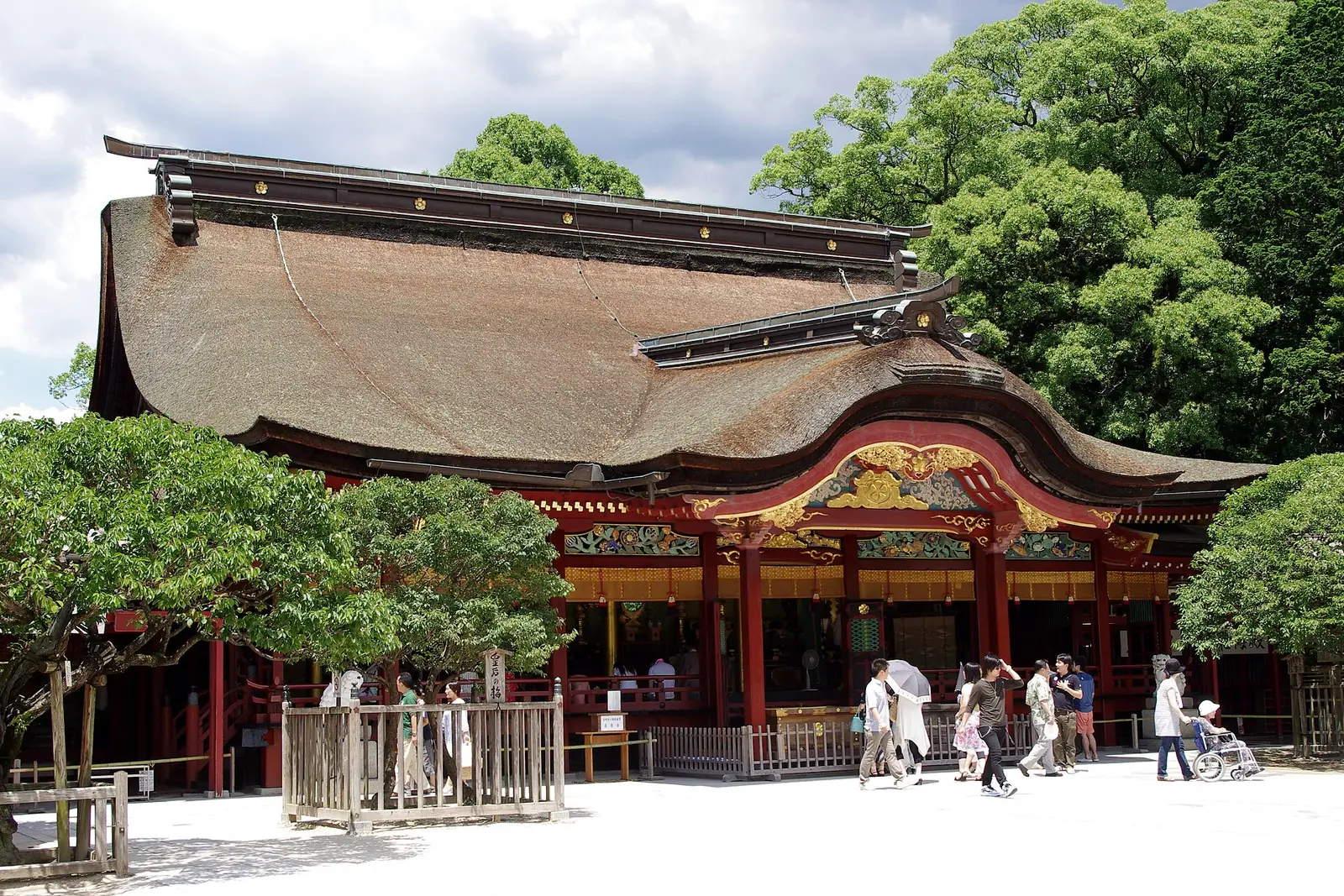
Dazaifu Tenmangu: Fukuoka's Shrine of Learning
The shrine of the god of learning, a 30-minute train ride from central Fukuoka. Free to enter, with 6,000 plum trees.
 FUKUOKA3 min read
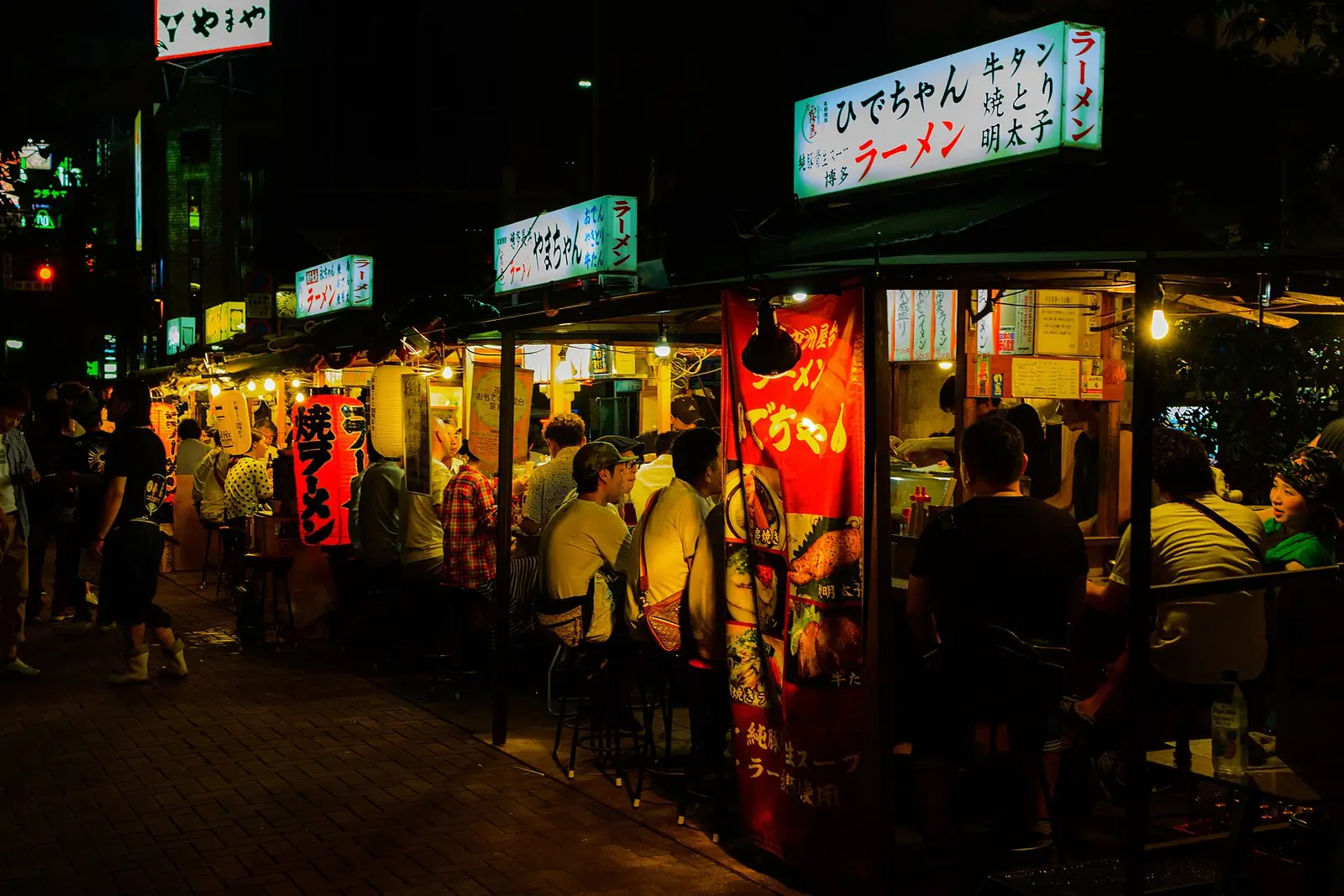
Fukuoka Yatai: Street Food Stalls After Dark
Over 100 open-air food stalls with a few stools each. What to eat, how to get a seat and how to pay.
 FUKUOKA3 min read
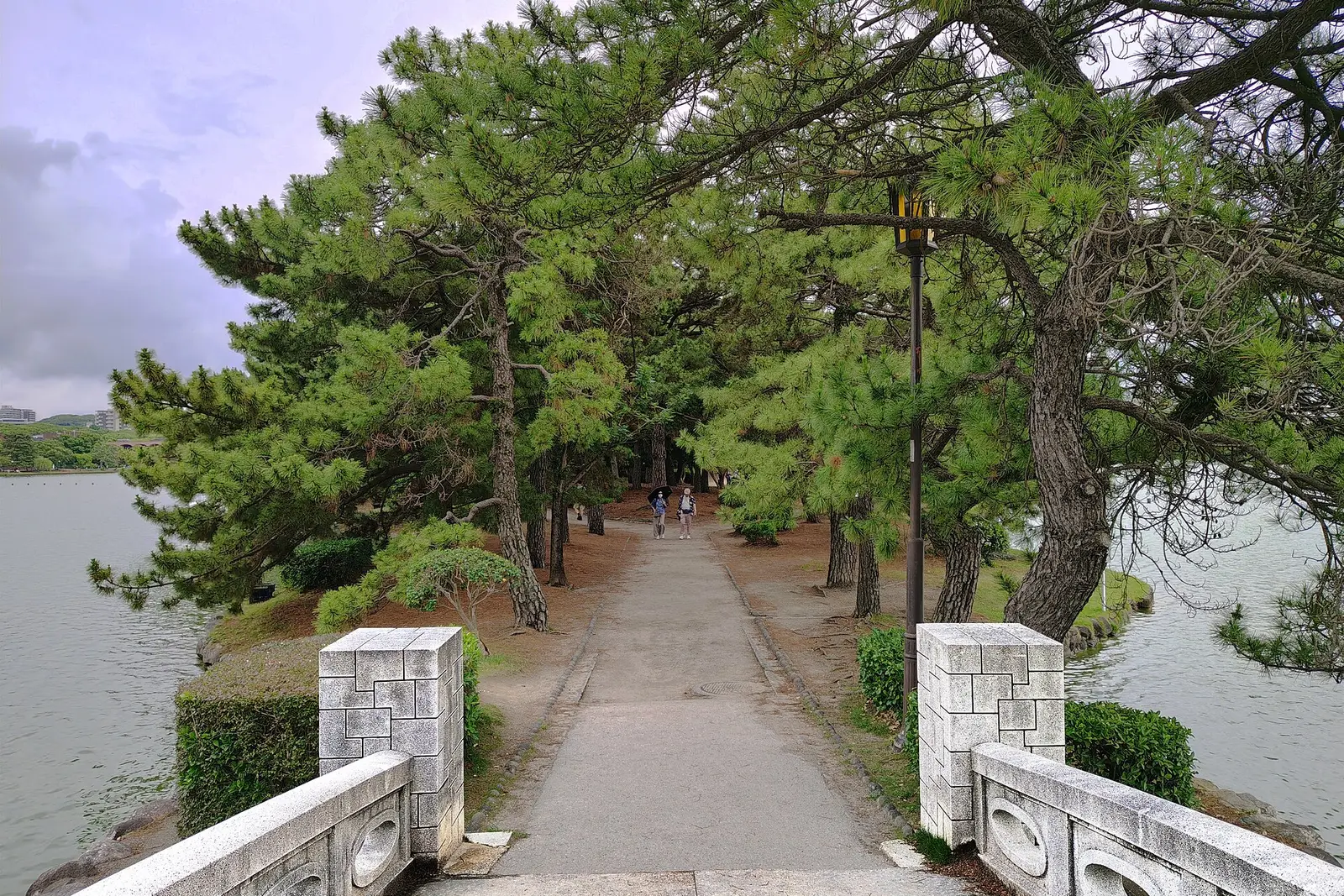
Ohori Park: A Walk Around Fukuoka's Castle Moat
A 2 km lakeside path in the middle of the city, with swan boats, a Japanese garden and the old castle ruins beside it.