Ohori Park: A Walk Around Fukuoka's Castle Moat
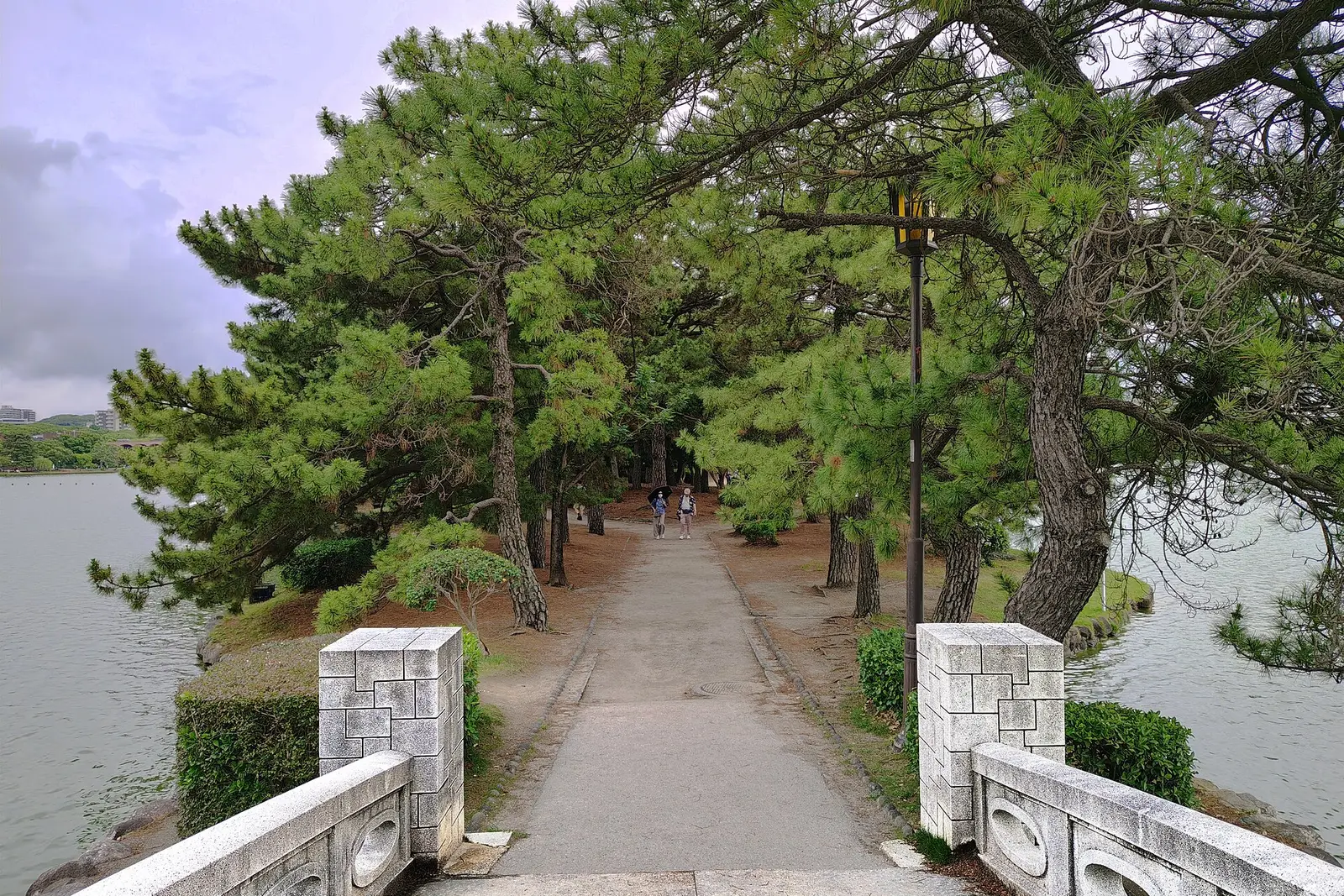
In the middle of Fukuoka, a few minutes from the department stores of Tenjin, there is a lake you can walk around in 40 minutes. Ohori Park is where the city comes to jog, row a boat and sit on the grass. The castle ruins are just up the hill.
A moat turned into a park
The lake was not always a park. Long ago, this area was a marsh called Kusagae that connected to Hakata Bay. When Fukuoka Castle was built, the north side was reclaimed, and the rest became the castle's western outer moat. The name Ohori simply means "great moat."
Plans for a park were made in 1925. Landscaping was done for a big trade fair in 1927, and Ohori Park opened in 1929. The pond is now a registered monument of Japan.
Walking the lake
A path about 2 km long goes around the water, and a full lap takes about 40 minutes at an easy pace. The path is split by use. Brick is for walking, yellow rubber chips are for jogging, and asphalt is for cycling, so you can stroll without worrying about runners.
Three small islands sit in the pond: Willow Island, Pine Island and Sweet Flag Island. Four bridges lead out to them, and three of the bridges date from the park's opening. The Ukimido pavilion sits on an island in the middle of the lake.
In spring, tulips bloom around the park, and in summer there are sunflowers. From November to March, winter birds visit the pond. A fireworks festival is held at the park in summer.
Swan-shaped paddle boats and rowboats can be rented at the Boat House Ohori Park from March to early November. The boat house has rented out boats since 1933. Boats may not run in bad weather. Prices and hours are not listed on the park's website, so ask at the boat house. The first floor of the building has the Royal Garden Cafe, and a French restaurant is upstairs.
The Japanese Garden and the art museum
Next to the lake, the Ohori Park Japanese Garden opened in 1984. It covers 12,000 square meters and has a man-made mountain, a large lake, a rock garden and tea rooms with their own small gardens. It is a quieter, more formal walk than the lakeside path. The Fukuoka Art Museum stands beside it. It shows European artists such as Dali and Chagall, as well as artists born in Kyushu. The park also has a Noh theater with 590 seats. It was built in 1986 and holds Noh and Kyogen performances, as well as concerts and other shows.
Fukuoka Castle ruins
Just beyond the park is Maizuru Park, the site of Fukuoka Castle. Kuroda Nagamasa began building the castle in 1601, and it took about seven years. Several turrets and gates remain, including the Tamon-yagura, which is an important cultural property. The site is a national historic site. A visitor center near the ruins opened in 2012 and shows a computer-graphics film of how the castle looked. Maizuru Park is also known for its seasonal flowers. Nearby, the Korokan Historical Museum shows the remains of a guest house from the Heian period for foreign diplomats. At Sannomaru Square you can see history exhibits, visit the Josuian tea room and rent a kimono.
Getting there
The park is easy to reach by subway and bus from both Hakata and Tenjin. By subway, get off at Ohorikoen Station on the Kuko Line, or at Tojinmachi, and walk about 7 minutes. From Tenjin, it is two stations and takes about four minutes. By bus, the walk is about 5 minutes from the Kuromon or Ohori Park stop.
Nearby
For the other side of the city center, the evening yatai stalls at Nakasu and Canal City Hakata can be reached by subway. Together with Ohori Park, they make an easy day in Fukuoka.
More on Fukuoka
 FUKUOKA3 min read
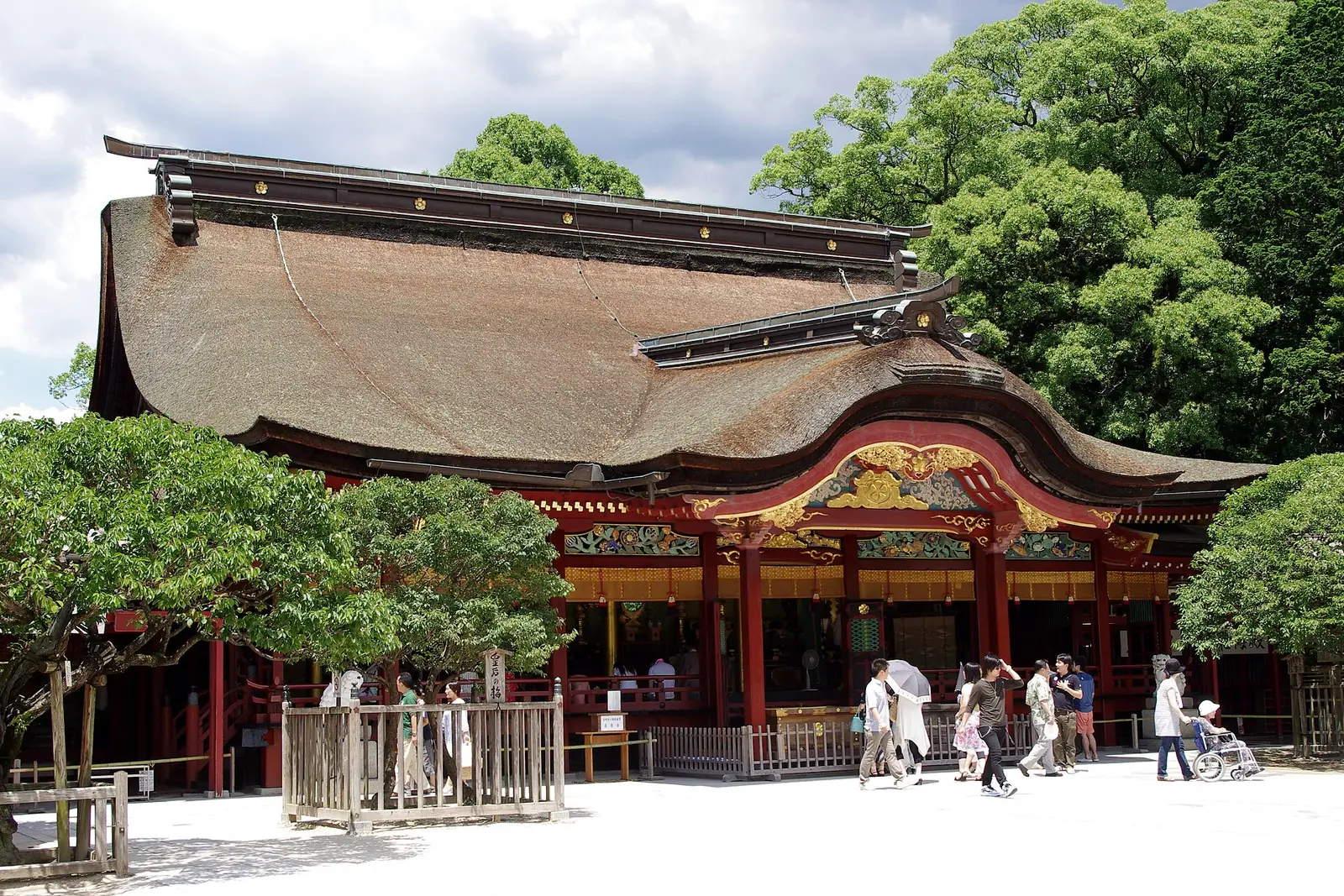
Dazaifu Tenmangu: Fukuoka's Shrine of Learning
The shrine of the god of learning, a 30-minute train ride from central Fukuoka. Free to enter, with 6,000 plum trees.
 FUKUOKA3 min read
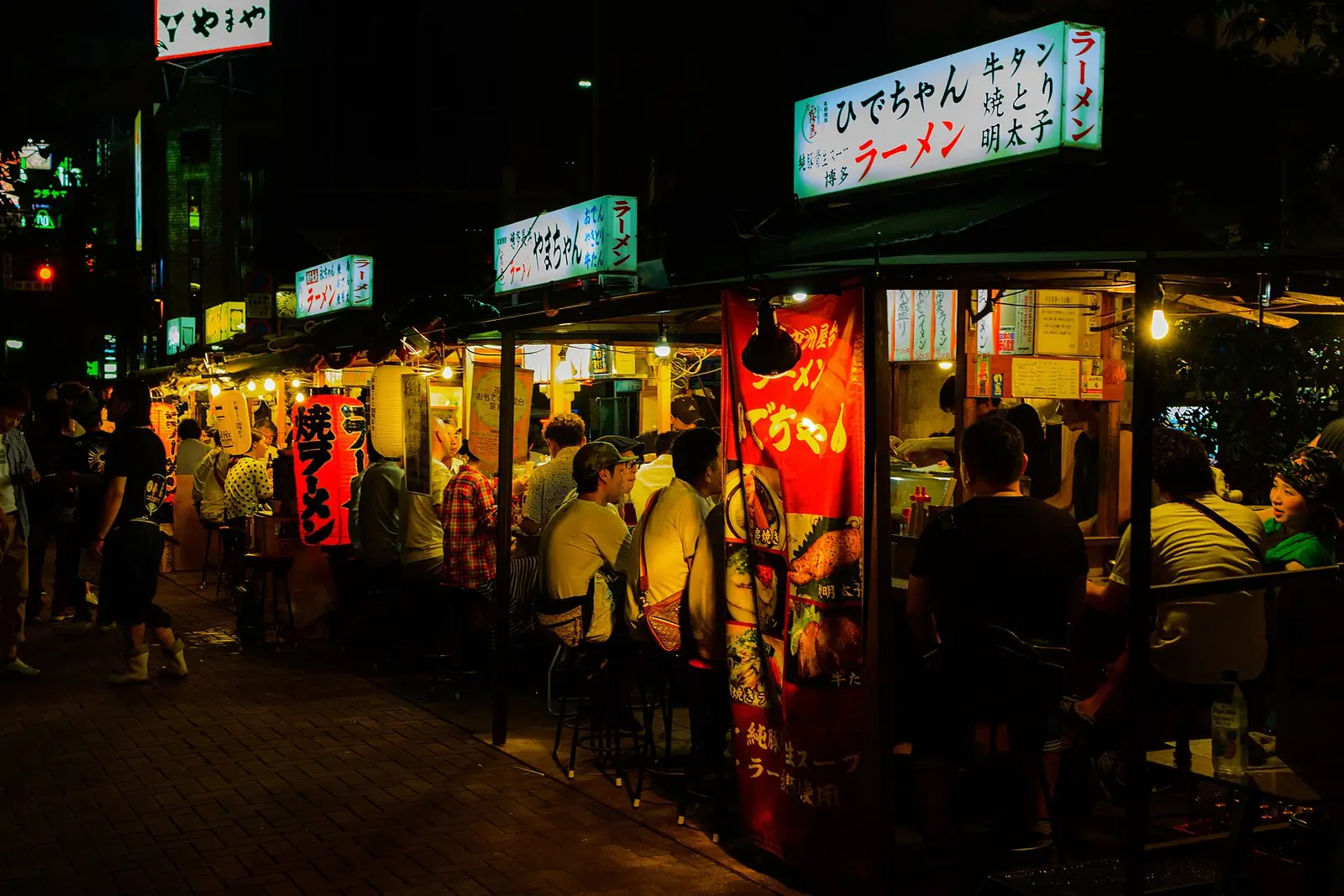
Fukuoka Yatai: Street Food Stalls After Dark
Over 100 open-air food stalls with a few stools each. What to eat, how to get a seat and how to pay.
 FUKUOKA3 min read
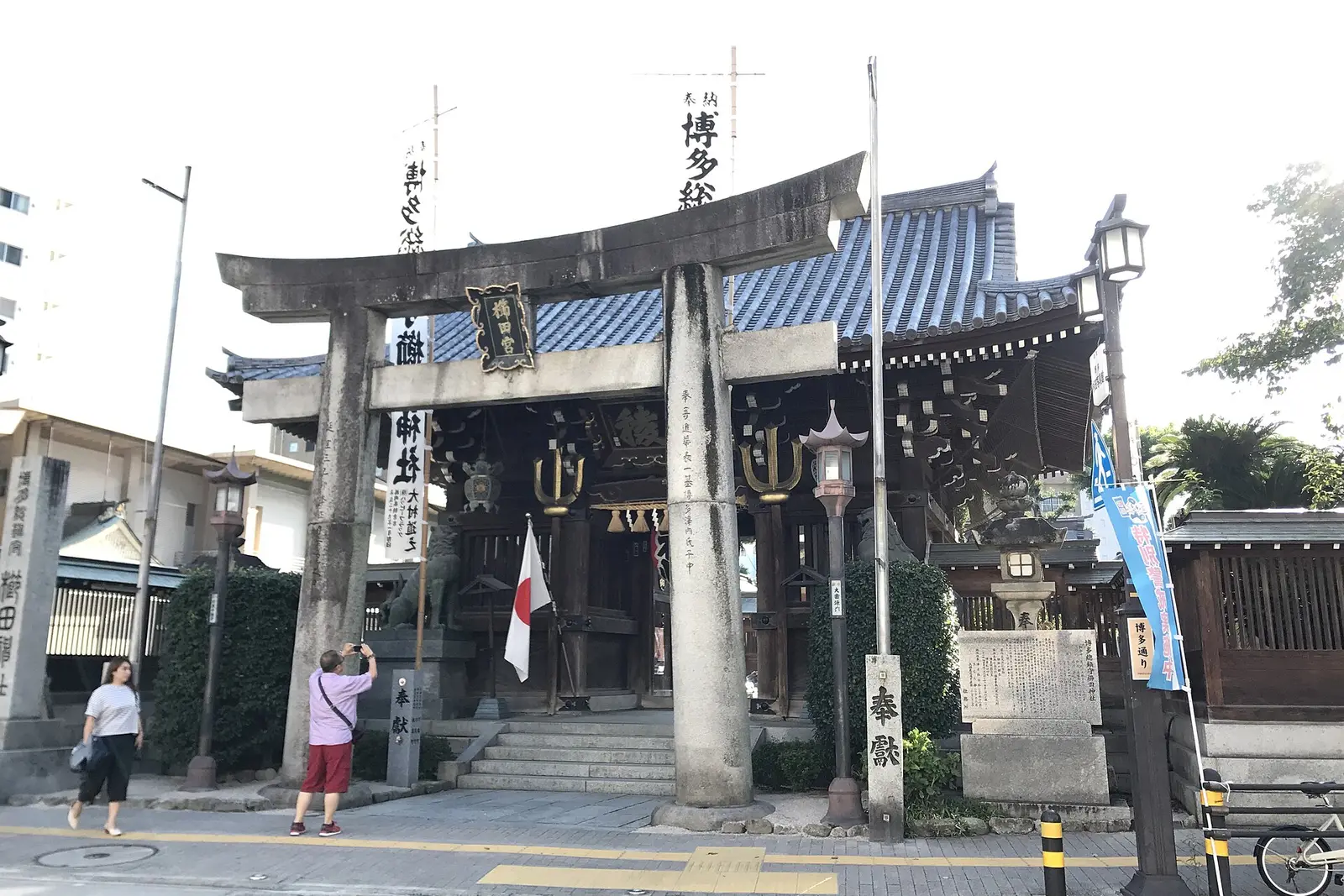
Kushida Shrine: Hakata's Guardian Shrine
Fukuoka's oldest shrine and the start line of the Yamakasa festival. Open every day from 4 am, with a huge float on show.