Destinations › Hyogo › Himeji
Engyo-ji: A Mountaintop Temple Above Himeji
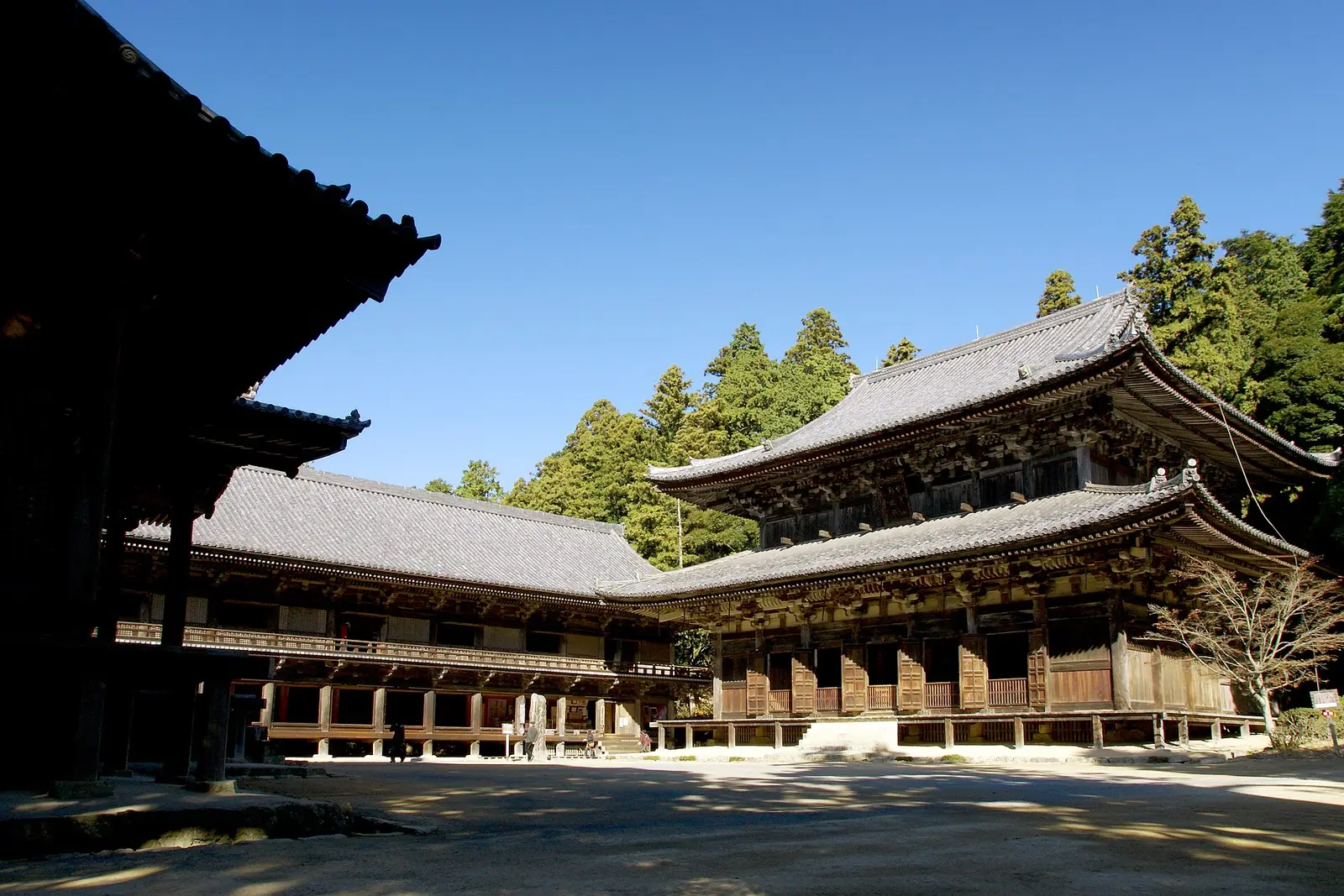
Take a bus, ride a ropeway, and walk into the forest. At the top of Mount Shosha, among the trees, stands a temple that has been here for more than 1,000 years. It is quiet, a little wild, and very different from the busy castle below.
A temple on the mountain
Engyo-ji sits on top of Mount Shosha, at the edge of Himeji. It was founded in 966 by a monk named Shoku, and it belongs to the Tendai school of Buddhism. Because it was a place for serious training, people have long called it the "Western Hiei," after the great Tendai temples on Mount Hiei near Kyoto.
It is also the 27th stop on the Saigoku pilgrimage, a route of 33 temples to the goddess of mercy, Kannon, which pilgrims have walked for centuries.
Getting up the mountain
From the north exit of Himeji Station, a bus takes about 30 minutes to the base of the Shosha Ropeway. The gondola leaves about every 15 minutes and climbs the mountain in about four minutes. A one-way ticket is 700 yen, and a round trip is 1,200 yen. The ropeway also closes for about two weeks of repairs in late winter, so check before you go.
The Shinki Bus counter in front of Himeji Station sells a set ticket for the bus and the ropeway, round trip, for 1,700 yen.
You can also hike. The steepest trail takes 45 to 60 minutes. Many people ride up and walk down.
From the top ropeway station, the main hall is about a kilometer away, which is a 20 to 25 minute uphill walk on a forest path. If you would rather save your legs, a small shuttle bus runs up for 500 yen round trip. The temple fee is 500 yen, and it is not included in the ropeway ticket.
The Maniden and the Mitsunodo
The first big building is the Maniden. It is built on tall wooden pillars on a steep slope, with a wide veranda like a stage. People often compare it to Kiyomizu-dera in Kyoto. Look at the view from the veranda, then go inside to see the altar.
The most famous place at Engyo-ji is the Mitsunodo, or "three halls." Three huge wooden buildings stand around a quiet open yard in a U shape: the Daikodo, the main hall, the Jikido, once a dining hall and now a small museum of temple treasures, and the Jogyodo, a hall for training.
The old wood, the heavy roofs and the empty yard make you feel that nothing has changed in centuries. Film crews feel it too. The Hollywood film The Last Samurai was shot here, and so was Rurouni Kenshin. You may well know the place before you arrive.
From the Maniden, the Mitsunodo is about a five-minute walk further on forest trails. Beyond it is the Okunoin, a group of smaller buildings, with a lookout over Himeji.
Planning your visit
Count on about 90 minutes to two hours at the temple, plus time for the ropeway and the walk. The temple closes in the late afternoon and the ropeway has set hours too, so start early. Wear shoes you can walk in, since the paths are uneven.
The temple also offers sutra copying, seated meditation and vegetarian temple food. These are separate experiences, so ask ahead if you are interested.
Autumn is a favorite time, since the maples are usually at their best in mid to late November. Spring is also nice for cherry blossoms and fresh greenery.
Nearby
Himeji Castle and Koko-en Garden are in the city at the foot of the mountain, so many people see the castle in the morning and come up here in the afternoon. Do not leave it too late, though, and check the last ropeway and bus times before you go up.
More on Himeji
 HIMEJI3 min read
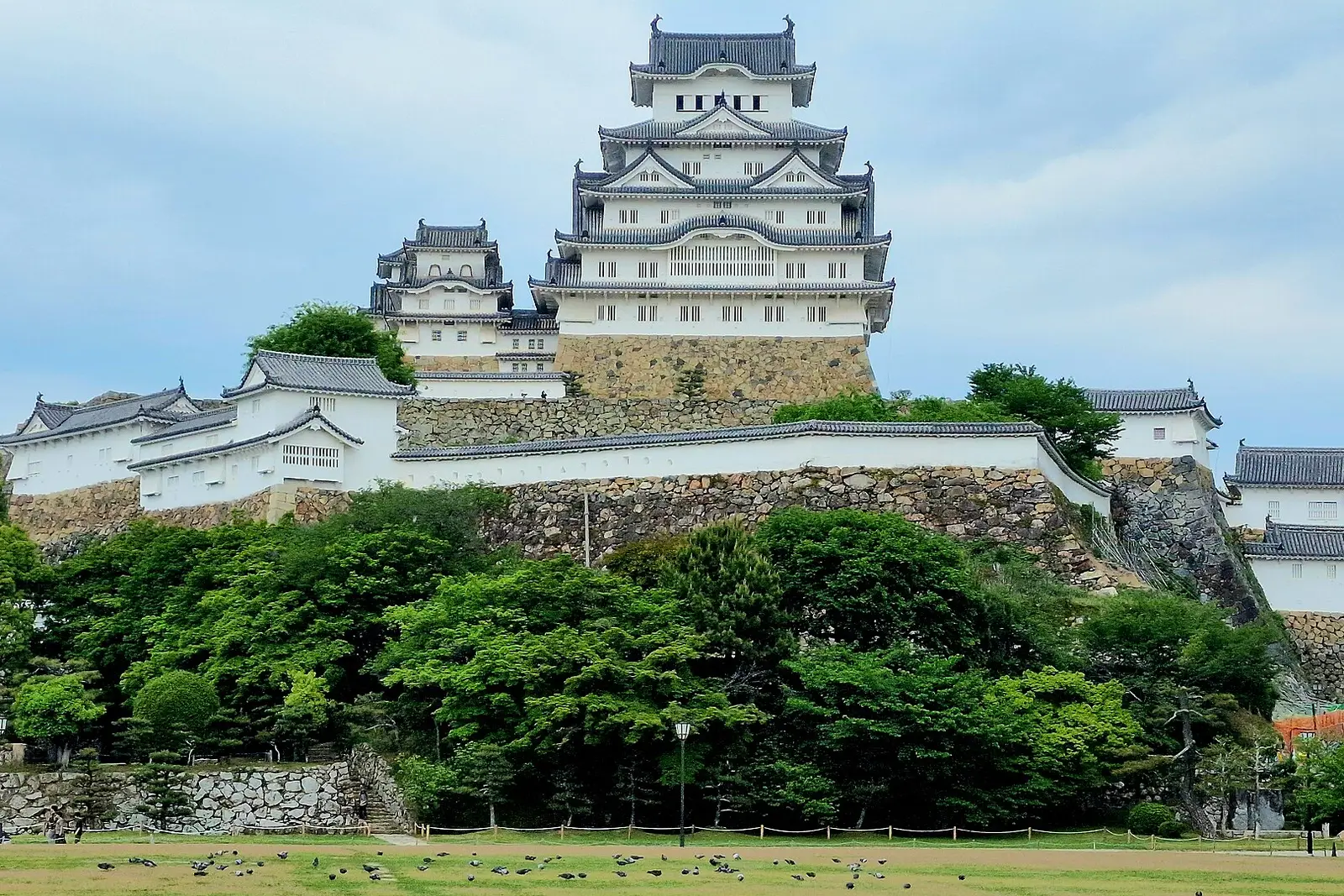
Himeji Castle: Japan's White Heron Castle
Japan's best-preserved castle, a white wooden fortress that has stood for over 400 years.
 HIMEJI3 min read
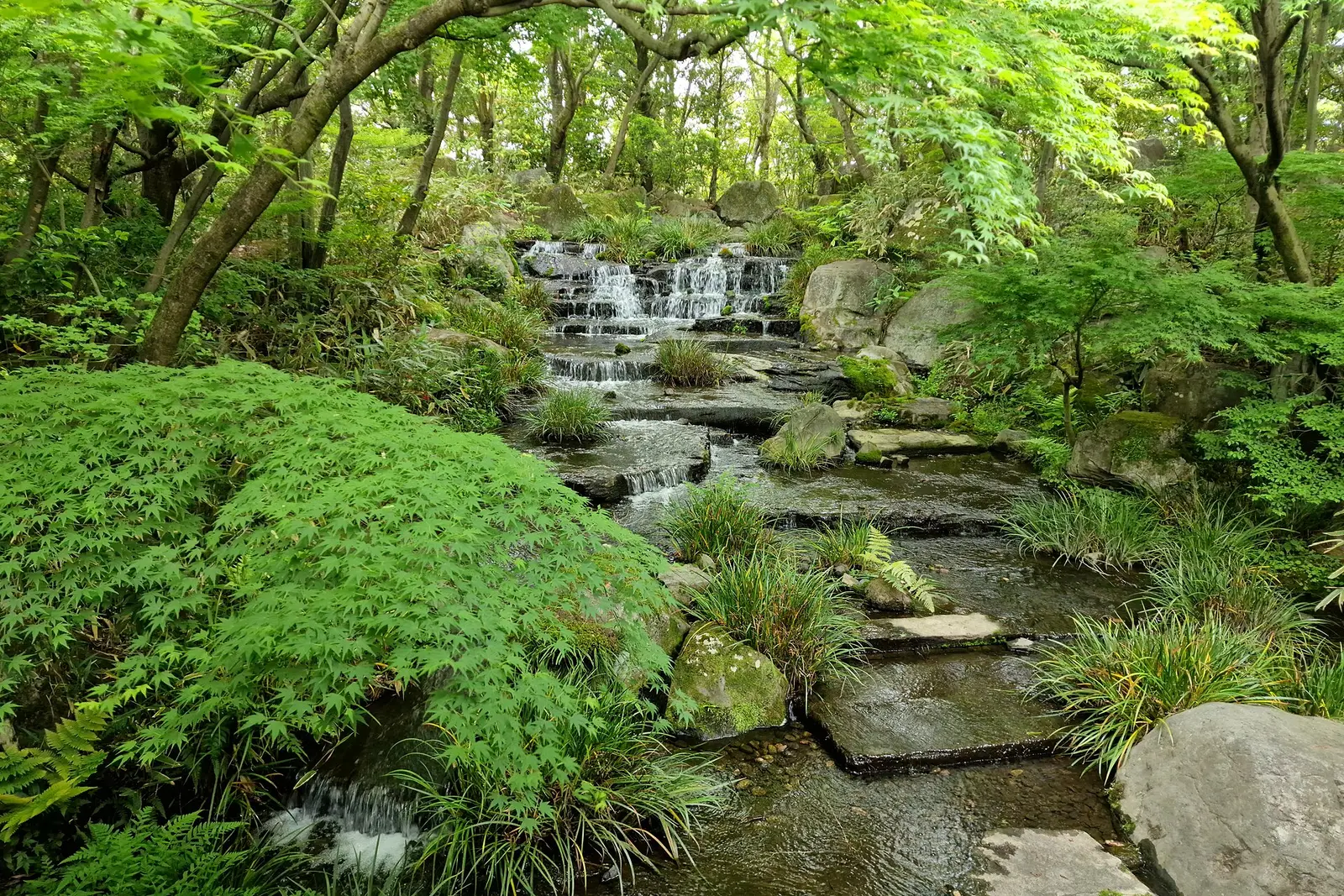
Koko-en Garden: Nine Gardens Beside Himeji Castle
Nine small Japanese gardens beside Himeji Castle, with a koi pond, a bamboo grove and a tea house.