Destinations › Hyogo › Himeji
Koko-en Garden: Nine Gardens Beside Himeji Castle
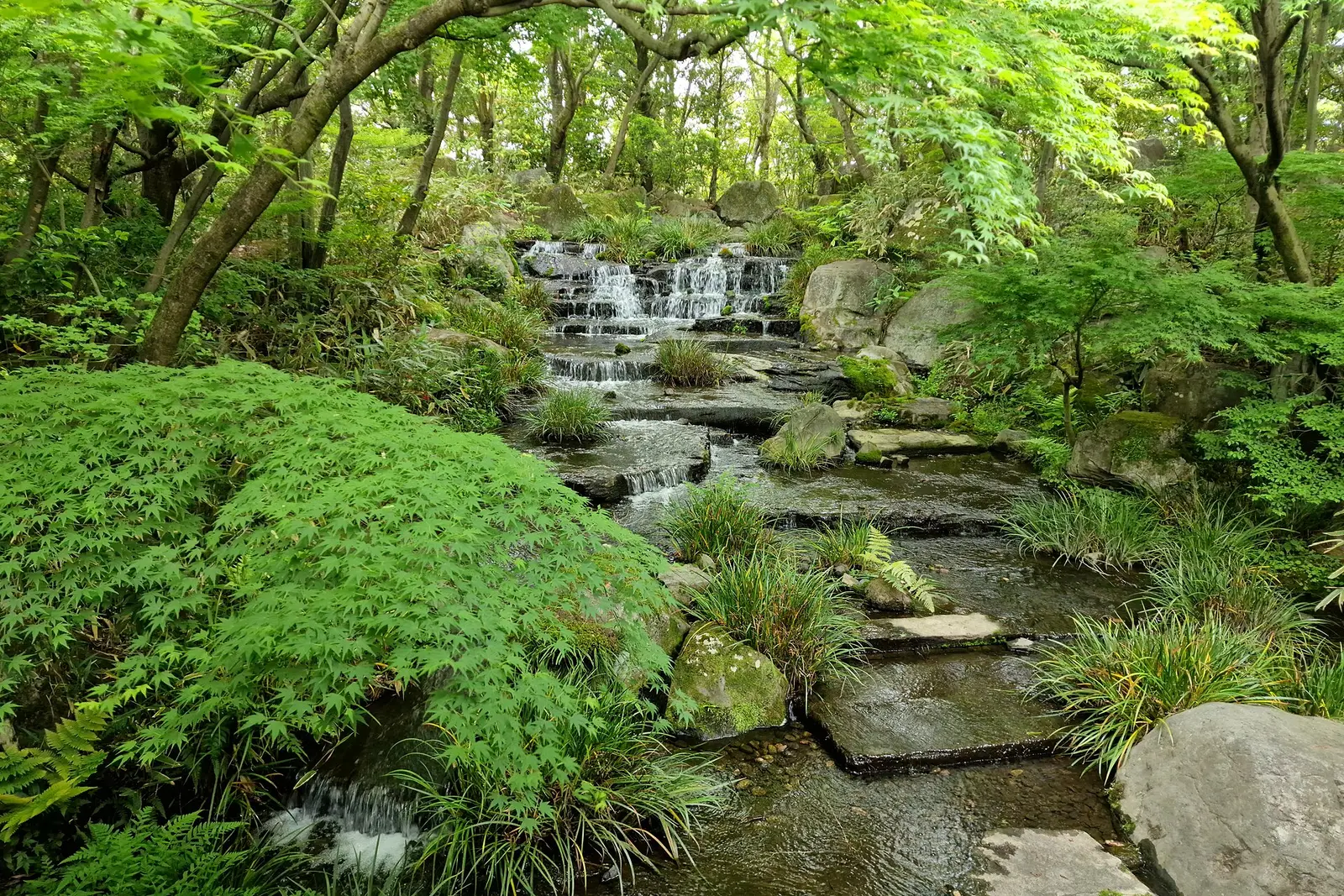
Most people come to Himeji for the castle. A few minutes away, behind earthen walls, there is a quiet place to rest afterward. Koko-en is a set of nine gardens where you can walk slowly, drink tea, and see the castle over the trees.
A garden on the old samurai quarter
Koko-en opened on April 29, 1992, to mark 100 years since Himeji became a city. It is a young garden, but it stands on old ground. This was the site of the west residence of the castle lords, where homes of the samurai class stood in the 1600s. When workers dug up the area, they found the foundations of those houses, and the new garden followed their layout.
The name comes from Kokodo, a school for the children of samurai that once stood near the entrance.
Nine gardens in one
Koko-en is not one big garden. It is nine separate gardens, divided by traditional earthen walls. You walk from one to the next through gates, and each garden has its own mood.
Here are the main ones.
- Garden of the Lord's Residence. The biggest, with a pond, a waterfall, stepping stones and wooden bridges. The pond is full of colorful koi.
- Tea Garden. A moss garden with a path to the tea house, where you can sit on tatami and drink matcha.
- Garden of Pine. Black pines, pruned into careful shapes.
- Garden of Bamboo. A calm green corner with about 15 kinds of bamboo.
- Garden of Flowers. Flowers change from season to season, so there is always something in bloom.
The other gardens add a summer-tree garden, a flat garden with a stream, and a hill-and-pond garden. All of them are in the style of the Edo period, when Japanese strolling gardens were at their best.
The castle behind the trees
The designers planned the garden so that Himeji Castle appears above the walls and branches from certain spots. This idea is called borrowed scenery. It is one of the best ways to take a photo of the castle that does not have a crowd in it.
Inside the Tea Garden is Soju-an, a tea house where you can sit and look out at the moss. There is also a restaurant on the grounds, Kassui-ken, which serves lunch. Check the opening times on the day if you want to eat here.
The garden covers about 3.5 hectares, and its mix of water, stone and the castle behind it makes it a favorite location for Japanese period dramas. In 2017, it became a sister garden of Roho-en, the Japanese garden in Phoenix, Arizona, which is Himeji's sister city. Professional photo shoots need permission in advance.
Seasons and the camera
Spring brings cherry blossoms against the white castle. Autumn is the busiest season. The maple leaves turn red in mid-November, and the garden holds a leaf-viewing event, with some evening hours. In winter, it is quiet and almost empty.
Tickets and tips
The garden costs 400 yen. A combined ticket with Himeji Castle costs 2,600 yen, which is cheaper than buying the two separately. Visit the castle first, since its stairs are steep, and then come here to sit down.
A few rules: no eating or drinking inside the garden, and you should stay on the paths and off the moss and lawns. During the autumn season, the garden asks visitors not to use tripods, because of the crowds. Drones are not allowed. You can leave bags in a coin locker for 100 yen at the office near the entrance.
The entrance is a short walk west of the castle's main gate, Otemon. From Himeji Station, it takes about 20 minutes on foot along Otemae-dori Street, or about five minutes by bus. English guides for the garden and the castle can be booked in advance. Wheelchairs are free to borrow at the office, though there are some slopes inside.
Nearby
Himeji Castle is right next door, and the combined ticket covers both. If you have a half day to spare, Engyo-ji on Mount Shosha is a bus ride and a ropeway away.
More on Himeji
 HIMEJI3 min read
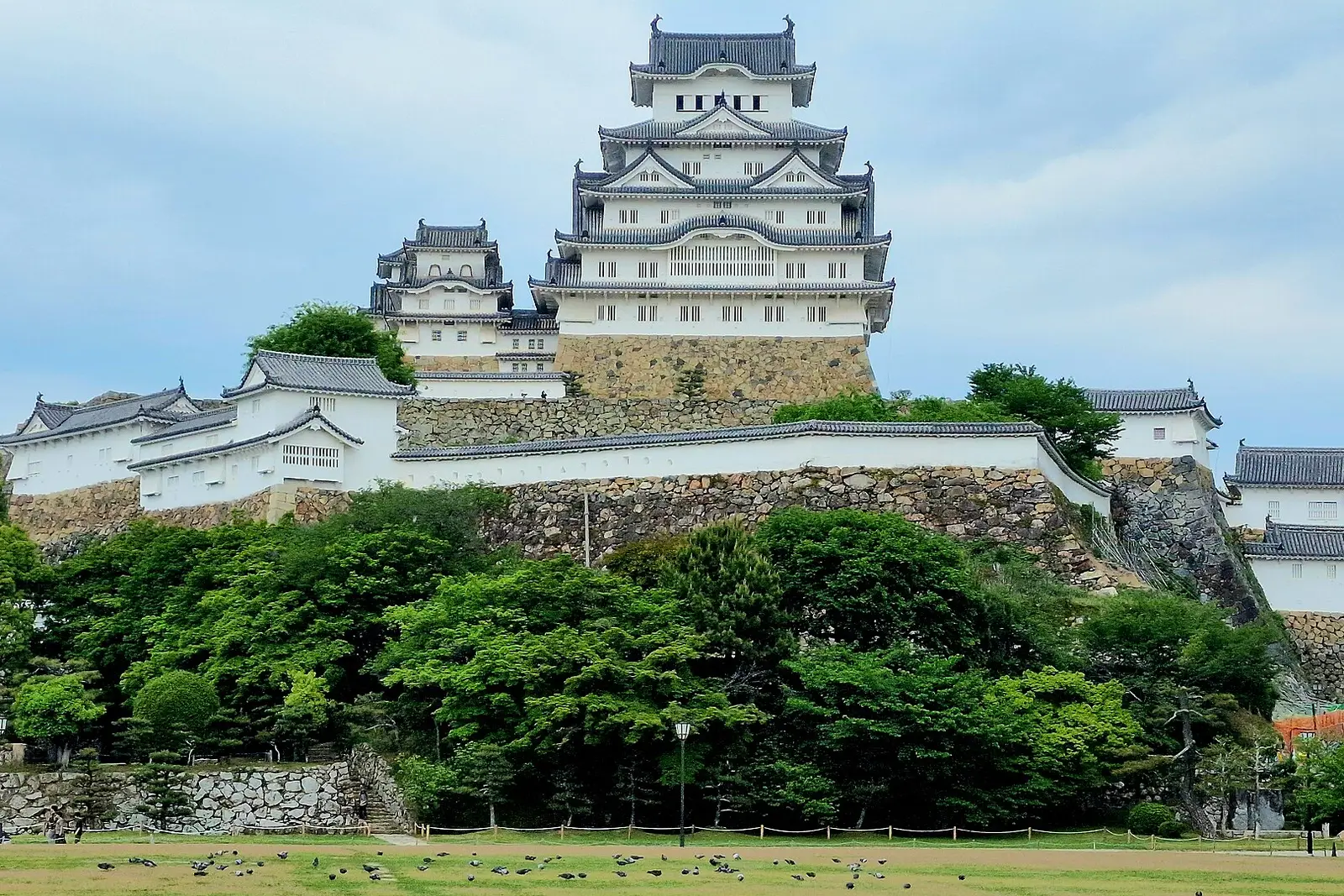
Himeji Castle: Japan's White Heron Castle
Japan's best-preserved castle, a white wooden fortress that has stood for over 400 years.
 HIMEJI3 min read
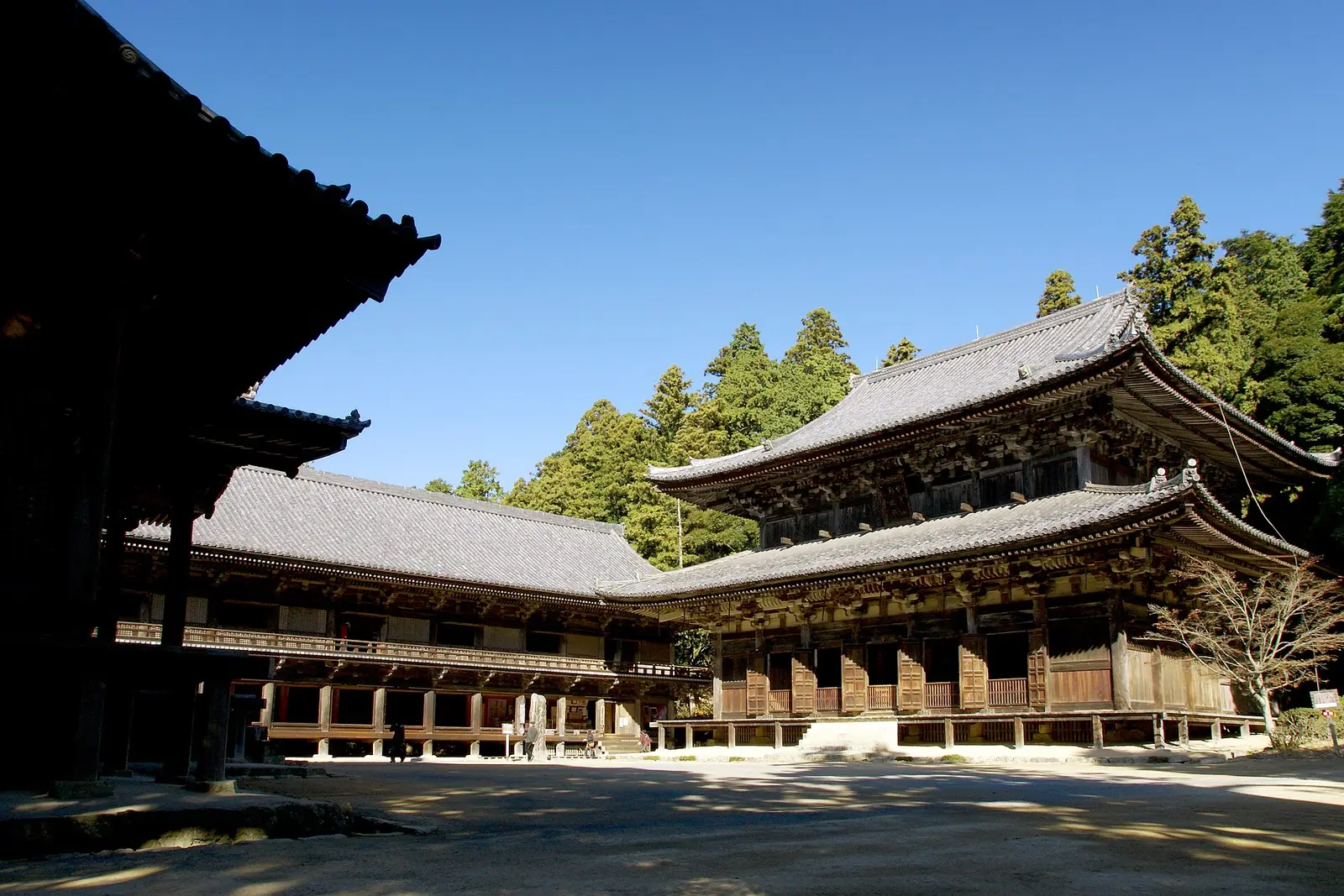
Engyo-ji: A Mountaintop Temple Above Himeji
A temple of old wooden halls in the forest on Mount Shosha, reached by ropeway.