Destinations › Aomori › Hirosaki
Nakacho: Hirosaki's Old Samurai District
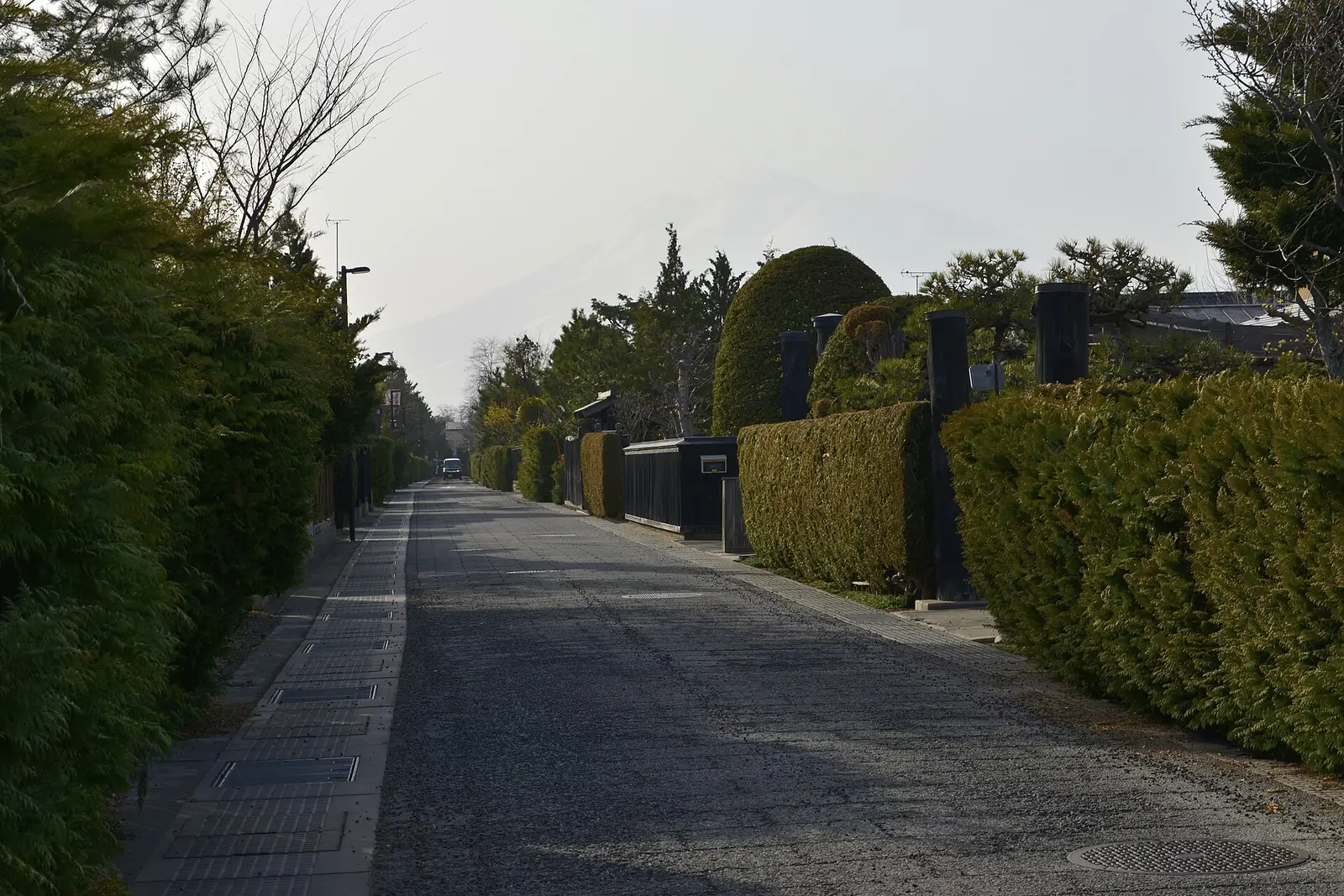
Just north of Hirosaki Castle, the traffic fades and the streets are lined with neat green hedges, black wooden gates and pine trees. This is Nakacho, where the samurai of the Hirosaki domain once lived. The district is protected by the national government, and some of the old houses are open for you to walk inside.
A samurai town guarding the castle
The castle town of Hirosaki was completed under Tsugaru Nobuhira, the second lord of the domain, in the early 1600s. At first the North Gate, Kamenoko-mon, was the main gate of the castle, and the streets north of it were laid out to guard the approach. Beyond Kamenoko-cho, a single street of merchants, several streets of samurai houses were laid out, and these came to be called Nakacho.
The name means the "middle town." It once covered a wide area between the lower town to the west of the castle and the upper town to the east. Today the protected district covers about 10.6 hectares across three streets: Wakato-machi, Bakuro-machi and Kobito-machi. The streets still follow the grid of the Edo period.
In 1978 Nakacho was selected as one of Japan's Important Preservation Districts for Groups of Traditional Buildings.
Hedges, gates and Mt. Iwaki
What makes Nakacho special is its streetscape. Along the roads run long hedges of sawara cypress, with some black board fences, and black-painted gates mark the entrances to the houses. Behind the gardens stand wooden main houses with their posts showing in the walls. On a clear day, Mt. Iwaki, the mountain that symbolizes the Tsugaru region, rises above the hedges and trees.
The people who live here have looked after this view for decades. The city pays residents to keep their hedges trimmed, and in recent years the power lines were moved underground and the roads were given a stone-like surface.
The samurai houses
Four samurai houses owned by the city are open to the public: the Former Iwata House, the Former Ito House, the Former Umeda House and the Former Sasamori House. Three of them were moved here from other parts of the city and restored.
The Former Iwata House in Wakato-machi was built between 1798 and 1808. It has a thatched roof, five tatami rooms, an entrance hall, a kitchen and a veranda on three sides. Most of the building is original. The Iwata family were middle-ranking samurai, and the plain house shows how simply they lived. It is a Prefectural Treasure of Aomori.
The Former Ito House was the home of a family who served as doctors to the lords of Hirosaki for generations. It was built in the 19th century in another part of town and moved to Nakacho. Its main room has a sturdy alcove and staggered shelves. Aomori Prefecture says it is the last surviving home of a domain doctor of that age in the prefecture.
The Former Sasamori House was moved here and opened in 2013, and it was named an Important Cultural Property in 2016.
Opening days
Each house has its own days off, so check before you go. These are the days for the two houses whose schedules Aomori Prefecture publishes:
- Former Iwata House: open every day from April to June. From July to October it closes on Mondays, Thursdays and August 13. From December to March it closes from Wednesday to Sunday.
- Former Ito House: open every day from April to June. From July to October it closes on Tuesdays, Fridays and August 13. From November to March it closes from Monday to Thursday.
During the Neputa Festival, the Chrysanthemum and Autumn Foliage Festival and the Snow Lantern Festival, both houses are open.
Getting there
Take the Dotemachi Loop Bus from JR Hirosaki Station to the Bunka Center-mae stop, then walk about 10 minutes.
Tips
- The Hirosaki tourism bureau offers a guided walk, the Genbu Club Premium Tour, that tells the stories of samurai, craftsmen and merchants in the old town.
Nearby
The Ishiba House, the home of a merchant family that sold household goods and straw products, was built at the end of the Edo period and is an Important Cultural Property. Tsugaru-han Neputa Village is a short walk away.
More on Hirosaki
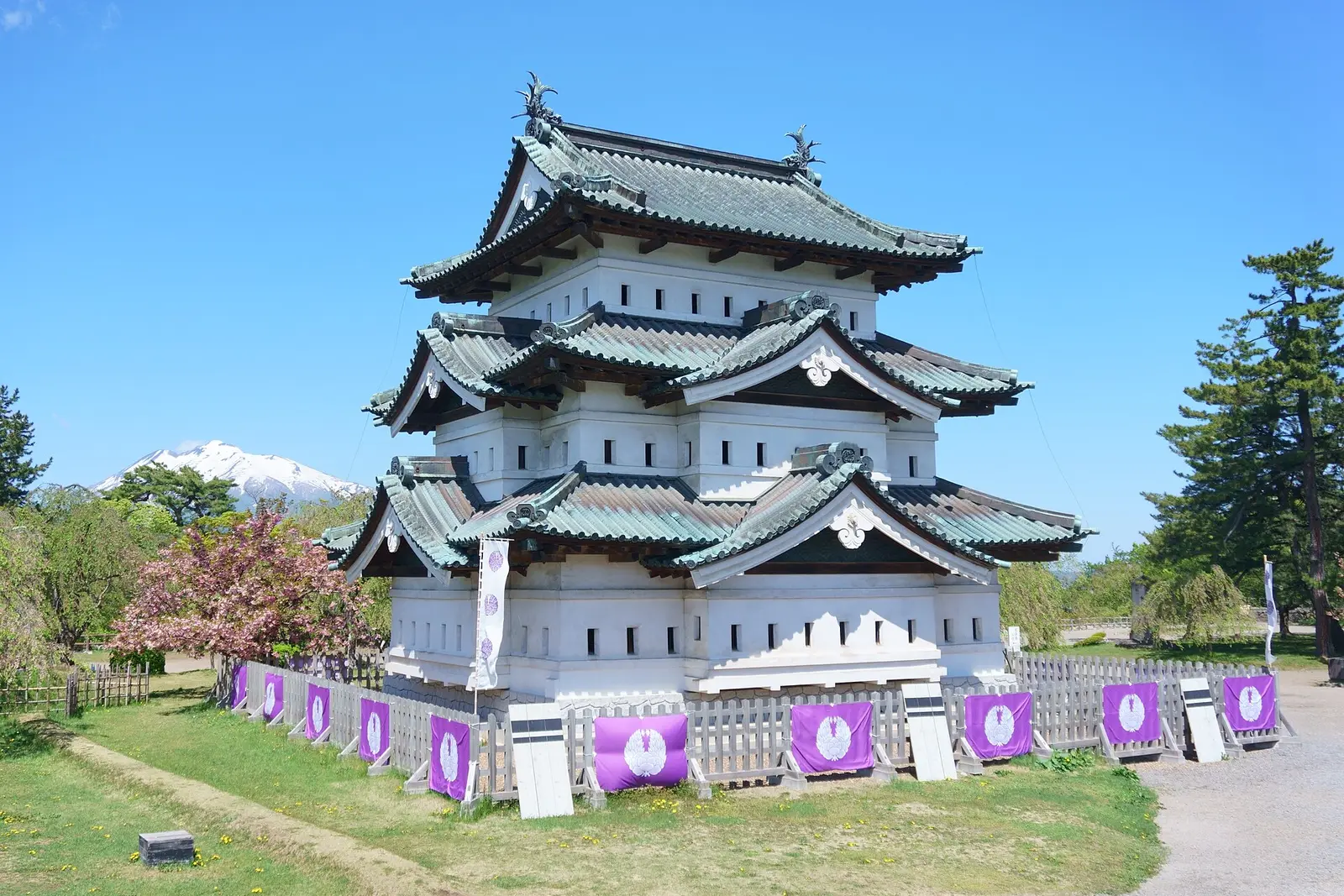 HIROSAKI3 min read
Hirosaki Castle and Park: Cherry Blossoms and an Original Keep
An original castle keep, three rings of moats and about 2,600 cherry trees. The history, the keep's move, seasons and tickets.
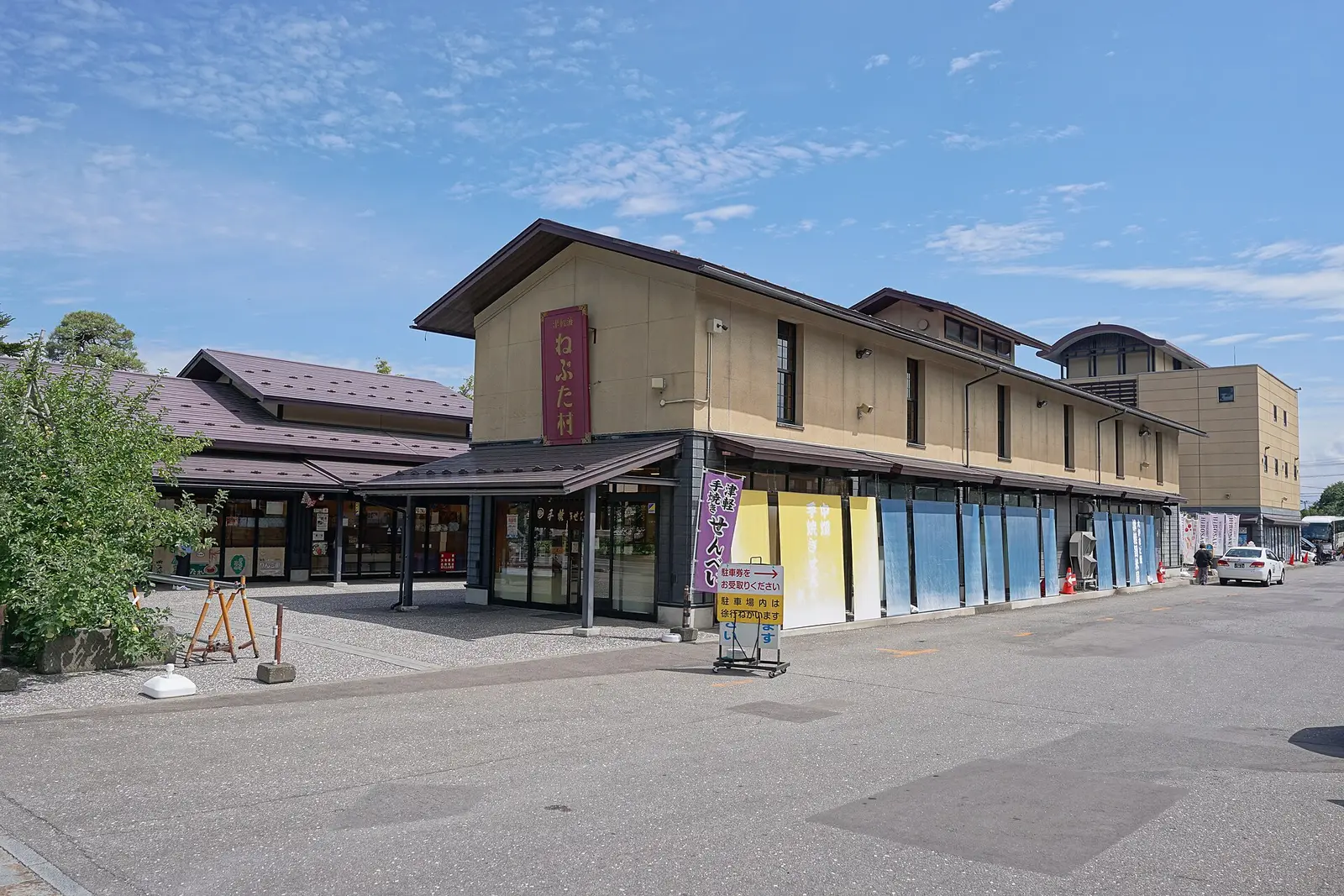 HIROSAKI3 min read
Tsugaru-han Neputa Village: Hirosaki's Festival All Year Round
Giant fan-shaped lantern floats, live Tsugaru shamisen and local crafts, next to Hirosaki Park. Plus the August Neputa Festival.
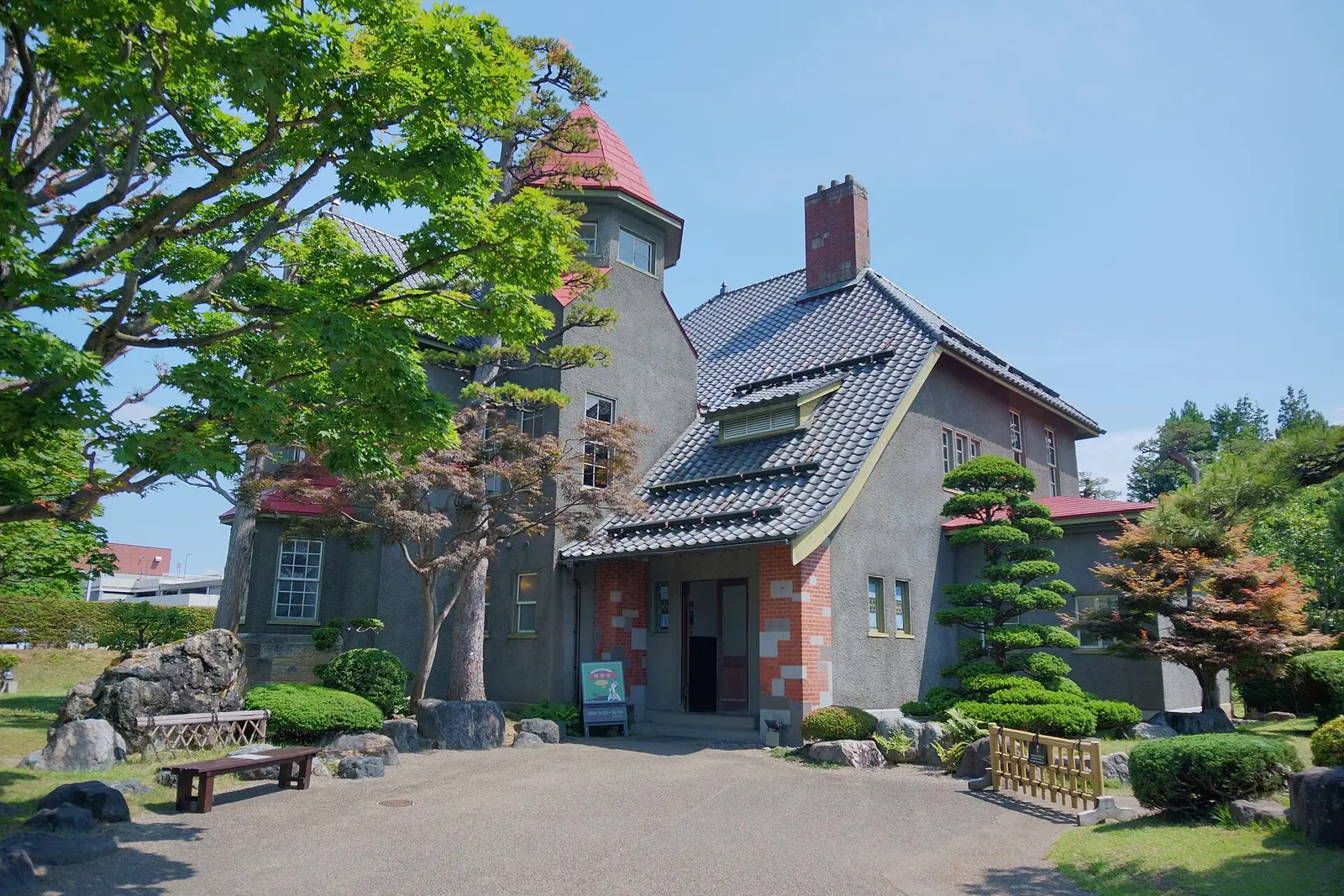 HIROSAKI3 min read
Fujita Memorial Garden: A Taisho-Era Villa and Garden in Hirosaki
A Western-style house with a café, a Japanese house facing Mt. Iwaki and a pond garden, right next to Hirosaki Park.