Destinations › Aomori › Hirosaki
Tsugaru-han Neputa Village: Hirosaki's Festival All Year Round
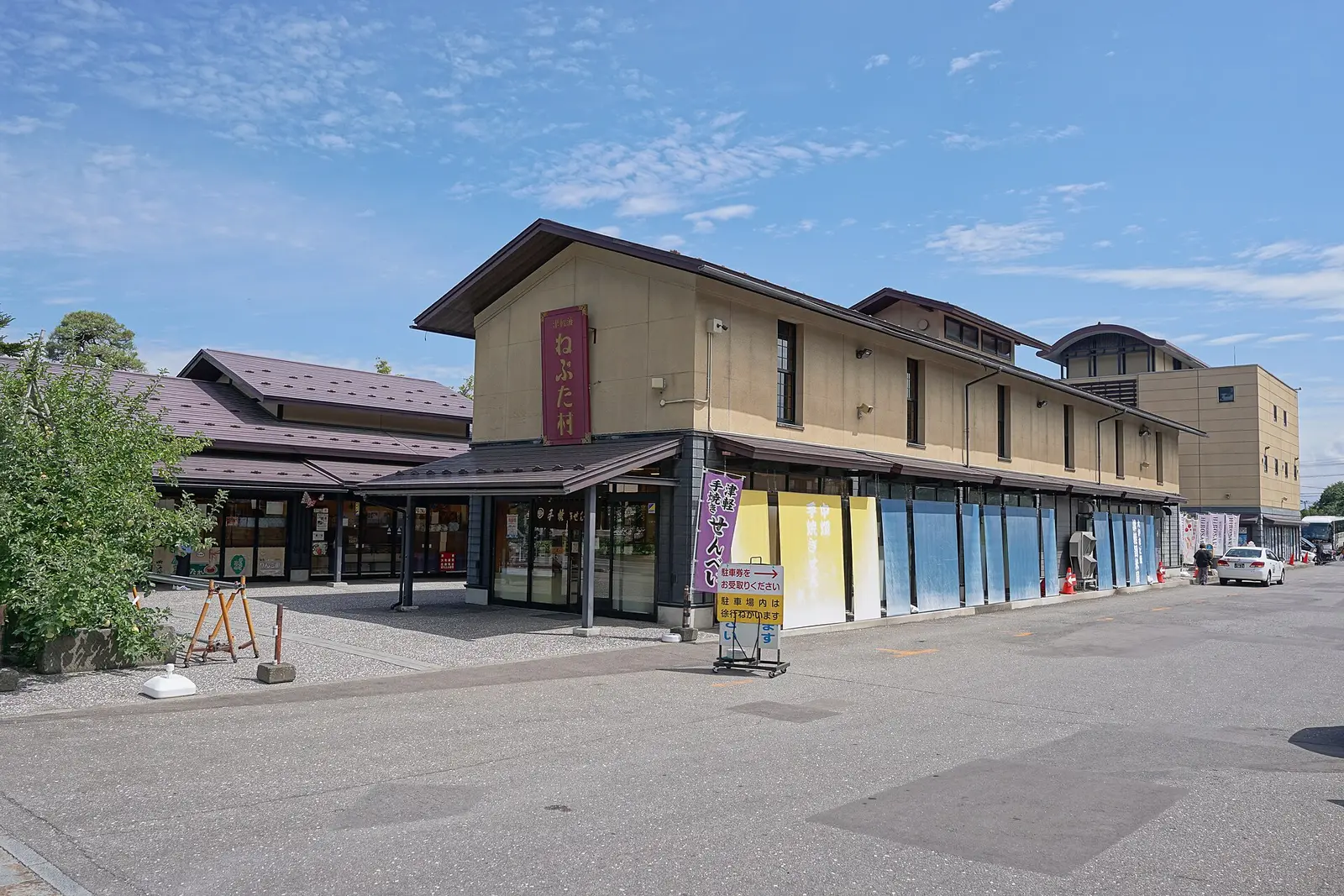
Every August, huge glowing lantern floats painted with warriors are pulled through the streets of Hirosaki. If you are not in town for the festival, you can still see one up close at Tsugaru-han Neputa Village, a museum and craft village by the castle park, where drums are played and a shamisen performer plays live every day.
What is neputa?
Neputa are huge painted lantern floats built on wooden frames. In Hirosaki they are paraded through the streets at night in the Hirosaki Neputa Festival, which was named an Important Intangible Folk Cultural Property of Japan in 1980.
Most Hirosaki neputa are fan-shaped. According to Neputa Village, one theory links the shape to the childhood name of Tamenobu, the founder of the Tsugaru clan, which was "Ogi," or fan. The first neputa were plain box-shaped lanterns. Doll-shaped kumi-neputa came in the Edo period, and fan-shaped floats appeared in the middle of the Meiji era. A fan float's frame can be used again each year, which made them cheaper to build, and today most floats in the festival are fans.
The word "neputa" is thought to come from the Tsugaru dialect for sleepy. Farmers fighting sleep in the busy summer months were said to float their sleepiness away down the river.
The museum route
Neputa Village was built from a group of traditional storehouses. The paid area follows a set route and takes about 30 to 45 minutes.
The route starts in the Hirosaki Neputa Hall, where a huge neputa about 10 meters tall stands next to its bare wooden frame. Staff explain the festival and play the flute and taiko drums for you, and you can try the drum yourself. Paintings by local neputa artists hang on the walls.
Next is the Ya-Ya Do gallery, named after the chant called out at the festival. It covers neputa and nebuta festivals across Aomori Prefecture and shows how small goldfish-shaped kingyo neputa are made. The goldfish floats are now mostly carried by children as lanterns.
Tsugaru shamisen, crafts and a garden
In the Sangendo hall you can hear the Tsugaru shamisen, a three-stringed instrument known for its powerful sound, which developed in the Tsugaru region. Live performances are held every day, every 50 to 70 minutes, and each one lasts about 10 minutes. The last show ends at 17:00 from April to November and at 16:10 from December to March.
The Tsugaru Craft Center, Takumi, is in a rice storehouse from the days of the domain. Here you can see how Tsugaru lacquerware, kogin embroidery, kokeshi dolls and tops, Tsugaru pottery and neputa-style paintings are made, and try making some of them yourself for a separate fee.
Near the end of the route is Yokien, a Japanese garden in the local Oishi Bugaku-ryu style that borrows the view of Mt. Iwaki and the old pines of Hirosaki Park. It is a nationally registered monument, and its teahouse, Yokian, is a cultural property of Hirosaki. The last stop, Zugurian, is a corner where you can try many kinds of spinning tops, including the local suguri top.
The Hirosaki Neputa Festival
The festival runs every year from August 1 to 7. In 2026, floats paraded from 19:00 on the Dotemachi course from August 1 to 4 and on the Ekimae (station) course on August 5 and 6, and from 10:00 in the morning on August 7. The smaller floats come first and the largest, more than nine meters tall, come last, each followed by a band of flutes and drums.
On the evening of August 7, the festival ends on the bank of the Iwaki River with Nanukabi Okuri, when neputa are paraded along the river and then burned. Check the festival's schedule each year, as times can change.
Prices and hours
The paid area costs ¥600 for adults, ¥400 for junior and senior high school students, ¥300 for elementary school students and ¥100 for children aged three and over. It is open all year from 9:00 to 17:00. The shops, which sell Tsugaru crafts and local food, are free to enter, and the restaurant, Tsugaru Umaiya, serves local dishes.
Getting there
Take the Dotemachi Loop Bus from JR Hirosaki Station. Get off at Neputamura-mae, or at Bunka Center-mae and walk about 7 to 8 minutes.
Nearby
The Nakacho samurai district is also reached from the Bunka Center-mae bus stop, north of the castle. Hirosaki Castle and its park are right next door.
More on Hirosaki
 HIROSAKI3 min read
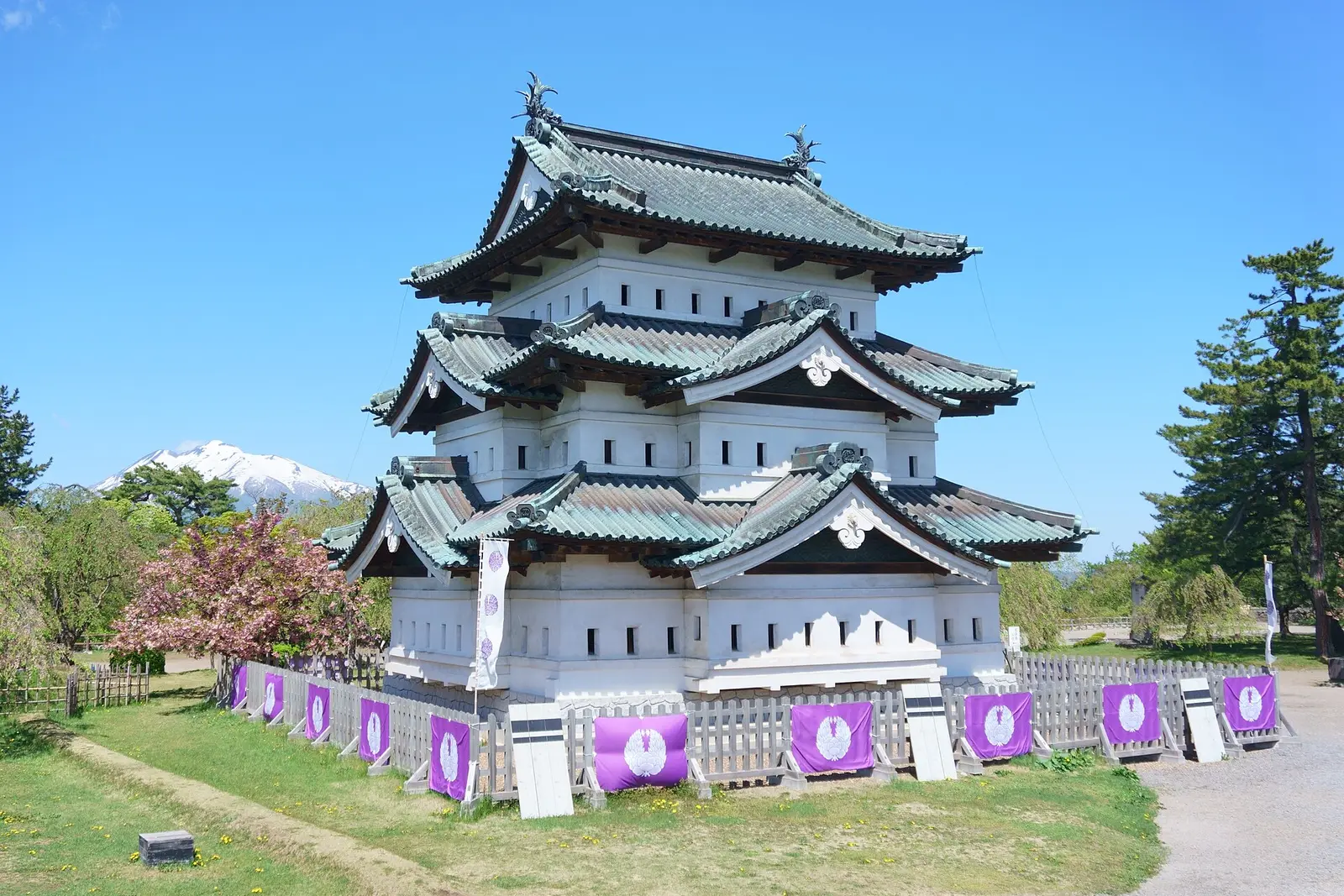
Hirosaki Castle and Park: Cherry Blossoms and an Original Keep
An original castle keep, three rings of moats and about 2,600 cherry trees. The history, the keep's move, seasons and tickets.
 HIROSAKI3 min read
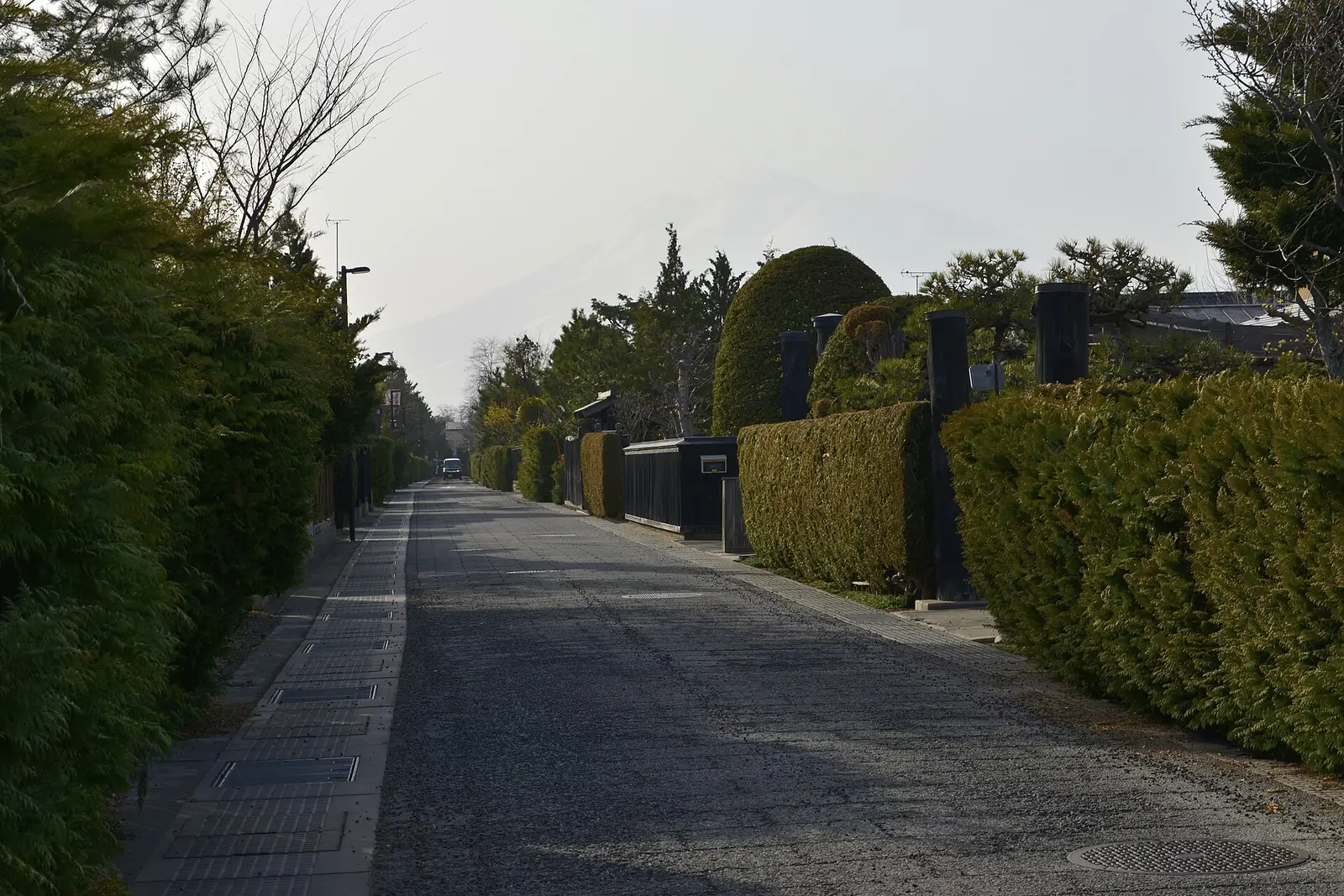
Nakacho: Hirosaki's Old Samurai District
Quiet lanes lined with cypress hedges and black gates, north of Hirosaki Castle, with four old samurai houses to step inside.
 HIROSAKI3 min read
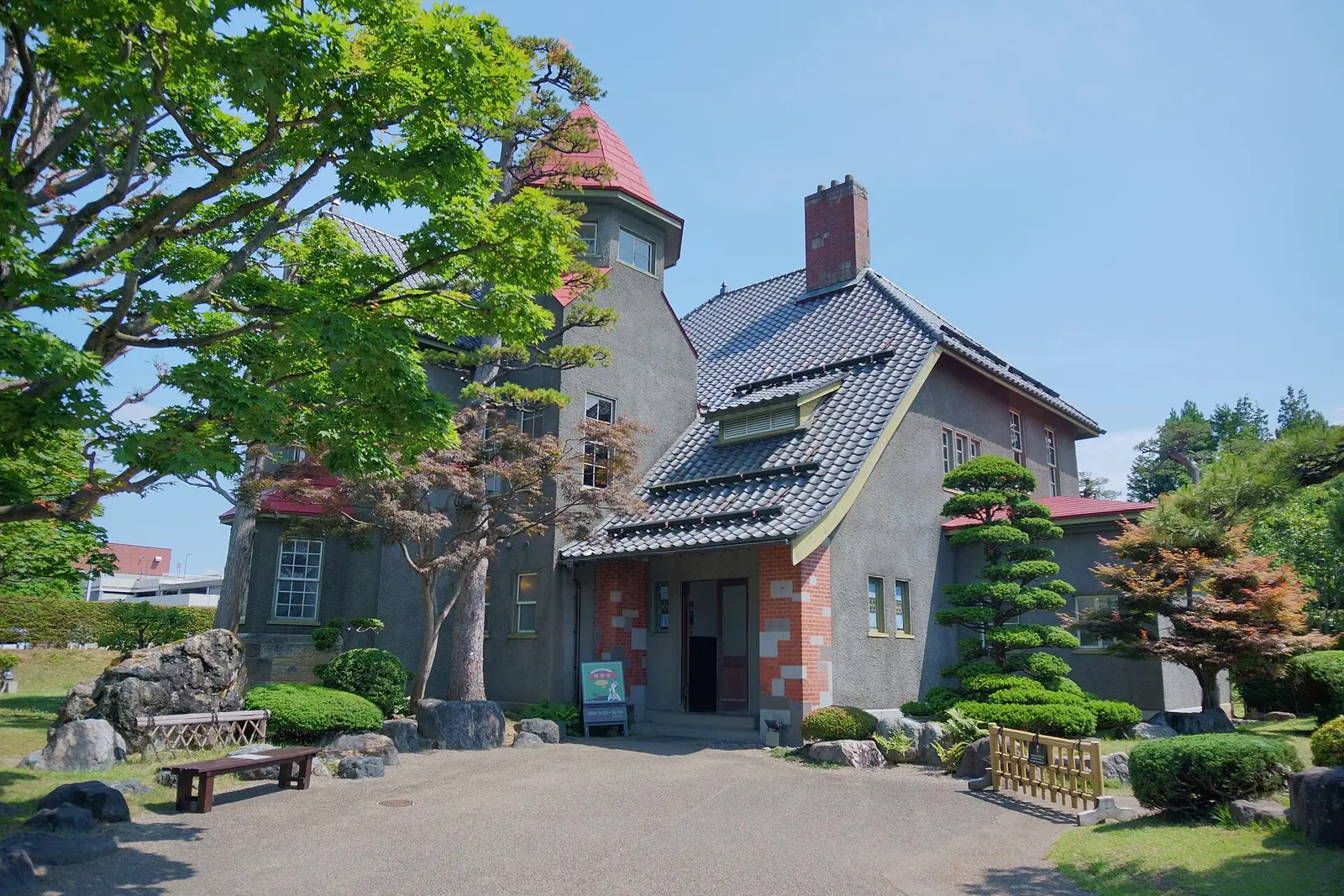
Fujita Memorial Garden: A Taisho-Era Villa and Garden in Hirosaki
A Western-style house with a café, a Japanese house facing Mt. Iwaki and a pond garden, right next to Hirosaki Park.