Destinations › Hiroshima & Miyajima
Atomic Bomb Dome: The Ruin Hiroshima Chose to Keep
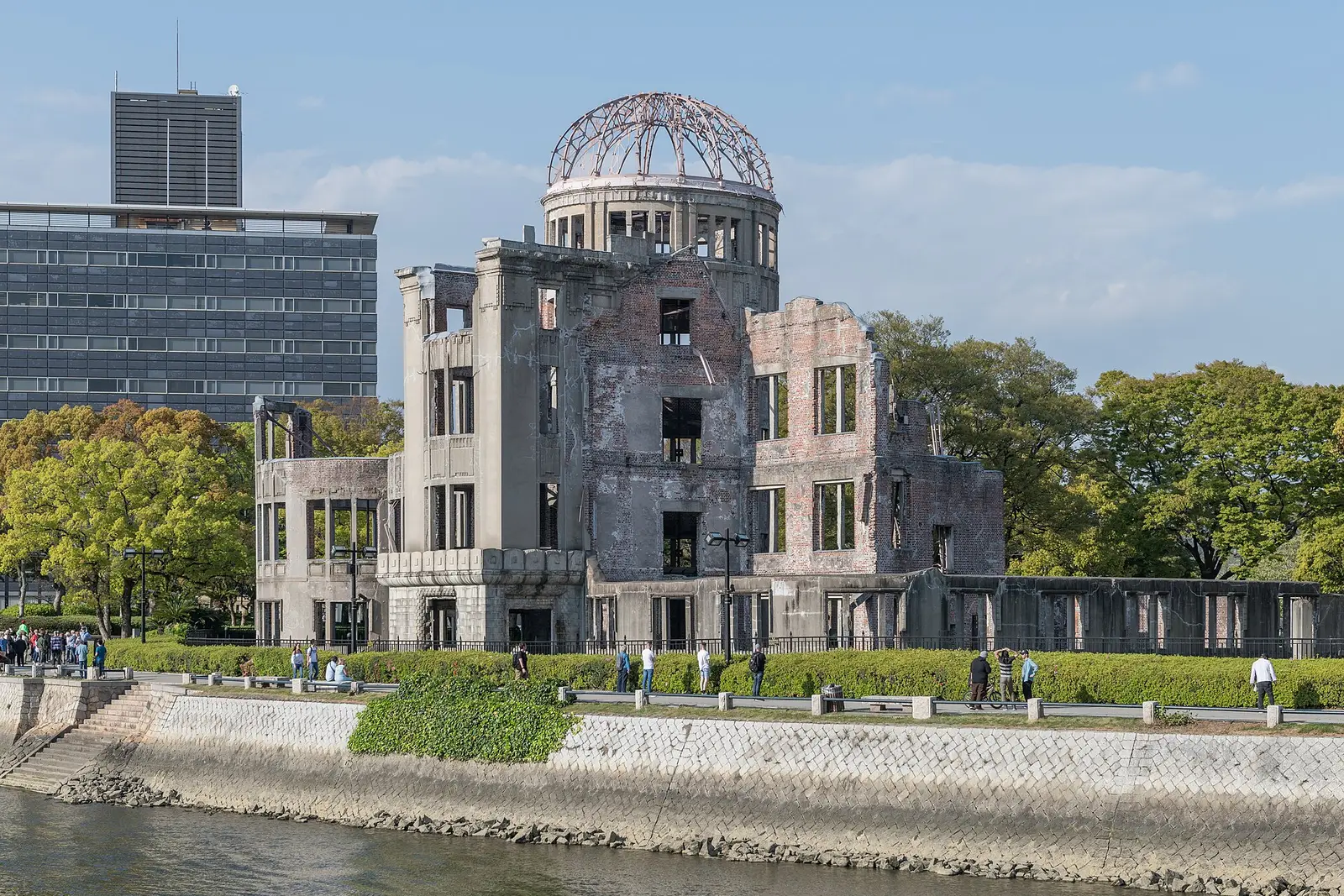
On the bank of a quiet river in central Hiroshima stands a broken brick building with a bare steel frame where its dome used to be. It is the Atomic Bomb Dome. It is one of the few buildings left from the day the city was bombed, and the people of Hiroshima chose to keep it.
A European-style hall by the river
The building was finished in 1915 as the Hiroshima Prefectural Commercial Exhibition Hall. Its job was to show off and sell products made in the region. The architect was Jan Letzel, who came from what is now the Czech Republic. He designed a modern three-story brick building, about 25 meters tall, with a round tower topped by an oval dome. The design was in a European style that was widely admired.
Over the years it was renamed twice and ended up as the Industrial Promotion Hall. In March 1944, because of the war, the exhibitions stopped. The hall was then used by government offices and by a timber control company.
August 6, 1945
At 8:15 in the morning on August 6, 1945, an atomic bomb exploded almost directly above the building. The heat killed everyone inside. Because the blast came from above, some of the walls stayed standing. The dome's steel frame was left bare, and that frame is the shape you see today. The name Atomic Bomb Dome comes from it.
The people who worked here were ordinary office staff. One monument nearby says more than 100 employees of the timber company died in and around the hall. Another, for a government civil engineering office that had moved into the upper floors, records that 52 of its 93 staff were killed. Both stand close to the Dome, and both are easy to walk past.
Why it is still here
In 1966, the Hiroshima City Council decided to preserve the ruin permanently. Money for the work came from within Japan and from abroad.
Keeping a ruin is hard work. The first reinforcement was done in 1967. By 1989, cracks and rusting steel had appeared, and a second fundraising campaign paid for more work. The goal has never been to repair the building. It is to hold it exactly as it was after the bombing.
In December 1996, UNESCO added the Dome to the World Heritage List. The listing describes it as a witness to the first atomic bombing in history and a symbol of the hope for nuclear disarmament and lasting peace.
What you will see
You cannot enter the Dome. It is fenced, and everyone looks from outside. That is enough. Walk slowly around the building and notice the bare steel ribs of the dome, the broken walls, and the piles of fallen brick and stone. The ruin looks different from each side, and from the riverbank you can see it with the water in front.
Many visitors stay quietly for a while. It is a place of remembrance for many people, so speak softly and keep a respectful distance. There are no ticket gates and no opening hours. It is always open and always free.
Getting there
The Dome is about 11 minutes by the Hiroshima City Loop Bus from the Shinkansen exit of Hiroshima Station. Get off at the Atomic Bomb Dome-mae stop and walk about one minute. A tram from the station also takes about 20 minutes, and the walk at the end is about a minute. There is no parking at the site.
Nearby
Peace Memorial Park is right beside the Dome and holds the Cenotaph, the Flame of Peace and the Peace Memorial Museum. Read about them together in our Peace Memorial Park and Museum guide. Together with the Dome, they take about half a day.
If you want to understand what you are looking at, the museum offers free guided tours led by volunteers. They explain the exhibits and the monuments in and around the park, including the small ones near the Dome. Details are in the museum guide.
More on Hiroshima & Miyajima
 HIROSHIMA & MIYAJIMA3 min read
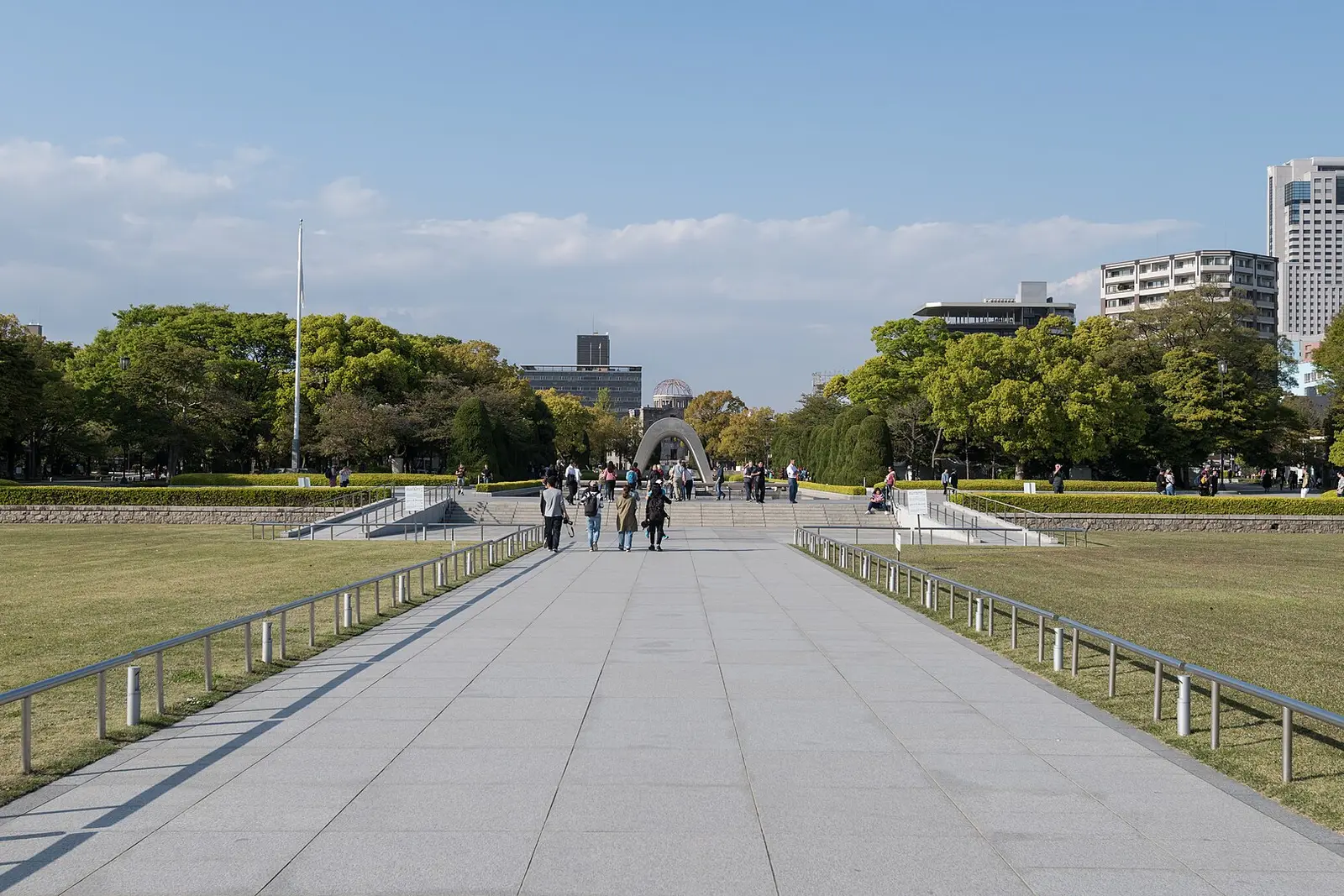
Peace Memorial Park and Museum: Where to Begin in Hiroshima
A quiet park built where a busy neighborhood stood, and the museum that tells the story of August 6, 1945.
 HIROSHIMA & MIYAJIMA3 min read
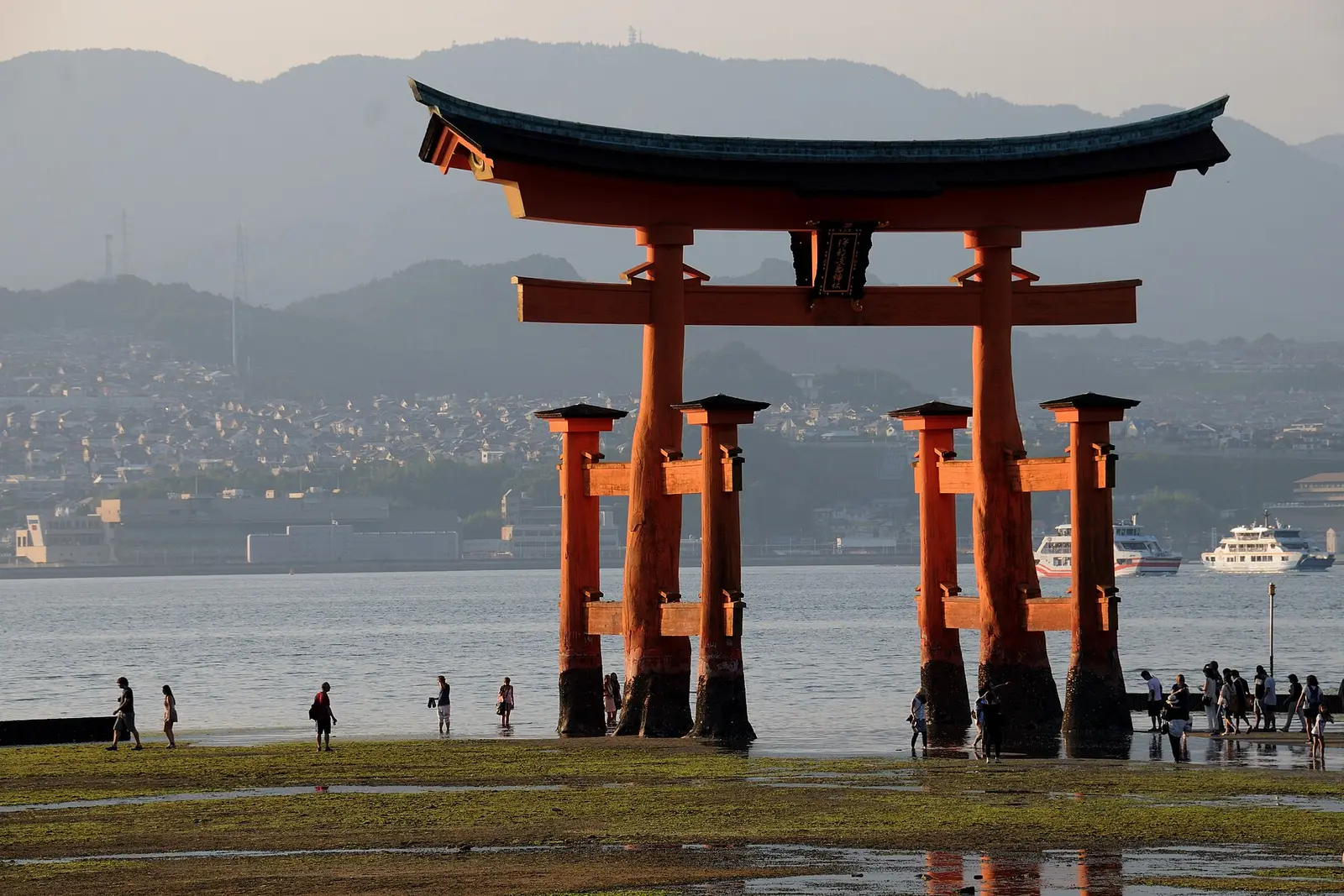
Itsukushima Shrine: The Shrine on the Sea at Miyajima
A vermilion shrine built over the water on Miyajima island, with a great red gate standing in the sea.
 HIROSHIMA & MIYAJIMA3 min read
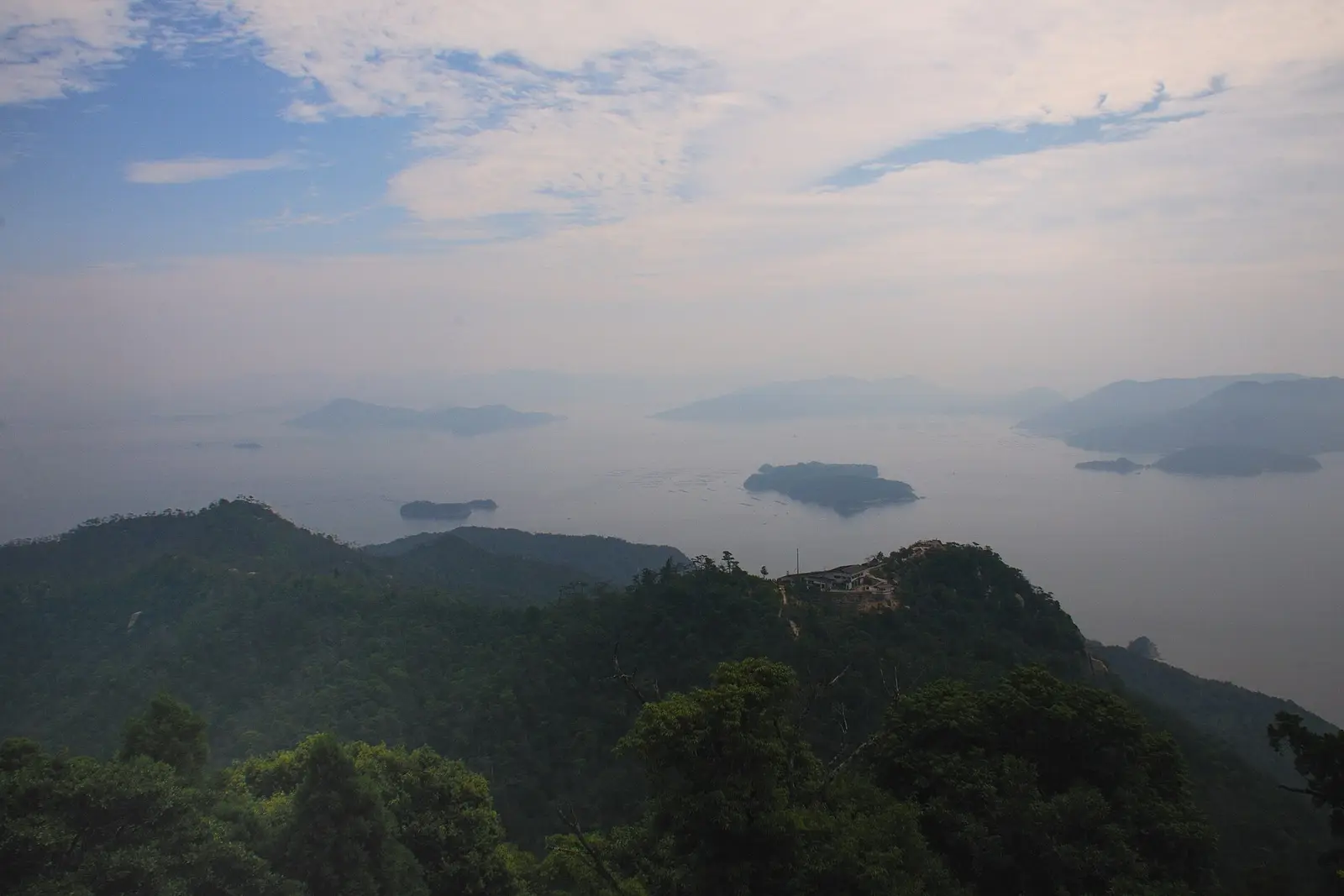
Mount Misen: Ropeway and Hike Above Miyajima
The sacred mountain behind Itsukushima Shrine, with a two-stage ropeway, a steep walk and wide views of the Seto Inland Sea.