Destinations › Hiroshima & Miyajima
Peace Memorial Park and Museum: Where to Begin in Hiroshima
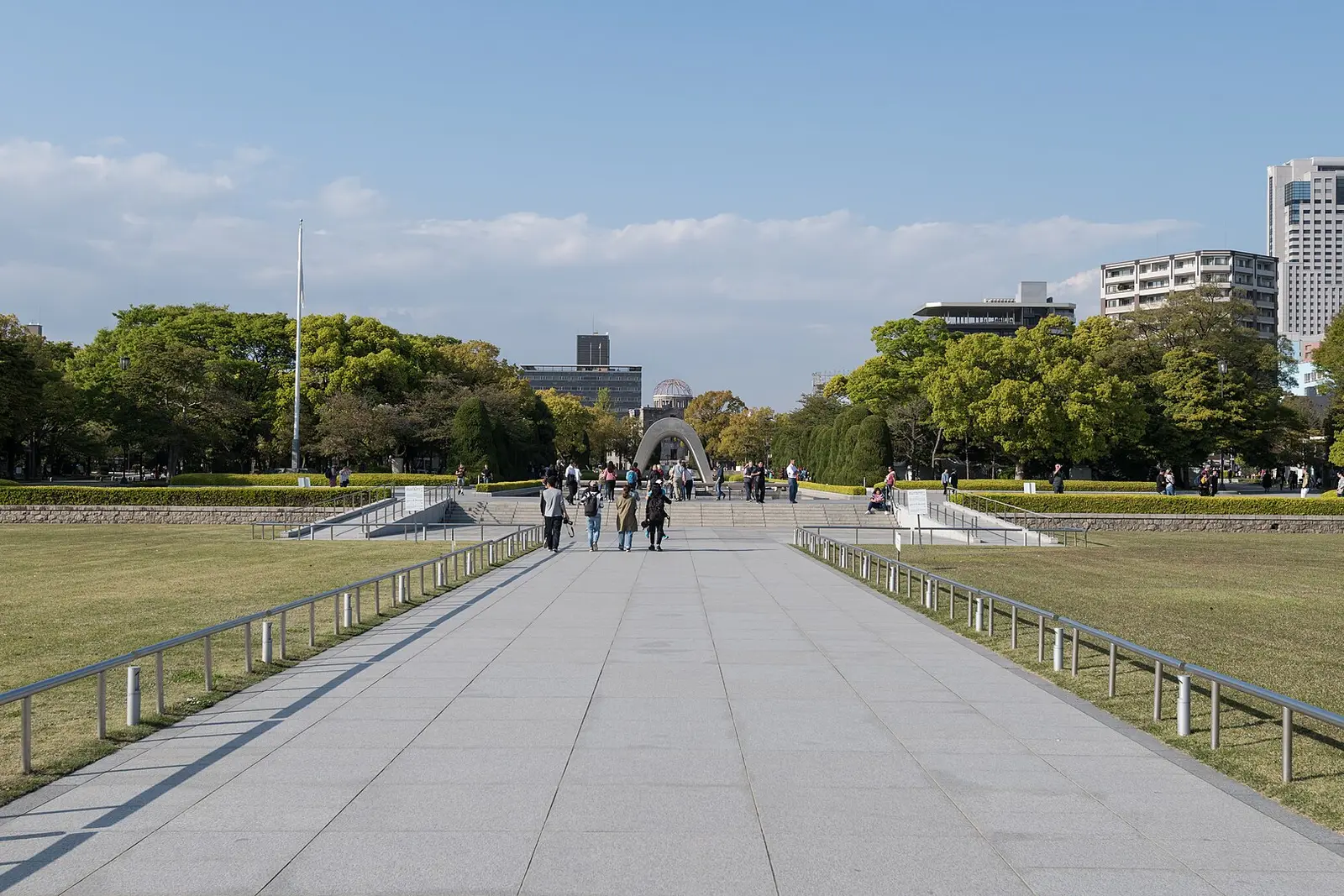
Peace Memorial Park is a wide, green space in the middle of Hiroshima, with a river on both sides. Before 1945, this was a busy neighborhood. Today it holds the city's main memorials and the Peace Memorial Museum, and for most visitors it is the heart of a trip to Hiroshima.
A neighborhood, then a park
The land under the park was once the Nakajima district, one of the busiest downtown areas in the city, with shops, temples, markets and about 6,500 people living in seven neighborhoods. The bomb exploded over this district on August 6, 1945. After the war the area became a park. The plan came from a design competition in 1949, which was won by a group led by the architect Kenzo Tange.
Small stone markers around the park still name the lost neighborhoods. One old gravestone, from a temple that stood here, is the only monument in the park left on the ground exactly as it was on that day.
The Cenotaph and the Flame of Peace
The arch in the center of the park is the Cenotaph, finished on August 6, 1952, and also designed by Tange. Its shape resembles an ancient house, partly to shelter the souls of the dead. A stone chest inside holds a register of the names of people who died because of the bombing, whatever their nationality. As of August 2015, it held 108 volumes and 297,684 names, and names are still added when relatives apply. The inscription reads: "Let all the souls here rest in peace; For we shall not repeat the evil."
The long Pond of Peace surrounds the Cenotaph, so the monument seems to float. Not far away burns the Flame of Peace. It was lit on August 1, 1964, and has burned ever since. The pledge is to keep it burning until nuclear weapons are gone from the earth. Its base, designed by Tange as well, shows two hands pressed together at the wrist with the palms turned up to the sky. The Children's Peace Monument, nearby, honors the children killed in the bombing. It is based on Sadako Sasaki, a girl who folded paper cranes while she was ill, and people still send cranes here.
The Peace Memorial Museum
The museum opened in 1955. Its two buildings were renovated, and the Main Building reopened in 2019. The permanent exhibition has six parts. It begins with Hiroshima before the bombing, then moves through August 6 and its immediate effects, the lives of survivors, the history of nuclear weapons, and the city's rebuilding.
The displays are direct. They include topics such as children killed in the bombing, black rain and shadows left on stone. You may find it heavy. Take breaks, and step outside if you need to. The guide route through the Main Building takes about 30 minutes, but most people spend longer.
Tickets and tips
An adult ticket is ¥200, a high school student pays ¥100, and junior high school students and younger are free. The museum is open every day except December 30 and 31, with a short closing in mid-February to change the exhibition.
Early-morning entry (7:30 to 8:30 am) and the evening slots need an online reservation. The museum also shows live camera views of its entrances on its website, so you can check the crowd before you go. Audio guides cost ¥500 at the counter on the first floor of the East Building. They come in English and many other languages, and the full tour lasts about 70 minutes. Free guided tours by volunteers also run.
Photos without flash are fine for personal use, but tripods and selfie sticks are not allowed. Large bags are not allowed inside, and coin lockers are on the first floor of the East Building. Eat and drink only in the lounge there.
Nearby
The Atomic Bomb Dome stands beside the park and has its own guide. The park's Rest House was about 170 meters from the center of the explosion, and its basement is kept as it was just after the bombing.
More on Hiroshima & Miyajima
 HIROSHIMA & MIYAJIMA3 min read
Atomic Bomb Dome: The Ruin Hiroshima Chose to Keep
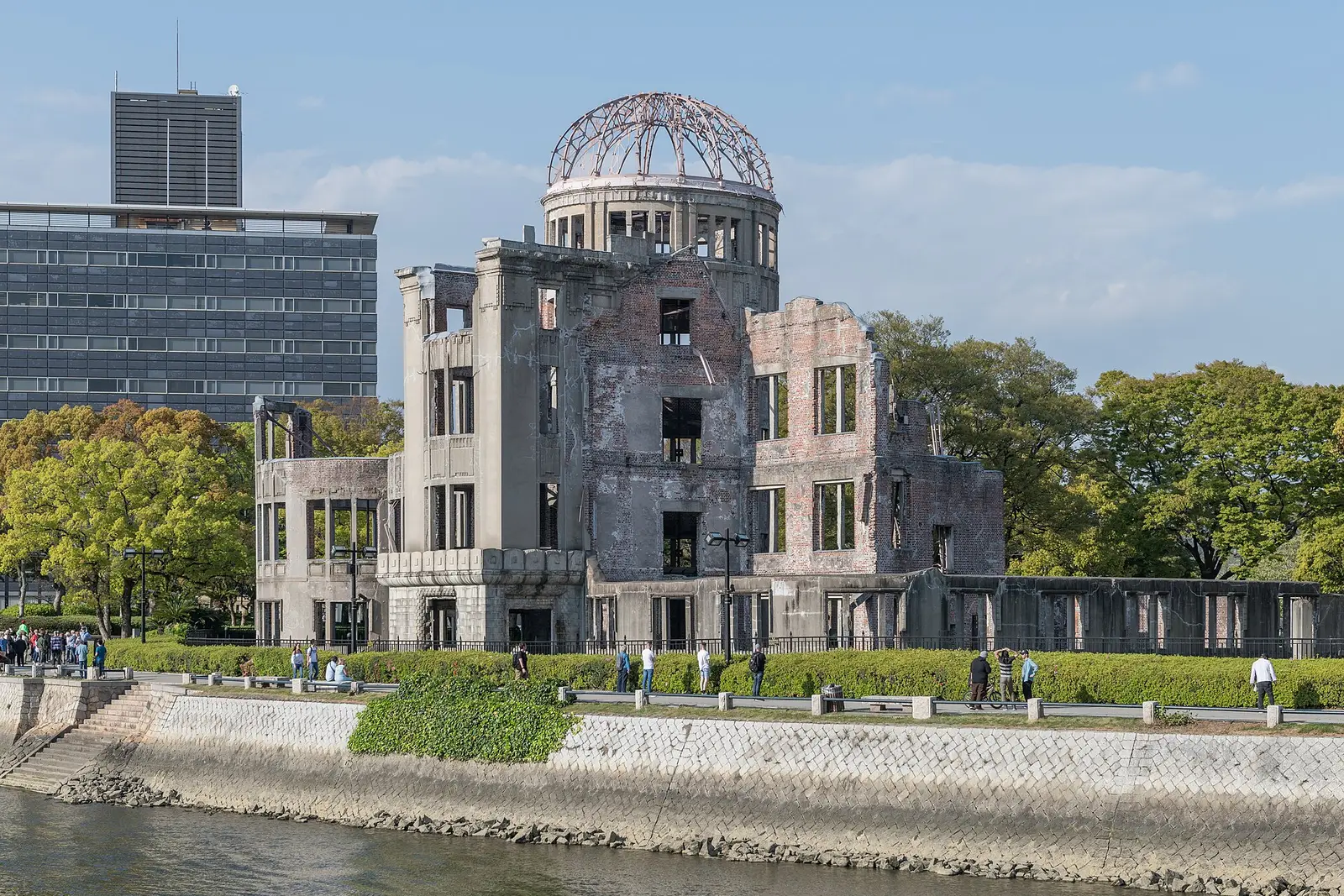
A ruined exhibition hall that stood almost beneath the 1945 explosion, kept as it was so people remember.
 HIROSHIMA & MIYAJIMA3 min read
Itsukushima Shrine: The Shrine on the Sea at Miyajima
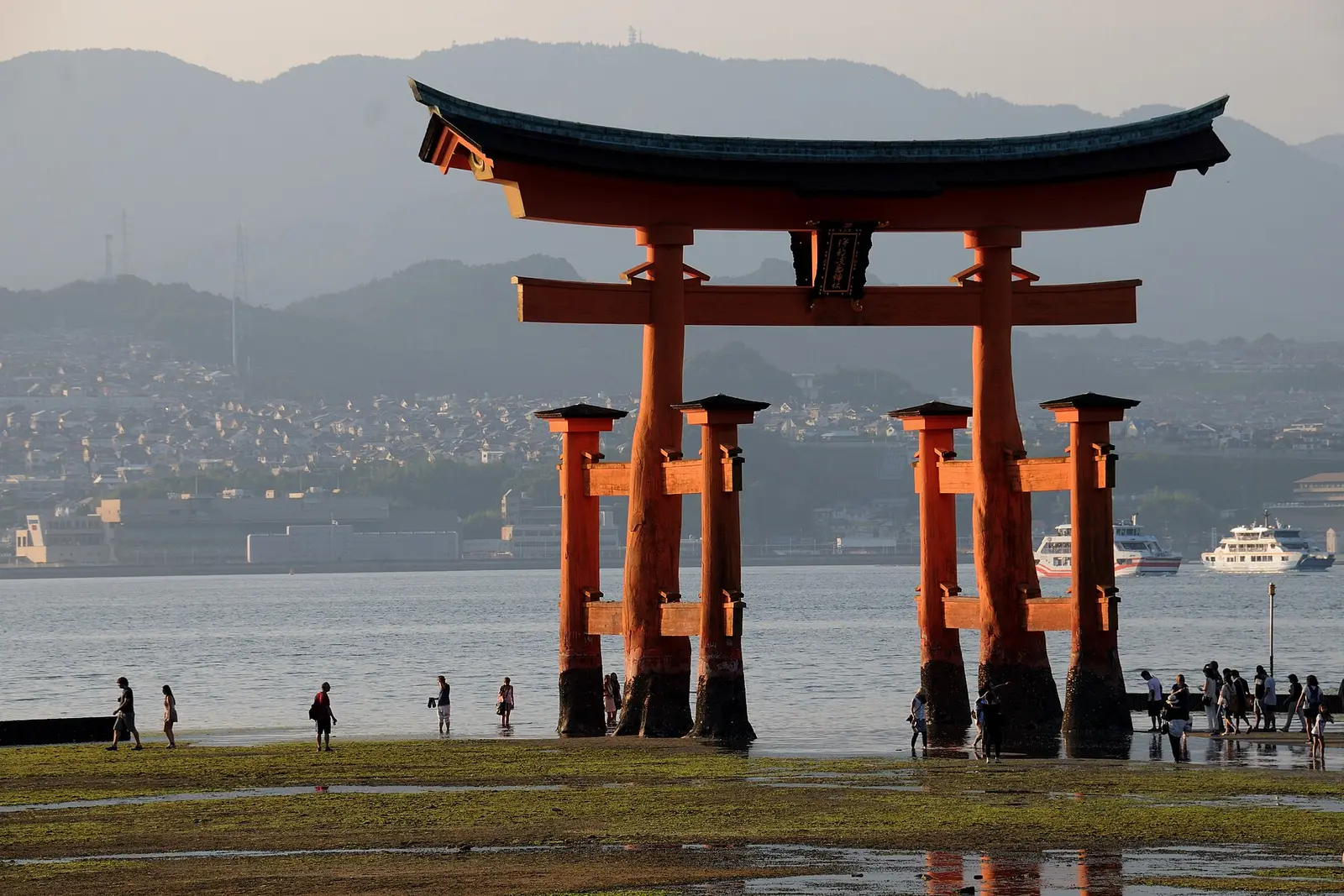
A vermilion shrine built over the water on Miyajima island, with a great red gate standing in the sea.
 HIROSHIMA & MIYAJIMA3 min read
Mount Misen: Ropeway and Hike Above Miyajima
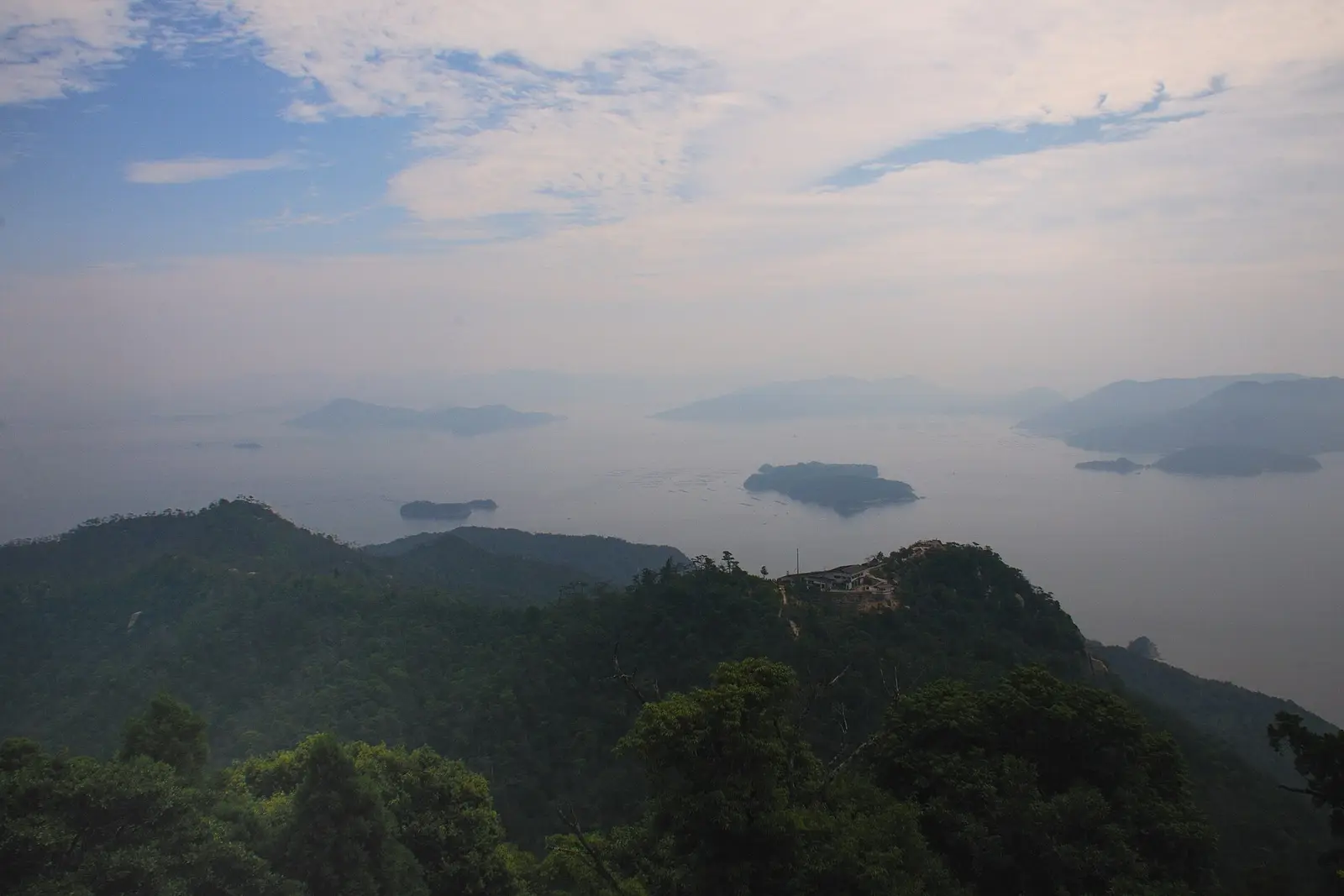
The sacred mountain behind Itsukushima Shrine, with a two-stage ropeway, a steep walk and wide views of the Seto Inland Sea.