Destinations › Hiroshima & Miyajima
Itsukushima Shrine: The Shrine on the Sea at Miyajima
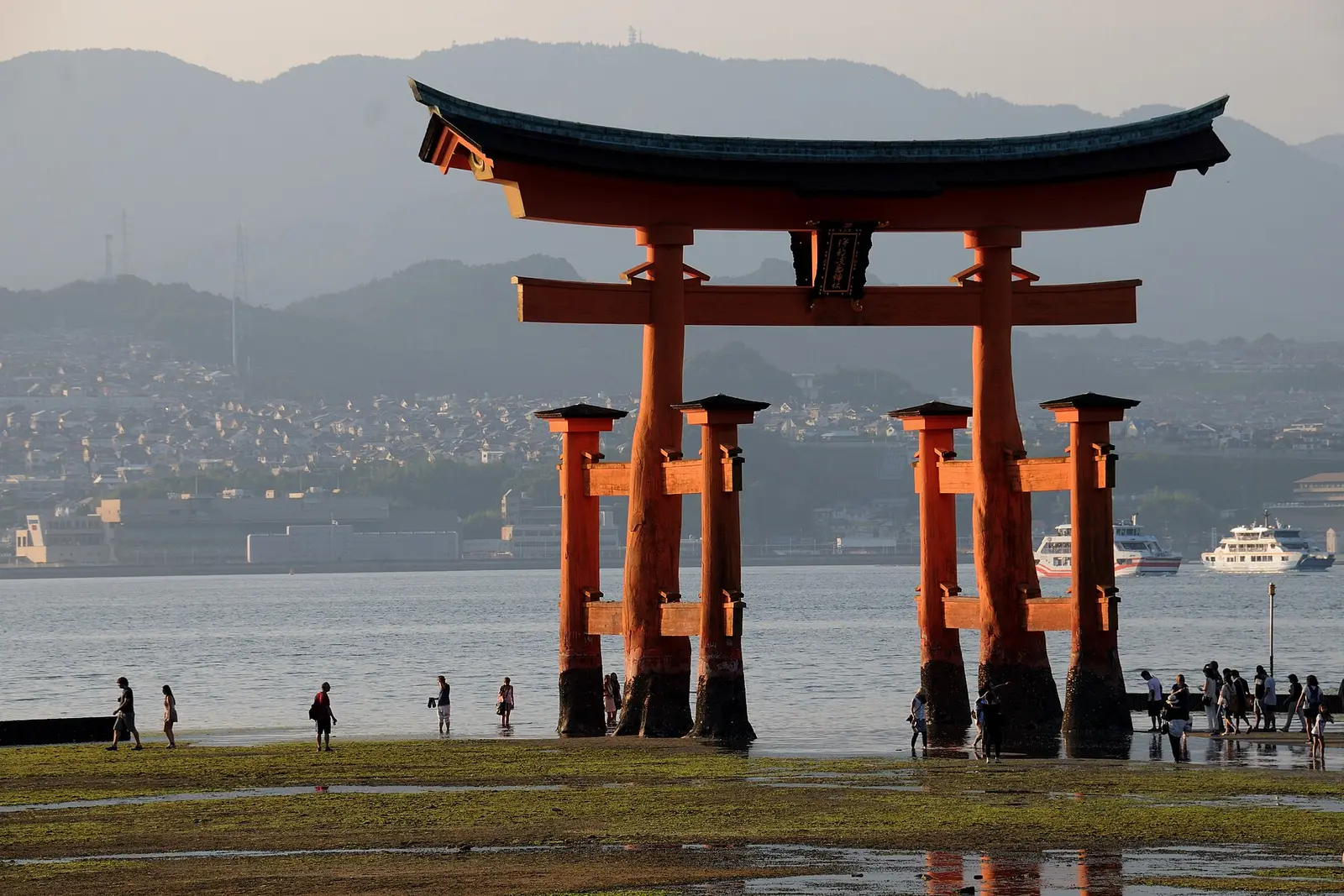
Take a ten-minute ferry from the mainland and a red gate appears in the water. Behind it, a shrine of red corridors stands on the edge of the island, and at high tide it seems to float. This is Itsukushima Shrine, the main reason people come to Miyajima.
A shrine built where the tide comes in
The shrine honors three deities, who in Japanese myth were born from a pledge between the sun goddess Amaterasu and her brother Susanoo. According to the shrine, it was founded in the year 593 by Saeki no Kuramoto, the governor of the island. He is said to have followed a divine crow to the spot where the tide rises and falls.
In 1168, the powerful warlord Taira no Kiyomori rebuilt the shrine in the style used for noble houses. Later rulers, including Ashikaga shoguns and the Ouchi and Mori clans, supported it too. The halls are linked by long covered corridors that stand over the shoreline, so at high tide the sea comes up underneath. In 1996, it was added to the UNESCO World Heritage List.
The Great Torii
The big gate in the water is the symbol of Miyajima. It is about 16.8 meters tall. The main pillars are around 13.4 meters high and about 9.9 meters around, and the top beam is 23.3 meters long. It is made of wood, with a roof covered in cypress bark and a coat of vermilion lacquer.
The surprising part is that it is not buried in the seabed. It stands on its own weight. The current gate is the ninth to stand here, and it was put up in 1875. It is a National Important Cultural Property.
From the shrine you can see the torii out in the bay. The view changes with the tide, so check the tide table on the Miyajima Tourist Association website before you plan your day.
Walking through the shrine
You enter, buy a ticket and follow a set route through the east corridor, the main hall and the stage areas, then the west corridor. Near the end are an arched bridge called Soribashi and a Noh stage, where traditional theater is performed. The torii is the final stop on the route, seen from the shrine.
The floorboards in the corridors have small gaps between them. They let the sea pressure pass through at high tide. The shrine asks you to wear comfortable shoes, because high heels can get stuck in the gaps.
Hours and tickets
The shrine is open every day of the year. It opens at 6:30 am. It closes at 6 pm from March 1 to October 14, at 5:30 pm from October 15 to November 30, and at 5 pm in December. From January 4 to the end of February it closes at 5:30 pm.
An adult ticket is ¥300, a high school student pays ¥200, and elementary and junior high school students pay ¥100. The Treasure Hall, which is open from 8 am to 5 pm, costs the same, and a combined ticket for both is ¥500. The combined ticket is sold only at the shrine entrance. Hokoku Shrine, also called Senjokaku, is a separate hall open from 8:30 am to 4:30 pm, and it costs ¥100.
Getting there
From JR Hiroshima Station, the Sanyo Line takes about 30 minutes to Miyajimaguchi Station. From the station you walk to the ferry port, and the crossing takes about 10 minutes. The Hiroden streetcar from central Hiroshima also reaches Miyajimaguchi, in about an hour from Kamiyacho. Both JR and Matsudai run ferries. The JR ferry accepts the Japan Rail Pass.
A visitor tax of ¥100 is charged separately when you enter the island, and preschool children are exempt. The shrine has no parking.
Nearby
Mount Misen rises behind the shrine. A ropeway runs up to the high viewpoints, and our Mount Misen guide covers the routes. Back in Hiroshima city, the Peace Memorial Park and the Atomic Bomb Dome make a good second stop for the same day.
More on Hiroshima & Miyajima
 HIROSHIMA & MIYAJIMA3 min read
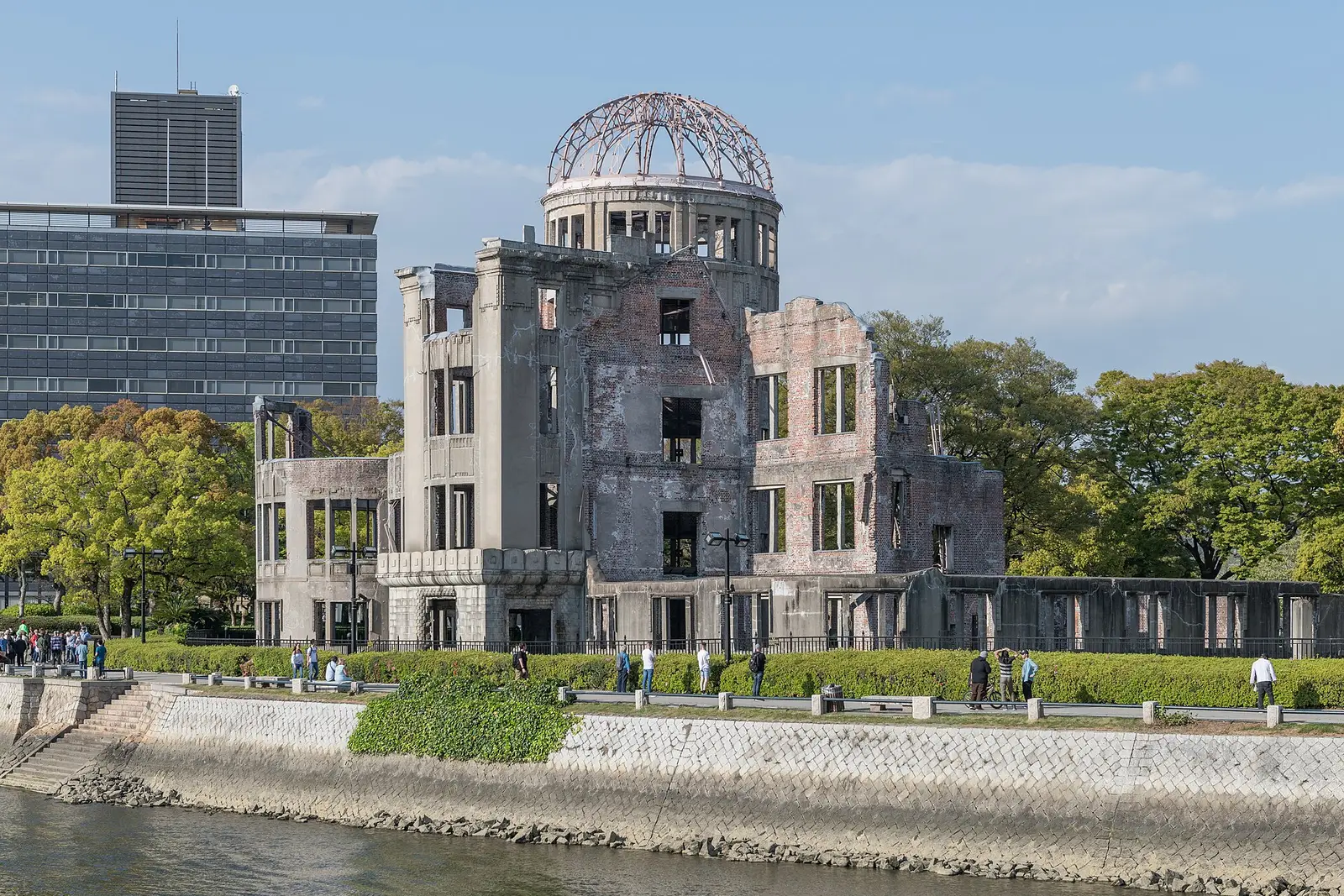
Atomic Bomb Dome: The Ruin Hiroshima Chose to Keep
A ruined exhibition hall that stood almost beneath the 1945 explosion, kept as it was so people remember.
 HIROSHIMA & MIYAJIMA3 min read
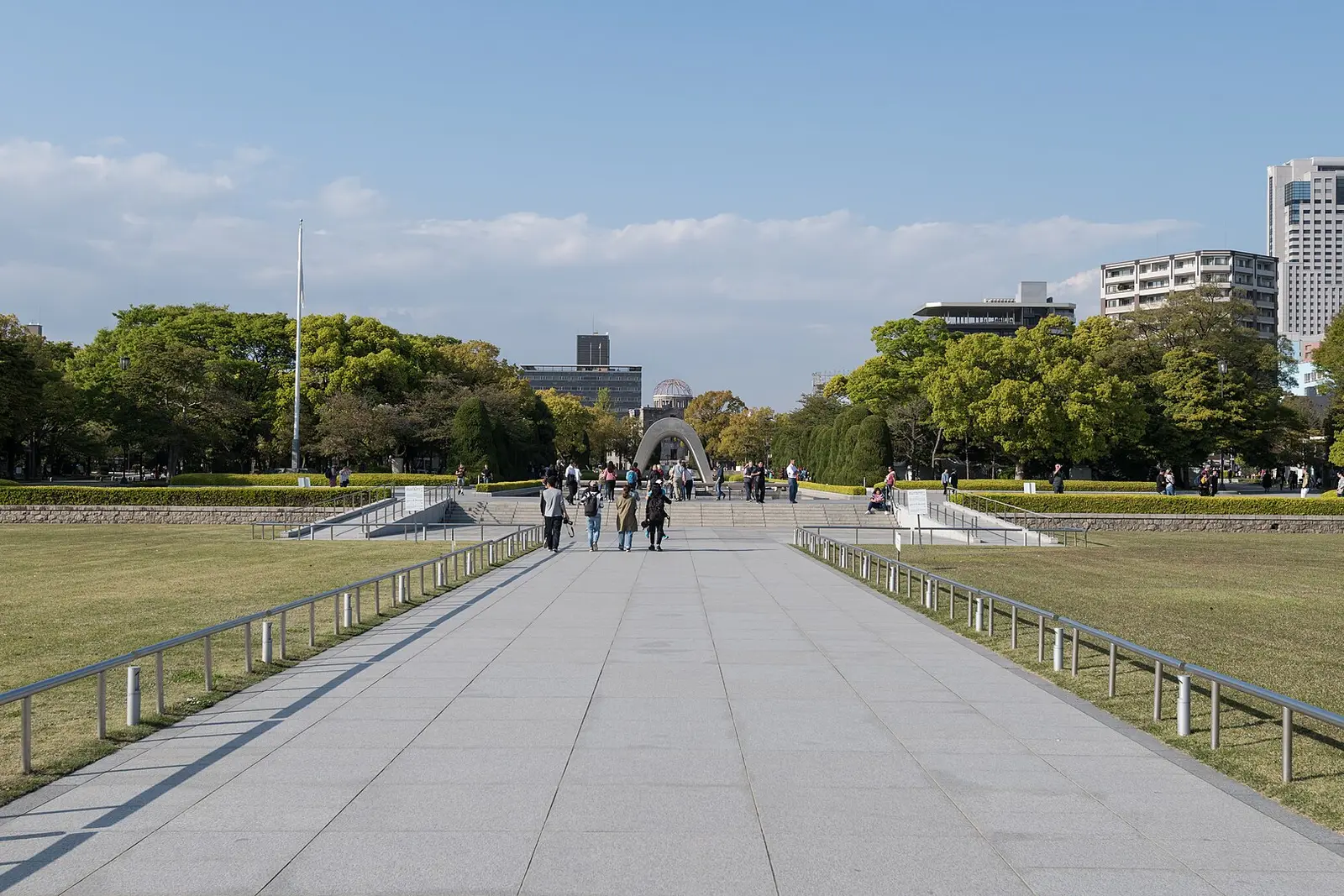
Peace Memorial Park and Museum: Where to Begin in Hiroshima
A quiet park built where a busy neighborhood stood, and the museum that tells the story of August 6, 1945.
 HIROSHIMA & MIYAJIMA3 min read
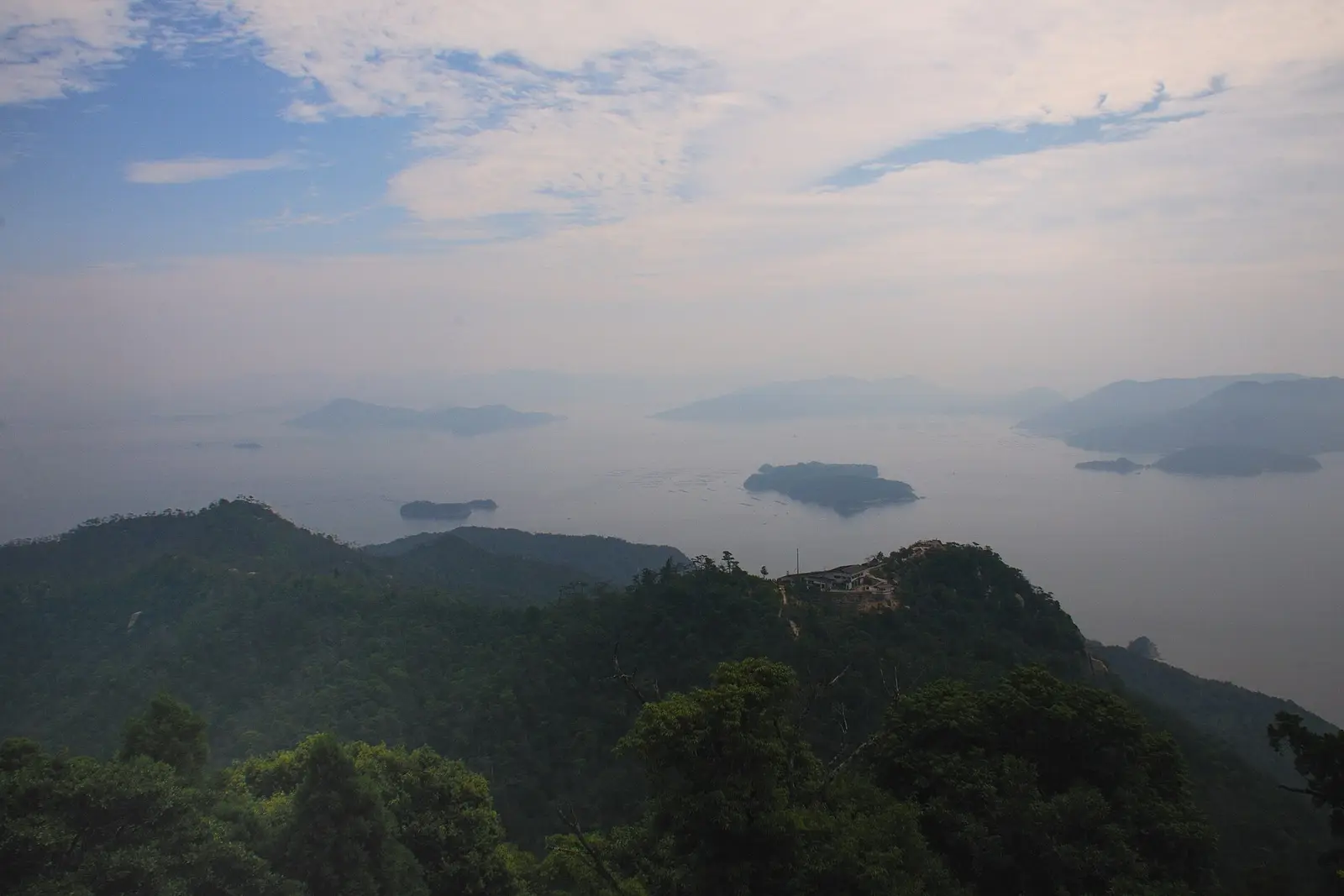
Mount Misen: Ropeway and Hike Above Miyajima
The sacred mountain behind Itsukushima Shrine, with a two-stage ropeway, a steep walk and wide views of the Seto Inland Sea.