Kinkaku-ji: The Golden Pavilion
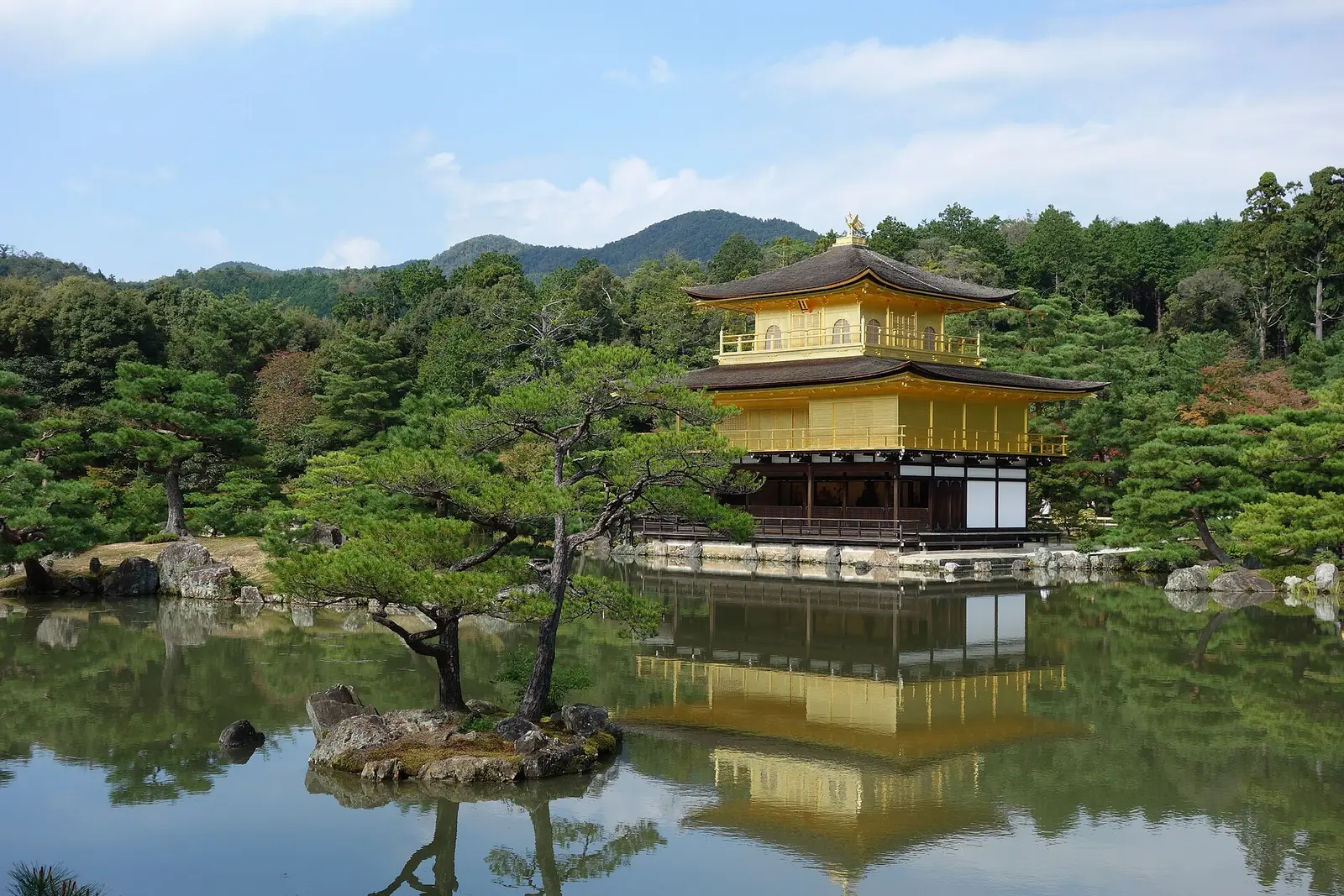
A pavilion covered in gold leaf stands at the edge of a calm pond, and the whole scene looks like a painting. Kinkaku-ji, the Golden Pavilion, is one of the most photographed buildings in Kyoto. The building you see today is younger than it looks.
From a shogun's villa to a temple
The temple's official name is Rokuon-ji. It began as a country villa. In 1397, the shogun Ashikaga Yoshimitsu started building his new residence, the Kitayama palace, on this site. He died in 1408, at the age of 51. His son Yoshimochi then turned the villa into a Zen temple.
The pavilion has burned more than once, including twice during the Onin War. The last fire was in 1950, when a monk set it alight. The building was rebuilt in 1955. That is why the gold looks so fresh: this is a modern copy of an old design.
What you are looking at
Each of the three floors is built in a different style. The first floor is in the style of a noble's mansion, with plain wood pillars and white walls. Inside are statues of Shaka Buddha and of Yoshimitsu, which you can sometimes see from across the pond. The second floor follows the style of a samurai home, and its outside is covered in gold leaf. The third floor is in the style of a Chinese Zen hall, gilded inside and out, with a golden phoenix on the roof.
Visitors do not go inside. The pavilion is meant to be seen from across the pond, and a seated Kannon on the second floor is not shown to the public. On a still day the water reflects the gold, so you see two pavilions instead of one.
The path around the garden
Your ticket takes you along a one-way path. First comes the view across the pond. Then you pass the former quarters of the head priest, which are closed to visitors. The path circles behind the pavilion and through a garden that has kept its original design.
Look for Anmintaku Pond, said never to dry up. People throw coins at some of the small stone statues there for luck. Just before the exit stands Sekkatei, a teahouse added in the Edo period.
Tea and the exit
After the exit, a small tea garden serves matcha and Japanese sweets. It is a good place to sit down after the walk. Remember that this is still a working temple of the Rinzai school of Zen, so keep your voice low. Nearby is Fudo Hall, which holds a statue of Fudo Myoo, said to have been carved by the monk Kobo Daishi.
Hours, price and timing
Kinkaku-ji is open from 9:00 am to 5:00 pm all year. The ticket costs ¥500 for adults and ¥300 for primary and middle school students. Hours and prices can change during special exhibitions. A typical visit takes 15 to 45 minutes, so it fits easily into a morning.
The path is one-way, so you will not need to double back. If you want more room for photos at the pond, arrive when the gates open at 9:00 am, and take your time before moving on along the path.
Getting there
Take City Bus No. 205 from Kyoto Station. It takes about 40 minutes and costs ¥230, and the stop is Kinkakuji-michi. Other City Bus lines that serve the stop include Nos. 12 and 59, and M1. Another way is the Karasuma Subway Line to Kitaoji Station, about 15 minutes and ¥260, and then bus No. 204 or 205 for about 10 minutes.
Nearby
Kinkaku-ji is in northern Kyoto, a long bus ride from the central sights, so plan the trip around it. Arashiyama and its bamboo grove are on the western side of the city, and Kiyomizu-dera and Fushimi Inari are in the east and south. If you need lunch afterward, ride back toward the center and go to Nishiki Market.
More on Kyoto
 KYOTO3 min read
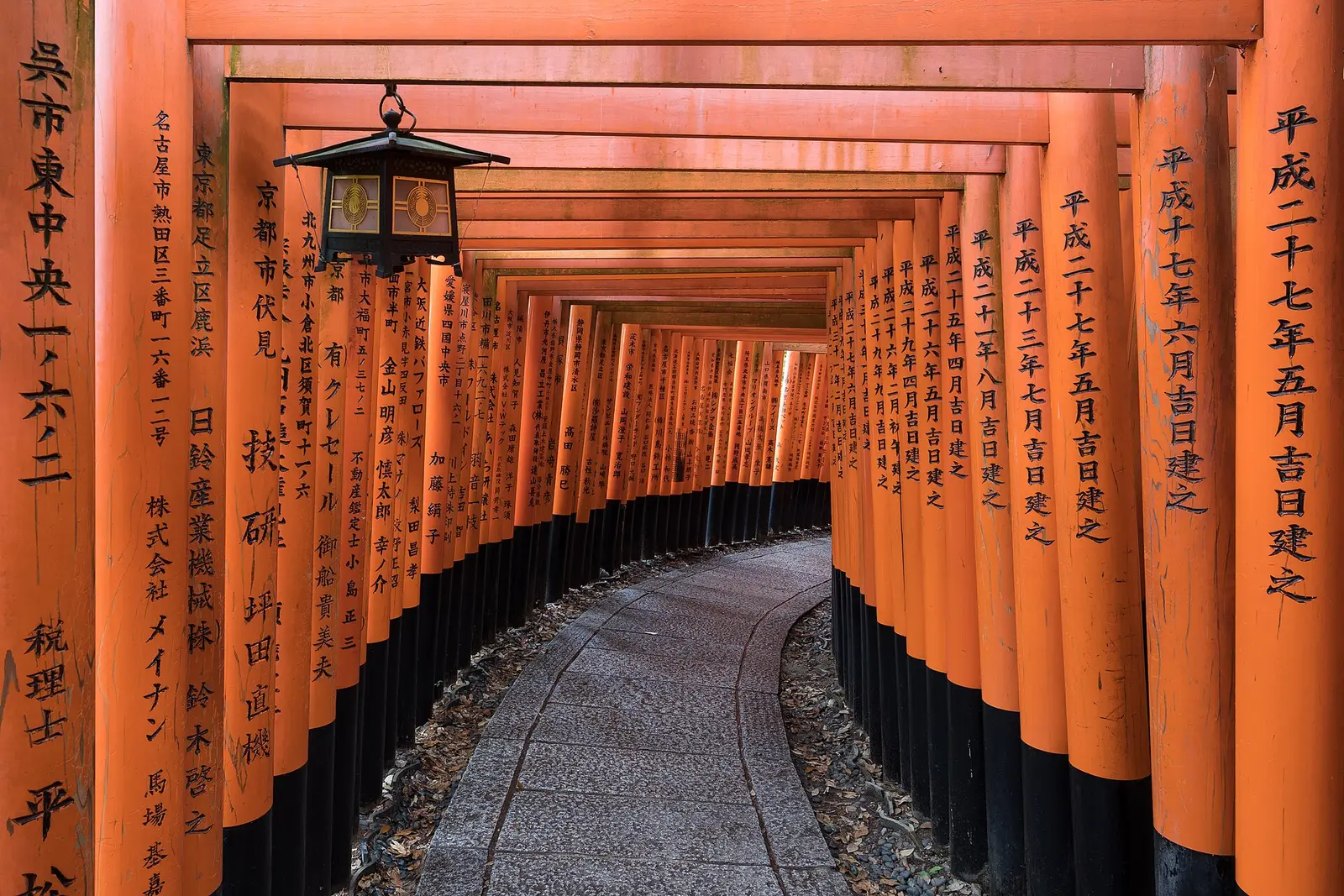
Fushimi Inari: The Shrine of Ten Thousand Gates
Paths of red gates climbing a wooded hill. What they mean, how far to walk, and where to turn back.
 KYOTO3 min read
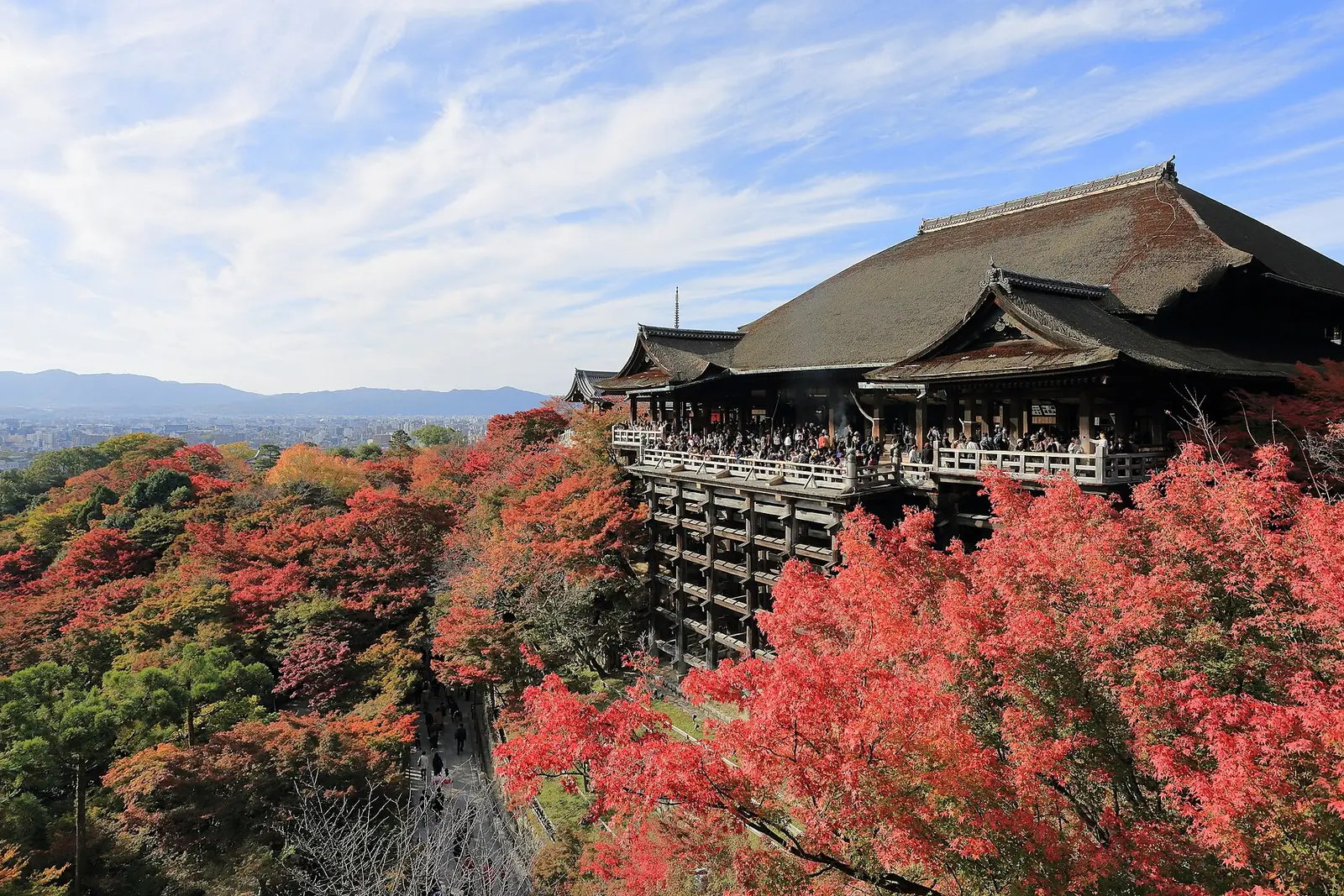
Kiyomizu-dera: The Temple on a Wooden Stage
A hillside temple with a huge wooden stage and a spring of clear water. Hours, price and the best way up.
 KYOTO3 min read
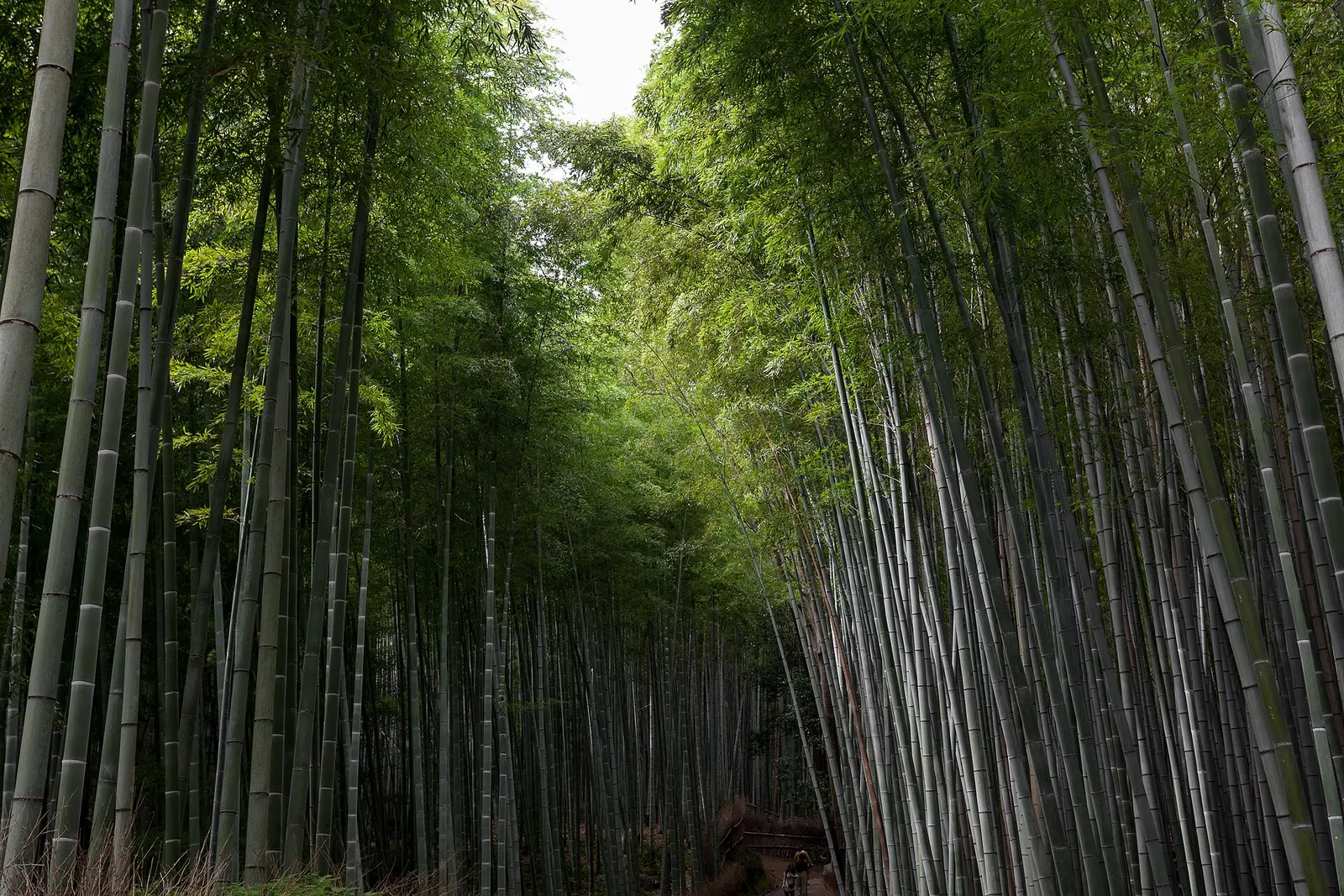
Arashiyama Bamboo Grove: A Walk Between Green Walls
A path between tall green bamboo, free and always open. What else to see nearby and how to avoid the crowds.