Kiyomizu-dera: The Temple on a Wooden Stage
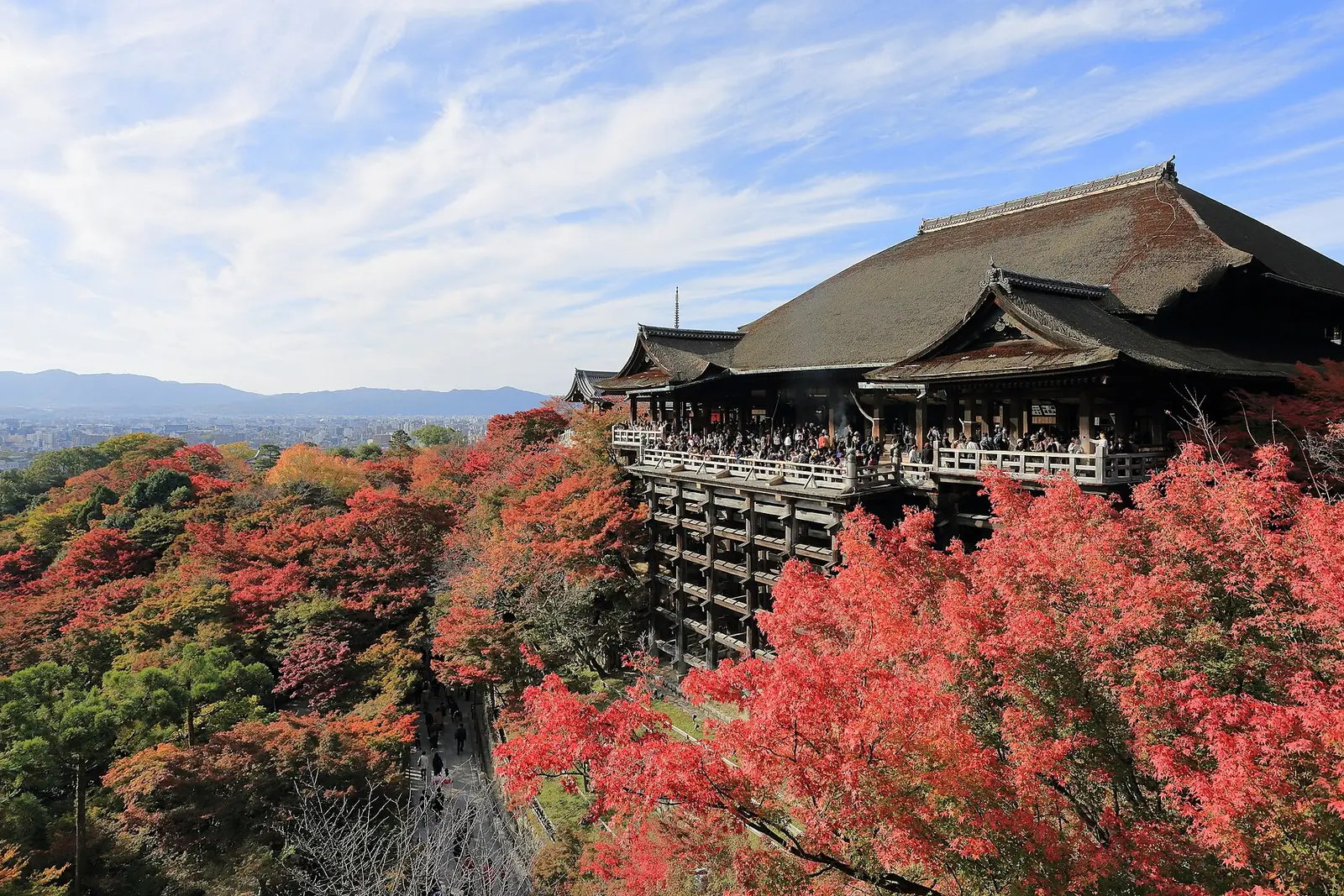
High on a hill in eastern Kyoto, a great wooden stage sticks out from the side of a temple, held up by a forest of tall posts. Below it, trees fill the valley, and past them lies the city. The temple is Kiyomizu-dera, and its name means "Pure Water Temple."
A temple built around a spring
The temple's own website says that over 1,250 years have passed since it was founded. The story begins with a priest who found a clean spring welling up deep in the hills of Mount Otowa. The temple grew around that water, and the name Kiyomizu comes from it.
Today it is one of the best-known sights in Kyoto. It became a World Heritage Site in 1994. The stage is always busy with visitors, so plan around them.
The stage
The main hall stands on a steep slope, and a wooden stage pushes out from it about 13 meters above the hillside. The hall and the stage were built without nails. The stage is a good place to see cherry blossoms in spring and red maple leaves in autumn, with the city in the distance.
The main hall also holds a small statue of the eleven-faced, thousand-armed Kannon. Further back, Okunoin Hall has a stage of its own. It is worth a look if you want a second viewpoint.
The Otowa Waterfall
Below the main hall, three thin streams of water pour down. This is the Otowa Waterfall, fed by the spring the temple began with. Its water has long been called "golden water" and "life-prolonging water." Each stream is said to bring a different blessing: a long life, success at school, or a good love life. The saying goes that drinking from all three is greedy, so pick one.
Expect to join a line, and be patient. Nearby are the Koyasu Pagoda, linked to safe childbirth, and Zuigudo Hall. For a small fee, Zuigudo lets you walk through a pitch-black basement, meant to feel like a mother's womb.
Jishu Shrine
Behind the main hall is Jishu Shrine, which is dedicated to love and matchmaking. In front of it are two stones about 18 meters apart. The tradition says that if you can walk from one to the other with your eyes closed, you will find love. If someone helps you, the saying goes, you will need a go-between.
Hours, prices and when to go
The temple opens at 6:00 am every day, and the closing time depends on the season. In July and August it stays open later, until 6:30 pm. A ticket costs ¥500. Plan on 30 to 60 minutes inside. The temple also runs special viewings of its smaller halls and gardens at certain times of year, and these can have their own hours and fees, so check its website before you go.
Evening lighting is held in spring, from late March to early April, and in mid-August during Obon. On those nights the temple stays open until 9:30 pm, with the last entry at 9:00 pm. The best time for a calmer visit is early in the day. In autumn 2026, the temple holds a night viewing from November 21 to 30, from 5:30 pm to 9:00 pm, with the last entry at 9:00 pm.
Getting there
From Kyoto Station, take City Bus No. 206 to the Gojozaka stop, about 15 minutes and ¥230. Then walk east for about 10 minutes, uphill. You can also walk about 20 minutes from Kiyomizu-Gojo Station on the Keihan Line. The streets that lead up to the temple are steep and busy, and lined with shops, so give yourself time.
Nearby
The lanes between Kiyomizu-dera and Yasaka Shrine make a pleasant walk through Higashiyama, one of Kyoto's best-preserved old districts. If you want a snack afterward, Nishiki Market is a bus or train ride away. Fushimi Inari, with its red gates, is a short train trip south.
More on Kyoto
 KYOTO3 min read
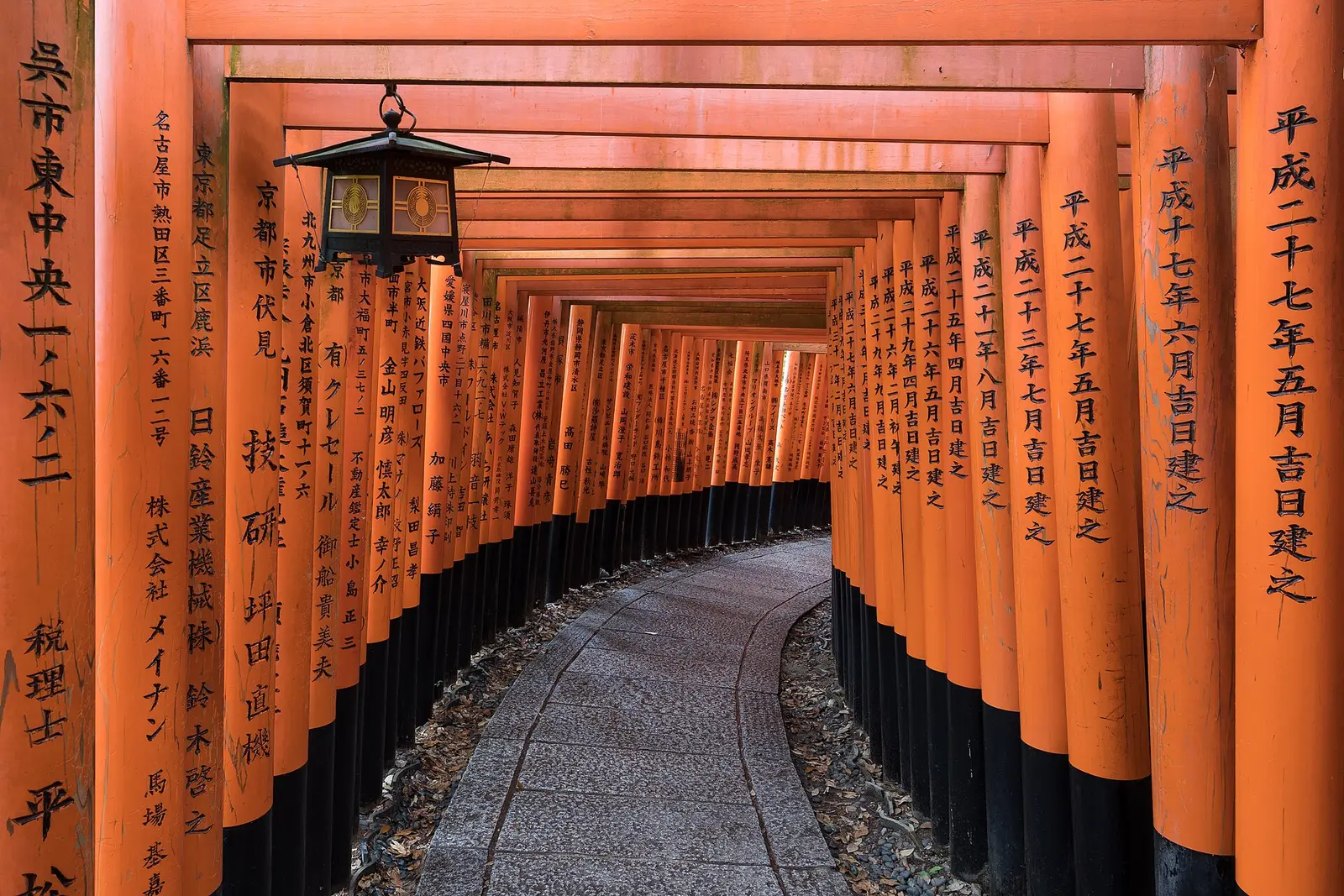
Fushimi Inari: The Shrine of Ten Thousand Gates
Paths of red gates climbing a wooded hill. What they mean, how far to walk, and where to turn back.
 KYOTO3 min read
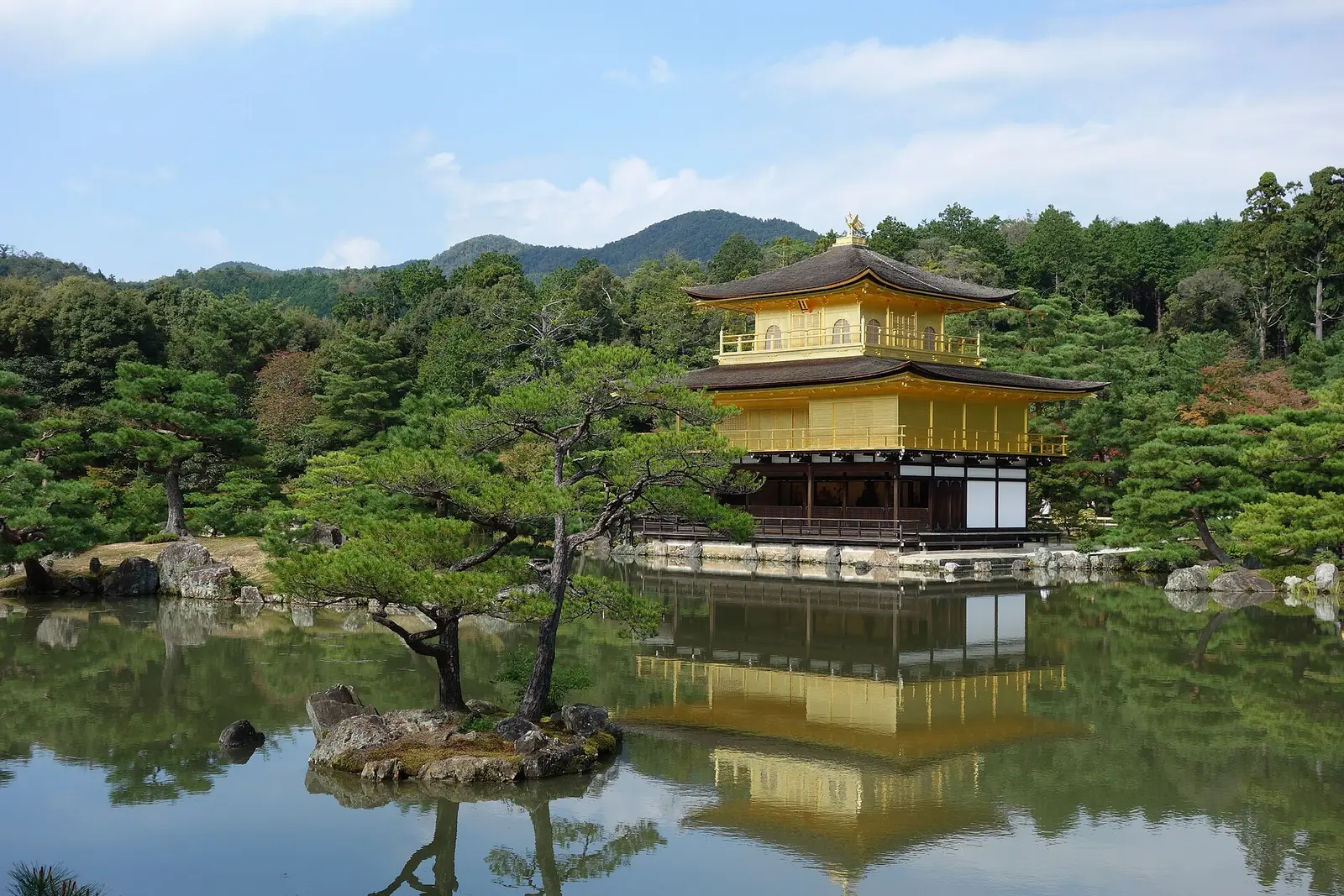
Kinkaku-ji: The Golden Pavilion
A three-story pavilion covered in gold, reflected in a still pond. Its story, ticket price and the bus there.
 KYOTO3 min read
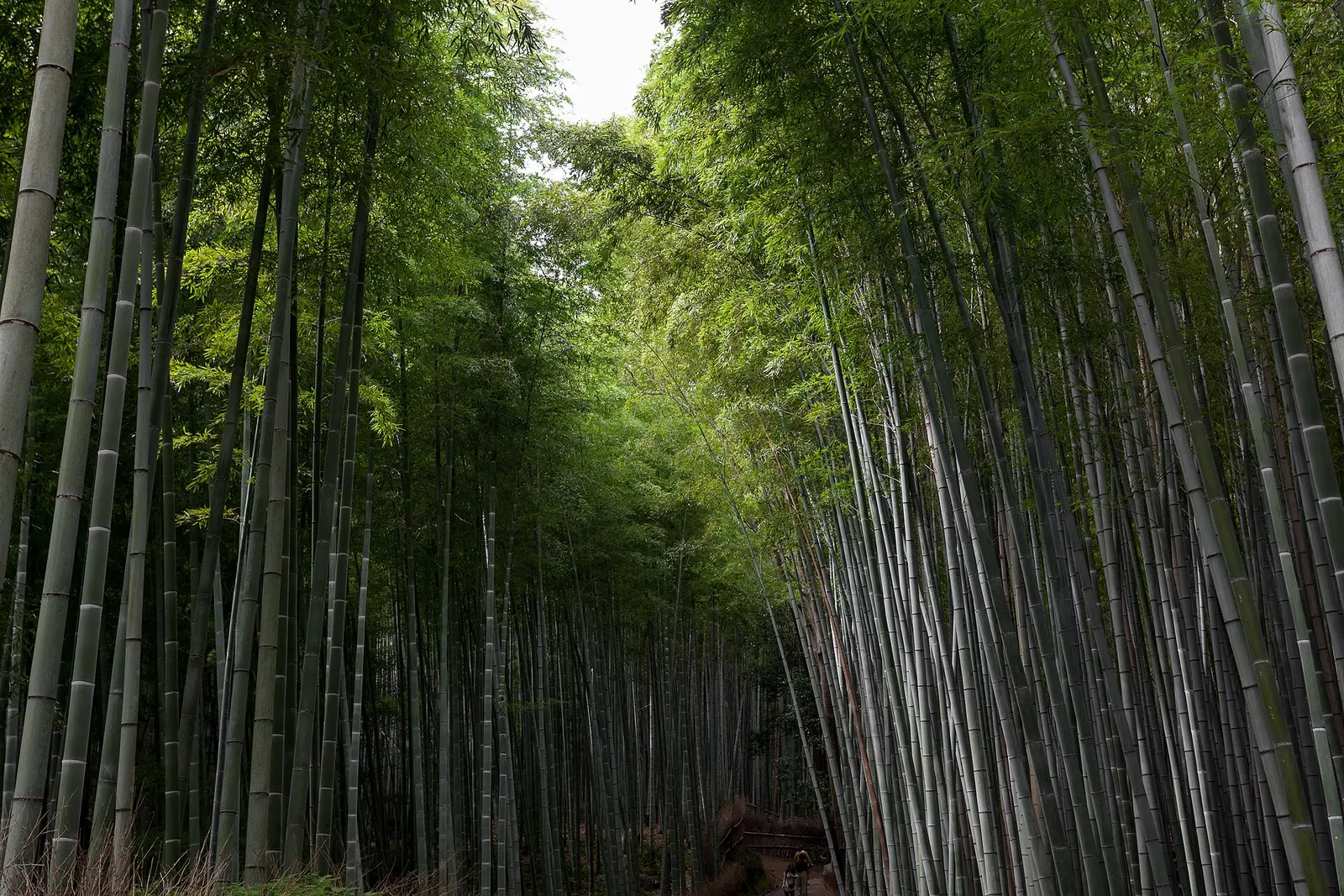
Arashiyama Bamboo Grove: A Walk Between Green Walls
A path between tall green bamboo, free and always open. What else to see nearby and how to avoid the crowds.