Destinations › Tokyo Station & Imperial Palace
Imperial Palace East Gardens: What Is Left of Edo Castle
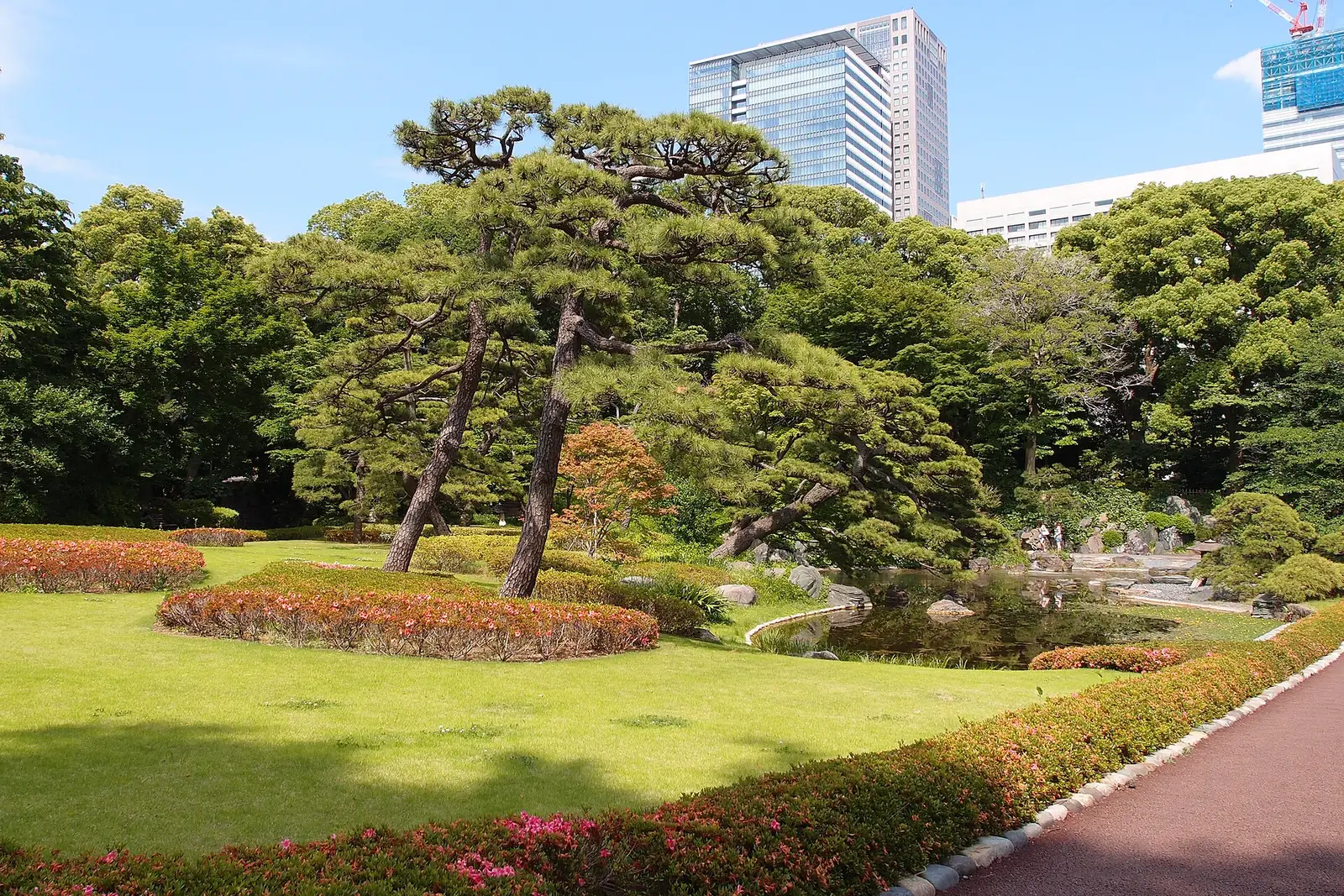
About a 10 to 15 minute walk from Tokyo Station, the glass towers stop and a wide, quiet garden begins. This was the heart of Edo Castle, where the shoguns ruled Japan for more than 250 years. Most of the buildings are gone, but the walls, moats and gates are still here, and entry is free.
The castle that became a palace
The Imperial Palace stands where Edo Castle used to be. The castle was first built in 1457, and the Tokugawa shoguns, who ruled Japan from 1603, made it the largest castle in the country. A fire in 1873 burned most of what was left, and the site later became the palace of the emperor.
The East Gardens were once the innermost circles of the castle, called the Honmaru and the Ninomaru. No main buildings remain. What you see are the bones of the castle: moats, tall stone walls, big entrance gates and a few guardhouses.
What to see inside
The first thing most people notice is the big lawn on top of a hill. The stone base of the castle keep stands here. The keep was finished in 1638 and destroyed by fire in 1657. Only the base is left today. From here you can look out over a wide space where the main compound of the castle once stood.
Down the slope, at the foot of the hill, is the Ninomaru Garden. It is a Japanese-style garden with a pond and pine trees, laid out on the site of the old palace buildings. It is the quietest part of the East Gardens, and a good place to sit.
Other spots on the official map include a teahouse called Suwa no Chaya, the Fujimi-yagura turret, Plum Tree Slope, an Iris Garden and Ninomaru Woods. Near the Otemon Gate, the Museum of the Imperial Collections (Sannomaru Shozokan) and the Imperial Palace Visitor Center are good places to begin, and a good way to learn about the history first.
Hours and closed days
The hours change with the season, and the last entry is 30 minutes before closing:
- March 1 to April 14: 9 am to 5 pm
- April 15 to August 31: 9 am to 6 pm
- September: 9 am to 5 pm
- October: 9 am to 4:30 pm
- November to February: 9 am to 4 pm
The gardens are closed every Monday and Friday, and from December 28 to January 3. They are open on national holidays, except February 23, the Emperor's Birthday. If a holiday falls on a Monday, the closed day moves to the next day. The gardens are also closed for special events, so look at the closure calendar on the Imperial Household Agency website before you go.
Getting in
There are three entrances: Otemon Gate, Hirakawa-mon Gate and Kitahanebashi-mon Gate. Otemon is the closest to Tokyo Station and Otemachi Station, and the one most visitors use. Otemachi Station, which is served by five subway lines (Chiyoda, Tozai, Marunouchi, Hanzomon and Mita), is a short walk from Otemon. Bags are checked at the entrance, so leave big luggage in a station locker or at your hotel.
Because the gardens close early, especially in winter, go in the morning. In November, the last entry is at 3:30 pm, and it gets dark soon after.
Tips for your visit
Wear comfortable shoes, because the paths are long and there are hills. Bring water in summer. Check the closed days before you set out, because a Monday or Friday visit means a shut gate. You can walk in by one gate and leave by another, so you do not have to go back the way you came.
Nearby
The plaza in front of the Nijubashi bridge is just outside the gardens, and it is the usual next stop. In the other direction, Tokyo Station and its red-brick Marunouchi Building are a short walk away, and Nihonbashi is a bit farther along.
More on Tokyo Station & Imperial Palace
 TOKYO STATION & IMPERIAL PALACE3 min read
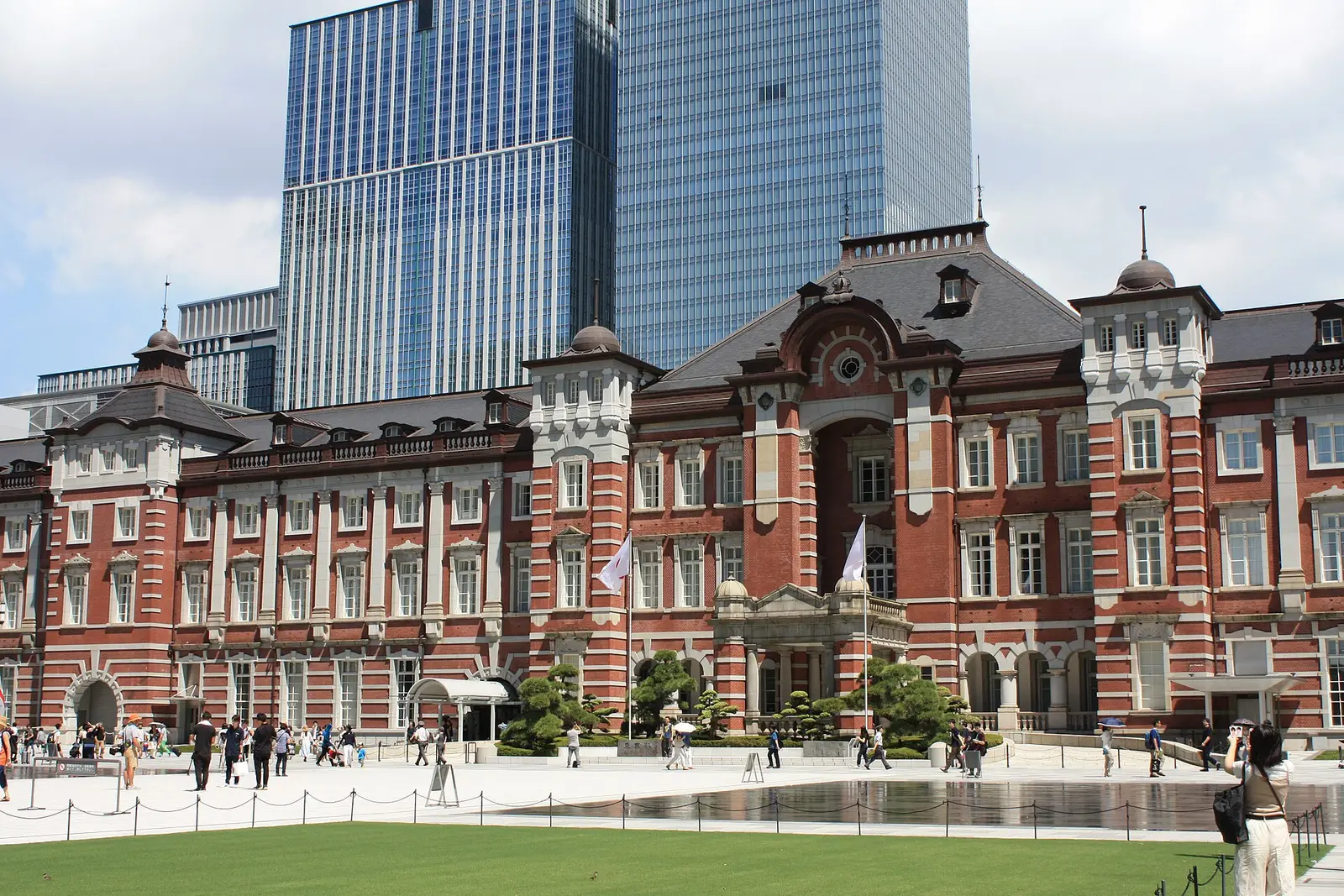
Tokyo Station Marunouchi Building: The Red Brick Landmark
A red-brick station from 1914, rebuilt after the war, and the easiest place to start a walk to the palace.
 TOKYO STATION & IMPERIAL PALACE3 min read
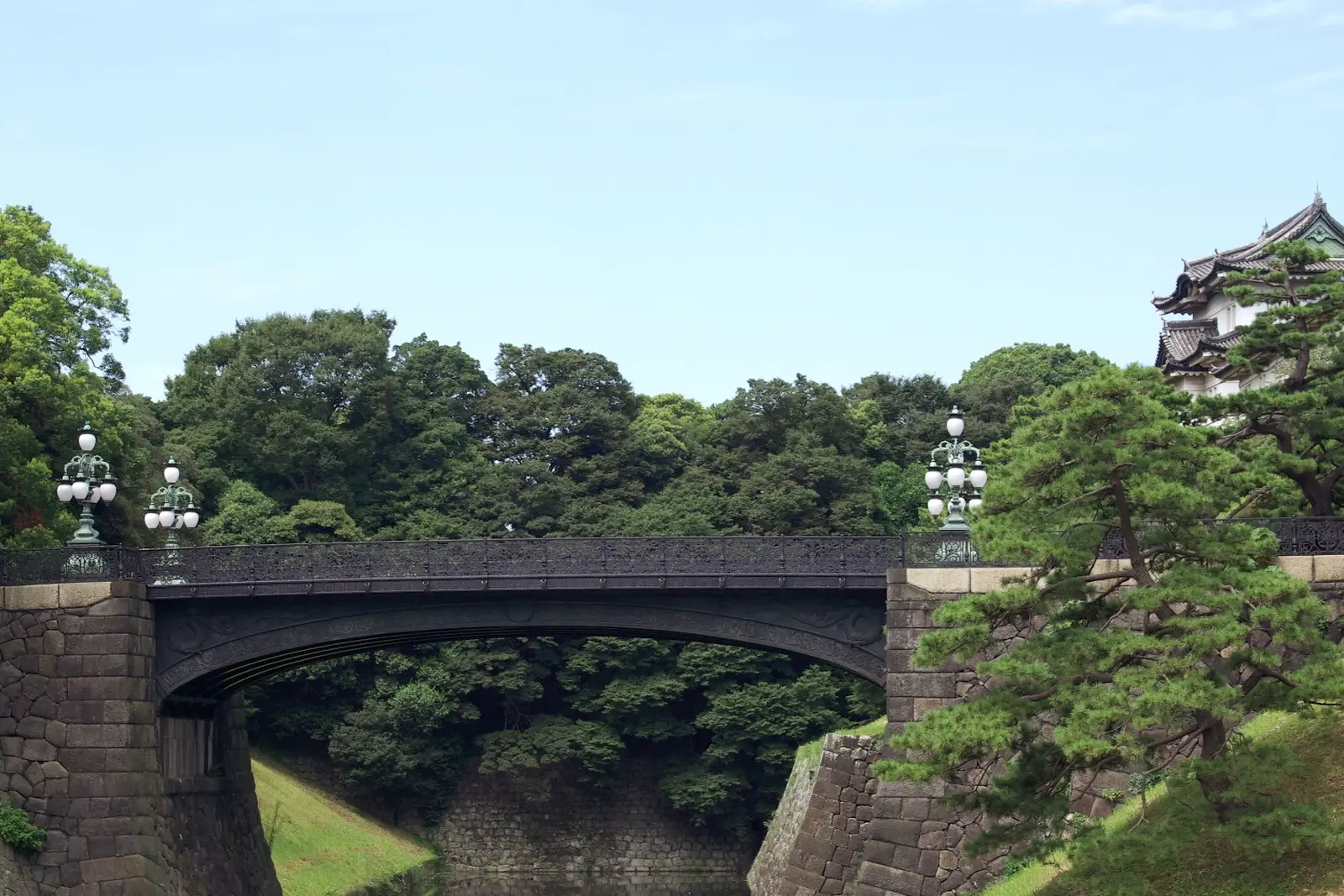
Nijubashi and the Imperial Palace Plaza
The open plaza in front of the Imperial Palace, the famous double bridge, and how to see more on the guided tour.
 TOKYO STATION & IMPERIAL PALACE3 min read
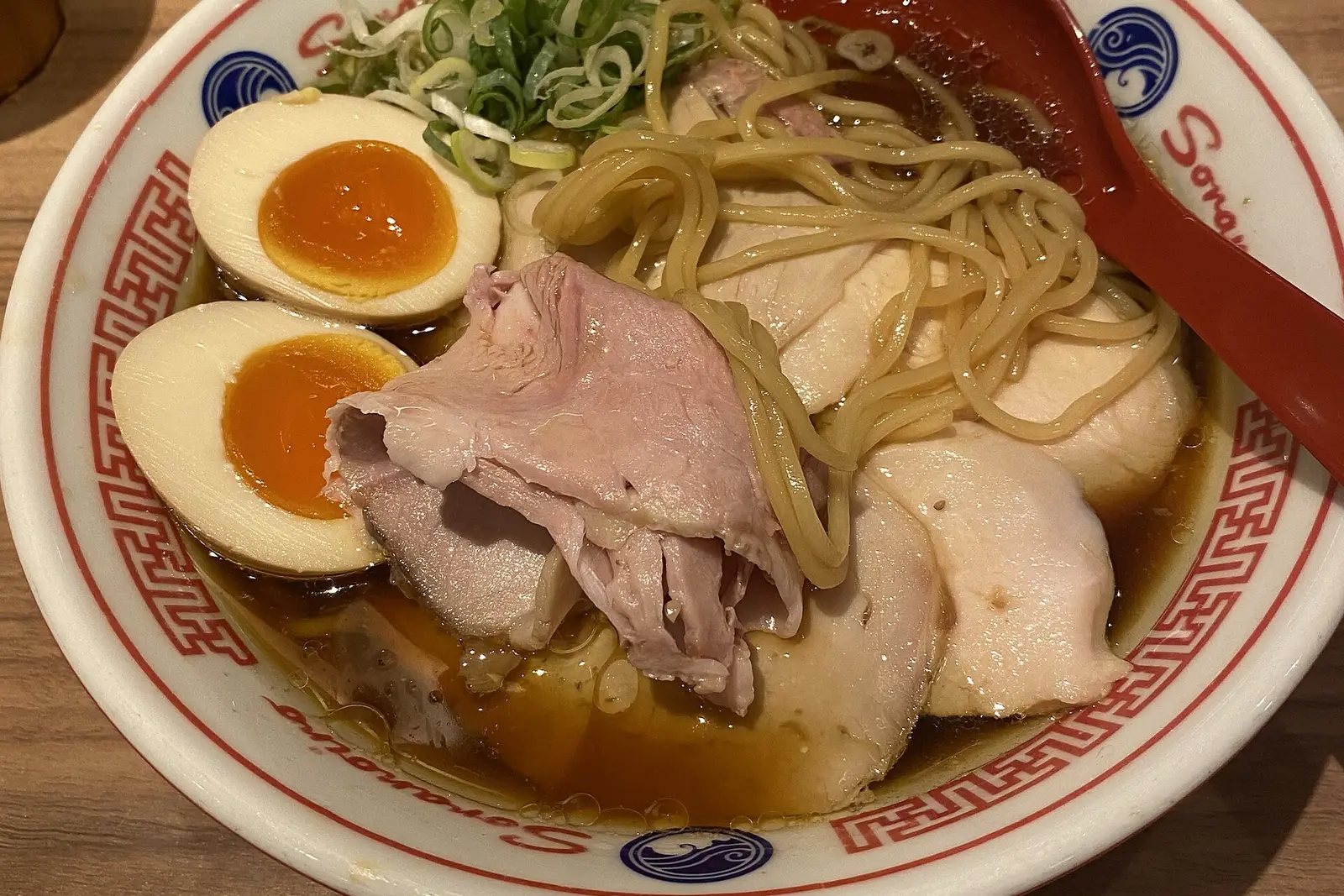
Tokyo Ramen Street: A Row of Ramen Shops in the Station
A corridor of ramen shops under Tokyo Station, each with its own style, plus the character and sweets shops next door.