Destinations › Tokyo Station & Imperial Palace
Nijubashi and the Imperial Palace Plaza
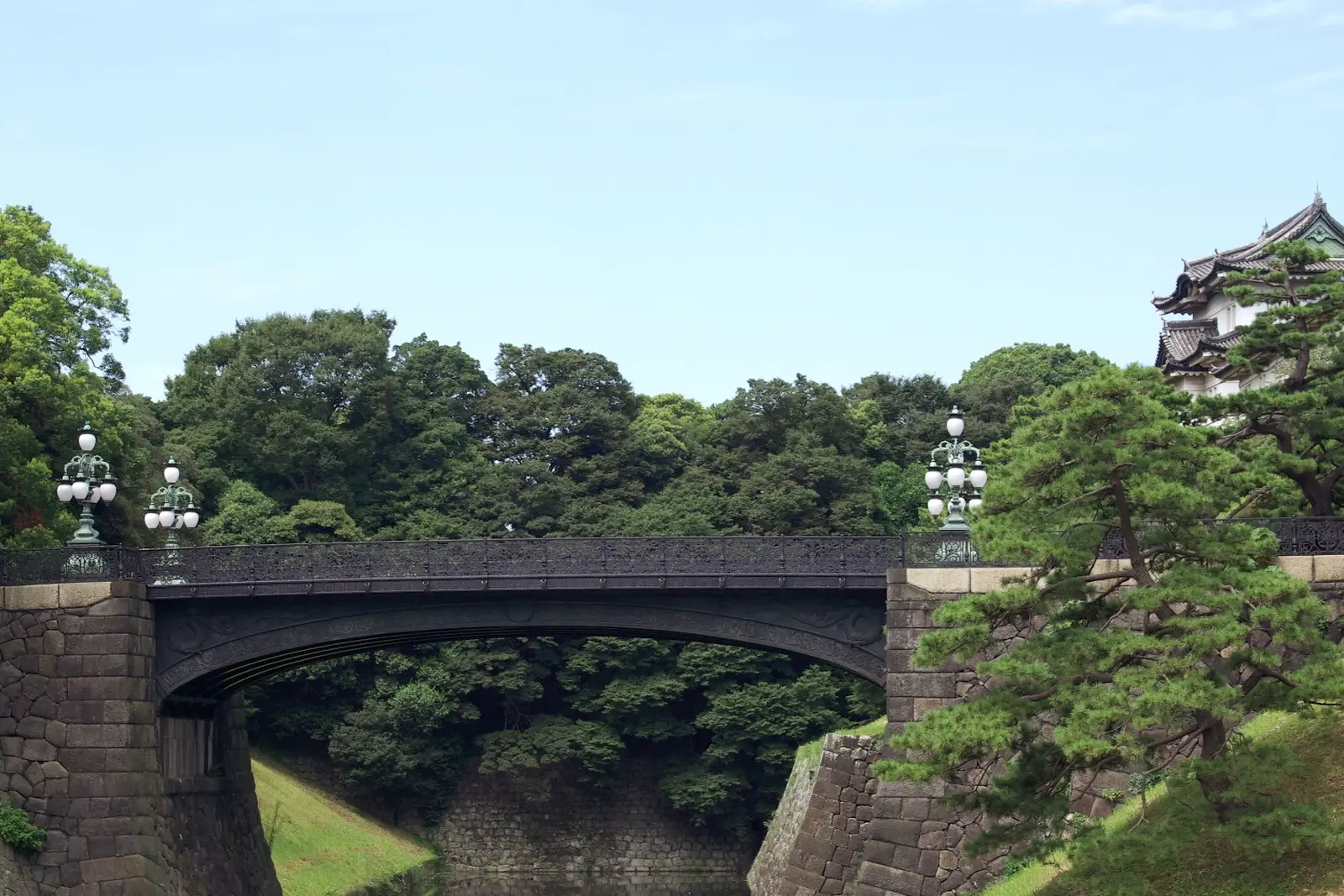
This is the view that appears on postcards of the Imperial Palace: a wide plaza, a moat, stone walls and a graceful bridge leading to a gate. You cannot walk through it, but you can stand in front of it, and you can get closer if you plan ahead.
The plaza in front of the palace
The plaza is part of Kokyo Gaien National Garden, a park of a little over a square kilometer that circles the Imperial Palace. The Ministry of the Environment looks after it. Besides the plaza, the park includes moats and Kitanomaru Garden.
Like the East Gardens next door, this land was once part of Edo Castle. The Tokugawa shoguns made it the largest castle in Japan. After a fire in 1873 burned most of the castle, the moats, stone walls, bridges and watchtowers that are left became part of the park. Many are now Important Cultural Properties or Special Historic Sites.
The double bridge
The Nijubashi is the main entrance to the palace's inner grounds. It is made of two bridges. The front one is a stone bridge called Meganebashi, or "Eyeglass Bridge." The one behind it is the iron bridge, the one you see most often in photos. In the past it was a wooden bridge with two levels, and that is where the name "double bridge" comes from.
The best view is from the plaza, looking across the moat. The lamp posts on the bridge, the stone walls and a palace tower among the pines make a good picture. Walk along the edge of the plaza to try a few angles, because the view changes as you move.
What you cannot see
The inner grounds of the palace are not generally open to the public. You cannot walk across the bridge on your own. The exceptions are two days a year, January 2 and February 23 (the Emperor's Birthday), when members of the Imperial Family appear on a balcony.
The guided tour
On most other days, you can join a guided tour of the grounds. The tour starts and ends at Kikyo-mon Gate, and the route includes the Nijubashi bridge. It covers about 2.2 km and takes about an hour, with little shade. You do not go inside any building.
Two tours run each day, morning and afternoon, but not on Sundays, Mondays or national holidays (unless the holiday falls on a Saturday). There is no afternoon tour from July 1 to September 30, and none from December 28 to January 4. Tours may also be canceled for Imperial Court events.
You can sign up online ahead of time, or take a numbered ticket at Kikyo-mon Gate on the day. Tickets are first come, first served, and they are handed out from 9 am for the morning tour and 12:30 pm for the afternoon tour, up to 300 people each. You need a valid passport or other photo ID. A photocopy is not accepted. Bags are checked, and visitors under 18 must be with an adult. The Imperial Household Agency does not say on its visitor page which languages the tour uses, so check before you plan around it. The Imperial Palace Tour Office (03-5223-8071) answers questions from 8:45 am to noon and 1 pm to 5 pm, except Sundays, Mondays and holidays.
Rules in the plaza
The plaza is a park with rules. Smoking is banned, including e-cigarettes, and so are most sports. Jogging is allowed. You also need permission from the Ministry of the Environment for things like business photography or a group event.
Nearby
The plaza and the Imperial Palace East Gardens are neighbors, so many visitors do both. Tokyo Station and its red-brick Marunouchi Building are a walk away. From the station's Marunouchi Central Exit, it takes about 15 minutes on foot to reach Kikyo-mon Gate. The Nihonbashi bridge is a short trip beyond the station.
More on Tokyo Station & Imperial Palace
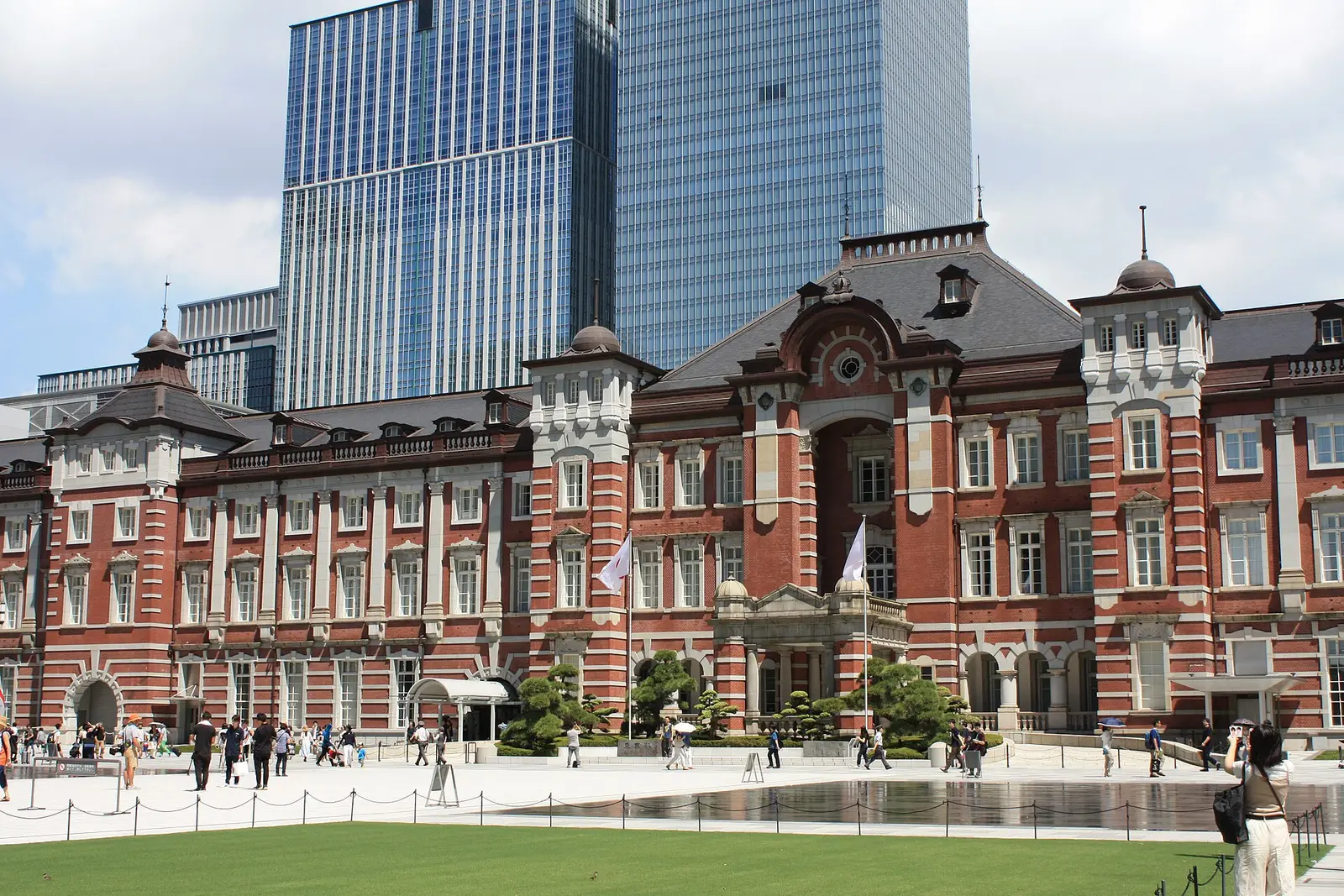 TOKYO STATION & IMPERIAL PALACE3 min read
Tokyo Station Marunouchi Building: The Red Brick Landmark
A red-brick station from 1914, rebuilt after the war, and the easiest place to start a walk to the palace.
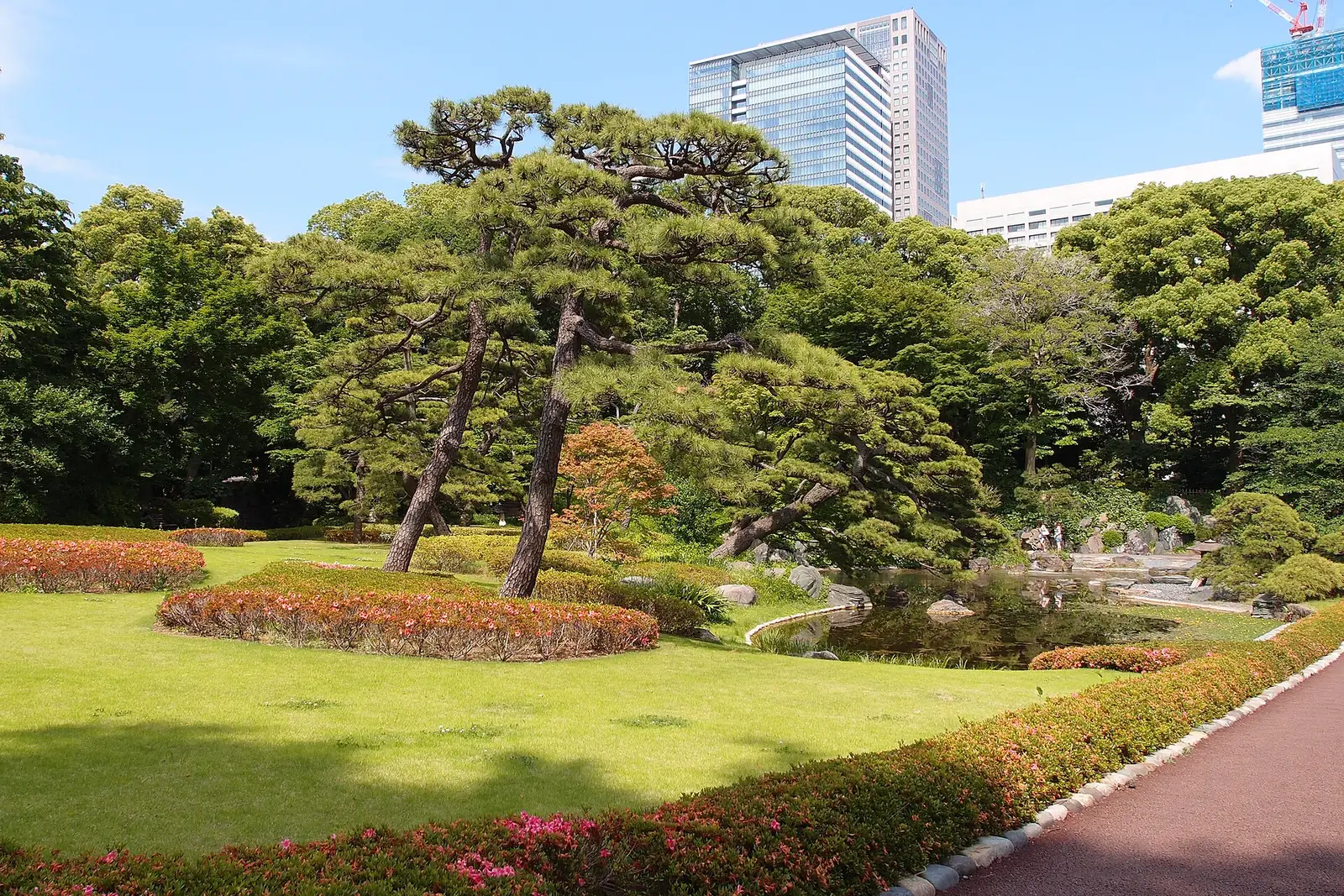 TOKYO STATION & IMPERIAL PALACE3 min read
Imperial Palace East Gardens: What Is Left of Edo Castle
A free garden on the site of Edo Castle, with stone walls, a lawn where the keep once stood and a quiet Japanese garden.
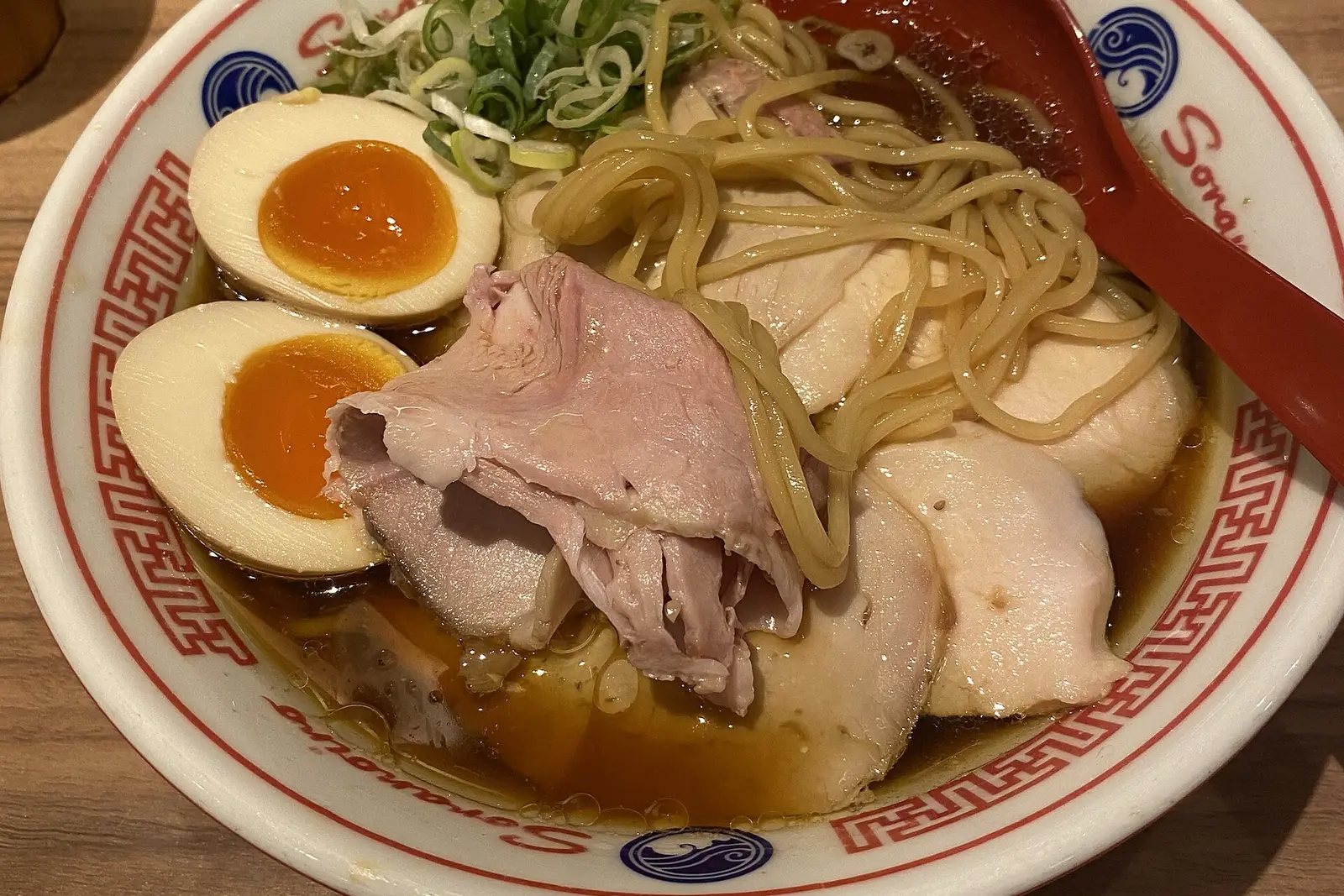 TOKYO STATION & IMPERIAL PALACE3 min read
Tokyo Ramen Street: A Row of Ramen Shops in the Station
A corridor of ramen shops under Tokyo Station, each with its own style, plus the character and sweets shops next door.