Destinations › Tokyo Station & Imperial Palace
Tokyo Station Marunouchi Building: The Red Brick Landmark
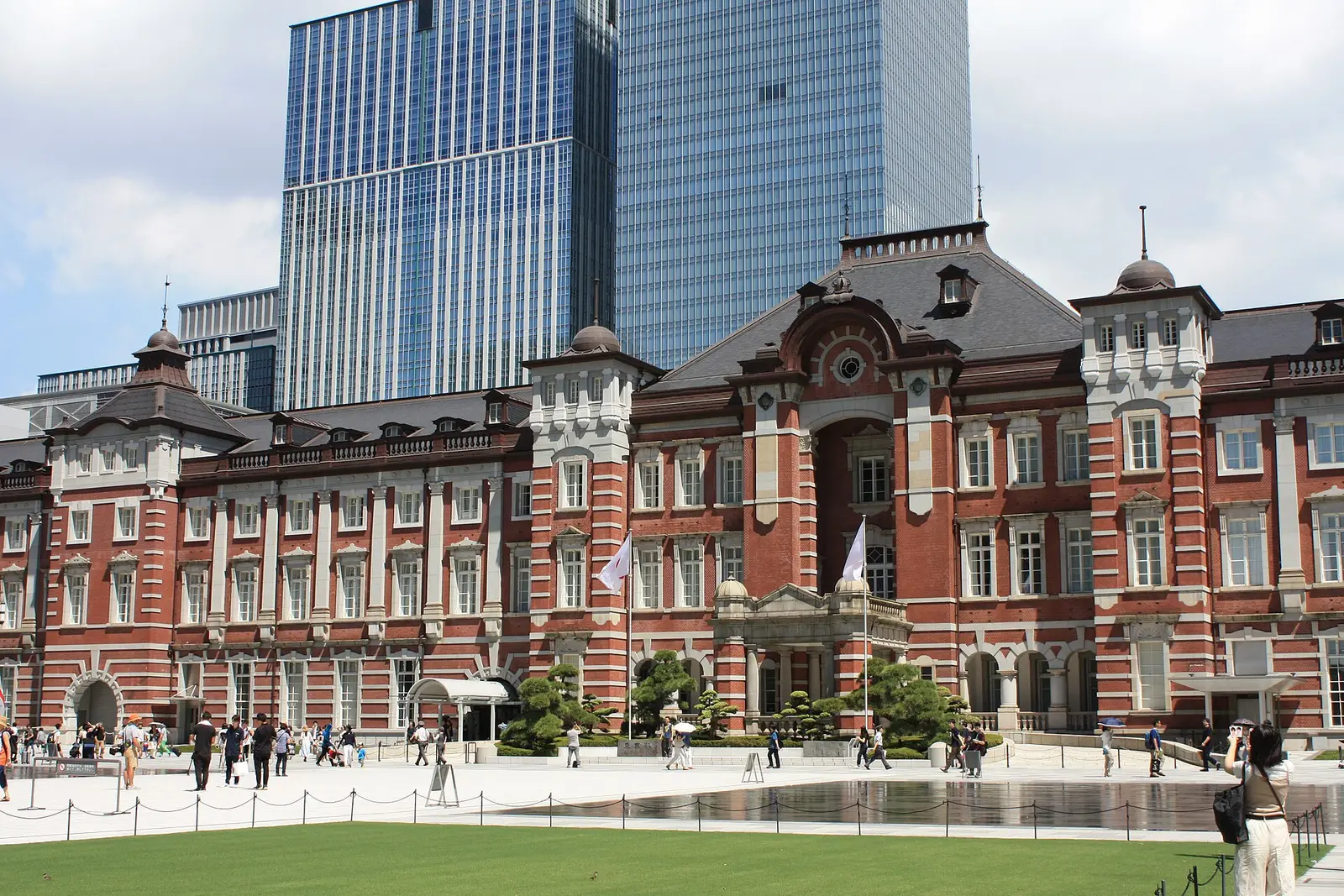
Most visitors pass through Tokyo Station with a suitcase and a train to catch. Take a few minutes to walk out the Marunouchi side and look back. The red-brick building with two domes is more than a hundred years old, and it is one of the most photographed buildings in Tokyo.
A station built in red brick
Tokyo Station opened in 1914, and the Marunouchi Building is the part that has survived as the face of the station. It was designed by Tatsuno Kingo, who is often called the father of modern Japanese architecture, together with Kasai Manji. The walls are red brick with bands of white stone, and there are domes at the north and south ends.
It is a long building, with a central block and a tower at each end. Stand in front of it today and you can see the same pattern of red and white that people saw more than a century ago.
Lost in the war, and brought back
In May 1945, an air raid destroyed the two domes and part of the third floor. For decades afterward, plain octagonal roofs stood where the domes had been, and the building looked much less grand than it had in 1914.
The restoration began in 2007 and took about five years. The main building reopened on October 1, 2012. The outside walls were rebuilt, and the north and south domes were recreated inside and out, so the station looks as it did when it was completed in 1914. It was the first time in more than 60 years that it had looked like that. The building is now an Important Cultural Property.
Under the building there is something you cannot see. Two new basement floors were added, with seismic isolation devices, to help protect the old brick in an earthquake.
How to see it
Walk out of a Marunouchi exit and cross the plaza in front of the building. Stand back, near the lawn, to fit the whole front into one photo. Photos taken from a distance show the proportions best. The domes at each end are the best part, and the tall glass towers behind them show how much Tokyo has changed around the station.
Then go back inside and look up. The restored domes are decorated on the inside too, so the ceilings are worth a minute of your time. In a corner of the JR East Travel Service Center, a section of the original brick wall has been left uncovered, so you can see the brick up close.
Inside the building
The building holds more than train tracks. The Tokyo Station Gallery, an art museum, is inside the brick building. It is open from 10 am to 6 pm, and until 8 pm on Fridays. The last entry is 30 minutes before closing. It is closed on Mondays, or on Tuesday if Monday is a public holiday. Ticket prices change with each exhibition, so check the gallery's website before you go.
The Tokyo Station Hotel is also inside the building. You do not need to stay there to enjoy the building, but it is a good reason to walk the arcades.
Good to know
Tokyo Station is a big station with exits on both sides. If you are coming for the brick building, follow the signs for the Marunouchi exits. From the Marunouchi Central Exit, the palace area is about a 15-minute walk away.
The front of the station is a busy plaza, and people stop here for photos all day. If you want a photo with fewer people in it, try going early in the day.
Nearby
The Imperial Palace East Gardens and the plaza in front of the Nijubashi bridge are a short walk west of the station. On the other side of the station, the Yaesu side, the underground Ichibangai holds Tokyo Ramen Street. And the old merchant district of Nihonbashi is a short trip north.
More on Tokyo Station & Imperial Palace
 TOKYO STATION & IMPERIAL PALACE3 min read
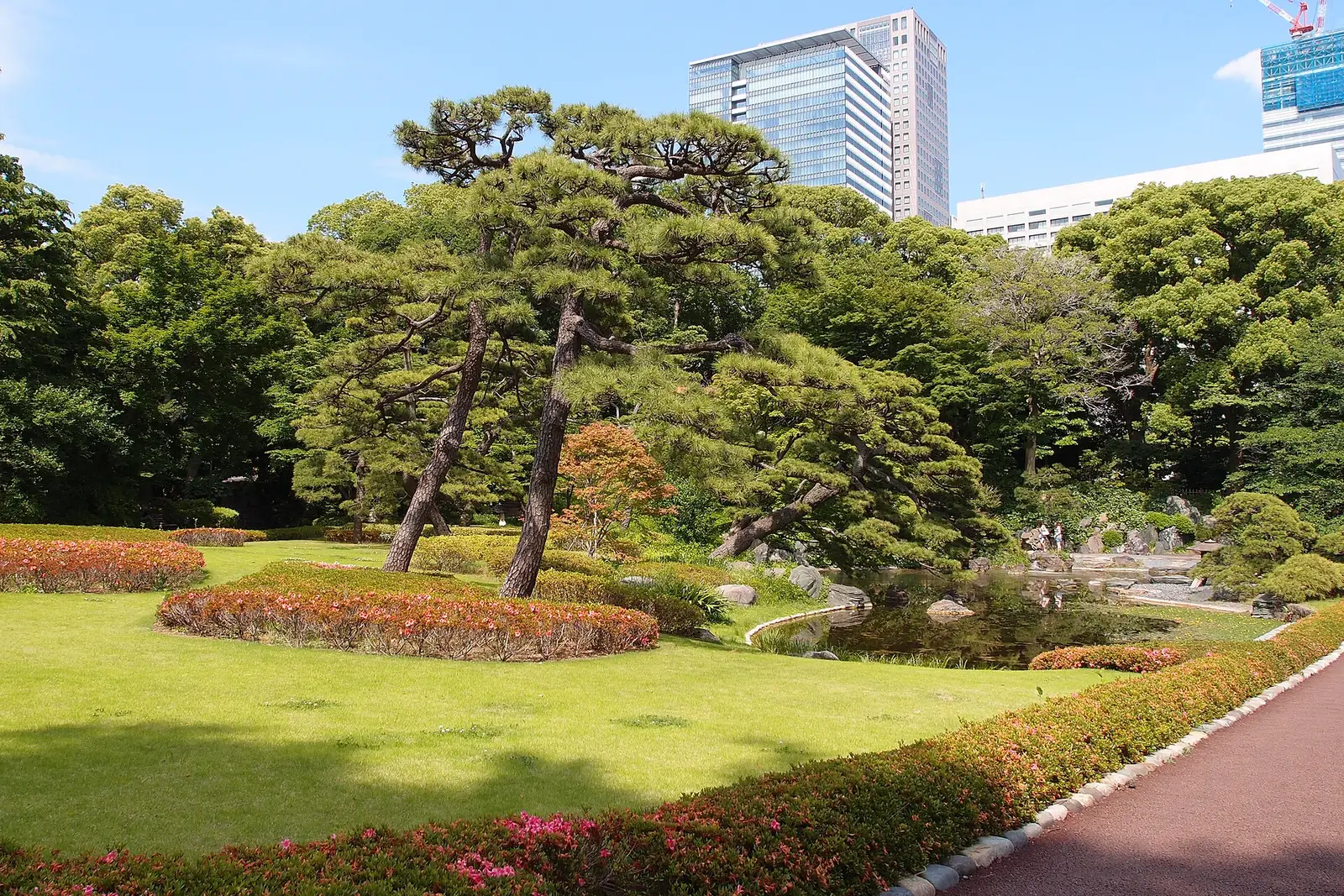
Imperial Palace East Gardens: What Is Left of Edo Castle
A free garden on the site of Edo Castle, with stone walls, a lawn where the keep once stood and a quiet Japanese garden.
 TOKYO STATION & IMPERIAL PALACE3 min read
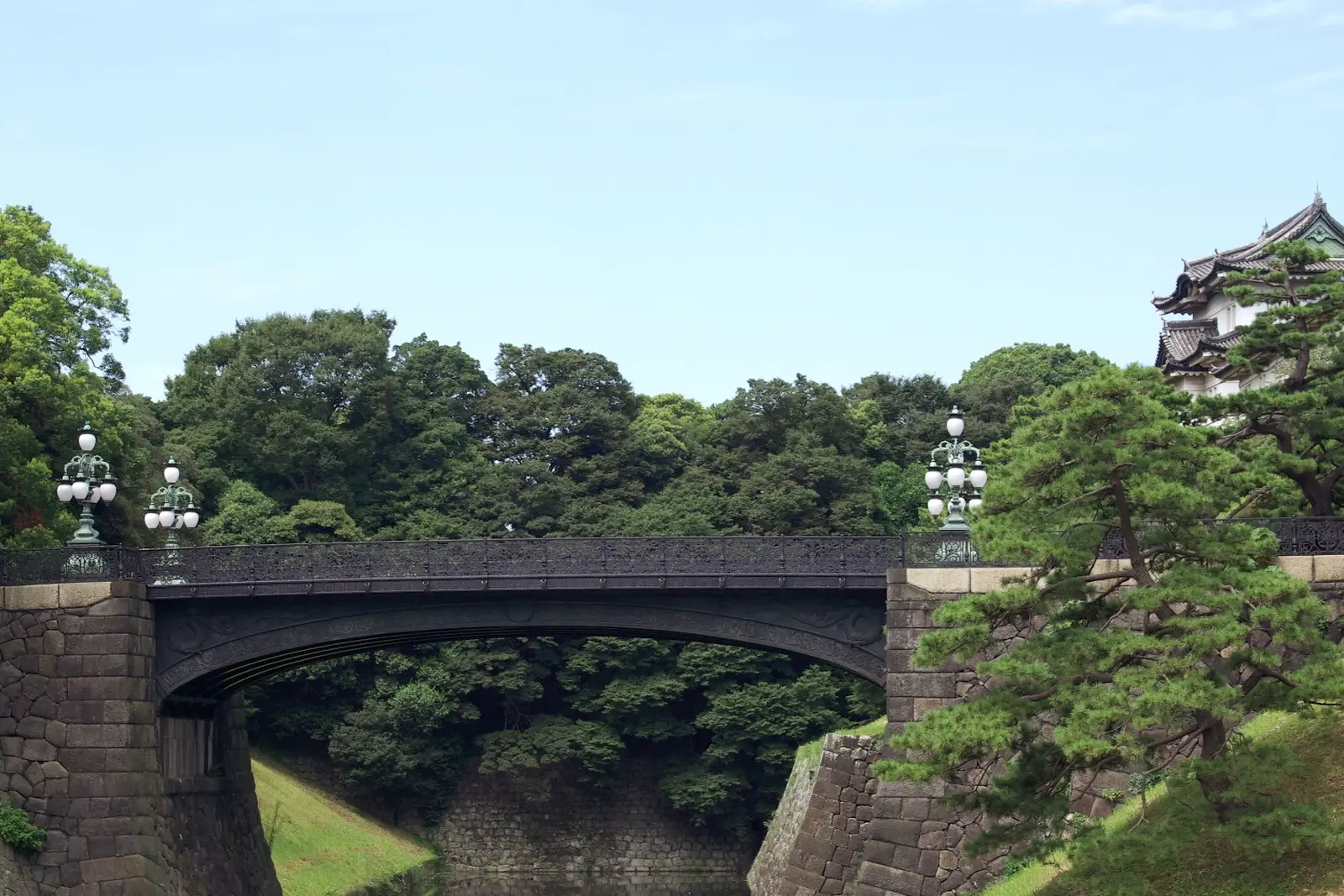
Nijubashi and the Imperial Palace Plaza
The open plaza in front of the Imperial Palace, the famous double bridge, and how to see more on the guided tour.
 TOKYO STATION & IMPERIAL PALACE3 min read
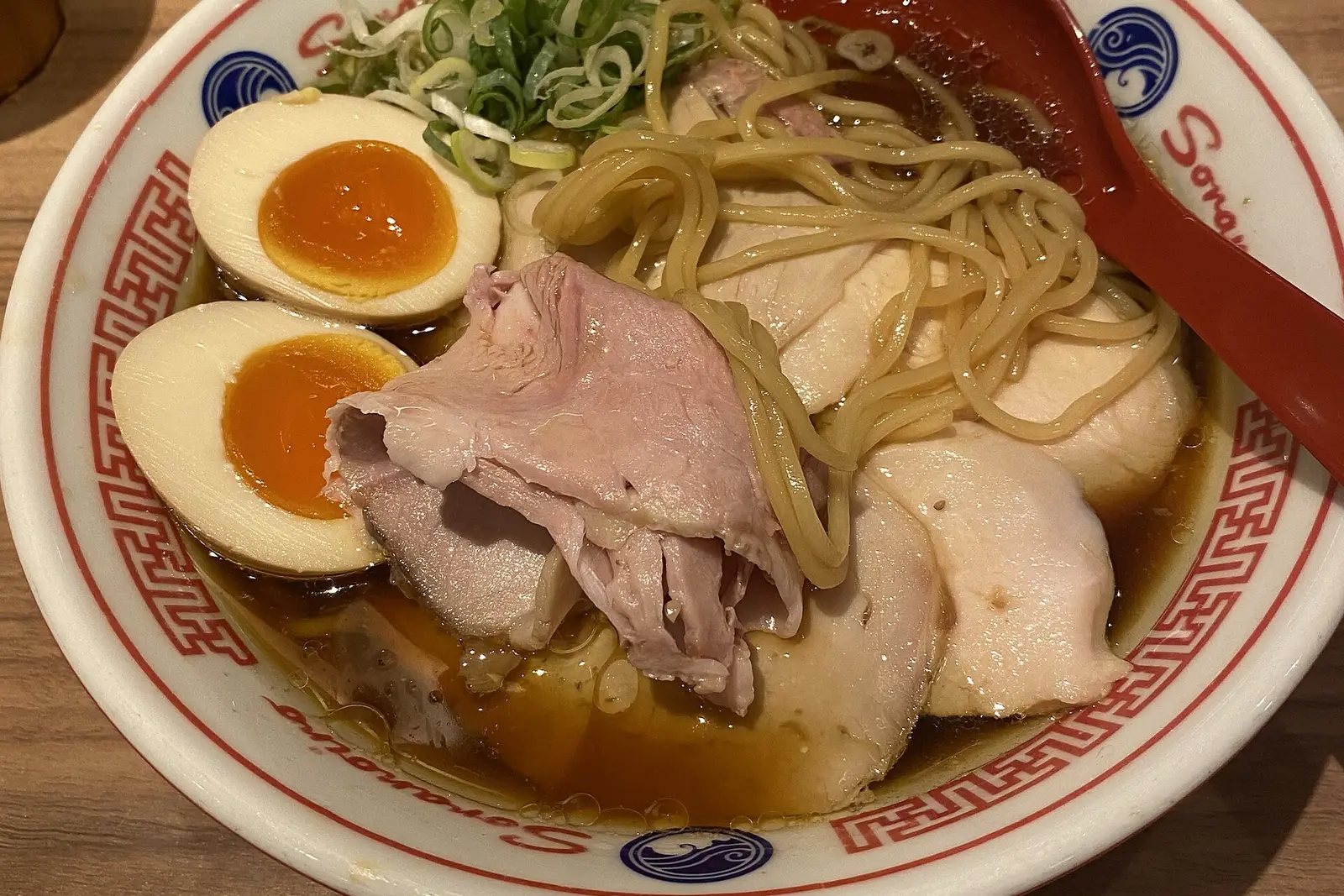
Tokyo Ramen Street: A Row of Ramen Shops in the Station
A corridor of ramen shops under Tokyo Station, each with its own style, plus the character and sweets shops next door.