Destinations › Mt Fuji (Yamanashi) › Mt Fuji & Kawaguchiko
Chureito Pagoda: The Classic View of Mt Fuji
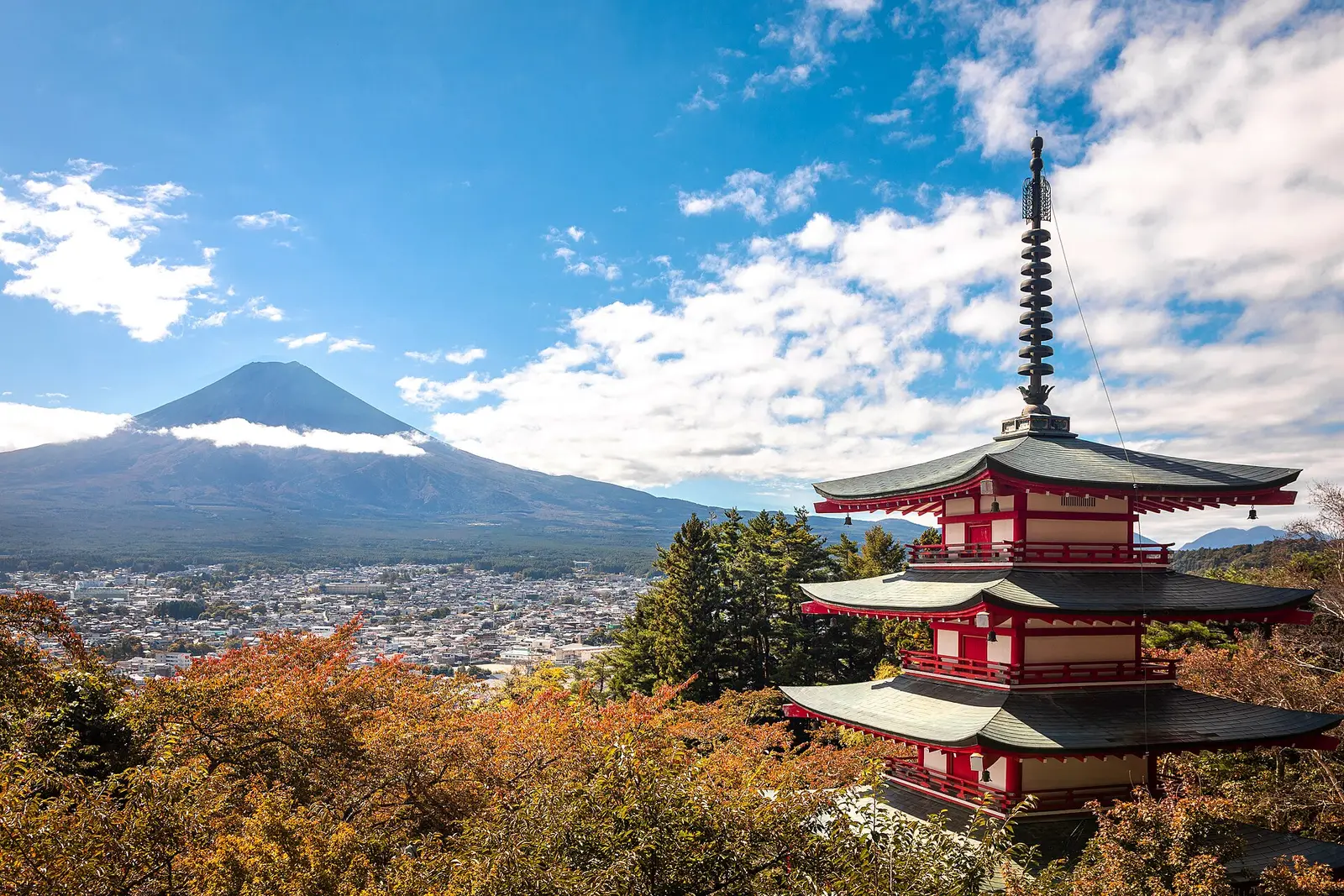
A red pagoda on a wooded hillside, with Mt Fuji standing right behind it. If you have seen one photo of the Fuji area, it was probably this one. The view is real, and it takes about 20 minutes of walking and climbing to see it yourself.
What you are looking at
The tall red building is a five-story pagoda, about 19.5 meters high. It stands in Arakurayama Sengen Park, on a slope above the town of Fujiyoshida. The pagoda is a memorial for people who died in war, and it was built in the early 1960s. It is called the Chureito Pagoda.
The pagoda is not old, and it is not the main point of the visit. The point is the picture: the pagoda in the front, the town below, and Mt Fuji filling the sky behind. The park also holds Arakura Fuji Sengen Shrine, which is at the bottom of the hill. Many local people come here on New Year's Day for their first prayer of the year.
The 398 steps
From the shrine, a stone staircase of 398 steps climbs the hill to the pagoda and the viewing deck. The steps are about 200 meters long in total, and locals call them the Sakuya-hime steps, after the goddess linked to Mt Fuji. There are benches along the way where you can rest.
Count on 15 to 20 minutes to get to the top at a slow pace. If the stairs worry you, there is also a gentle sloping path. Wear comfortable shoes, and take your time. The climb is the only effort, and the view is the reward.
There is no entry fee and no closing day, so it fits easily into a day around the lakes. Plan on about an hour in total, including the photos.
When to go
Cherry blossom season is the busiest time. There are about 650 cherry trees in the park, mostly Yoshino cherries, and they usually bloom from early to mid April. The park holds a cherry blossom festival then, and the dates change each year. Snow in winter is another good reason to come, because snow on the blossoms or on the pagoda makes a rare picture.
Autumn and winter are usually calmer. Early mornings are cold, but the air is clear and Fuji is easier to see. Irises bloom in the park in early June. In every season, Mt Fuji does not always come out, so check the weather before you go, and keep a second morning free if you can.
The viewing deck and the crowds
Past the pagoda there is an observation deck, which was renovated in 2022. It is the spot where everyone takes the famous photo, so expect a line for the front row in the busy season. Be patient and take turns. The park sits beside a residential area, so keep to the paths and take your trash with you.
Go early to beat the crowds. In peak season the car park can fill up on weekend mornings, and during the cherry blossom festival the park's own lot is closed and temporary parking is used instead. Coming by train avoids the problem.
If you have energy left, a trail from the park leads up to the summit of Arakurayama. It takes about an hour one way, so wear sneakers.
Getting there
By train, take the Fujikyu Line to Shimoyoshida Station. From there, the walk to the shrine entrance takes about 10 minutes. By car, the park is about 15 minutes from Kawaguchiko IC on the Chuo Expressway, and there is free parking at the bottom of the hill.
Nearby
For the same mountain from another angle, go to Lake Kawaguchi, where the Mt Fuji Panoramic Ropeway takes you up to a wide view. Oshino Hakkai, a group of eight clear spring ponds, is a short drive from here. And if you want to go higher, Mt Fuji itself is open to climbers in summer.
More on Mt Fuji & Kawaguchiko
 MT FUJI & KAWAGUCHIKO3 min read
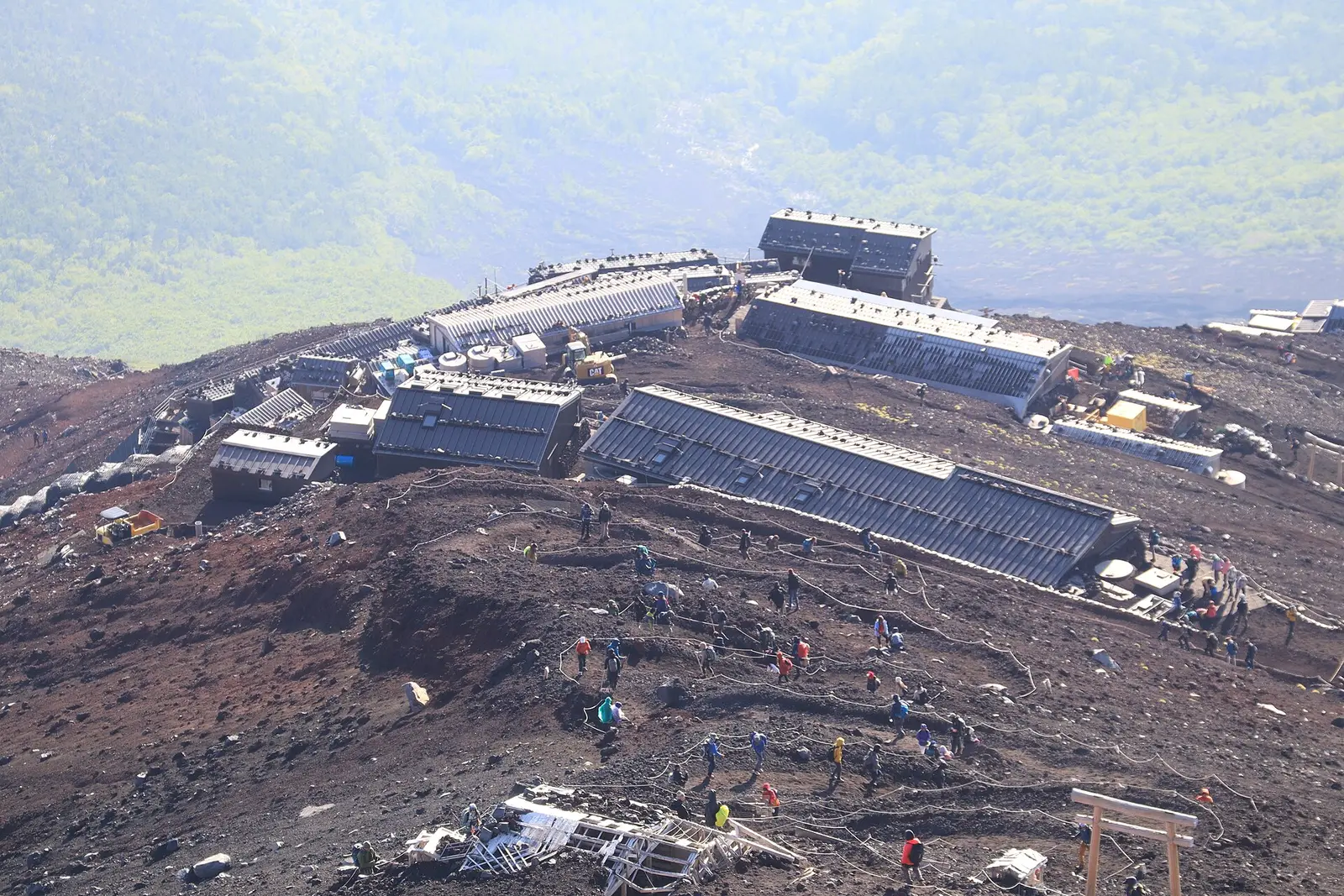
Climbing Mt Fuji: The Yoshida Trail
Japan's highest mountain, climbed from the Yamanashi side. Season, fee, gate rules and what to pack.
 MT FUJI & KAWAGUCHIKO3 min read
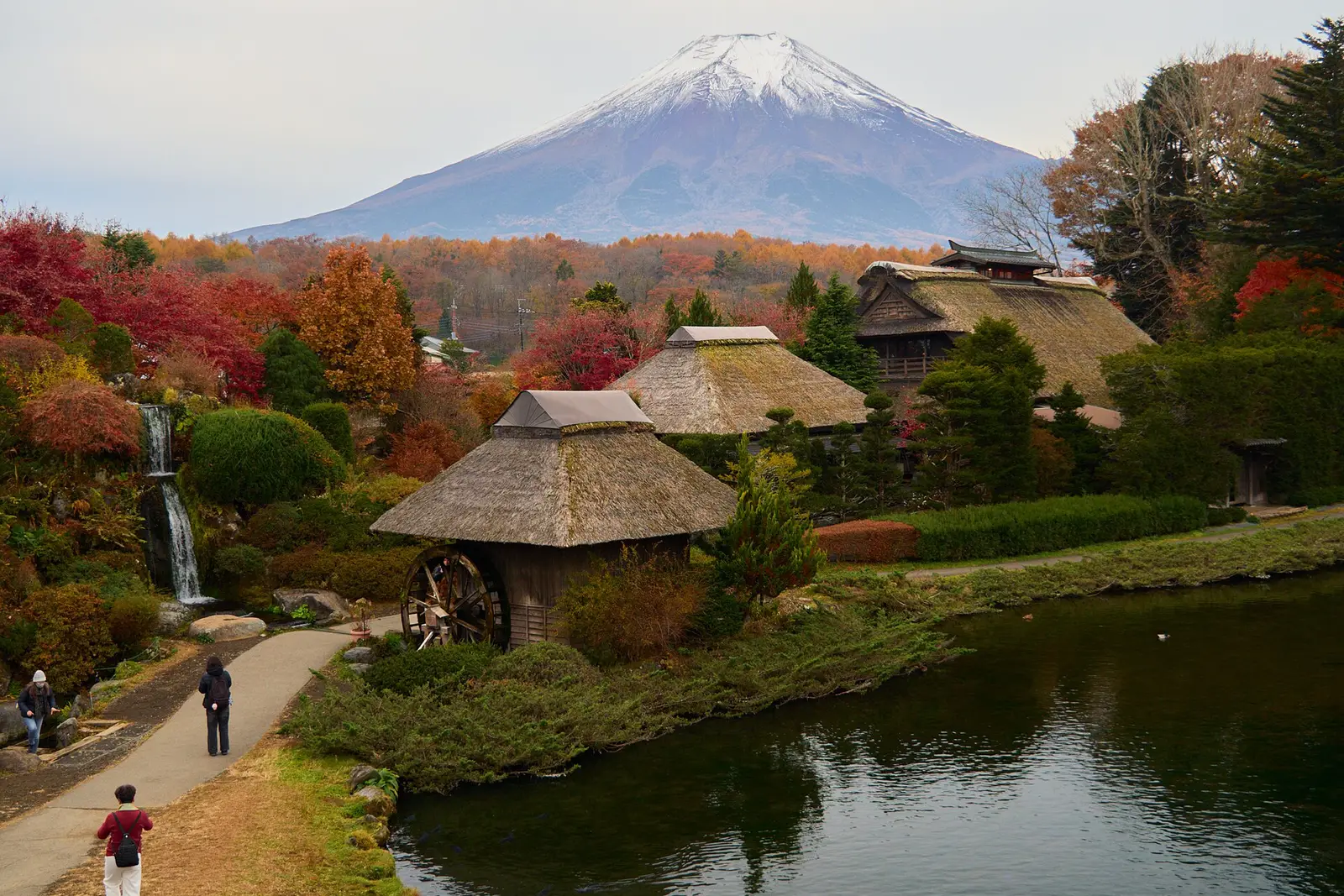
Oshino Hakkai: Eight Spring Ponds Below Mt Fuji
Eight crystal-clear ponds fed by Mt Fuji's snowmelt, in a small village with soba, snacks and mountain views.
 MT FUJI & KAWAGUCHIKO3 min read
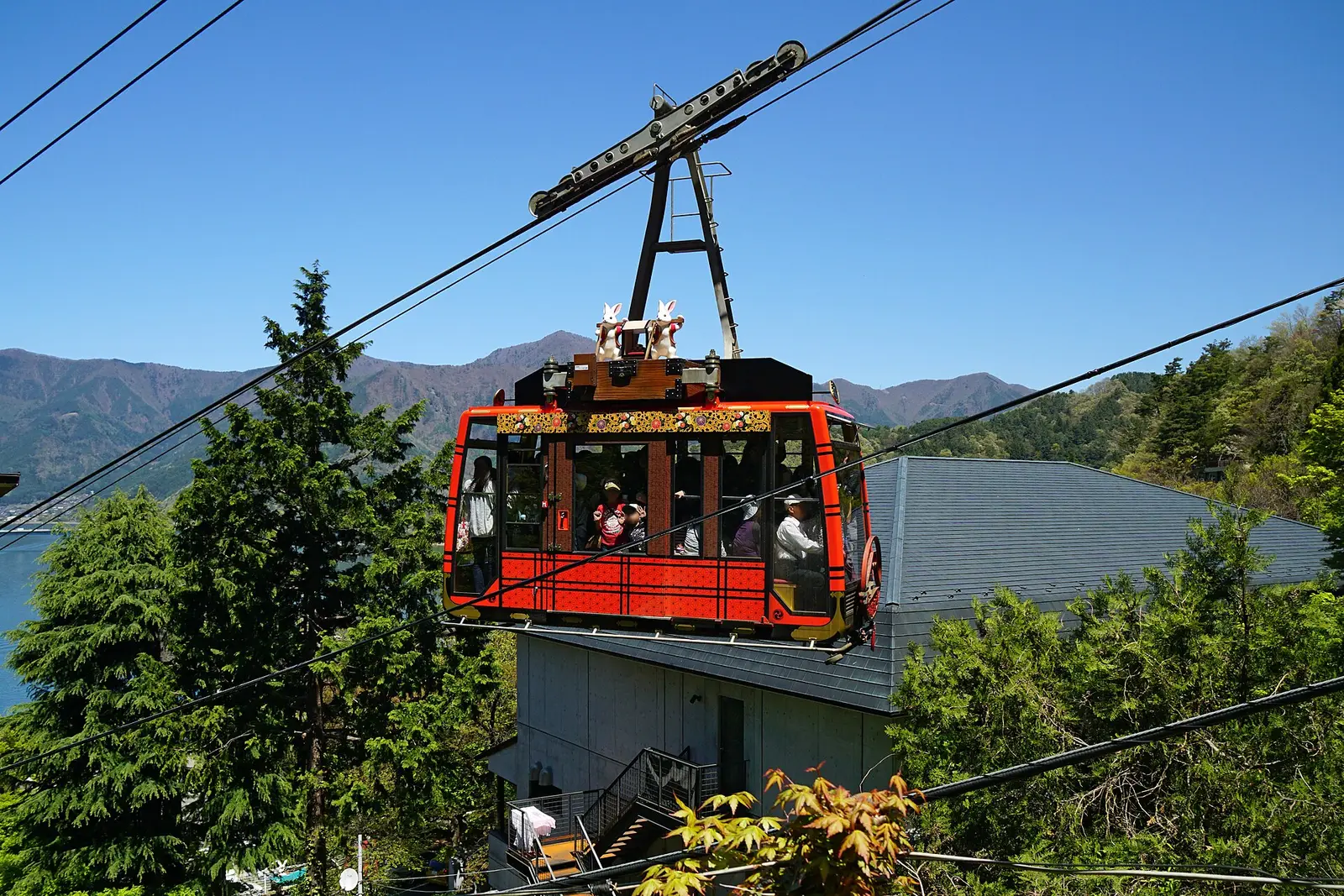
Mt Fuji Panoramic Ropeway: A 3-Minute Ride to the View
A three-minute ropeway ride from Lake Kawaguchi to a lookout with Mt Fuji and the lake in one view.