Destinations › Mt Fuji (Yamanashi) › Mt Fuji & Kawaguchiko
Oshino Hakkai: Eight Spring Ponds Below Mt Fuji
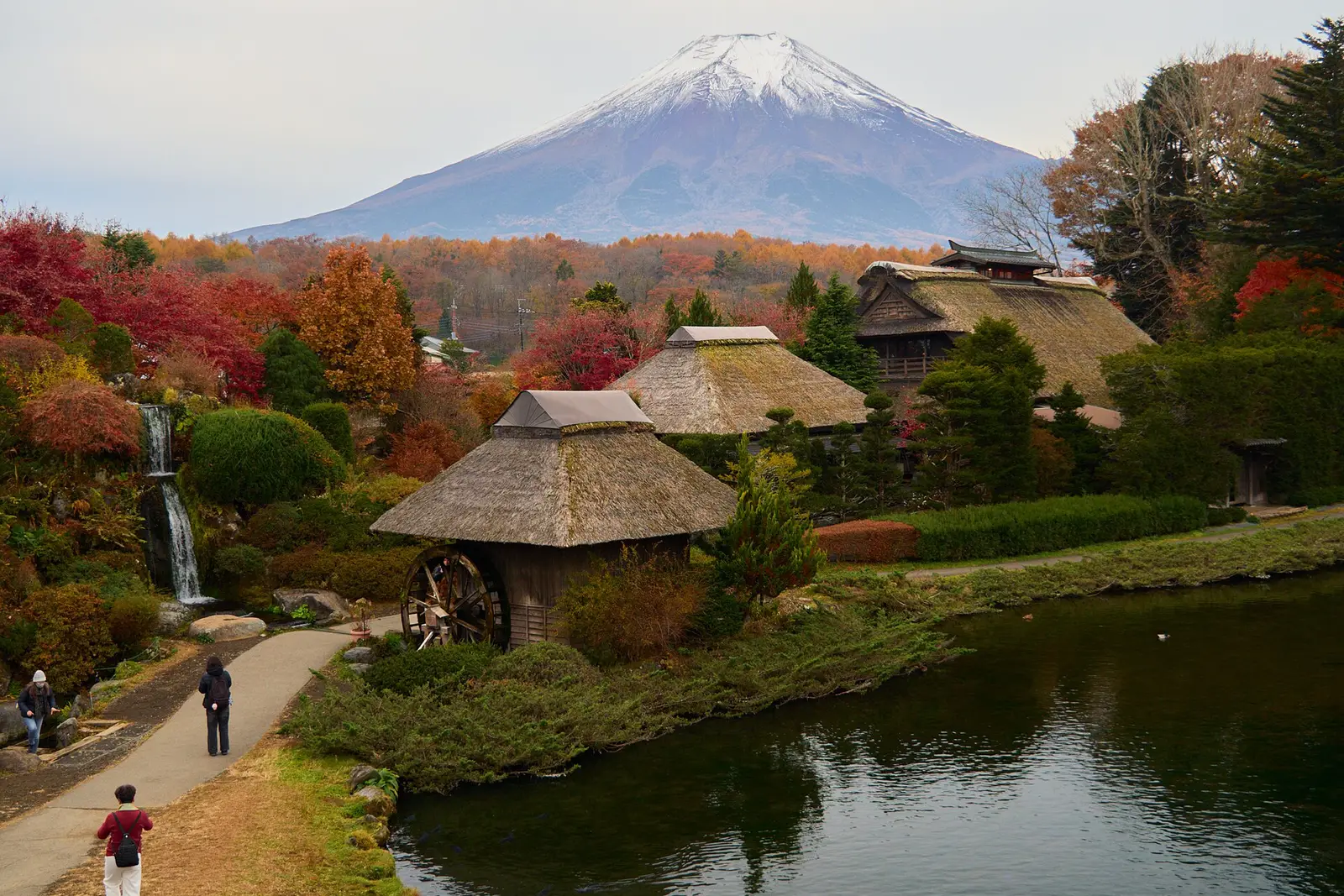
Mt Fuji's snow melts, sinks into the volcanic rock, and takes decades to come out again. In the village of Oshino, it comes out as eight small ponds so clear that you can see every fish and water plant. This is Oshino Hakkai.
Where the water comes from
Oshino Hakkai means "the eight seas of Oshino." The ponds sit on the site of a former lake that dried up long ago. Snow on Mt Fuji melts and filters down through layers of volcanic rock for decades before it comes up here. That is why the water is so cold and so clear.
The ponds were once a holy place. In the days of Mt Fuji worship, pilgrims came here to purify themselves before they climbed. After 1868, when Fuji worship faded, the custom slowly stopped. The ponds became a National Natural Monument in 1934, and they were made part of the UNESCO World Heritage site "Fujisan" in 2013.
The eight ponds
There is no fixed order for the walk. Here are the eight, with a few notes on each:
- Deguchi Pond: the largest, a little apart from the others
- Okama Pond: the smallest, only about 4 meters deep
- Sokonashi Pond: the only privately owned pond, seen from inside the Hannoki Bayashi Shiryokan museum
- Choshi Pond: named for its shape, like a sake bottle
- Waku Pond: the most famous, with the biggest volume of water
- Nigori Pond: its name means "cloudy," but the water is clear
- Kagami Pond: known for the upside-down reflection of Mt Fuji
- Shobu Pond: a long, narrow pond like a small marsh
Some ponds come with a story. Okama Pond is also called Ogama Pond, after a legend about a giant toad. Choshi Pond is known as a matchmaking pond, from the tale of a bride. Shobu Pond is dedicated to a dragon king. Waku Pond is the heart of the village. The shops and food stalls are around it, and it is the pond most people photograph.
What costs money
The seven ponds other than Sokonashi are free to visit at any time. Sokonashi Pond is on the grounds of the Hannoki Bayashi Shiryokan, a small museum of old household goods and farm tools. There is a small entry fee. The museum also has a viewing deck with a view of Mt Fuji.
What to eat
The lanes around Waku Pond are lined with small shops. Look for freshly milled soba noodles, grilled river fish, fish cakes on a stick, and charcoal-grilled rice crackers.
The water you can drink
The prefecture's tourism site says Waku Pond is especially clear, and visitors are welcome to drink it and take some home in a bottle. Nakaike Pond, which is not one of the eight, is free to visit and its water can also be taken home. Bring a small bottle if you like the idea.
How long to stay and when to go
Plan on 1.5 to 2 hours if you want to see all eight ponds on foot. Spring brings cherry blossoms, Shobu Pond has flowers in early summer, and autumn colors usually peak from late October to mid-November. Winter is quiet, and a cold morning can give you mist rising from the water. In winter, Mt Fuji sometimes lines up with the rising or setting sun, a sight called Diamond Fuji, but only from certain spots.
The village also holds the Hakkai Festival every August.
Getting there
From Kawaguchiko Station, a bus to Oshino Hakkai takes about 40 minutes, and buses run about once or twice an hour. Get off at the Oshino Hakkai stop. If you are driving, take the Chuo Expressway to Kawaguchiko IC, then the Higashi-Fuji Goko Road toward Yamanakako IC. The village tourism association lists parking details on its website.
Nearby
Oshino Hakkai is a short drive from the Chureito Pagoda in Fujiyoshida, and about 40 minutes by bus from Lake Kawaguchi. If you are heading to the Yoshida Trail, this is a good place to see the mountain from below before or after your climb.
More on Mt Fuji & Kawaguchiko
 MT FUJI & KAWAGUCHIKO3 min read
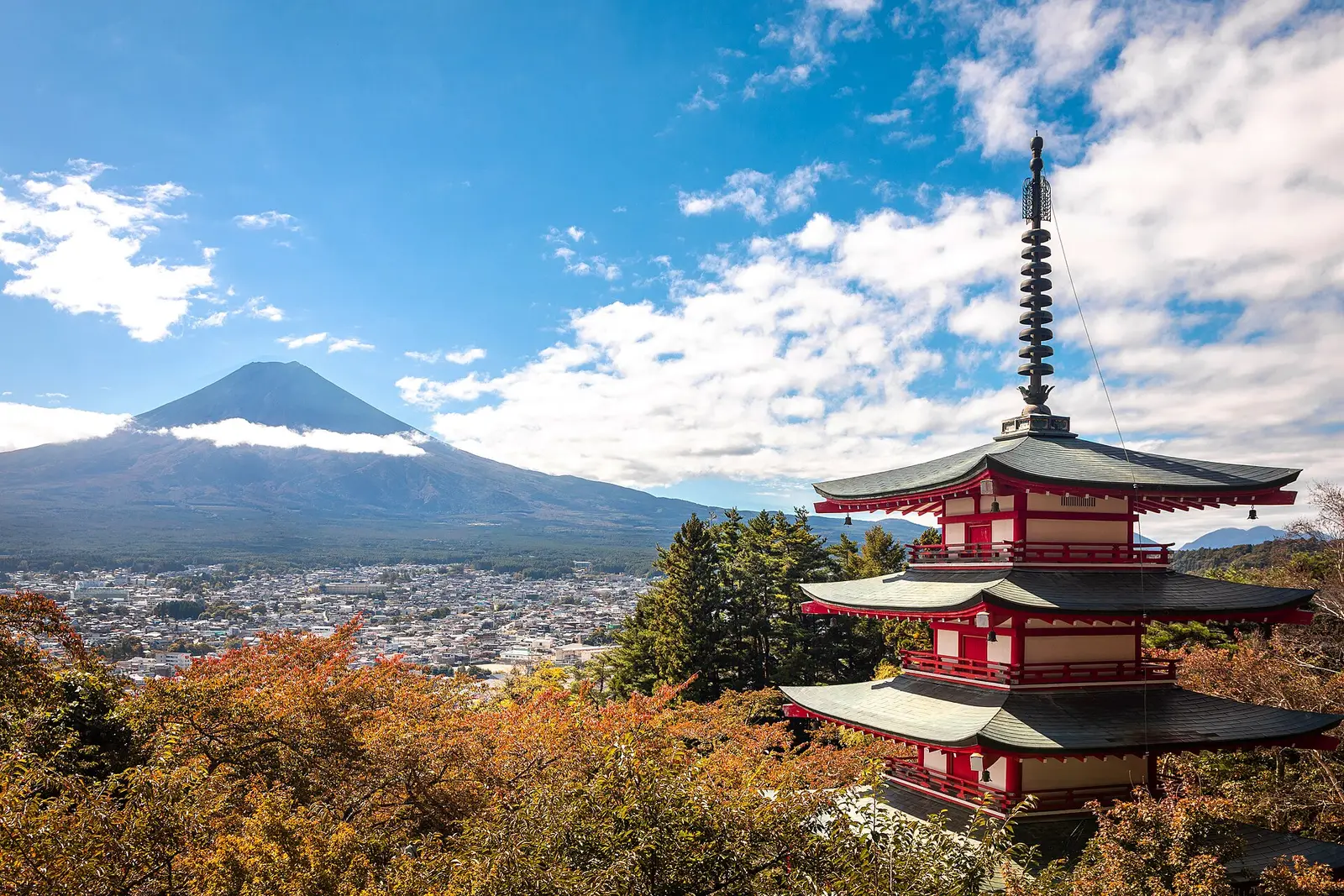
Chureito Pagoda: The Classic View of Mt Fuji
A red five-story pagoda with Mt Fuji behind it, reached by 398 stone steps. When to go and how to get there.
 MT FUJI & KAWAGUCHIKO3 min read
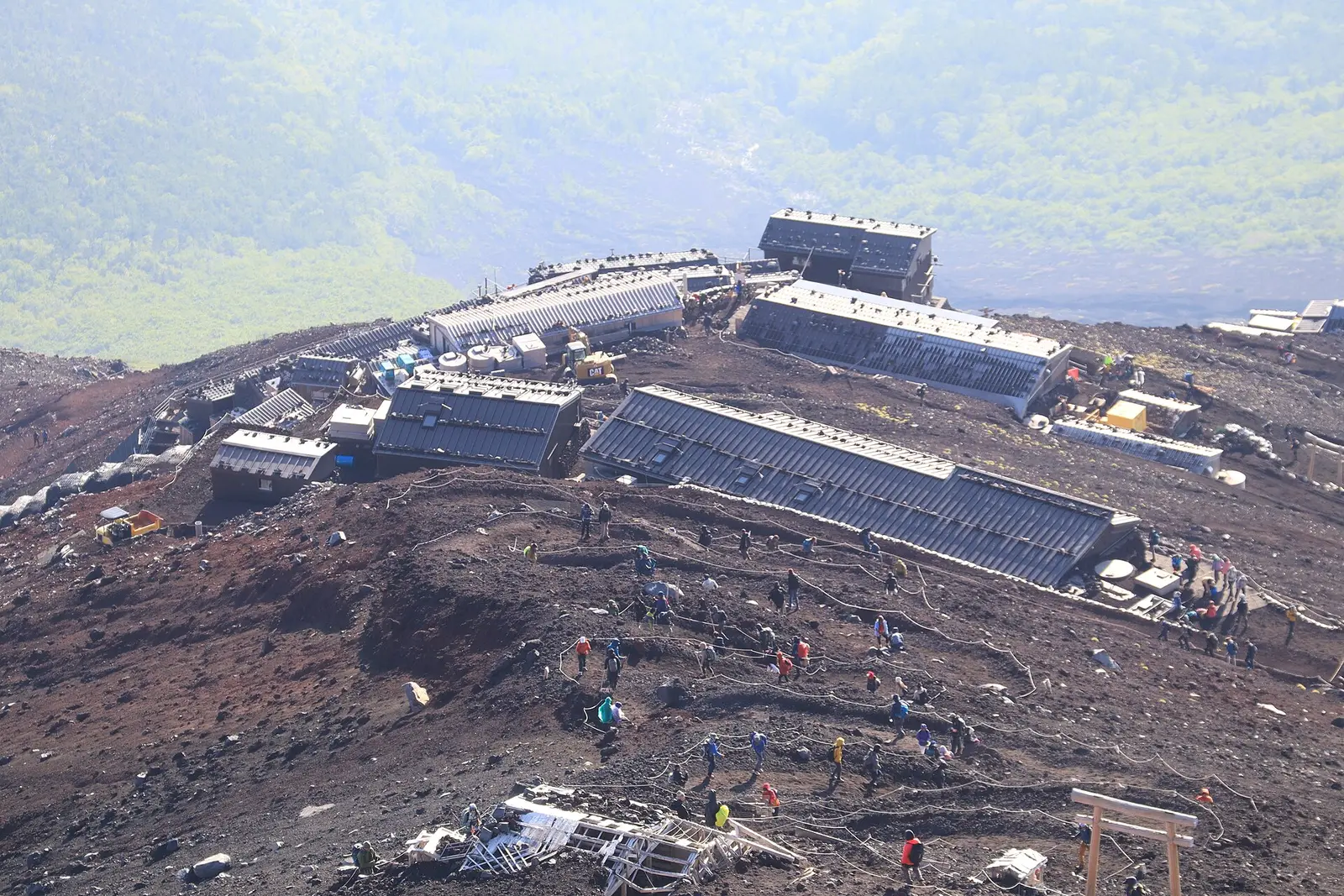
Climbing Mt Fuji: The Yoshida Trail
Japan's highest mountain, climbed from the Yamanashi side. Season, fee, gate rules and what to pack.
 MT FUJI & KAWAGUCHIKO3 min read
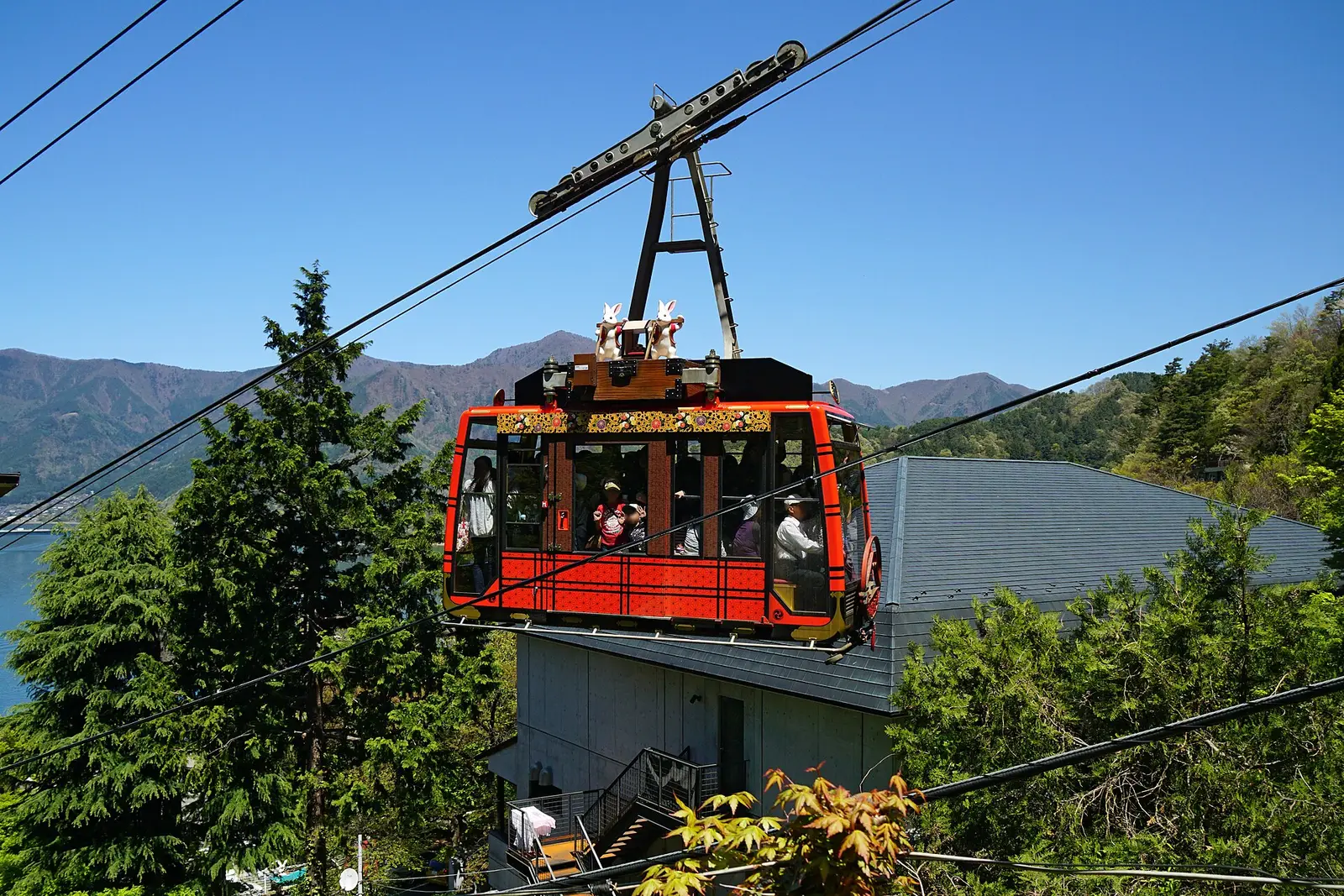
Mt Fuji Panoramic Ropeway: A 3-Minute Ride to the View
A three-minute ropeway ride from Lake Kawaguchi to a lookout with Mt Fuji and the lake in one view.