Destinations › Mt Fuji (Yamanashi) › Mt Fuji & Kawaguchiko
Climbing Mt Fuji: The Yoshida Trail
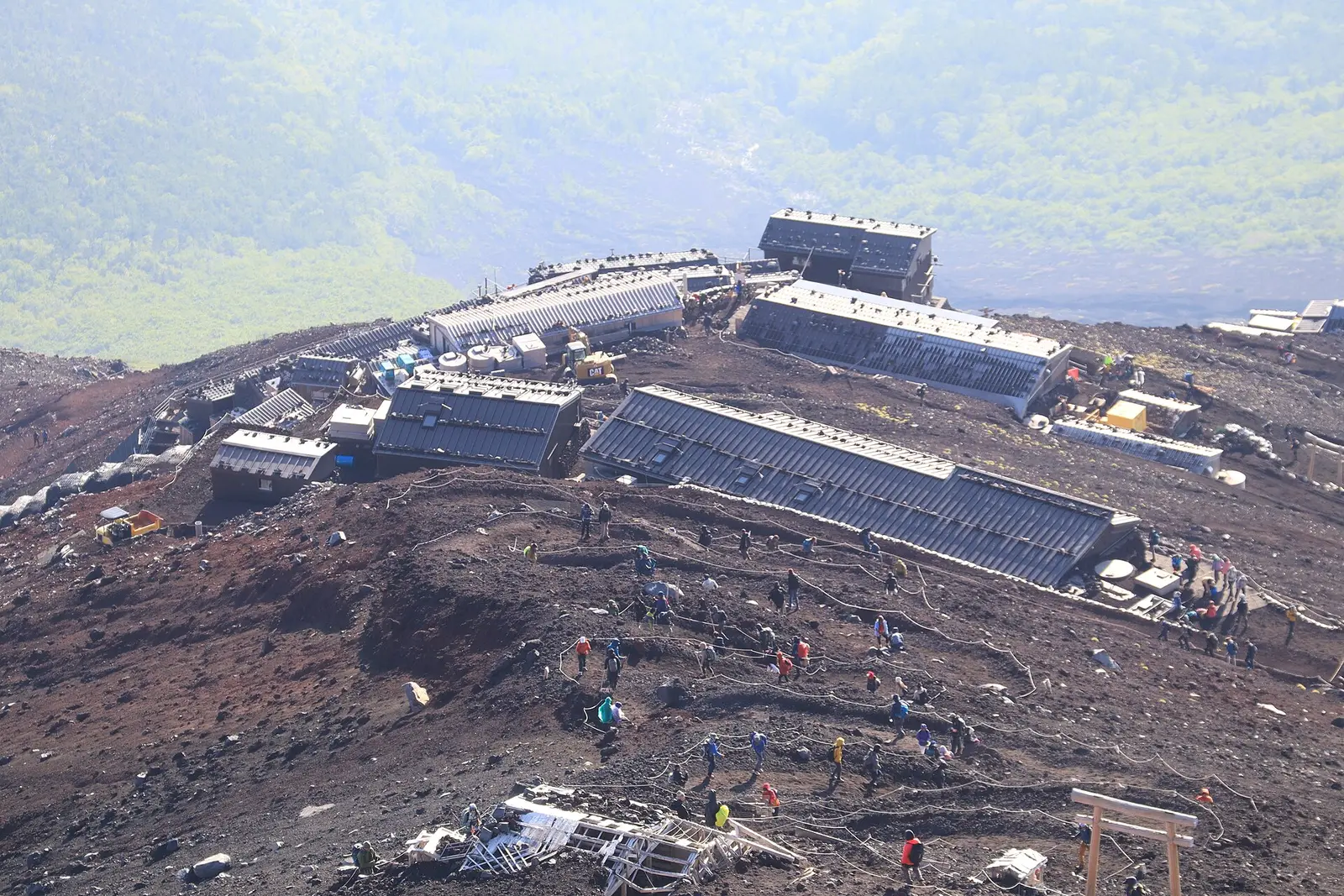
Mt Fuji is 3,776 meters high, and in summer, anyone fit and well prepared can walk to the top. Most climbers start on the Yamanashi side, on the Yoshida Trail. The rules have changed in recent years, so read this before you plan.
The Yoshida Trail
Mt Fuji has four main trails, and the Yoshida Trail is the most used one. It starts at the Fuji Subaru Line 5th Station, which sits at 2,305 meters, and it has more mountain huts than the other trails. The official climbing website gives the walk as 6.8 kilometers up, which takes about 6 hours 10 minutes, and 7.0 kilometers down, which takes about 3 hours 35 minutes. That is a climb of roughly 1,450 meters, so it is a long day of steady uphill walking, not a gentle stroll.
Mt Fuji is also an active volcano, with its last eruption in 1707 and 1708. It became a UNESCO World Heritage site in 2013.
The season
You can only climb from the 5th Station to the top in summer. In 2026 the season ran from July 1 to September 10, and it could start later if snow remained. Outside these dates the huts are closed and the trail is shut. You can still visit the 5th Station and walk around it for free.
Fee, gate and daily limit
The Yamanashi side now has a fee and a gate at the 5th Station. In 2026 the fee was ¥4,000 per person. You can reserve online in advance, or buy a ticket at the counter on the day. The gate has a daily limit of 4,000 climbers, and when it is full, people without a reservation cannot pass.
The gate also closes between 2 pm and 3 am. People staying in a mountain hut are the exception. The official site also warns against "bullet climbing", which means climbing through the night without staying in a hut. These rules can change each year, so check the official Mt Fuji climbing website before you book.
Gear you must carry
Staff at the gate check your gear. You need winter clothing, two-piece rain gear, and proper climbing shoes. If you do not have all three, you will not be allowed through. At the top, the temperature can be close to 0°C before sunrise in summer, and the wind makes it feel colder.
Also bring a headlamp with a spare battery, 1 to 2 liters of water, snacks, and a small backpack. Bring cash and plenty of 100-yen coins, because you pay for toilets and huts. Tents are not allowed, so overnight means a hut.
Huts and sunrise
Many climbers start in the afternoon, sleep for a few hours in a hut, and wake up in the night to reach the top for sunrise. Book your hut early, because beds are limited and the huts are simple. The trail gets crowded near the top before dawn, so do not try to overtake others, and give yourself time. Waiting for sunrise in the cold can be hard, so keep your warm layers on.
Safety
Weather can change fast, and summer thunderstorms are common. Check the forecast on the day. Watch for falling rocks, stay on the trail, and take all your trash home. If you do not have much mountain experience, go with a guide. A free Mt Fuji app has maps and GPS that work without a phone signal. On the way down, check the map near the 8th station, where the Yoshida and Subashiri descent trails split.
Getting to the 5th Station
From Kawaguchiko Station, buses run to the 5th Station and take about an hour. Check the timetable and book hut beds before you leave Tokyo.
Nearby
Not ready for a climb? You can still see Mt Fuji from the Chureito Pagoda, from Oishi Park on Lake Kawaguchi and from the top of the Mt Fuji Panoramic Ropeway. Oshino Hakkai, with its spring-fed ponds, is a quiet walk at the base of the mountain.
More on Mt Fuji & Kawaguchiko
 MT FUJI & KAWAGUCHIKO3 min read
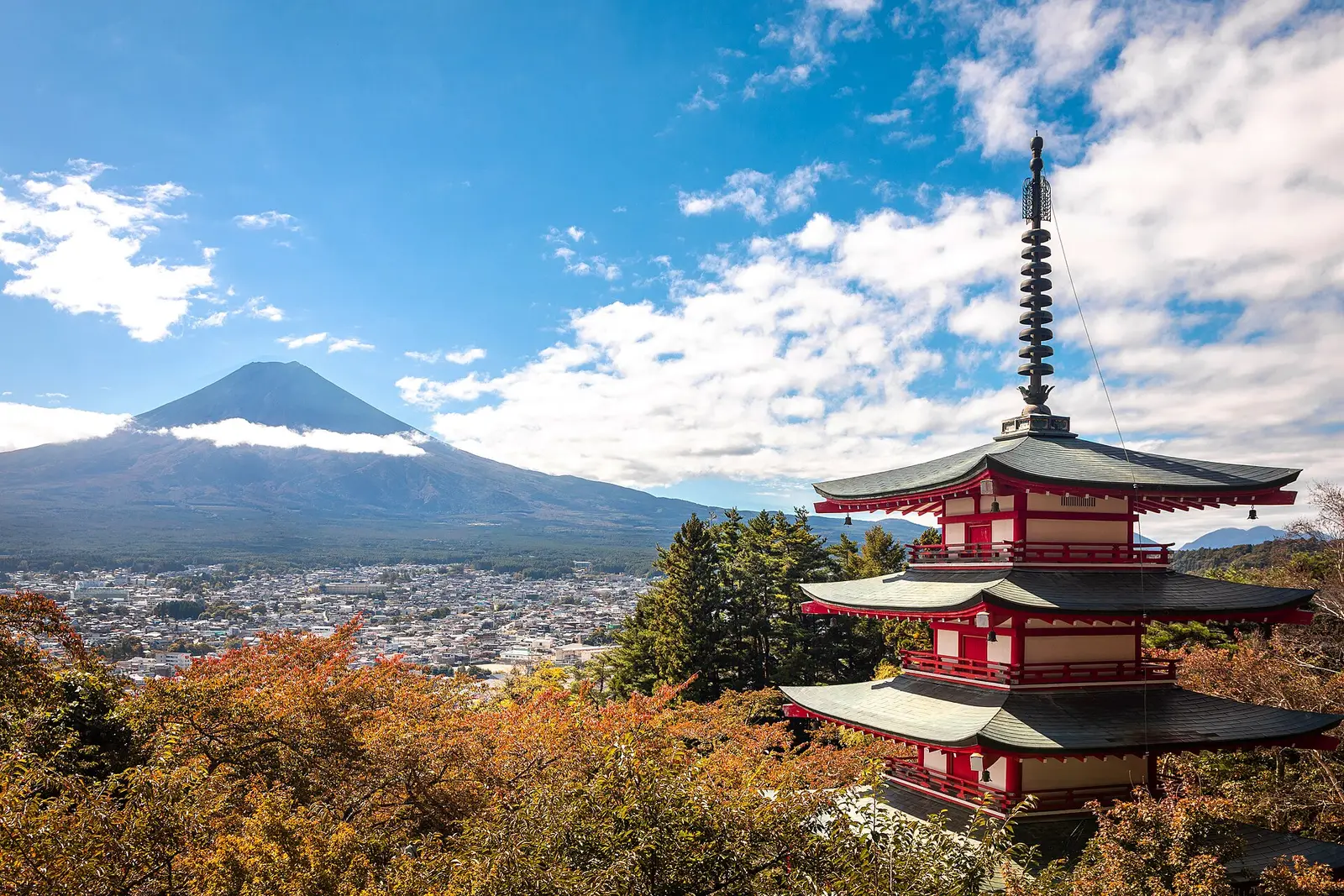
Chureito Pagoda: The Classic View of Mt Fuji
A red five-story pagoda with Mt Fuji behind it, reached by 398 stone steps. When to go and how to get there.
 MT FUJI & KAWAGUCHIKO3 min read
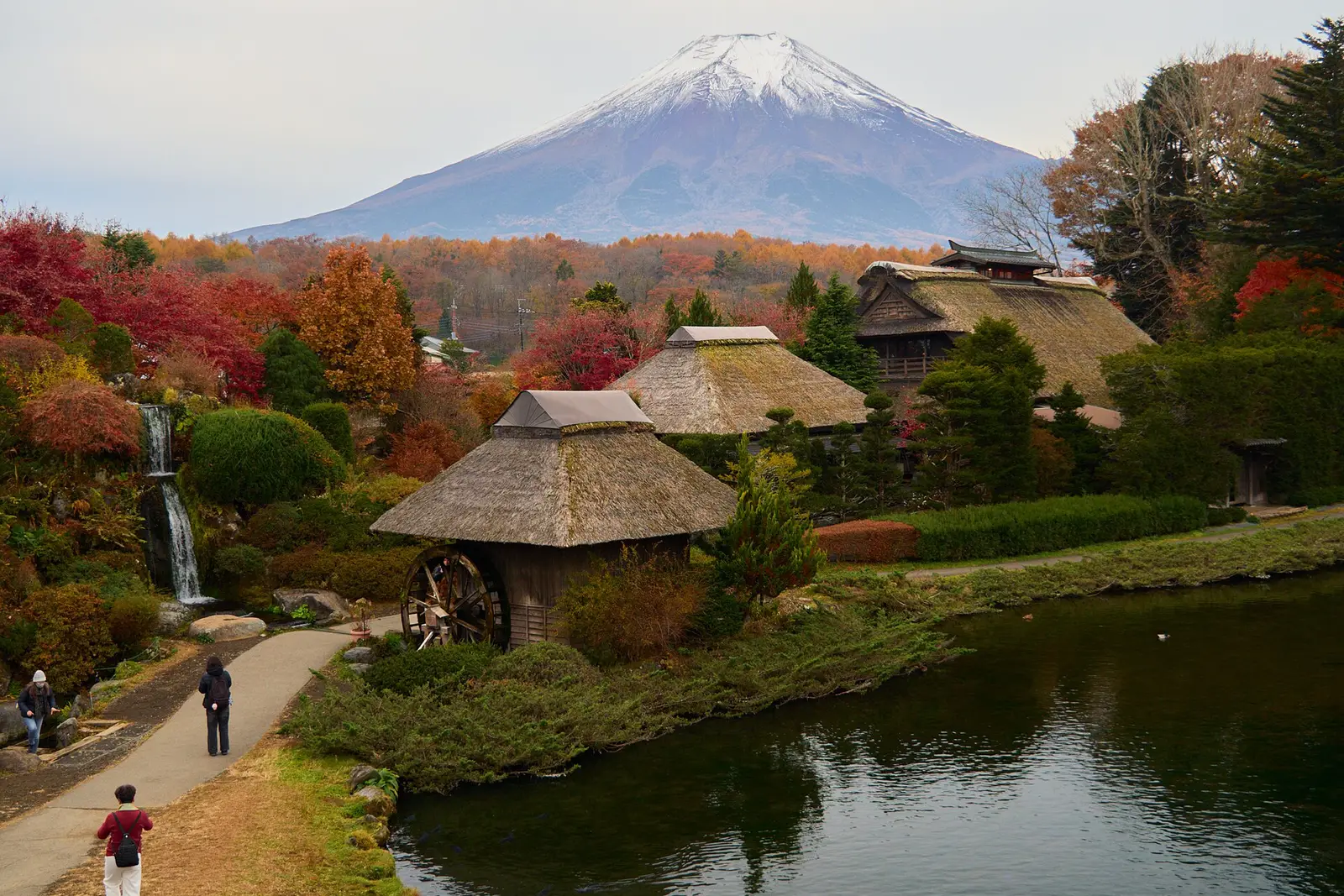
Oshino Hakkai: Eight Spring Ponds Below Mt Fuji
Eight crystal-clear ponds fed by Mt Fuji's snowmelt, in a small village with soba, snacks and mountain views.
 MT FUJI & KAWAGUCHIKO3 min read
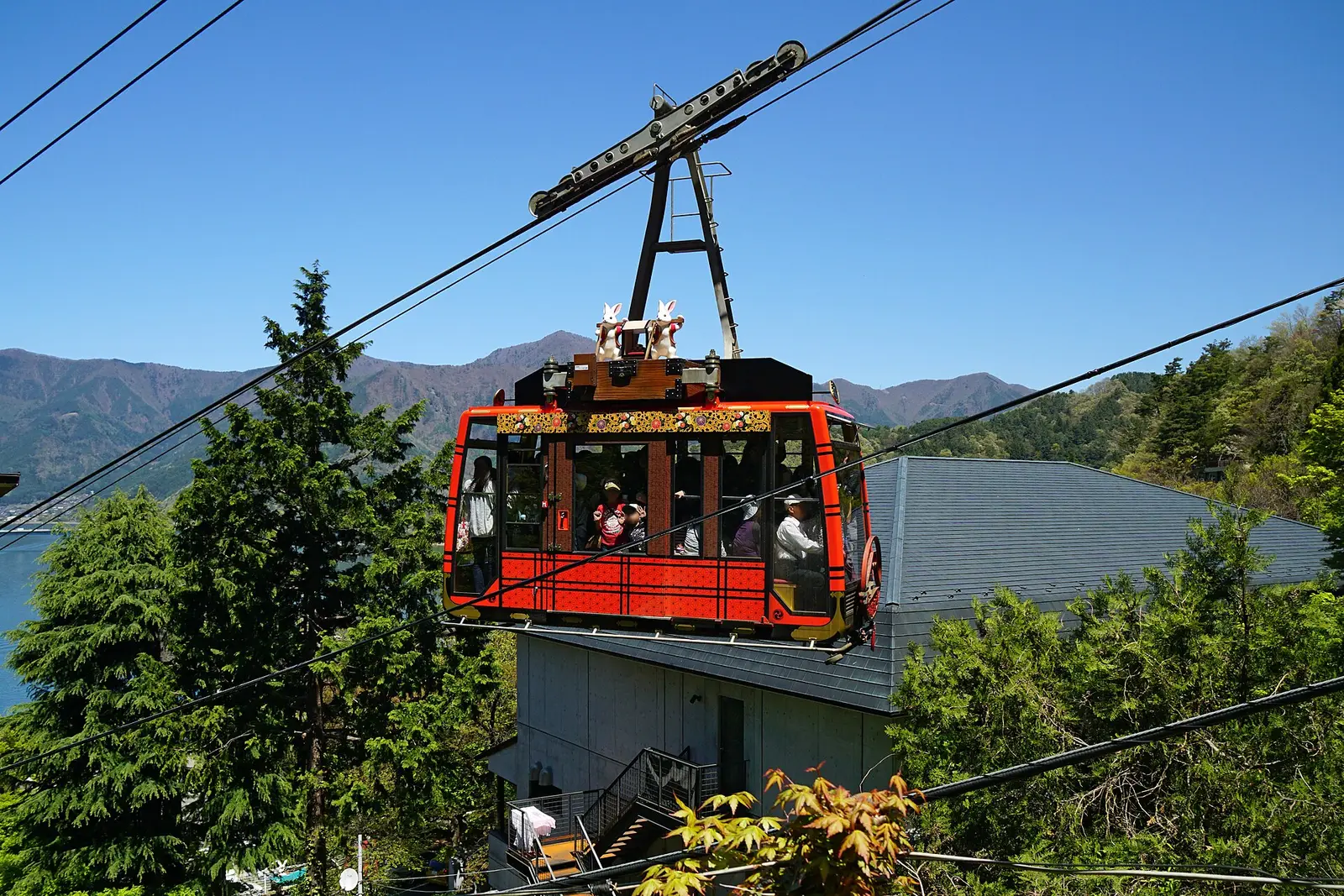
Mt Fuji Panoramic Ropeway: A 3-Minute Ride to the View
A three-minute ropeway ride from Lake Kawaguchi to a lookout with Mt Fuji and the lake in one view.