Obuse: Hokusai's Small Town in the Hills
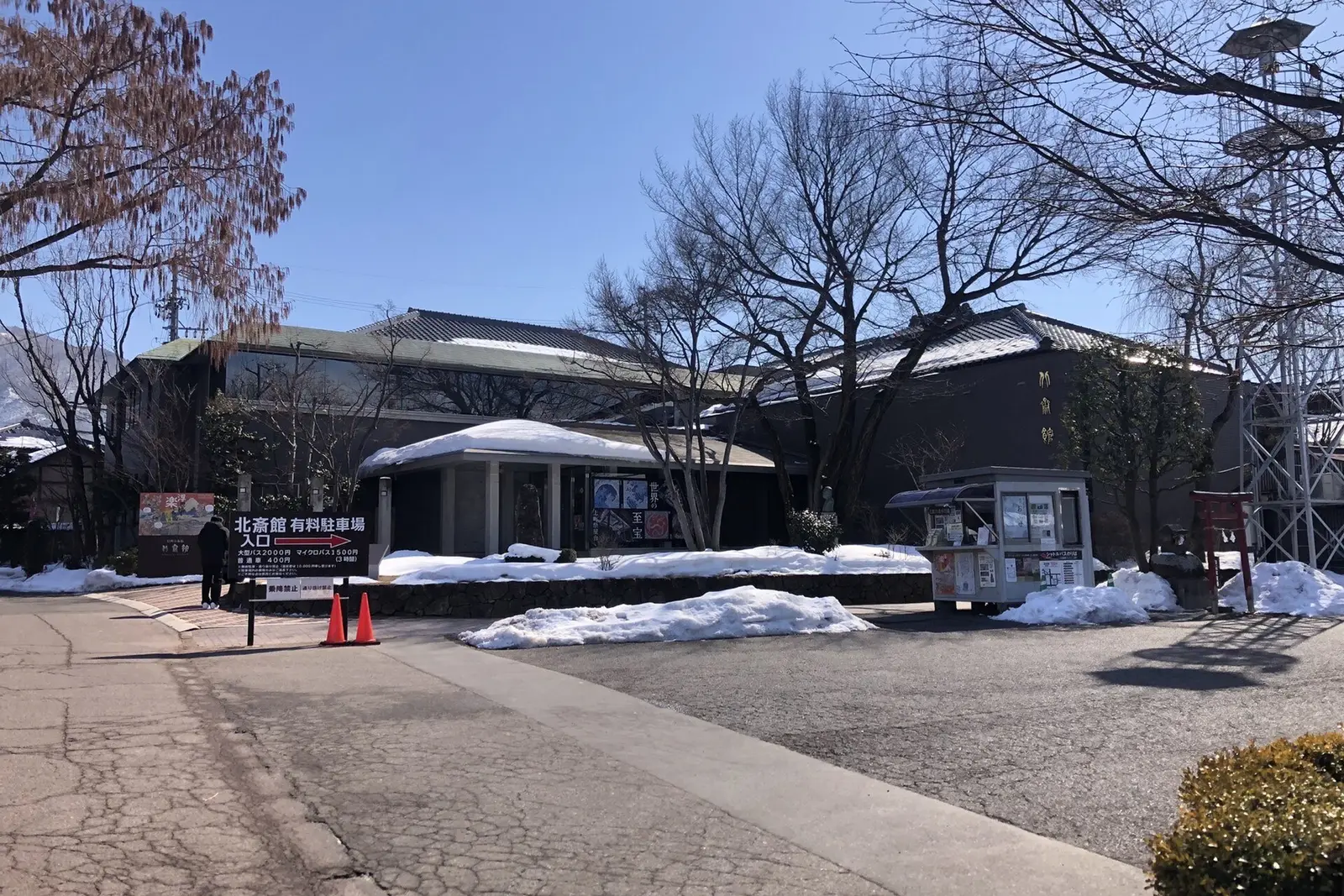
The painter of the Great Wave did some of his last work in a small town in the hills of Nagano. Obuse is calm, walkable and easy to reach by train, and it is a good way to spend half a day away from the crowds.
Why Hokusai came here
Katsushika Hokusai is the artist behind The Great Wave off Kanagawa and the Thirty-Six Views of Mount Fuji. He first came to Obuse in 1842, at the age of 83, when most people would have long since stopped traveling.
The museum gives two possible reasons. One is that new government rules in Edo, today's Tokyo, were limiting his work. The other is that he was invited by Takai Kozan, a wealthy local merchant and landowner who loved art. Hokusai came back in 1844 and 1845, and he left behind some of his biggest pieces here.
The Hokusai Museum
The Hokusai Museum is in the middle of town, about a 10-minute walk from the station. The main attractions are two festival floats. Their ceilings were painted, or helped along, by Hokusai. One has a dragon and a phoenix. The other shows two waves, called the male wave and the female wave.
Most of the museum is a collection of prints and paintings. At the time of writing there is a special show, running until January 17, 2027, with around 160 works from the museum's collection, including the Fuji series. The museum is open from 9:00 am to 5:00 pm, with the last entry at 4:30 pm. Adults pay ¥1,200, high school and university students pay ¥500, and children in elementary and junior high school pay ¥300. Some labels are in English, and there is a short English video. The museum closes on December 31 and between exhibitions, so check its website before a winter visit.
Gansho-in and the phoenix ceiling
Gansho-in is a quiet temple in the hills outside town, about 2 km from the station. Its main hall has a large painted phoenix on the ceiling, one of Hokusai's last big works. Visitors lie on the tatami floor to look up at it, which is the best way to see the whole picture. Take your time, because the painting is large.
Hours change with the season. From April to October the temple opens from 9:00 to 16:30. In November it is 9:00 to 16:00, and from December to March it is 9:30 to 15:30. Arrive at least 30 minutes before closing. The entry fee is about ¥500.
The temple is also known for its garden pond, which is the setting of a haiku by the poet Issa about frogs.
Getting around town
Take the Nagano Dentetsu line from Nagano Station to Obuse. A local train takes about 35 minutes and costs around ¥680. Limited express trains take about 25 minutes, with an extra charge. Note that this line is not covered by the Japan Rail Pass.
The old center of town is small, and the main sights are close together. Gansho-in is a 30-minute walk from the center, and a town bus runs there on selected days. A one-day bus pass costs ¥500. If you like walking, the road out to the temple is a pleasant way to see the edge of town.
A simple half-day plan
Arrive in the morning and start at the Hokusai Museum, which takes about an hour. Walk through the old streets for lunch, then head to Gansho-in in the early afternoon so you are inside well before closing time. In winter, the temple closes at 3:30 pm, so move a little faster.
Obuse is also known for its chestnut sweets. After the museum, find a small shop in the old streets and try something made with chestnuts.
Nearby
Obuse sits on the same Nagano Dentetsu line as Yudanaka, the gateway to the snow monkeys of Jigokudani. Zenkoji Temple in Nagano makes a good start or end to the day.
More on Nagano
 NAGANO3 min read
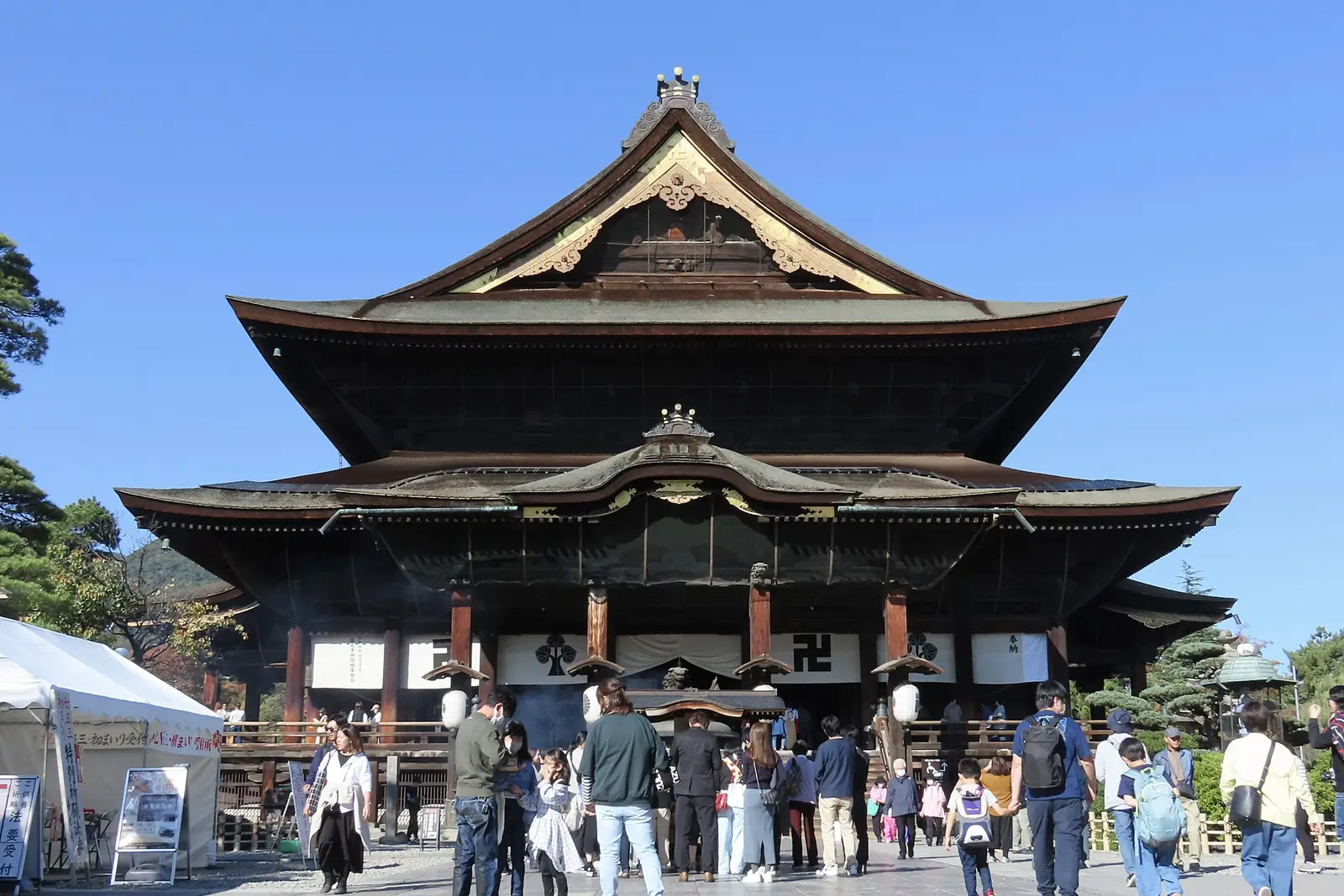
Zenkoji Temple: Nagano's Temple of a Hidden Buddha
A huge temple built around a Buddha no one has seen in over 1,300 years, with a pitch-dark passage and a morning service.
 NAGANO3 min read
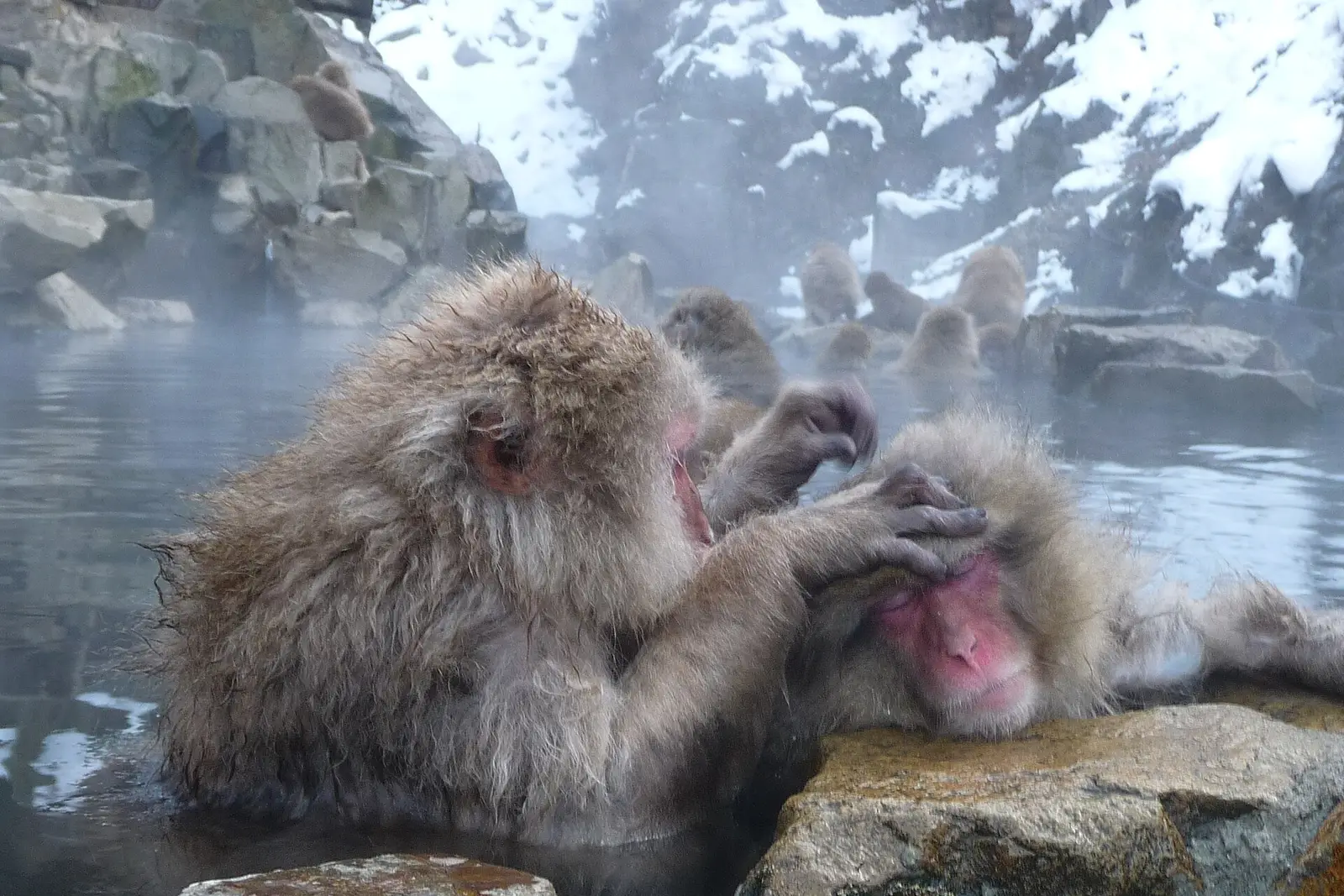
Jigokudani Monkey Park: The Snow Monkeys of Nagano
Wild macaques soaking in a hot spring in a snowy valley. Hours, tickets and the walk in from the road.
 NAGANO3 min read
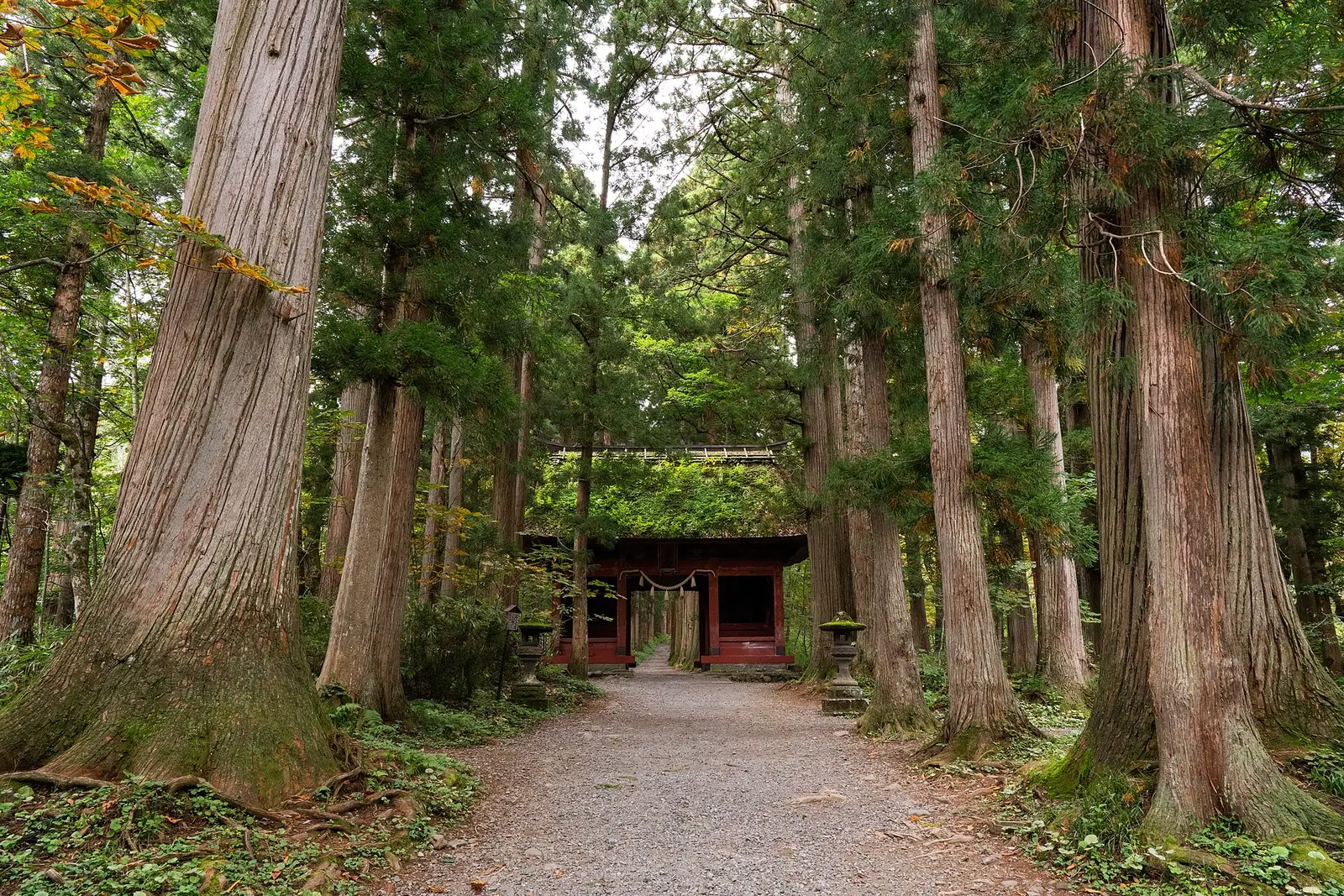
Togakushi Shrine: Five Shrines in the Mountains
Five shrines in a cedar forest in the mountains, a long quiet path to the innermost one and a tray of local soba.