Zenkoji Temple: Nagano's Temple of a Hidden Buddha
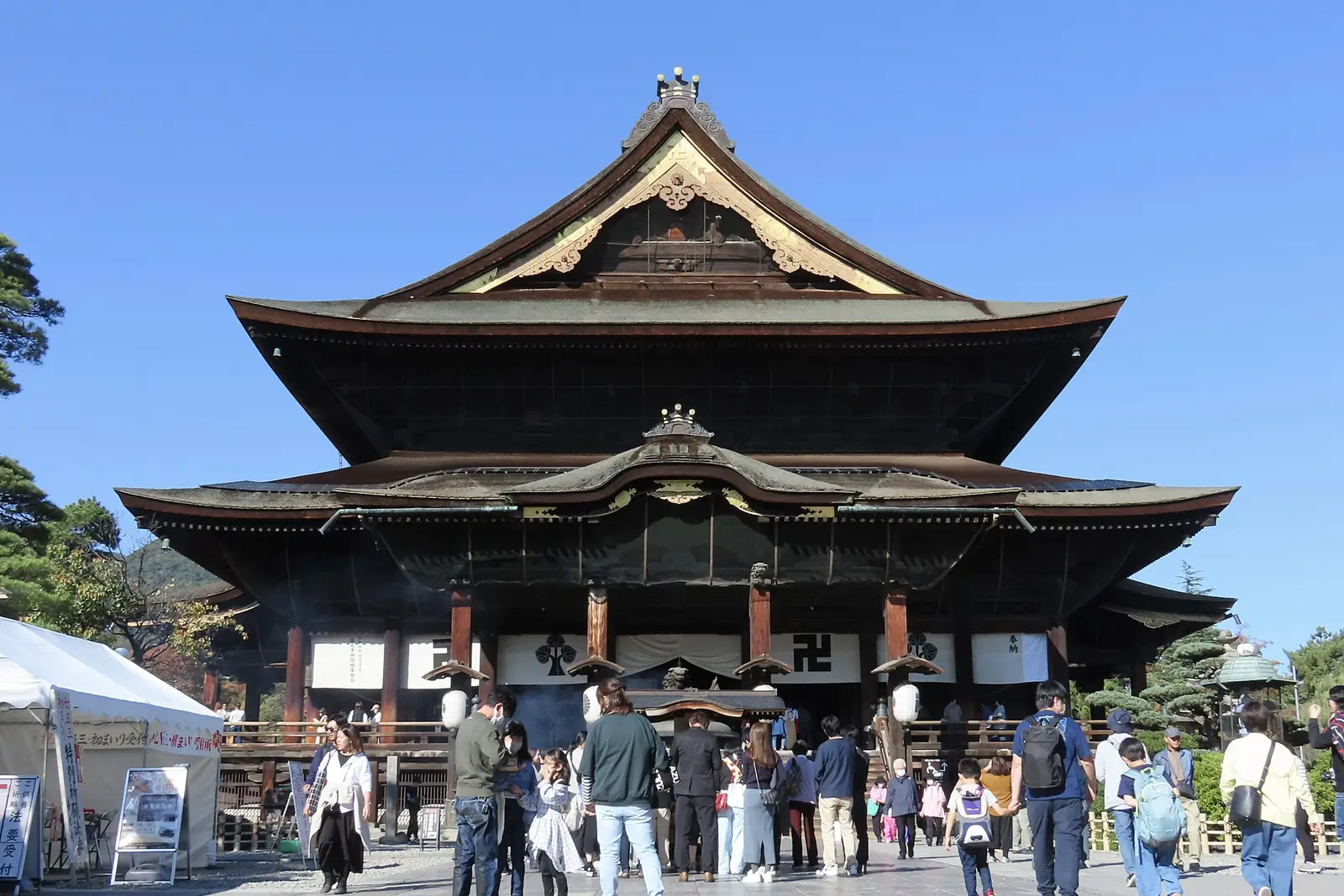
Nagano is a city built around one temple. For well over a thousand years, people have come here to pray, and the main image they come for is kept hidden. Zenkoji is the place to start your visit.
The temple with no sect
Zenkoji was founded in 642. It belongs to no single school of Buddhism, which is unusual in Japan. The temple welcomes everyone, whatever their background, and that is a big part of why so many pilgrims have come over the centuries.
At the heart of the temple is a Buddha triad, three figures standing together, that the legend says arrived in Japan from India by way of Korea in 552. In 654 the image was hidden from view. Nobody has been allowed to see it since. You are praying to something you cannot see, and that is the idea.
The main hall
The main hall, called the Hondo, is a National Treasure. It is huge, with a deep, sweeping roof. You can walk into the outer part for free and watch people throw coins, bow and light incense.
To enter the inner hall, with its tatami floor, you need an inner-hall ticket. It costs ¥800 for adults and ¥300 for students in grades 7 to 12. The same ticket covers the dark passage under the hall and the small history museum.
The part people remember most is under the hall: a corridor with no light at all, called the Okaidan Meguri. You walk it in the dark, keeping one hand on the wall. Somewhere along the way you can touch a metal key. It is said to be right below the hidden Buddha, and touching it is meant to bring you a step closer to paradise.
The walk is short, but the dark feels very long. Take your time and keep your hand on the wall.
The morning service
The morning service starts at sunrise, so the time changes by about a minute each day. The temple posts the schedule on its website. Before and after it, the head priest or priestess walks up to the hall, and anyone can stand on the pavement to receive a blessing from a rosary. It is free and needs no booking. To sit inside for the service, you need the inner-hall ticket.
Climbing the gate
The big wooden gate, the Sanmon, is an Important Cultural Property. You can climb the stairs to the upper floor for a view over the temple and the city. The ticket is ¥800 for adults, and it is open from 9:00 am to 4:00 pm. Children in elementary school and younger cannot go up.
Getting there and planning your visit
From Nagano Station, take a local bus from stop No. 1 at the Zenkoji Exit. It goes straight to the temple, takes about 15 minutes and costs ¥190. Get off at Zenkoji-daimon. The main hall is a 5-minute walk from there. The approach is lined with shops and snack stands, so leave time to eat on the way back. The grounds themselves are open all day and night at no charge, so a quiet walk in the evening is also possible, though the halls and the gate close in the afternoon.
A volunteer group offers a free guided tour in English. It can last from 30 minutes to 2 hours. Contact them through the temple's website.
One more date to know: every seven years, a copy of the hidden Buddha is shown to the public at a festival called Gokaicho. The next one runs from April 4 to June 19, 2027, and the temple will be much busier then.
Nearby
Nagano's other big draws are a short trip away. The Togakushi shrines sit in the mountains north of the city, and the snow monkeys of Jigokudani are an hour out by train and bus. Obuse, a small town of chestnut sweets and the painter Hokusai, is a short train ride to the northeast.
More on Nagano
 NAGANO3 min read
Jigokudani Monkey Park: The Snow Monkeys of Nagano
Wild macaques soaking in a hot spring in a snowy valley. Hours, tickets and the walk in from the road.
 NAGANO3 min read
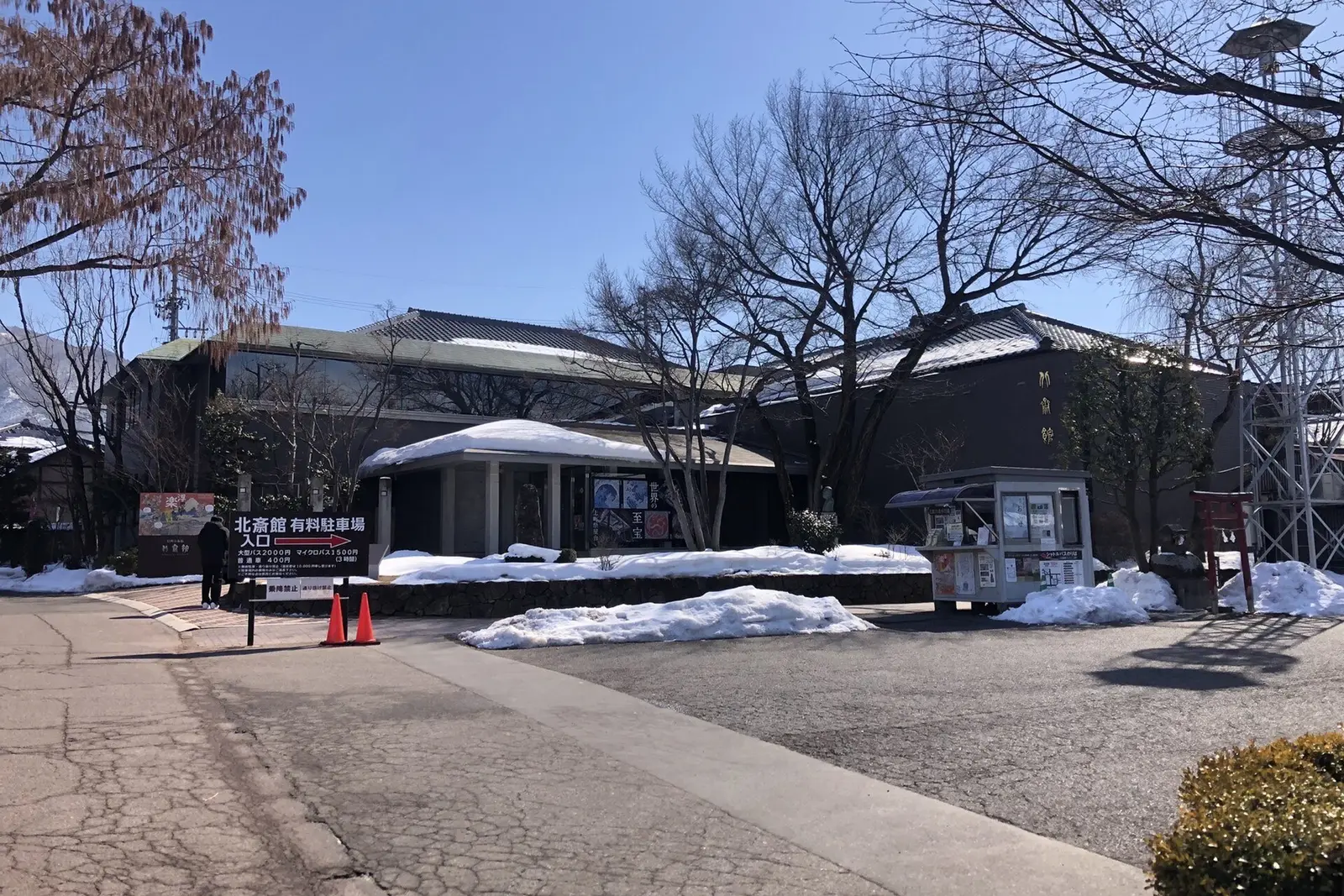
Obuse: Hokusai's Small Town in the Hills
A quiet small town where the painter of the Great Wave worked in his eighties. Two museums, a painted ceiling and an easy train ride.
 NAGANO3 min read
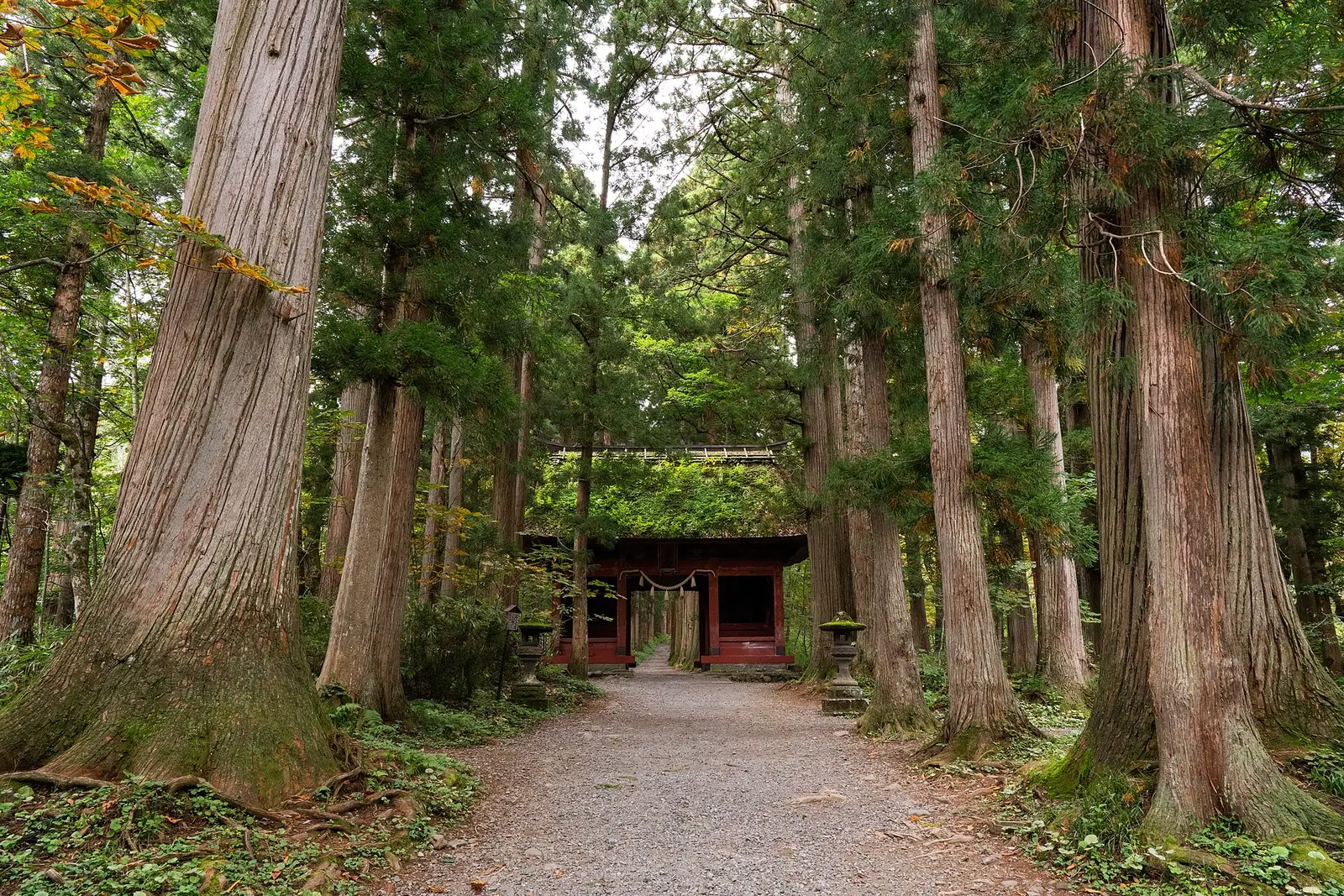
Togakushi Shrine: Five Shrines in the Mountains
Five shrines in a cedar forest in the mountains, a long quiet path to the innermost one and a tray of local soba.