Togakushi Shrine: Five Shrines in the Mountains
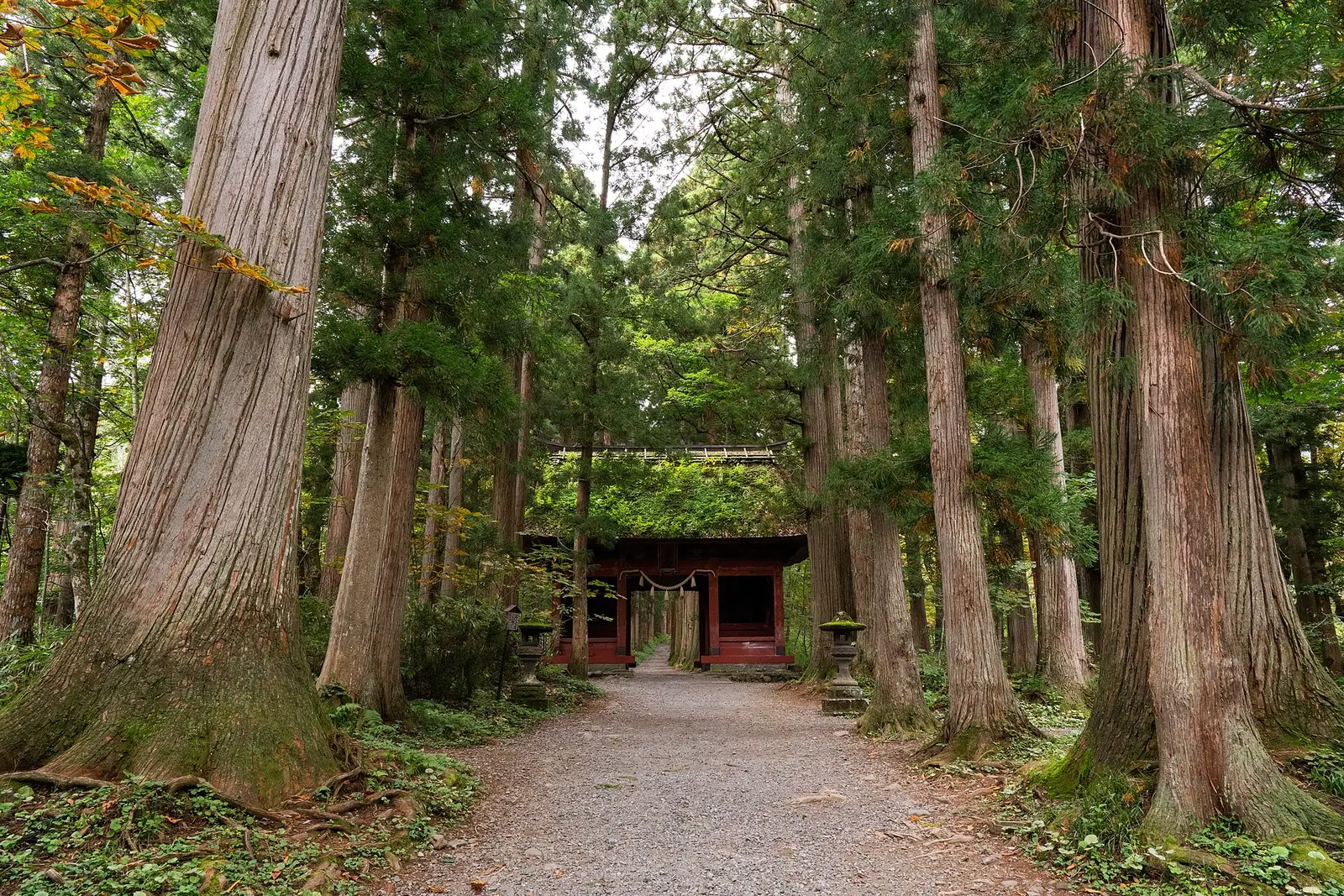
An hour by bus from Nagano Station, the road climbs into the mountains and ends at a forest full of very tall, very old cedar trees. Togakushi is a place of five shrines, a legend about a rock door and a noodle dish you will not find anywhere else.
The legend of the rock door
According to the old story, the sun goddess Amaterasu once hid in a cave and the world went dark. The other gods lured her out with song and dance, and one of them, Ame-no-Tachikarao, pulled the heavy rock door aside. The door fell to Earth and became Mount Togakushi.
That god is enshrined at Okusha, the innermost of the five shrines. The other four honor a god of wisdom, a dragon god of water, the son of the wisdom god and a group of gods linked with dance and marriage. Until 1868, the mountain was also a Buddhist temple site. When the government ordered Shinto and Buddhism to be separated that year, the temple chose to become a shrine.
Okusha and the cedar path
Okusha is the innermost shrine, and the walk to it is the best part of the trip. The approach is about 2 km long. You walk the first stretch, about 15 minutes, on a gentle, nearly flat slope. You then pass under a red, thatched gate called Zuishinmon.
From the gate, a path of about 500 meters leads between cedar trees that are more than 400 years old. This part is a steeper climb on natural stone steps and takes 20 to 25 minutes. The walk in total takes around 35 to 40 minutes one way. Private cars are not allowed on the path.
Chusha and the other shrines
Chusha, the middle shrine, honors the god of wisdom, so students come here to pray before exams. Look up inside the main building for a dragon painted on the ceiling by Kawanabe Kyosai. It was restored in 2003. Outside, the grounds include a huge cedar more than 700 years old and a group of three cedars that are over 800 years old.
Hokosha is reached by a climb of more than 270 stone steps. Hinomikosha, founded around 1098, has two cedars growing together that are over 500 years old. Kuzuryusha, near Okusha, honors a nine-headed dragon god of water and rain.
Soba, five portions on a tray
Togakushi is famous for its soba. It is served in small bundles on a round bamboo tray, a style called bocchi-mori, usually five bundles at a time. Soba here is said to go back to the Heian period, when it was food for monks training on the mountain.
Okusha no Chaya, a tea house, sits by the torii gate at the Okusha end of the path. It is a good lunch stop after the walk, and it is open from late April to mid-November. Uzuraya, near Chusha, is well known and often has a line, especially on autumn weekends.
Getting there
From Nagano Station, take the Alpico bus from stop No. 7, outside the Alpico bus information center. The ride takes about one hour. Get off at Togakushi Hokosha, Togakushi Chusha or Togakushi Okusha Iriguchi, depending on where you want to start. In winter the bus does not go to the Okusha stop, because the route changes to the ski area. You can walk from Chusha or take a taxi.
Scheduled sightseeing buses also run here, but not in winter. If you drive, note that parking may be unavailable in winter because of snow. Dress for the mountains. It is cooler up here than in the city, and the stone steps can be slippery after rain.
Nearby
An old forest path called Kanmichi was once used by pilgrims walking here from Zenkoji Temple in Nagano, so the two make a natural pair. Jigokudani and Obuse lie to the east and northeast of the city.
More on Nagano
 NAGANO3 min read
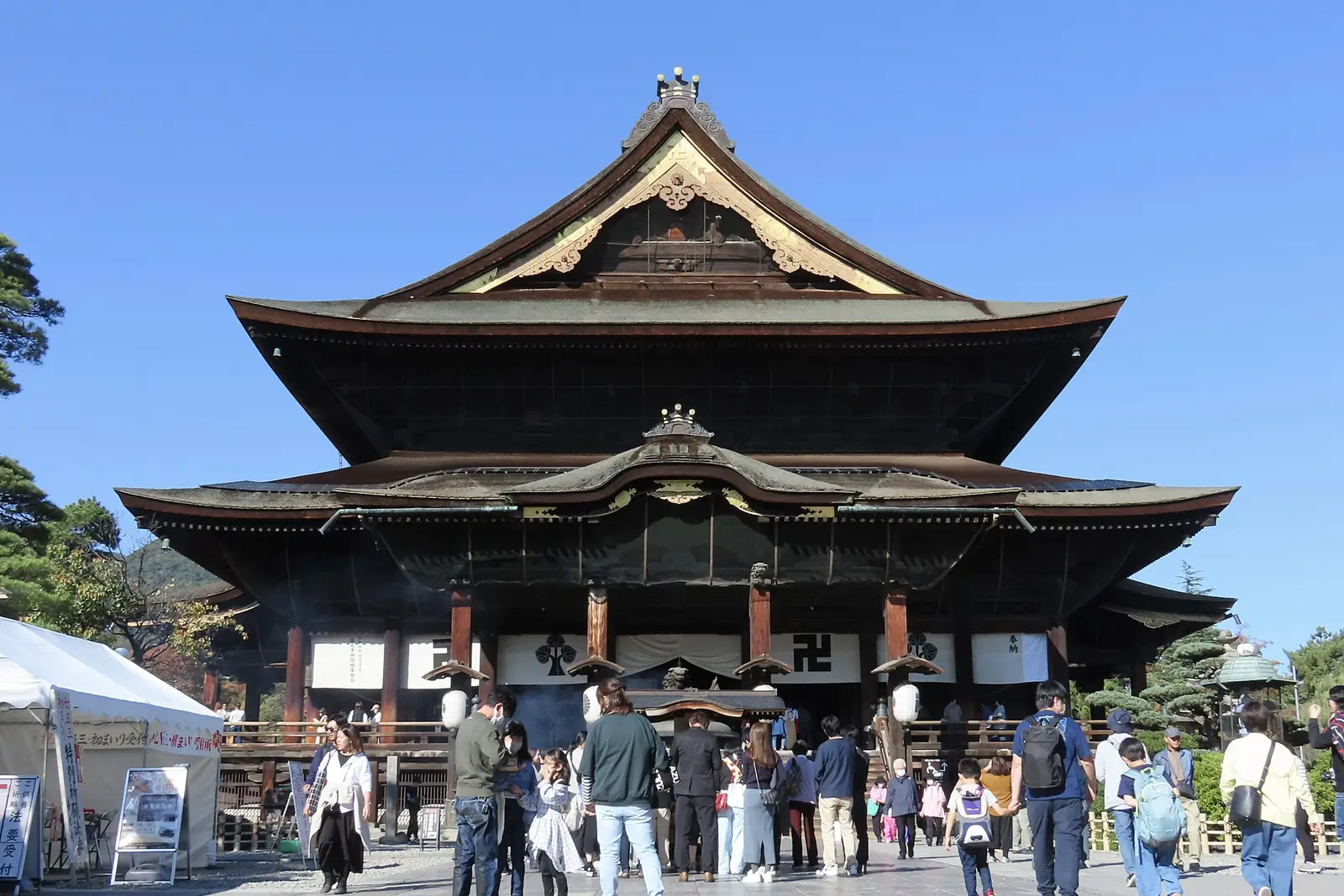
Zenkoji Temple: Nagano's Temple of a Hidden Buddha
A huge temple built around a Buddha no one has seen in over 1,300 years, with a pitch-dark passage and a morning service.
 NAGANO3 min read
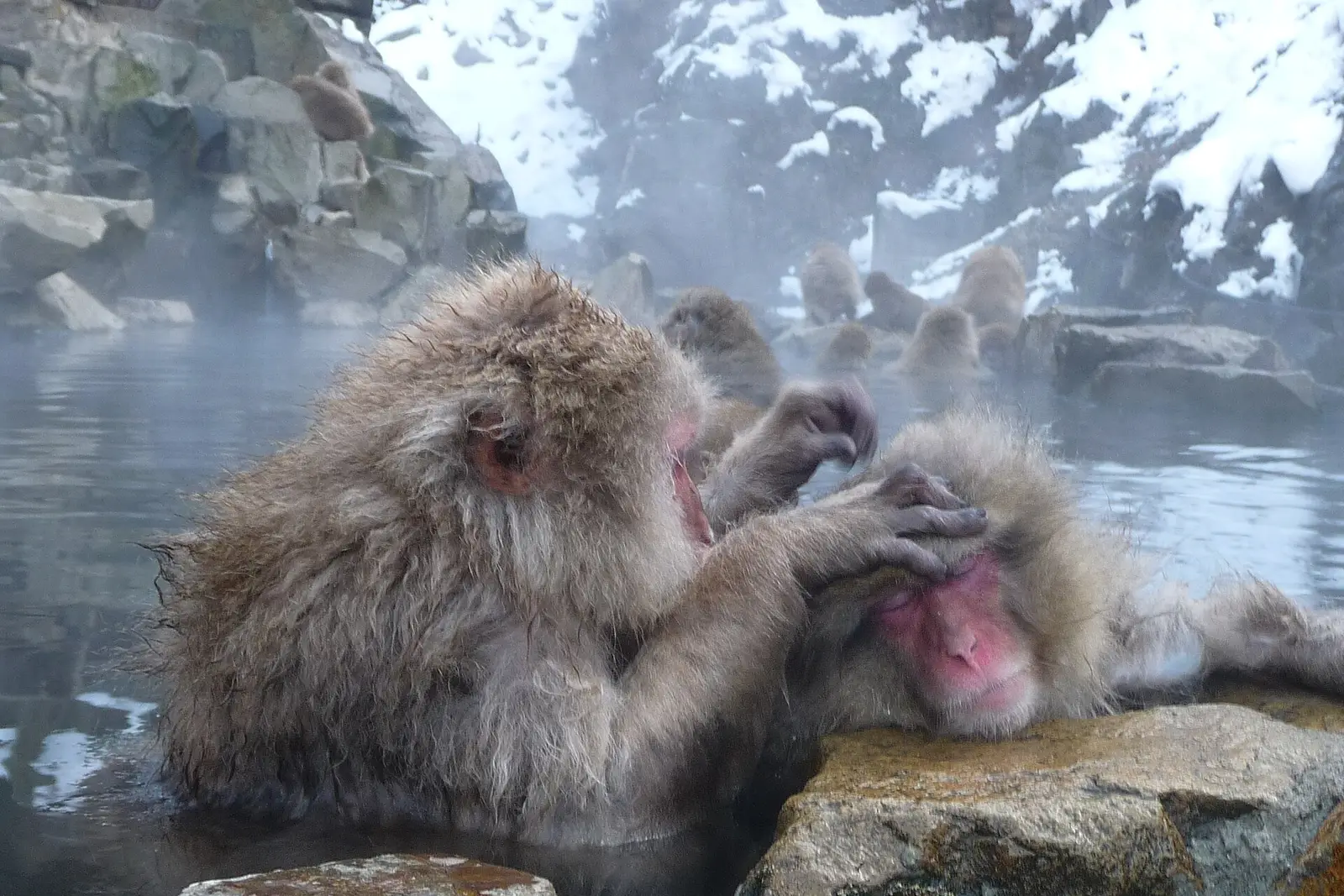
Jigokudani Monkey Park: The Snow Monkeys of Nagano
Wild macaques soaking in a hot spring in a snowy valley. Hours, tickets and the walk in from the road.
 NAGANO3 min read
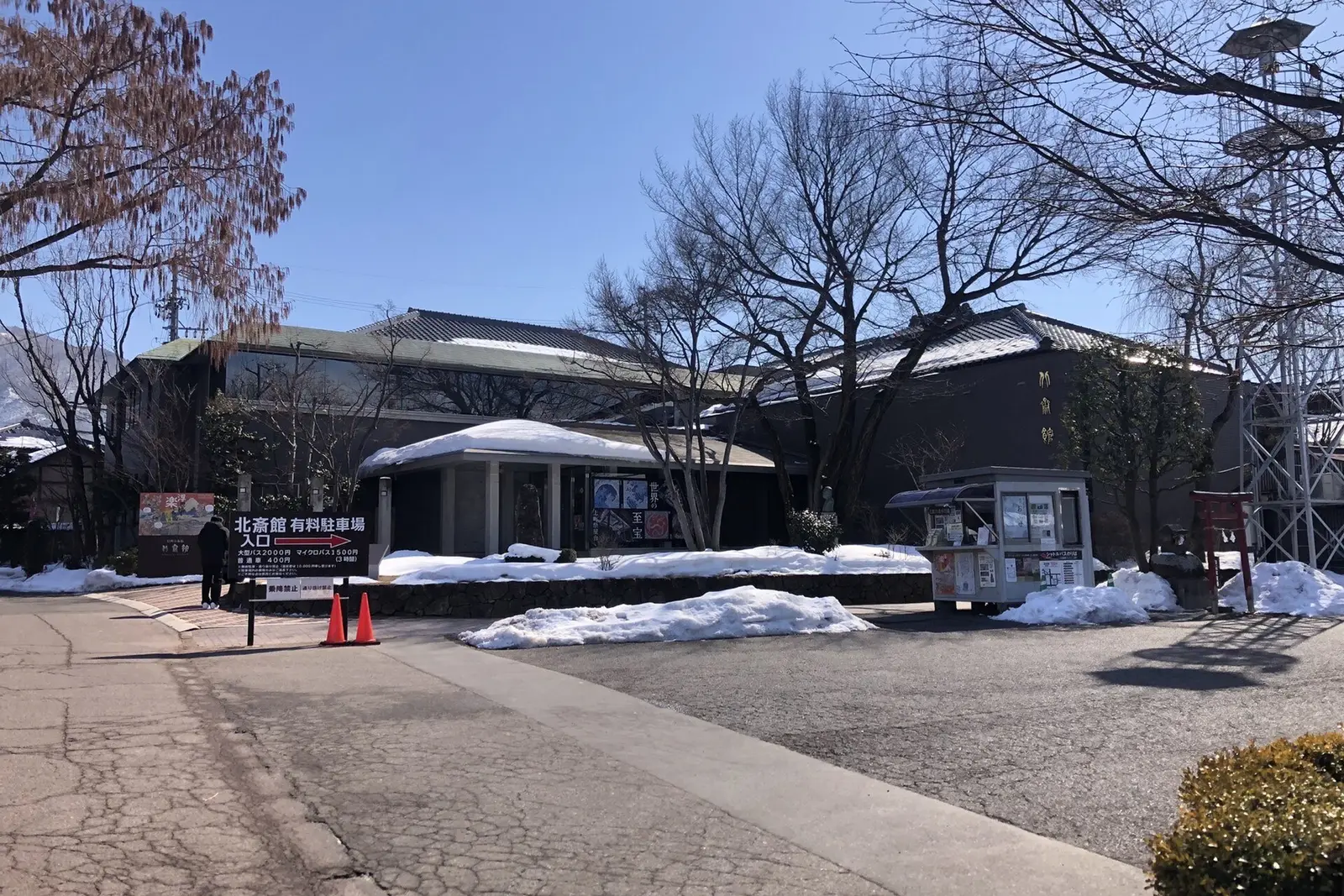
Obuse: Hokusai's Small Town in the Hills
A quiet small town where the painter of the Great Wave worked in his eighties. Two museums, a painted ceiling and an easy train ride.