Shibu Onsen: A Hot Spring Town of Nine Bathhouses
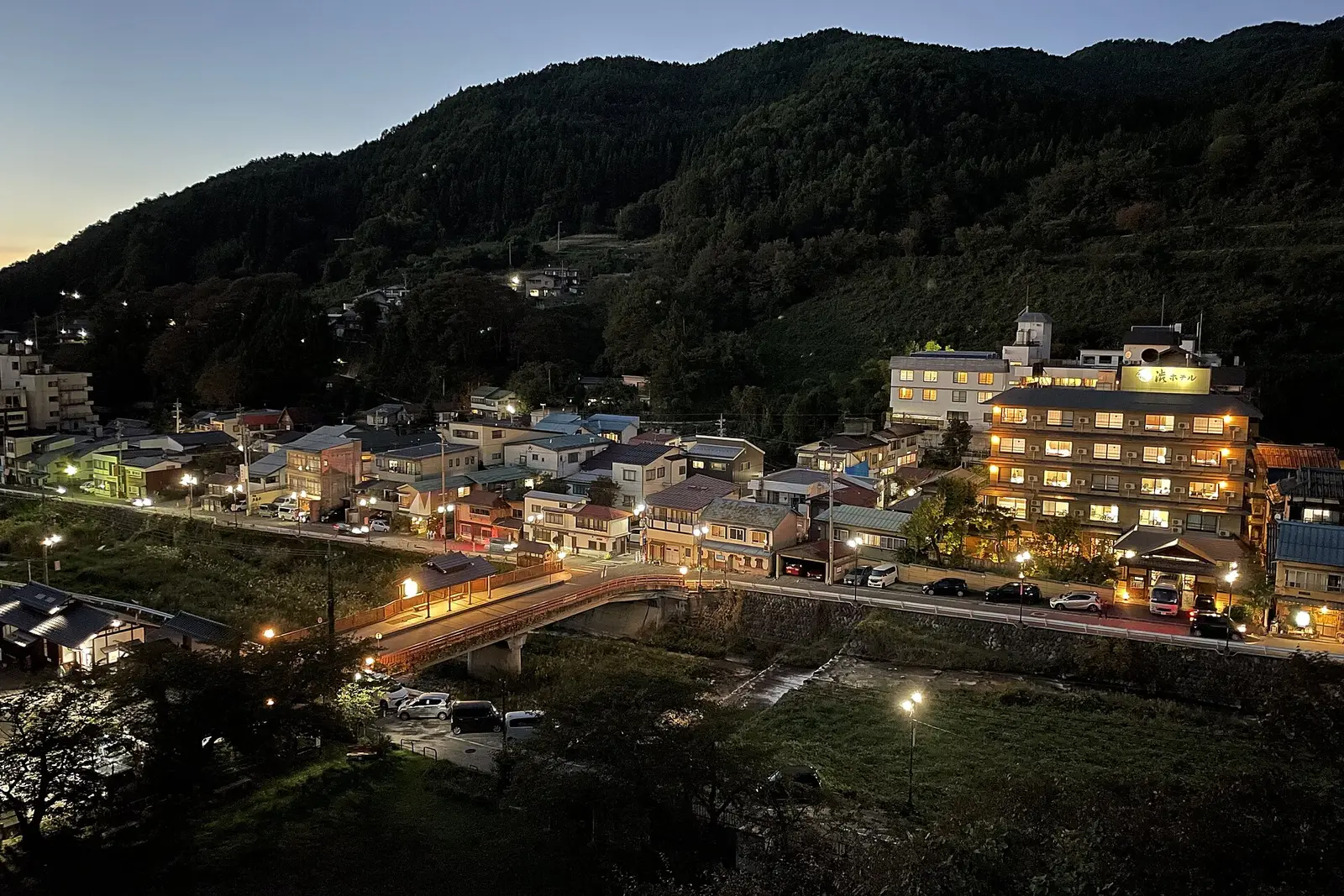
Shibu Onsen is the kind of hot spring town people picture when they imagine old Japan. Wooden inns line narrow lanes, and guests shuffle between public baths in cotton robes and wooden sandals. It is also the nearest town to the snow monkeys.
A town that has been bathing for centuries
Shibu Onsen has more than 1,300 years of history. It was once a rest stop for pilgrims on their way to Zenkoji Temple in Nagano, so travelers have been coming here for a very long time. Today the town is still small, with wooden inns, shrines and cobblestone lanes. It feels like it has slowed down on purpose.
The hot water is plentiful here. The inns and the public baths use spring water that flows constantly, straight from the source.
The nine public baths
The town has nine public bathhouses, called sotoyu. They are numbered, and each one has its own name. Each is said to help with different ailments, and it is said that good luck comes to those who visit all nine. They are looked after by the townspeople and the inns.
Most of the baths are locked. They are for locals and for guests who stay overnight at one of the town's inns. If you stay, your inn gives you a key that opens all nine, and the baths are free to use. Guests also collect a stamp at each bathhouse on a special towel. After the ninth bath, you can walk up to Shibutaka Yakushi Temple on the hill to make a wish.
What day visitors can do
If you are not staying overnight, you can still bathe in the ninth bath, called Oyu. It is the biggest of the nine and it sits in the middle of town. Pay a small fee at the tourist information center and they will let you in. Oyu is usually open from about 10:00 am to 5:00 pm, but it closes at times for cleaning, so check first.
The water is very hot. Get in slowly, and do not stay in for long. If you have just come from the monkey park on a cold day, a soak here is a good way to warm up before the trip back to Nagano.
Public baths in Japan follow the same rules everywhere. Wash well at the shower stations before you get into the water. Do not wear a swimsuit, and do not bring one into the water. Keep your small towel out of the water, and leave it on your head or on the side. Bathing is usually nude and separated by gender.
Tattoos are a problem at many baths in Japan. We could not find a clear policy for the Shibu baths, so ask at the information center or your inn before you go.
Walking the lanes
Even if you only come for an hour, walk the lanes. The town is small, and most of what you want to see is within a short stroll of the information center and the Oyu bath. Overnight guests are encouraged to stroll the town in a yukata, a light cotton robe, and geta, wooden sandals. A local sake brewery, Tamamura, is nearby for tasting. Monkeys from the forest sometimes come into town looking for food. They usually prefer their own bath at Jigokudani.
Getting there
From Nagano Station, ride the Nagano Dentetsu limited express to Yudanaka Station, which takes about 38 minutes. From Yudanaka, a bus to Shibu takes about 5 minutes and costs around ¥250 each way, with one or two buses an hour. A taxi takes about 5 minutes. You can also walk, which takes about 30 minutes.
Nearby
The snow monkeys of Jigokudani are above the town, and a bus from Yudanaka reaches the start of the forest path. Back in Nagano, Zenkoji Temple is the sight the pilgrims were walking toward.
More on Nagano
 NAGANO3 min read
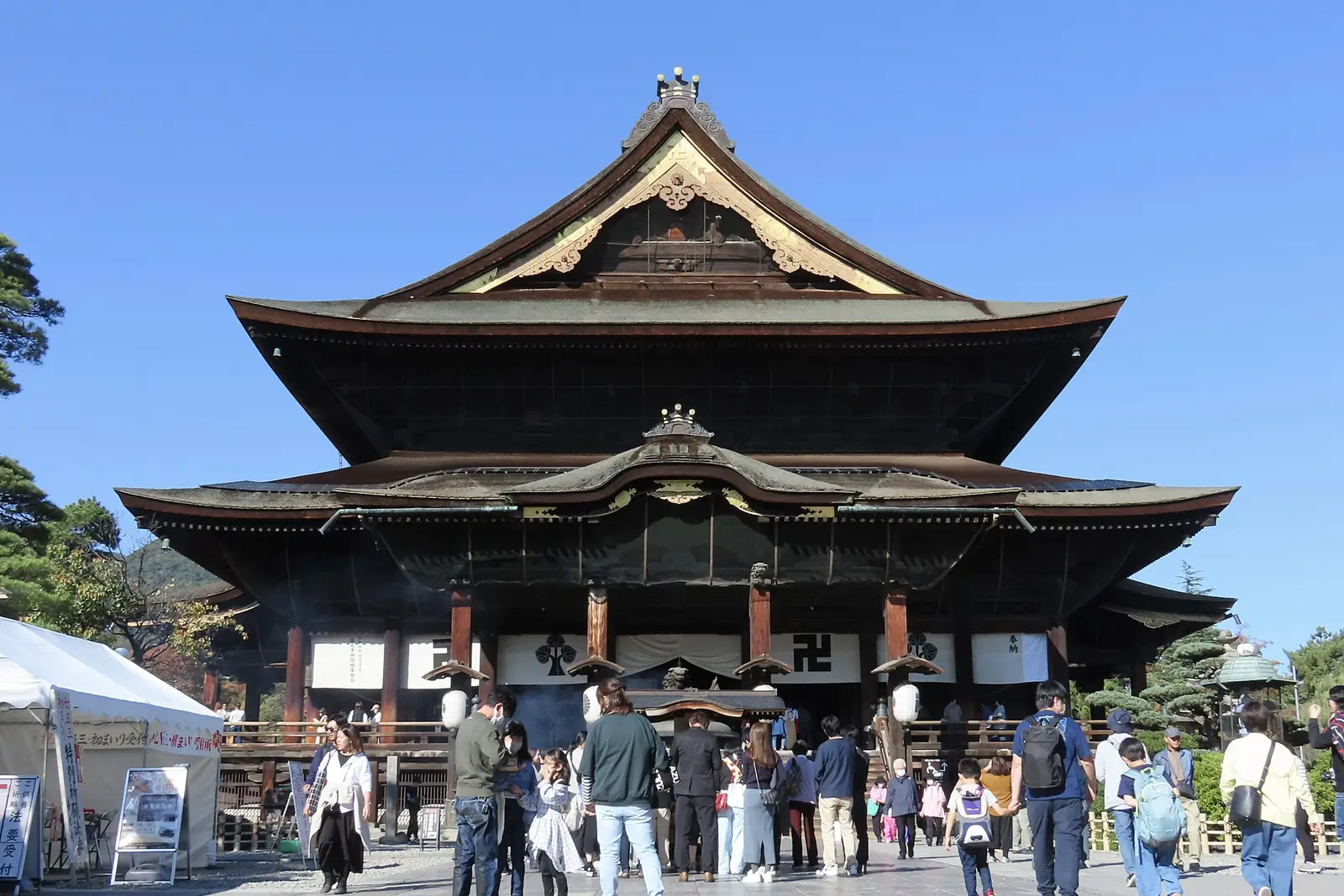
Zenkoji Temple: Nagano's Temple of a Hidden Buddha
A huge temple built around a Buddha no one has seen in over 1,300 years, with a pitch-dark passage and a morning service.
 NAGANO3 min read
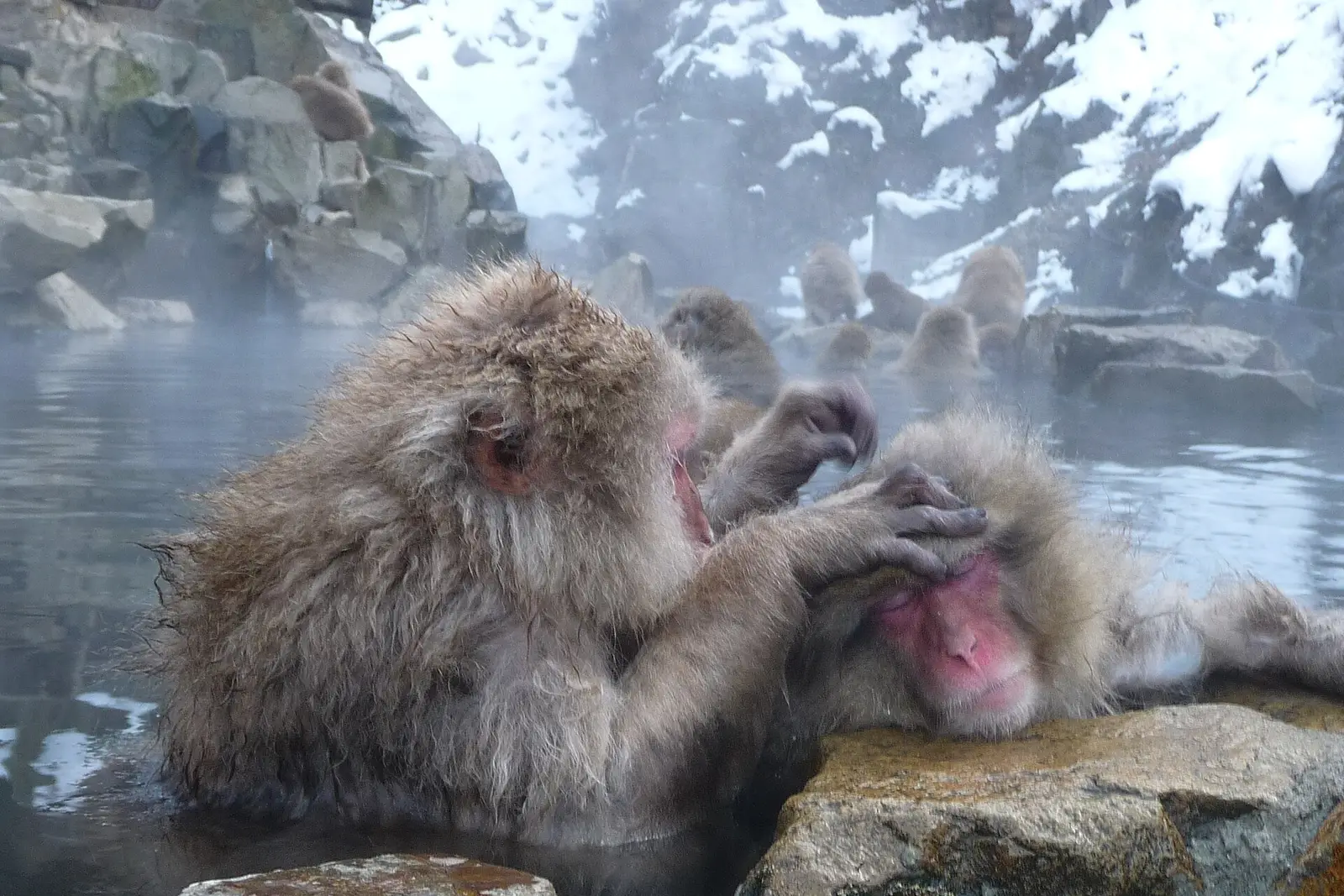
Jigokudani Monkey Park: The Snow Monkeys of Nagano
Wild macaques soaking in a hot spring in a snowy valley. Hours, tickets and the walk in from the road.
 NAGANO3 min read
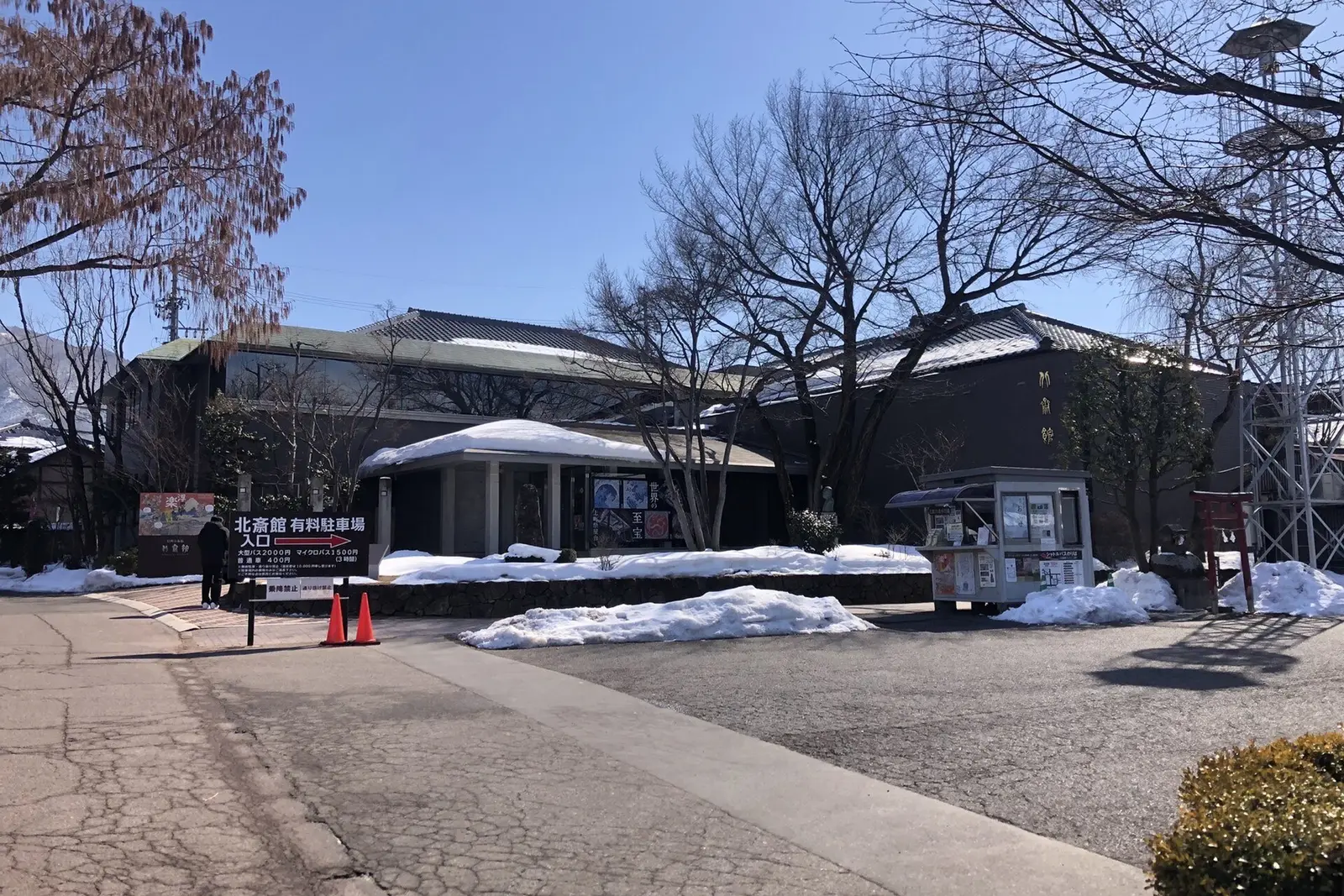
Obuse: Hokusai's Small Town in the Hills
A quiet small town where the painter of the Great Wave worked in his eighties. Two museums, a painted ceiling and an easy train ride.