Destinations › Aichi › Nagoya
Nagoya Castle: Golden Dolphins and a Rebuilt Palace
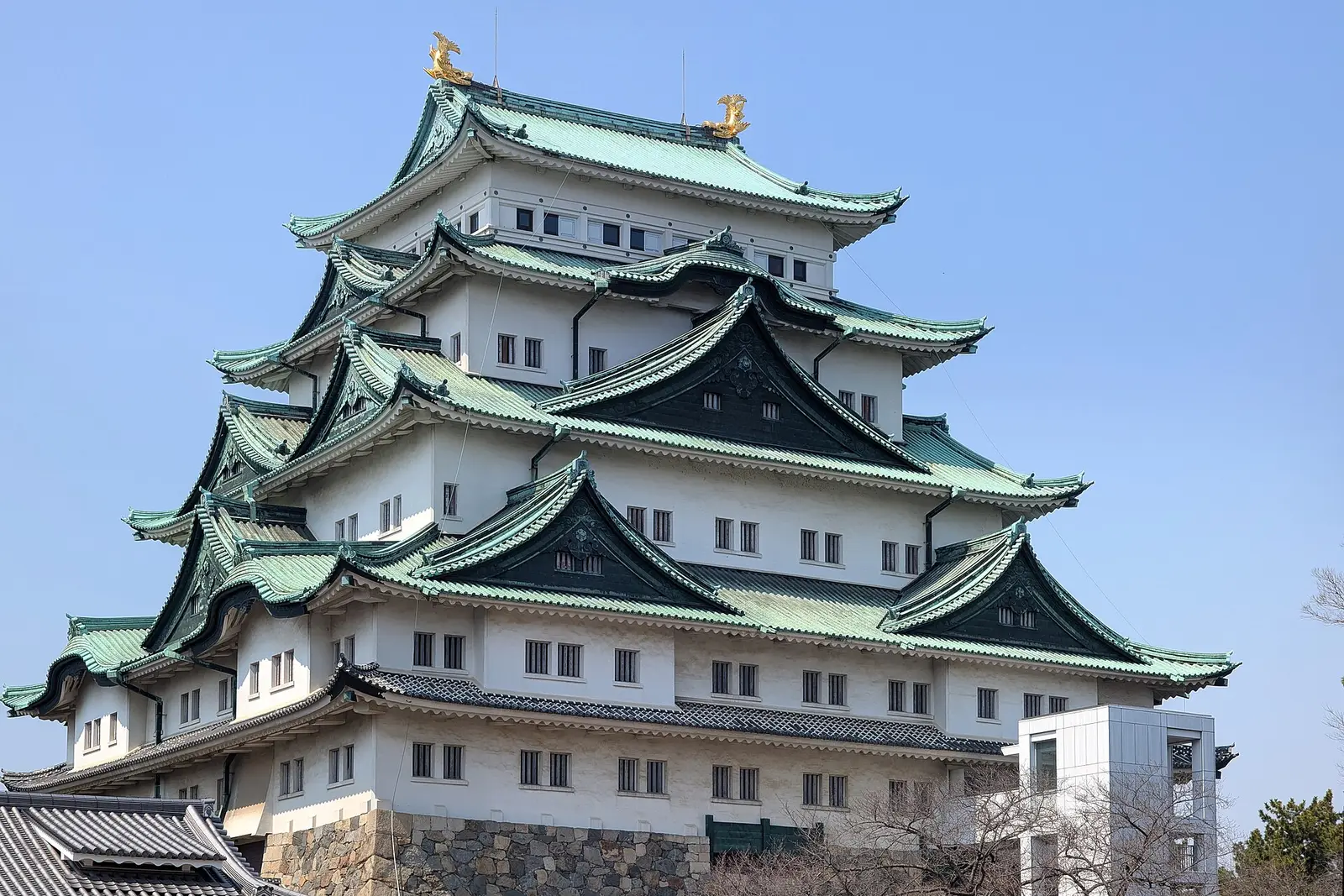
Nagoya Castle is the symbol of the city. Its main keep carries a pair of golden shachihoko, strange fish-like creatures with tiger heads, on the roof. The keep is closed right now, so here is what you can still see, and why many visitors are glad they came anyway.
A castle for the Tokugawa family
After winning the Battle of Sekigahara, Tokugawa Ieyasu became shogun and ruled from Edo, today's Tokyo. In 1610 he ordered other lords to build a new castle at Nagoya, and it became the home of the Owari branch of the Tokugawa family for the next 260 years. The castle town grew around it, and that town became the city of Nagoya.
The Honmaru Palace, where the lord lived and worked, was finished in 1615. It was one of the first castle buildings in Japan to be named a National Treasure, in 1930.
What happened to it
In 1945, air raids destroyed the main keep and the palace. After the war, the keep was rebuilt in 1959 with steel-reinforced concrete, and the golden shachihoko went back on the roof. The male is about 2.6 meters tall and covered in scales of 18-karat gold.
The keep is now closed, because the concrete building is aging and does not meet today's earthquake standards. The city plans to rebuild it in wood, but the official site gives no reopening date. You can still walk up to the base and see the golden dolphins from the ground. Do not expect to go inside.
Honmaru Palace: the real highlight
The palace was rebuilt using old plans and records, and it reopened in 2018. It is made with a great deal of hinoki cypress, and craftsmen recreated the metal fittings and the wall paintings by hand. The palace has no air conditioning and very little lighting, on purpose, to keep the feel of the Edo period.
Inside, you walk through a series of rooms decorated with wall paintings, and the wood and the fittings are as much a part of the show as the art. Go slowly and look at the details. It is a rare chance to see what a lord's home really looked like. A virtual tour video on the castle's website gives you a preview before you go.
The rules are simple. Take off your shoes at the entrance, and you will get slippers if you are in bare feet. Do not touch the doors, paper screens or metal fittings. Do not use a flash, and keep your phone in your pocket. Suitcases can go in the free lockers by the entrance. The palace is open from 9 am to 4 pm and costs nothing extra beyond your castle ticket.
Tickets and getting around
The entrance fee went up to ¥1,000 for adults from October 1, 2026. Children in junior high school and younger get in free. Hours are 9 am to 4:30 pm, and the last entry is at 4 pm.
The palace is about a 10-minute walk from the Main Gate or the East Gate. Because it closes at 4 pm, go there first and look at the grounds afterward. The grounds are large, so wear comfortable shoes. At the main gate, costumed greeters called the Nagoya Omotenashi Bushotai welcome visitors every day, and on weekends and national holidays they also give performances. It makes a fun photo, and it costs nothing.
Tips for your visit
Come on a weekday morning for the quietest palace. Allow about two hours in total.
Because the keep is closed, the palace is the main reason to buy a ticket. If you only have a short time in Nagoya, it is still worth it, and the castle is easy to reach from the center of the city.
Nearby
From the castle, it is a short ride to the rest of Nagoya. Osu Kannon and its shopping streets are a good next stop for lunch and street snacks, and Atsuta Jingu, the city's great shrine, makes a calm second visit later in the day.
More on Nagoya
 NAGOYA3 min read
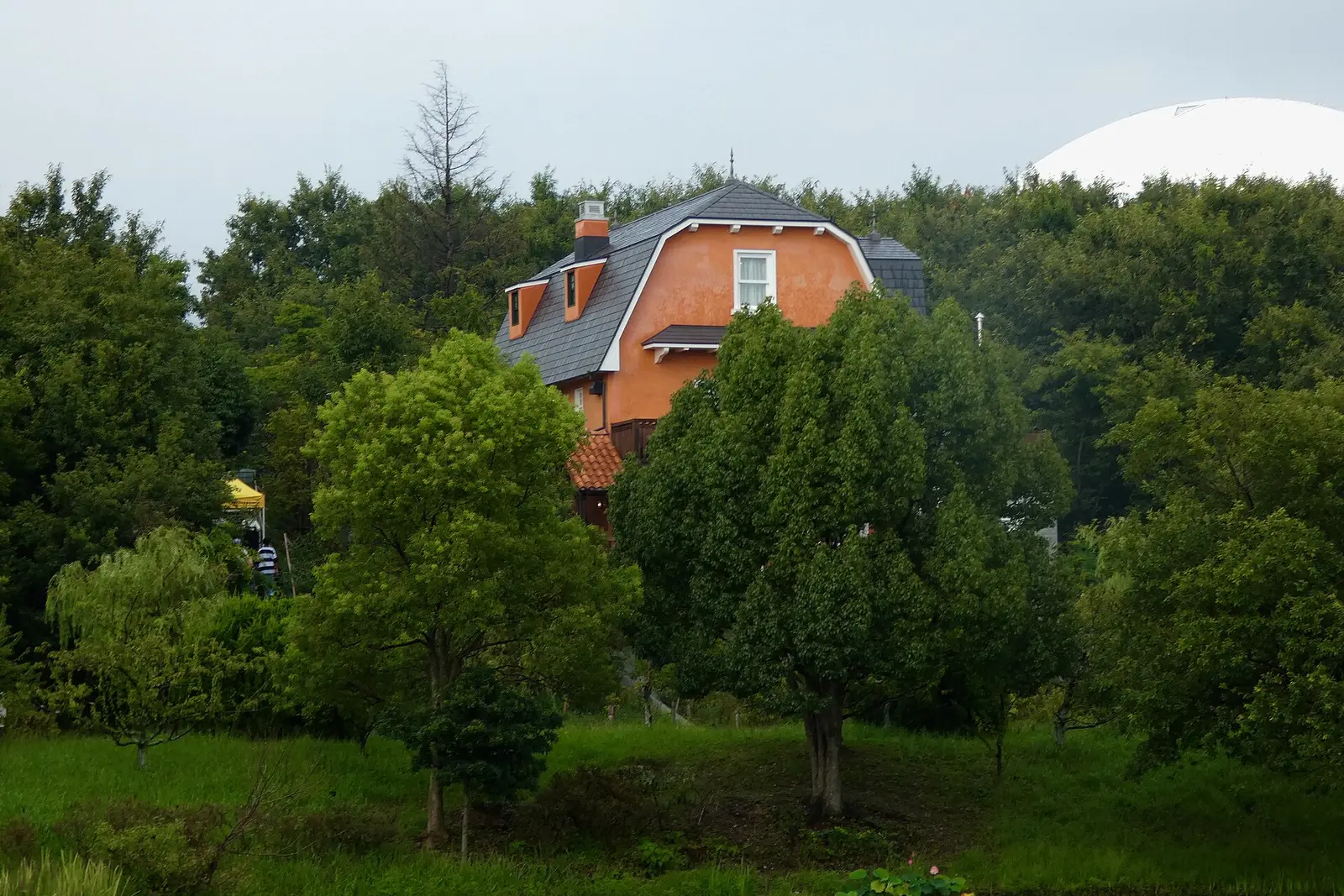
Ghibli Park: Tickets, Areas and How to Visit
The Studio Ghibli park outside Nagoya, where tickets must be booked well ahead. How the areas and tickets work.
 NAGOYA3 min read
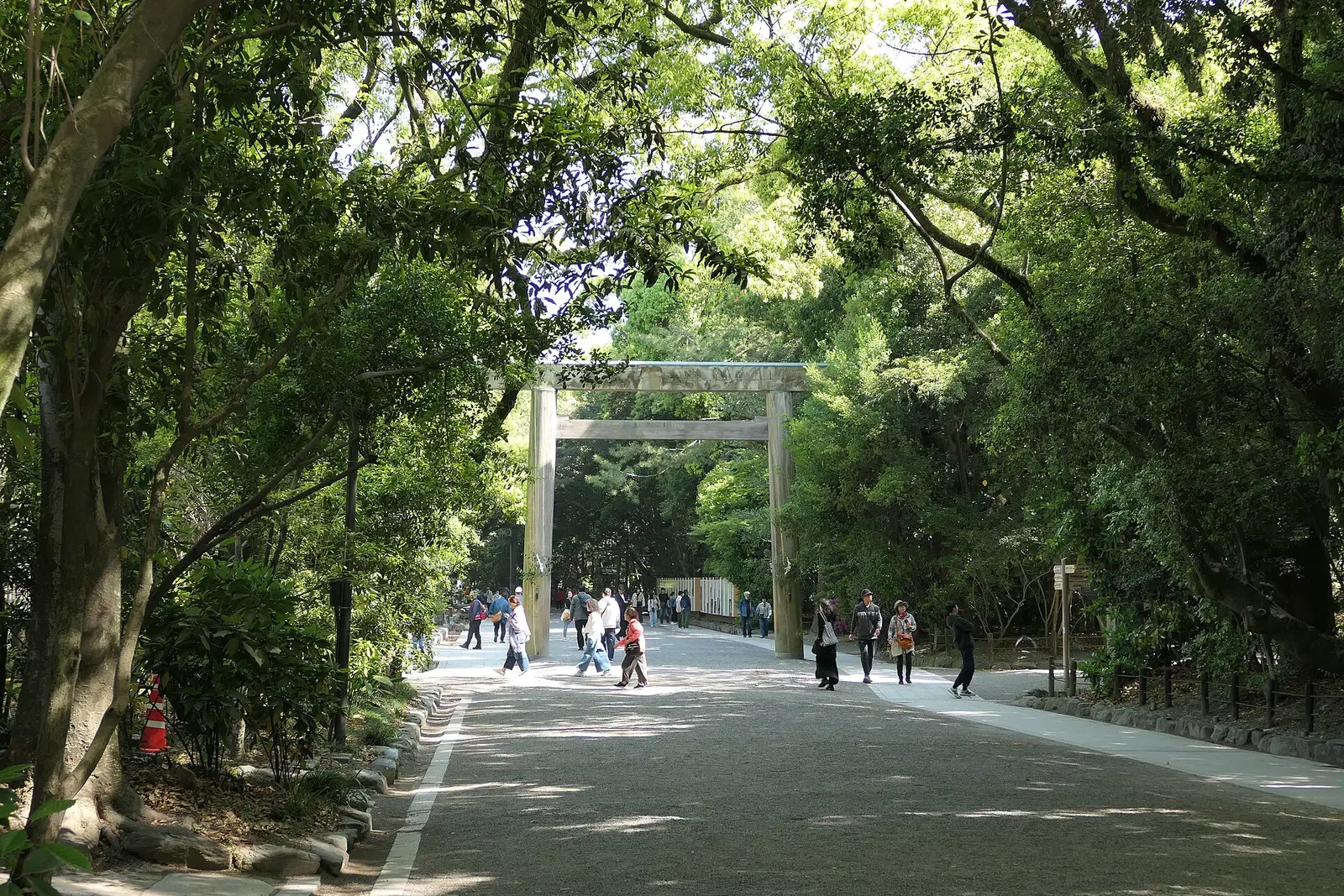
Atsuta Jingu: Nagoya's Great Shrine
One of Japan's most important shrines, in a forest in the city. Home of a sacred sword no one sees.
 NAGOYA3 min read
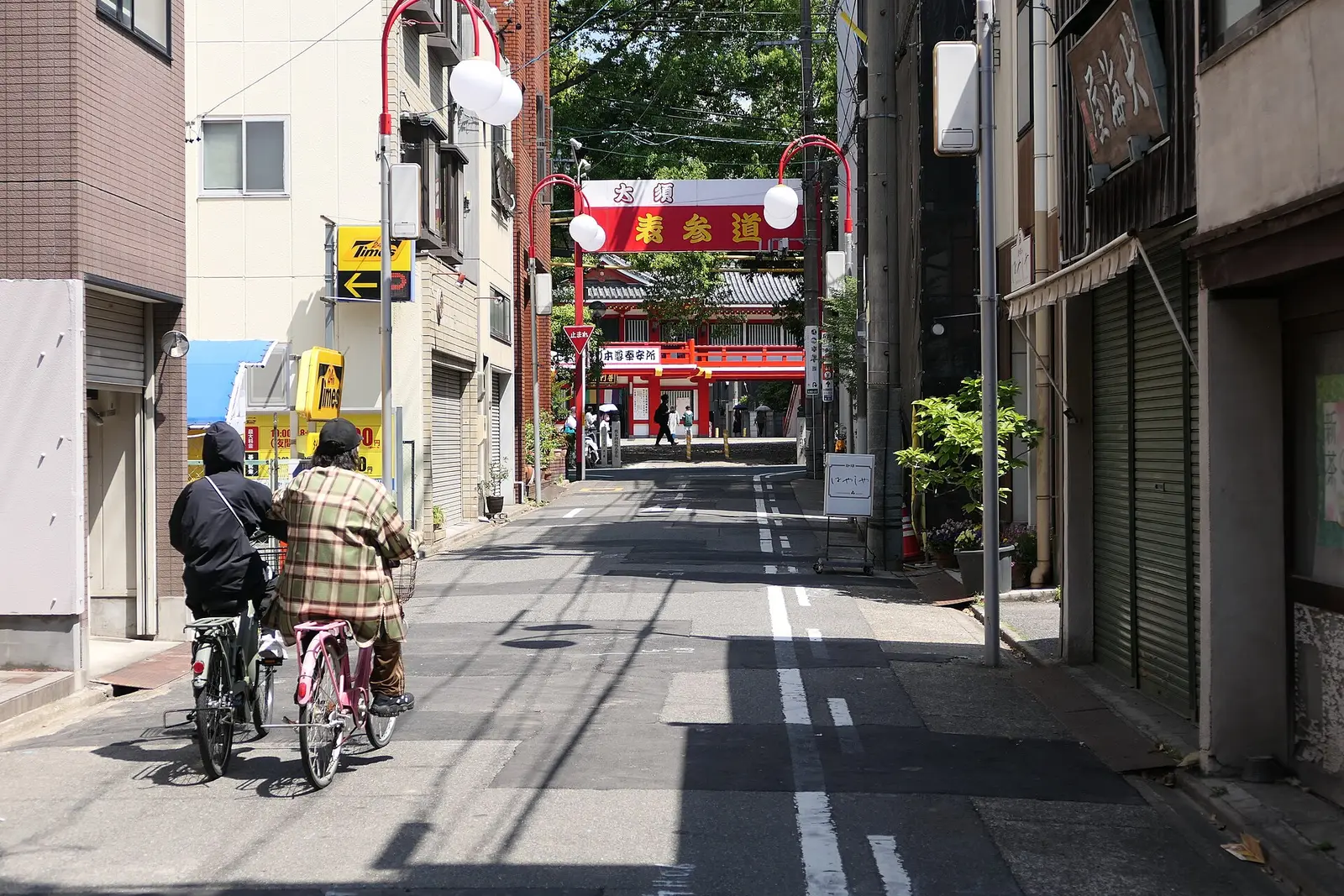
Osu Kannon and Osu Shopping Street
An old temple surrounded by covered shopping streets full of snacks, anime shops and cosplay.