Destinations › Aichi › Nagoya
Osu Kannon and Osu Shopping Street
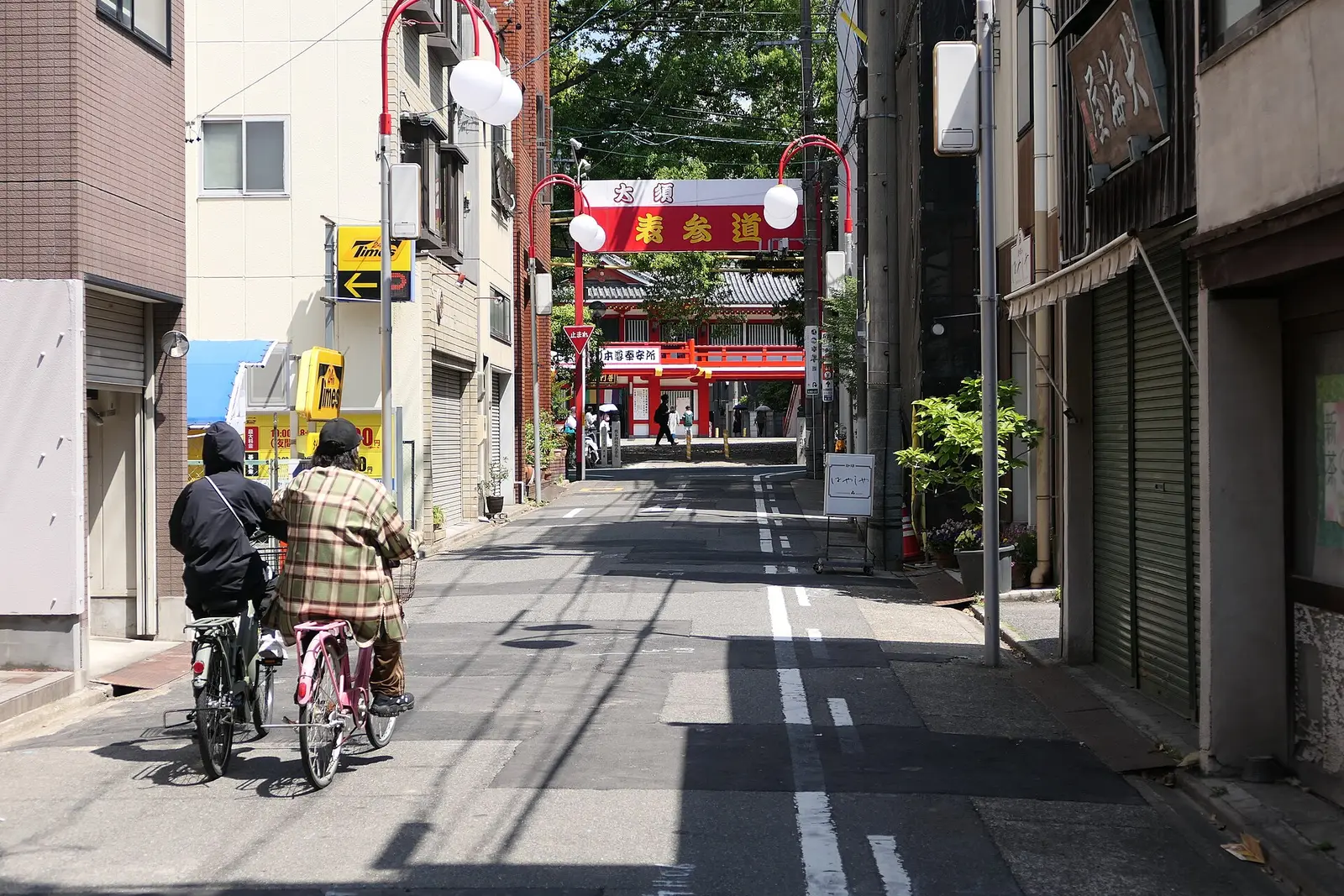
In Osu, a temple stands beside a maze of covered shopping streets where cosplay shops, snack stalls and anime stores share the same roof. It is the easiest place in Nagoya to wander with no plan, and the best place to eat on foot.
A temple that moved
Osu Kannon is the common name of Shinpuku-ji, a Buddhist temple of the Shingon school. It began around 1333, in what is now Gifu Prefecture. In 1612, Tokugawa Ieyasu had it moved to Nagoya. Floods were part of the reason, and the move came two years after work began on Nagoya Castle.
The temple has been through a lot. A fire in 1892 destroyed its main hall and gate, and air raids burned it again in March 1945. It was rebuilt after the war. Its library still holds the oldest known copy of the Kojiki, Japan's oldest chronicle, which a monk copied in 1371 and 1372. Visitors cannot see it, but it is one of the temple's real treasures. The temple also keeps a wooden statue of Kannon, the bodhisattva of mercy, which is said to have survived the fires.
The streets around it
As the temple grew, the area around its gate grew into a town of shops. The temple is one of the thirty-three Kannon temples of the old Owari region, and its library holds about 15,000 classical works. Today those shops fill several covered arcades next to the temple, with hundreds of stores and restaurants. The mix is lively and a little worn at the edges, which is part of the charm. You will find anime and manga shops, cosplay costumes, idol goods and cheap everyday items, side by side with older family stores.
There is no single main street. Walk in any direction and you will reach another arcade. If you get lost, the temple and the subway station are never far away, so just wander.
What to eat
Bring an empty stomach and a small budget. Many stalls and shops sell one thing well, such as fried chicken or Turkish ice cream, so you can try a bit of everything without a big bill. There is even a shop where everything costs ¥300, which is handy for small gifts.
Osu is a street-food area, so eat as you walk. You will find fried chicken, kebabs, Turkish ice cream and many other snacks, often for a few hundred yen. Sit-down places fill the lanes too, including sushi shops and small bars. A good plan is to share a few snacks first, then pick a place for a proper meal.
The flea market
On the 18th and 28th of each month, the temple grounds host a flea market with around 60 stalls. People sell antiques and secondhand goods. It runs in the rain too. If you come on one of those days, arrive before 10 am for the best choice.
Getting there and timing
Take the Tsurumai subway line to Osu Kannon Station. The temple is right there, and the arcades are beside it. Shops keep their own hours, with many opening at 10 or 11 am and closing around 8 pm, so late morning is a safe time to arrive. Some restaurants and bars stay open later. Not every shop opens every day, so do not plan around one particular store.
A few tips
The temple holds sutra-copying sessions by reservation. The next one listed on its website is on November 28, 2026. It is a quiet activity in the middle of a noisy area, though you should ask the temple about language help before you book.
The temple is a working place of prayer, not only a landmark. Stand to one side to take photos, and keep your voice low near the main hall. Most visitors stop, bow slightly and say a short prayer, and you are welcome to do the same.
Nearby
After Osu, you can ride on to Atsuta Jingu for the calm side of the city. Nagoya Castle is also close and makes a good morning stop before you come here for lunch.
More on Nagoya
 NAGOYA3 min read
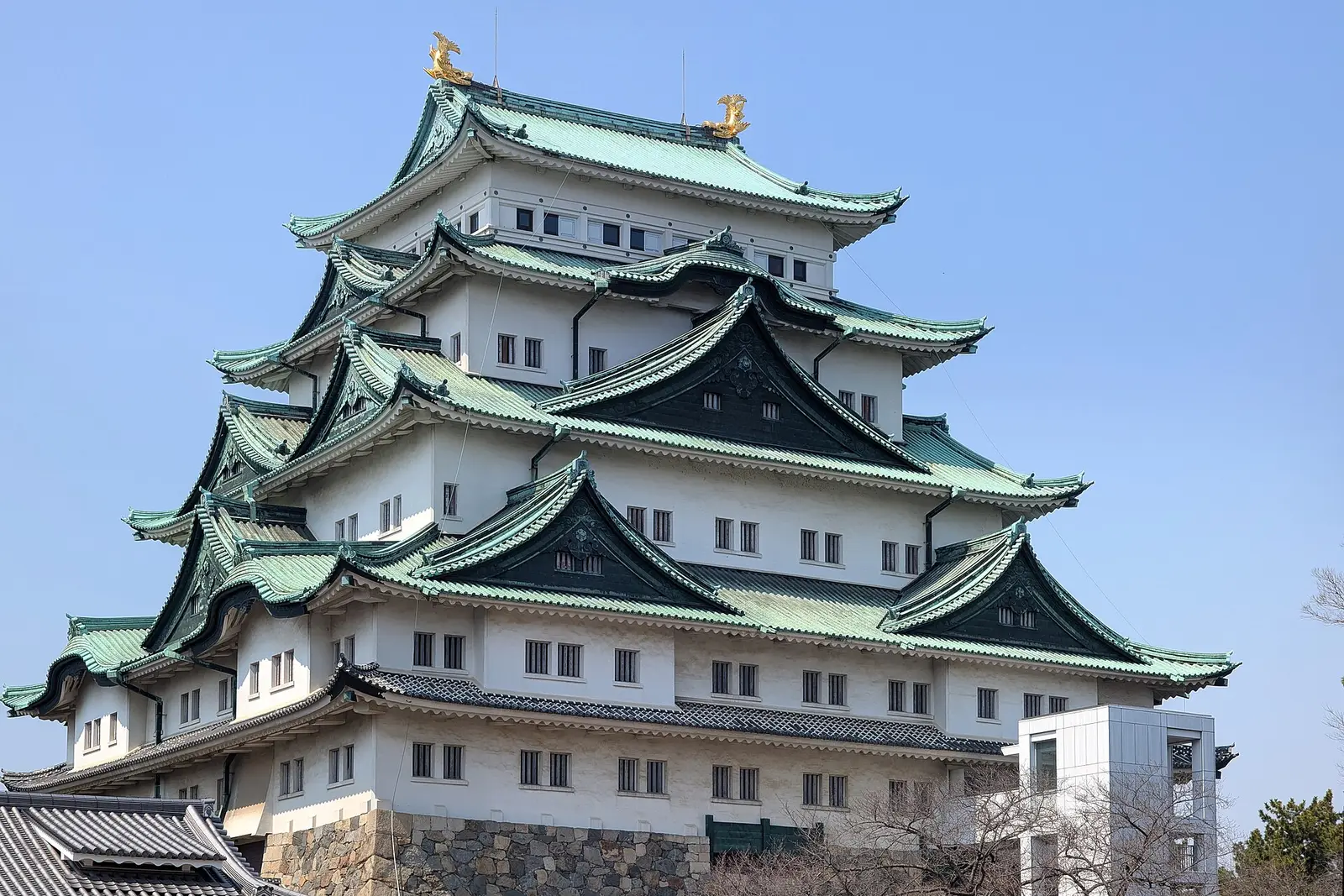
Nagoya Castle: Golden Dolphins and a Rebuilt Palace
The Tokugawa castle with golden roof ornaments. The keep is closed, but the rebuilt palace is the reason to go.
 NAGOYA3 min read
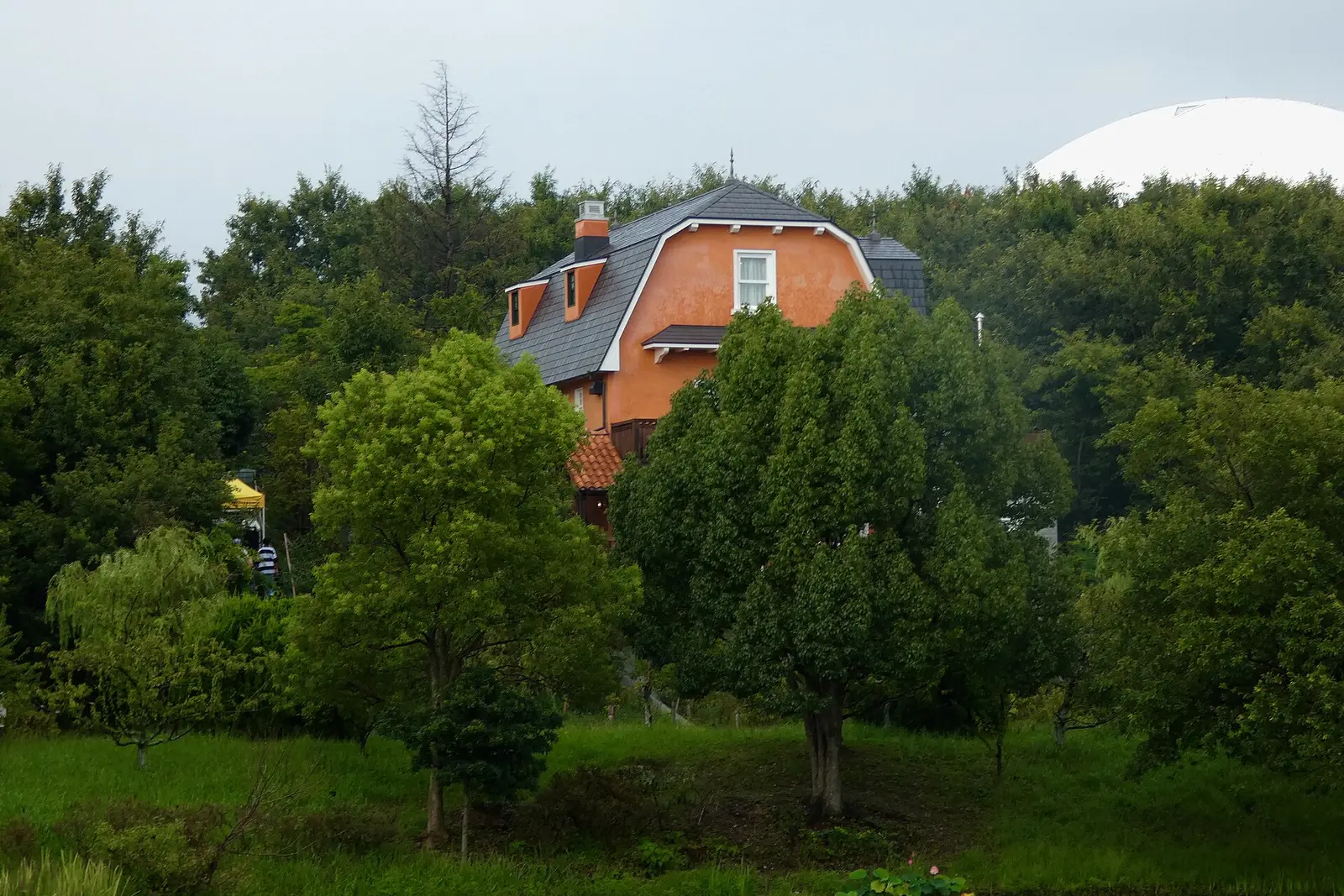
Ghibli Park: Tickets, Areas and How to Visit
The Studio Ghibli park outside Nagoya, where tickets must be booked well ahead. How the areas and tickets work.
 NAGOYA3 min read
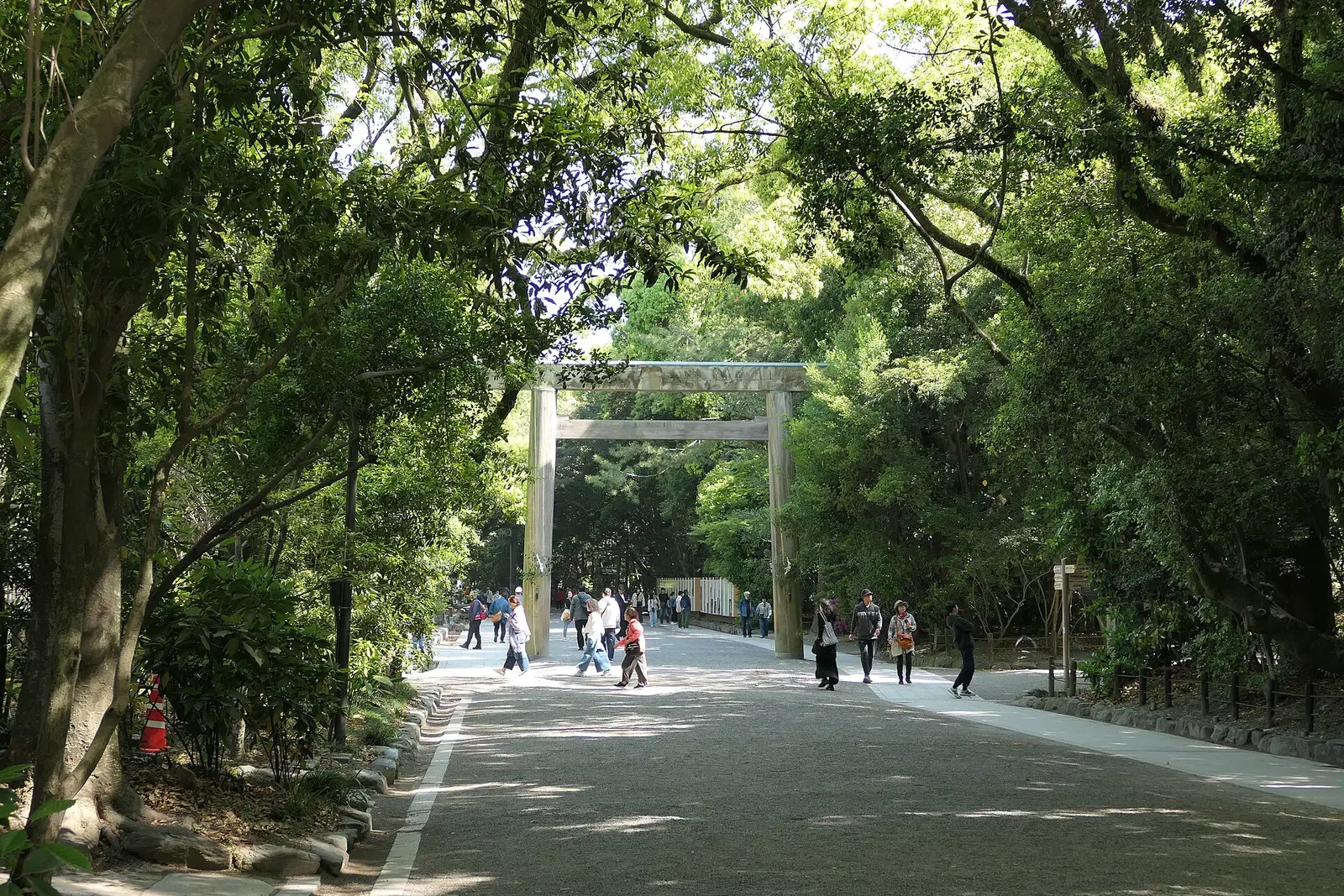
Atsuta Jingu: Nagoya's Great Shrine
One of Japan's most important shrines, in a forest in the city. Home of a sacred sword no one sees.