Destinations › Hokkaido › Sapporo
Hokkaido Jingu: Sapporo's Pioneer Shrine
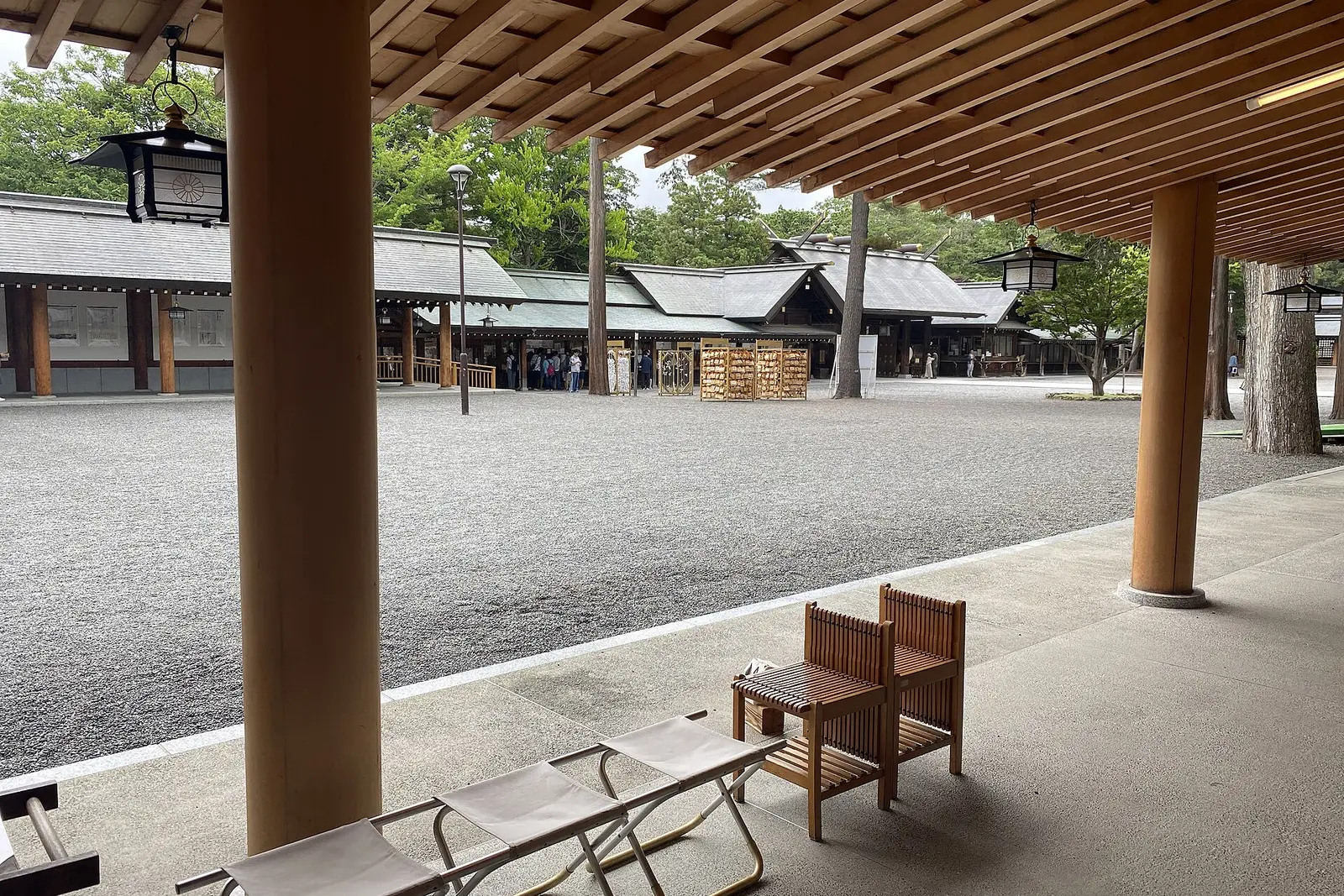
The name Hokkaido is only about 150 years old, and so is this shrine. It was built to watch over the people who came to develop the island. Today it is the best-known shrine in Hokkaido, set in tall trees a few subway stops from the city center.
Why the shrine is here
In 1869, the new Meiji government gave the island the name Hokkaido, which means "road of the northern sea." The same year, Emperor Meiji chose three guardian gods for the work of settling and developing it. In 1871, they were enshrined here, in a shrine first called Sapporo Jinja.
The three gods are Okunitama, the god of the land of Hokkaido and its natural riches; Onamuchi, who makes and develops the land; and Sukunahikona, a god of healing. The shrine says that nearly every plan to develop Hokkaido, except in the far south around Matsumae and Hakodate, began from this place. In 1964, Emperor Meiji was added as a fourth god. The name was changed to Hokkaido Jingu at that time.
The main buildings burned down in 1974. They were rebuilt and restored in 1978, so what you see is not a very old building. The setting, though, is lovely. The shrine sits among tall trees, and this is a quiet place to walk even though Sapporo's center is not far away.
What to see
Start at the big torii gate and follow the approach. Walk along the side of the path, not the middle. The center is kept for the gods. Take your photos of the gate from the side, too.
At the water basin, there is a short routine, which is explained below. After that, the main hall is straight ahead. Nearby, you can buy a lucky charm (omamori) and write a wish on a wooden plaque (ema). The shrine is also said to be one of the best places in northern Japan to see cherry blossoms in spring.
How to pray
The shrine's own guide has three steps:
1. Wash your hands and rinse your mouth at the stone basin. 2. Go to the main hall and put some money in the offering box. 3. Bow twice, clap your hands twice, and bow deeply once more.
You may also see families here. Parents bring babies for a first blessing, take children aged three, five and seven to give thanks for their health, and young people come at age 20 to mark adulthood. You do not have to pray, and nobody will mind if you just look around quietly. Please keep your voice low.
The June festival
The biggest day of the year is the main festival, held from June 14 to 16. The shrine calls it the largest festival in Hokkaido, with about one million people coming. A smaller shrine on the grounds, the Kaitaku Shrine, honors 34 people who helped develop Hokkaido. Its festival is on August 15. Other dates include New Year's Day, the bean-throwing day on February 3, and a Meiji Festival on November 3. On the 1st, 10th, 15th and 20th of every month, there is also a short prayer service at 10:00.
Hours and getting there
The shrine gate is open at these times:
- April 1 to October 15: 6:00 to 17:00
- October 16 to 31: 6:00 to 16:30
- November 1 to February 14: 7:00 to 16:00
- February 15 to March 31: 7:00 to 16:30
From Sapporo Station, the subway takes two minutes to Odori Station. Change there to the Tozai Line, and ride seven minutes to Maruyama-koen Station. From there, it is about a 15-minute walk. You can also take a bus to the Jingu-mae stop, which is about one minute from the shrine.
Nearby
Maruyama Park and Maruyama Zoo are both close to the shrine. Back in the center, Odori Park and the Sapporo Clock Tower are the next stops, and both are near Odori Station. If you like early Sapporo history, the Clock Tower was finished in 1878, only a few years after the shrine was first built.
More on Sapporo
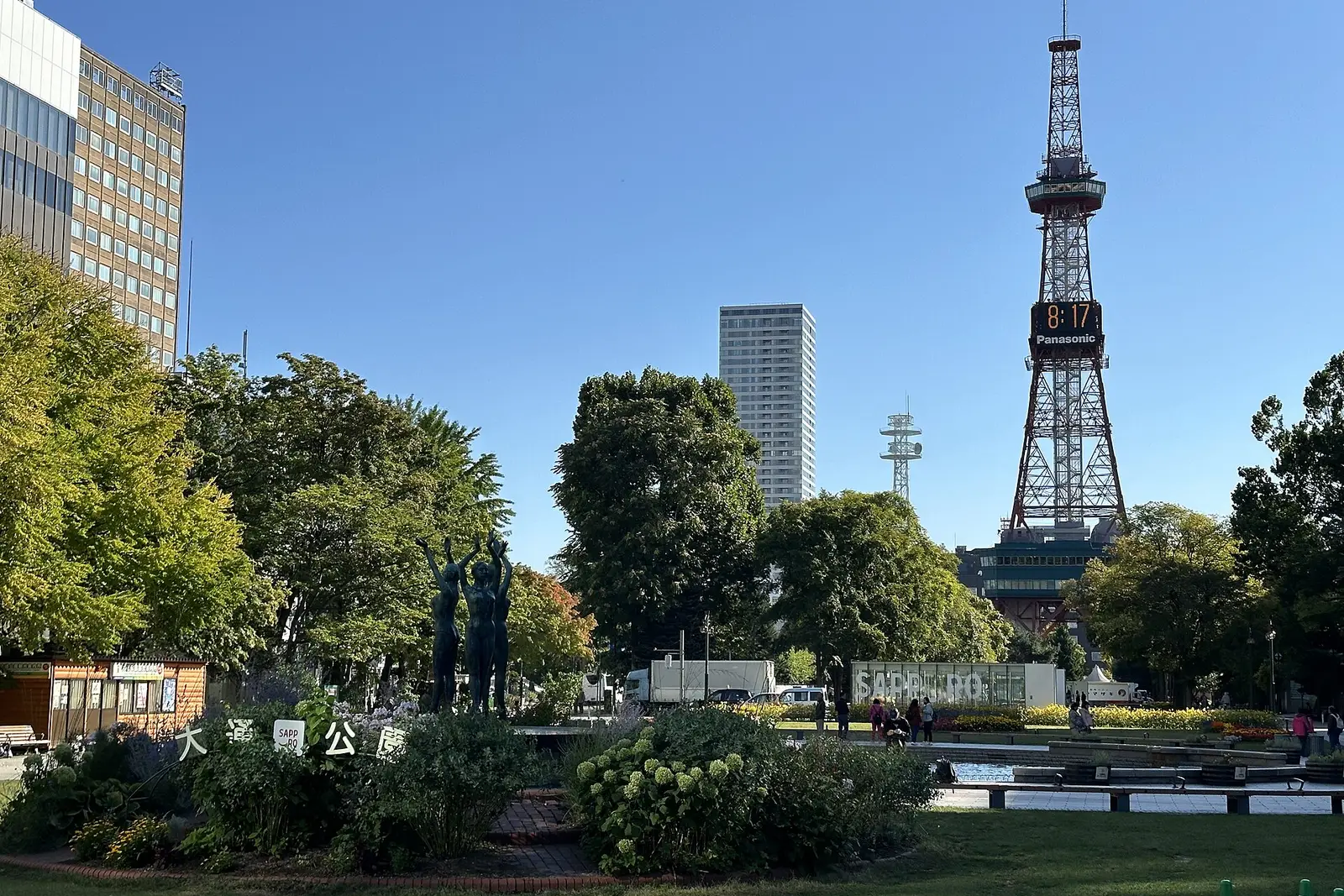 SAPPORO3 min read
Odori Park: Sapporo's Green Spine
A 1.5 km strip of green through the middle of Sapporo, with a festival for almost every season.
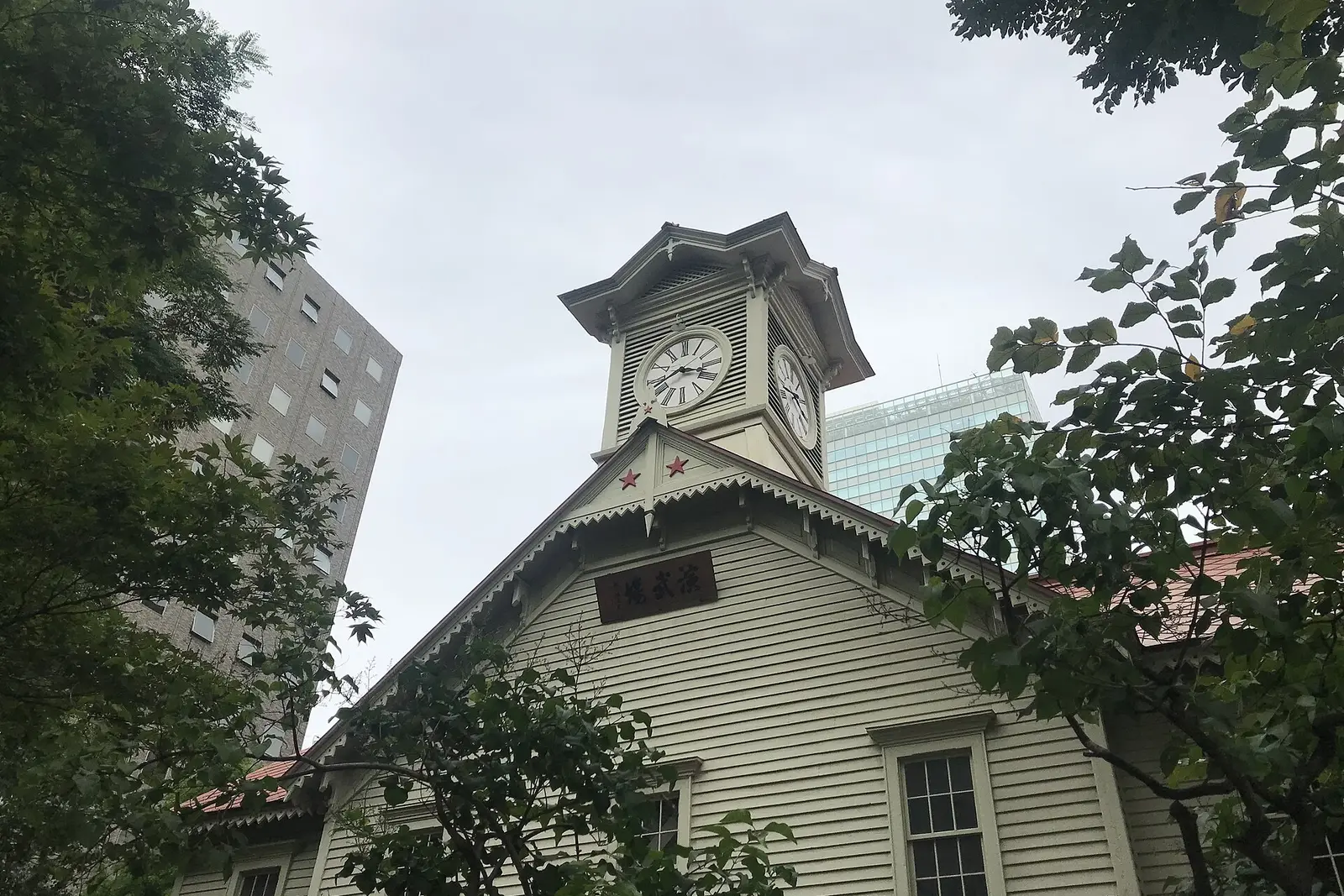 SAPPORO3 min read
Sapporo Clock Tower: A Wooden Clock from 1881
A white wooden building from 1878, with an American clock that still keeps time without electricity.
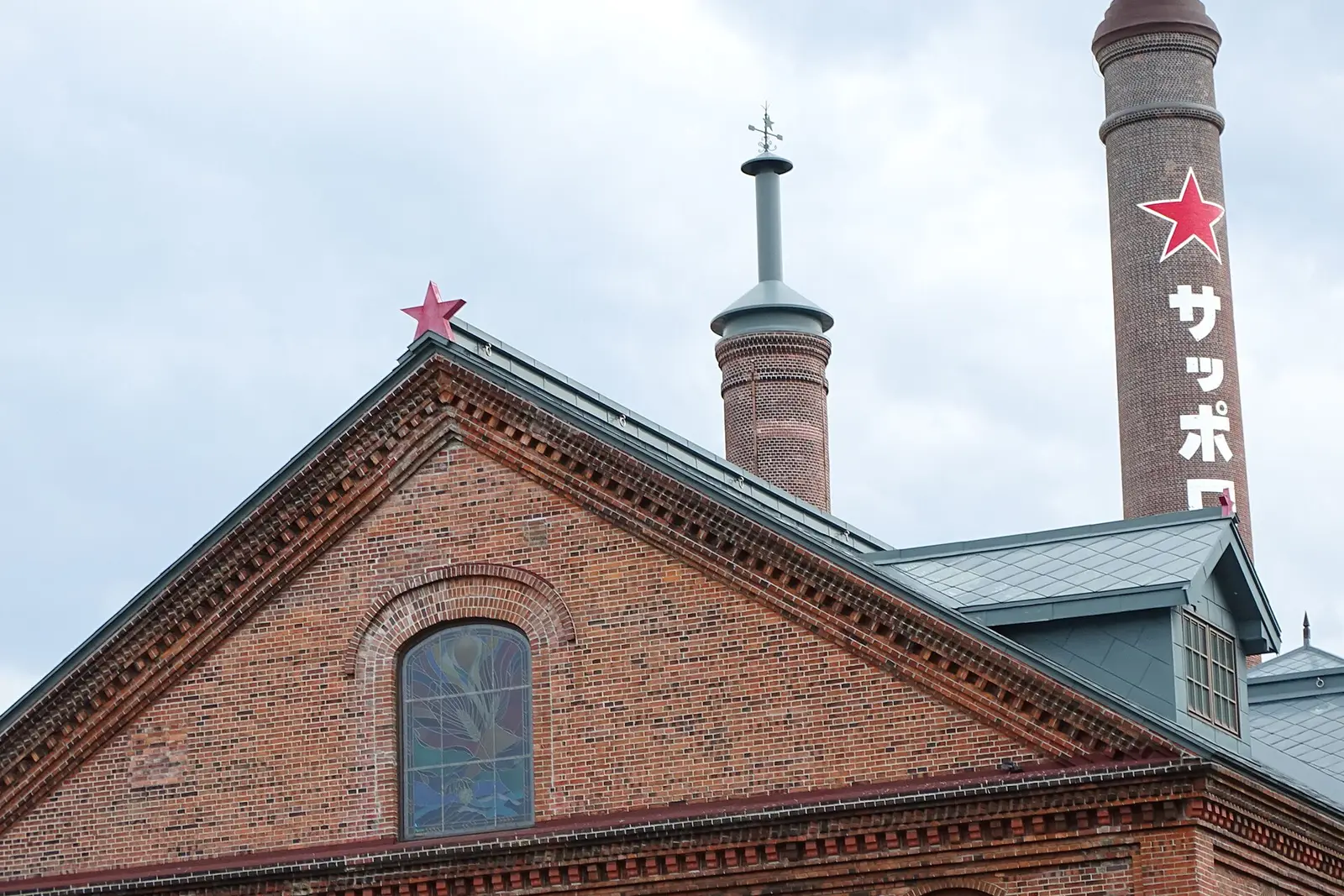 SAPPORO3 min read
Sapporo Beer Museum: Where Japanese Beer Began in Hokkaido
A red-brick museum on the story of Sapporo Beer, with an English audio guide and a tasting hall at the end.