Destinations › Hokkaido › Sapporo
Odori Park: Sapporo's Green Spine
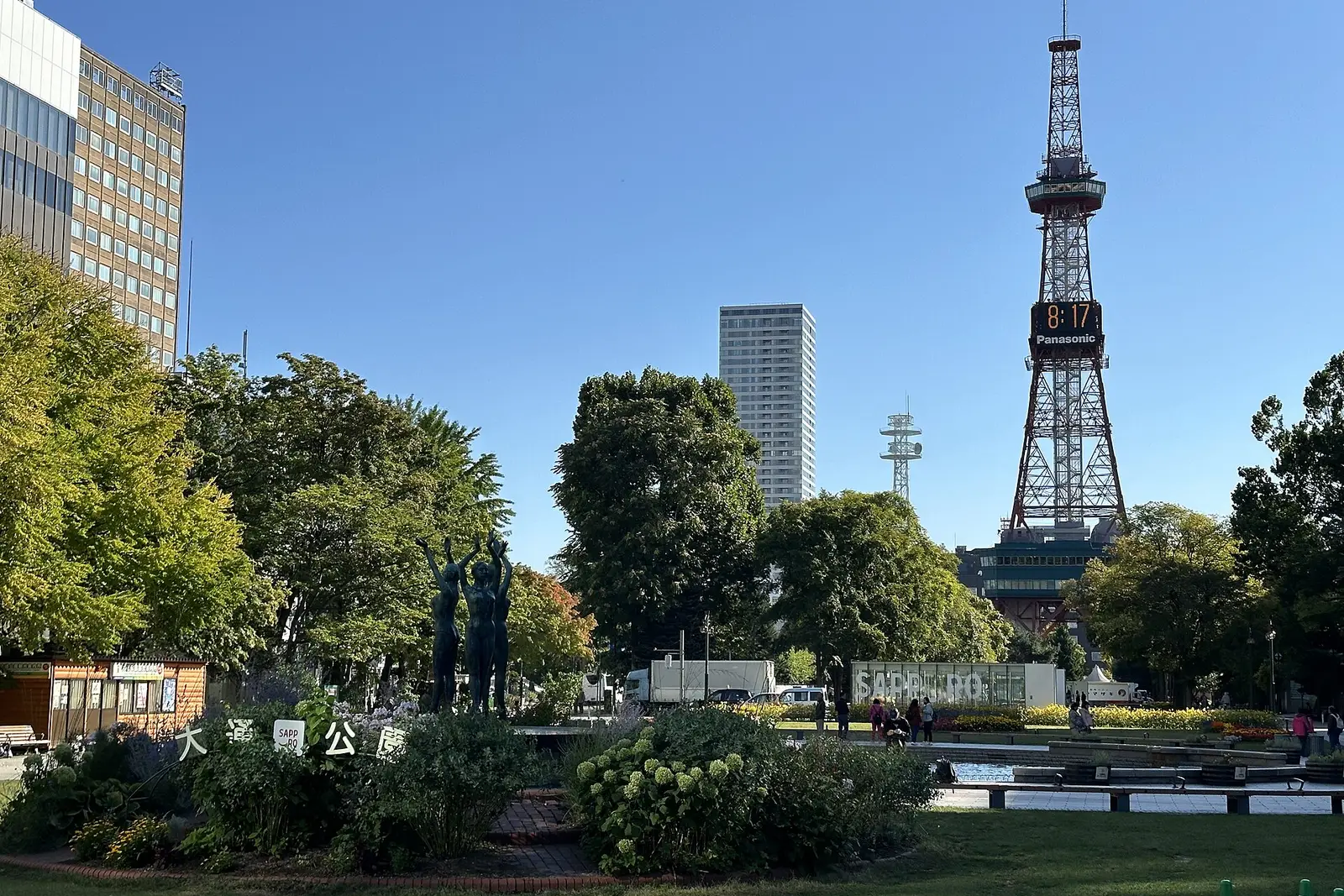
Sapporo is built on a grid, and Odori Park is its center line. It is a long, wide strip of lawns, flower beds and fountains. It is where the city gathers for snow sculptures in winter and beer in summer.
A firebreak that became a park
Odori Park is about 1.5 kilometers long and covers about 7.8 hectares. It has around 4,700 trees of 92 kinds. Odori means "large street," and that is how it started.
In 1869, the Japanese government set up an office to develop Hokkaido, and it laid out Sapporo on a grid. In 1871, it cut a wide firebreak across the town. The government offices stood to the north of it. The homes and shops stood to the south. That empty strip is today's park.
In 1909, a landscape designer named Nagaoka Yasuhei was brought in from Tokyo to plan it as a place to stroll. During World War II, the land was turned into fields to grow food. After the war, it was made into a green park again.
How the park is laid out
The park is split into 12 blocks. Each one is called a chome, and they are numbered from West 1 to West 12. Odori Station, where three subway lines meet, sits under the middle blocks. Exit 27 comes up at 1-chome, exit 5 at 4-chome, and exit 2 at 5-chome. Another station, Nishi-11-chome, is at the far end.
So you can start anywhere and just walk. Every block has benches and a different mix of flowers, fountains and art. From mid-April to mid-October, small wagons sell corn on the 3-chome and 4-chome blocks.
A festival for every season
Each season has its own event here.
- Winter: The Sapporo Snow Festival began in 1950, when students built six snow sculptures on this spot. Large ones started in 1953. Today there are over 200 sculptures on Odori alone, and about two million people come. The next festival runs from February 4 to 11, 2027.
- Spring: The Lilac Festival is held in May. In 2024 it ran from May 15 to 26, with free lilac seedlings on the first day and a garden serving Hokkaido wine.
- Summer: The Sapporo Summer Festival has run since 1954. It turns six blocks into a beer garden. In 2024 it had over 10,000 seats, and the organizers call it the largest in Japan.
- Late autumn: The Munich Christmas Market starts on November 20 in 2026 and runs until December 25. It is open from 11:00 to 21:00 on the 1-chome and 2-chome blocks. It began in 2002 to mark Sapporo's friendship with Munich. Expect mulled wine, sausages and Christmas ornaments. White Illumination lights also start on November 20.
The fountains are turned off in the cold months. In 2026, they stopped on October 20.
Sapporo TV Tower
The red-and-green tower at West 1-chome opened in 1957. Its observation deck is 90 meters up. Adults pay ¥1,200, and elementary and junior high students pay ¥600. Younger children are free. Buy tickets at the counter on the 3rd floor. The night view is certified as a Japanese Night View Heritage site, so try to go after dark.
Tips for visiting
Walk from west to east, so the tower is ahead of you at the end. The park has a tourist information center from late April to late October. It is open 9:00 to 18:00 in July and August, and 9:30 to 17:30 in the other months. Food and drink at festivals are paid, so bring cash or a card. Check the dates before you plan a trip around an event, because they change a little each year.
Nearby
The Sapporo Clock Tower is a five-minute walk from Odori Station. Hokkaido Jingu shrine is a short subway ride west on the Tozai line. For beer, ride the Toho line to Higashi-Kuyakusho-mae Station, then walk about 10 minutes to the Sapporo Beer Museum. And Otaru, with its canal, is as little as 32 minutes from Sapporo Station by train.
More on Sapporo
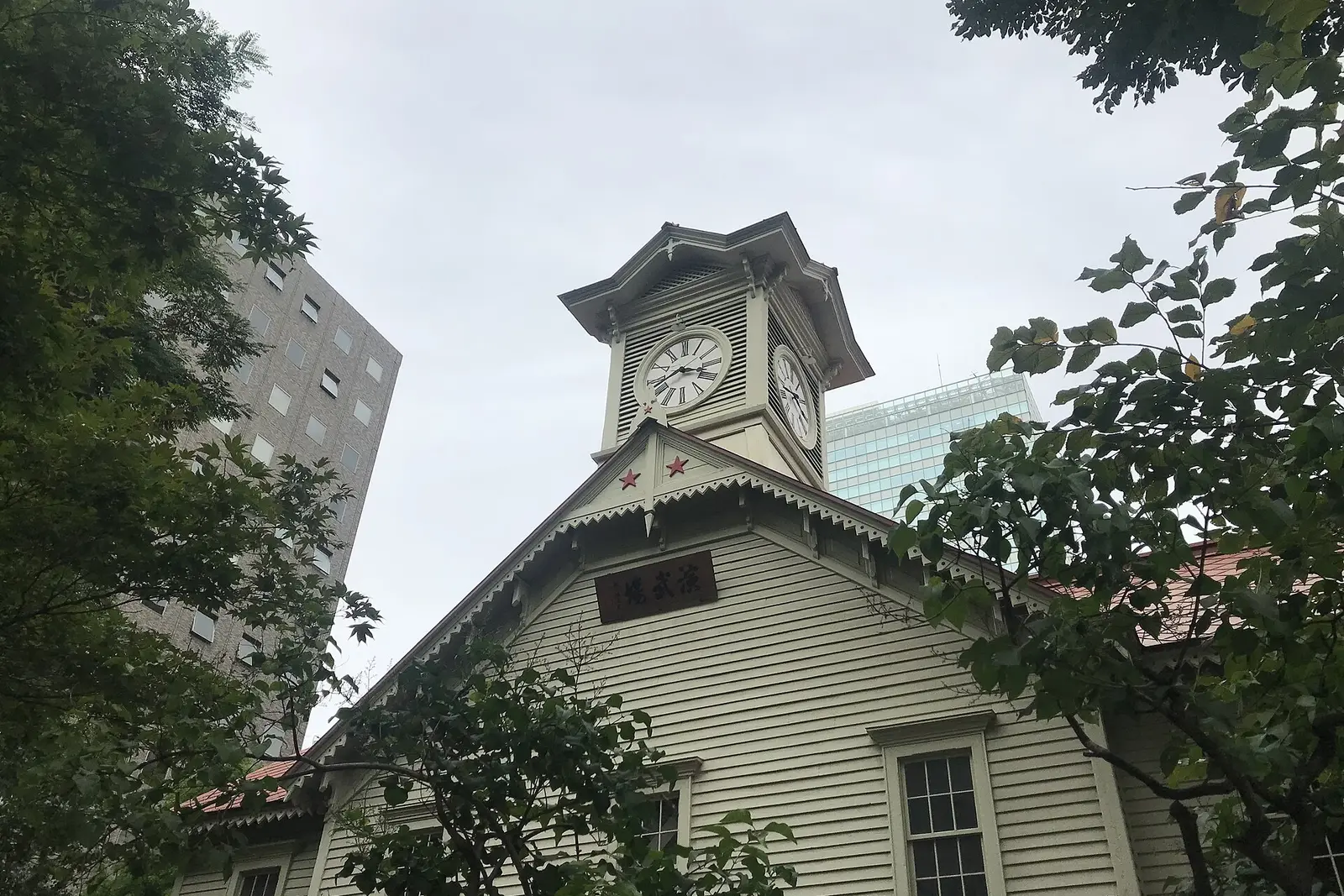 SAPPORO3 min read
Sapporo Clock Tower: A Wooden Clock from 1881
A white wooden building from 1878, with an American clock that still keeps time without electricity.
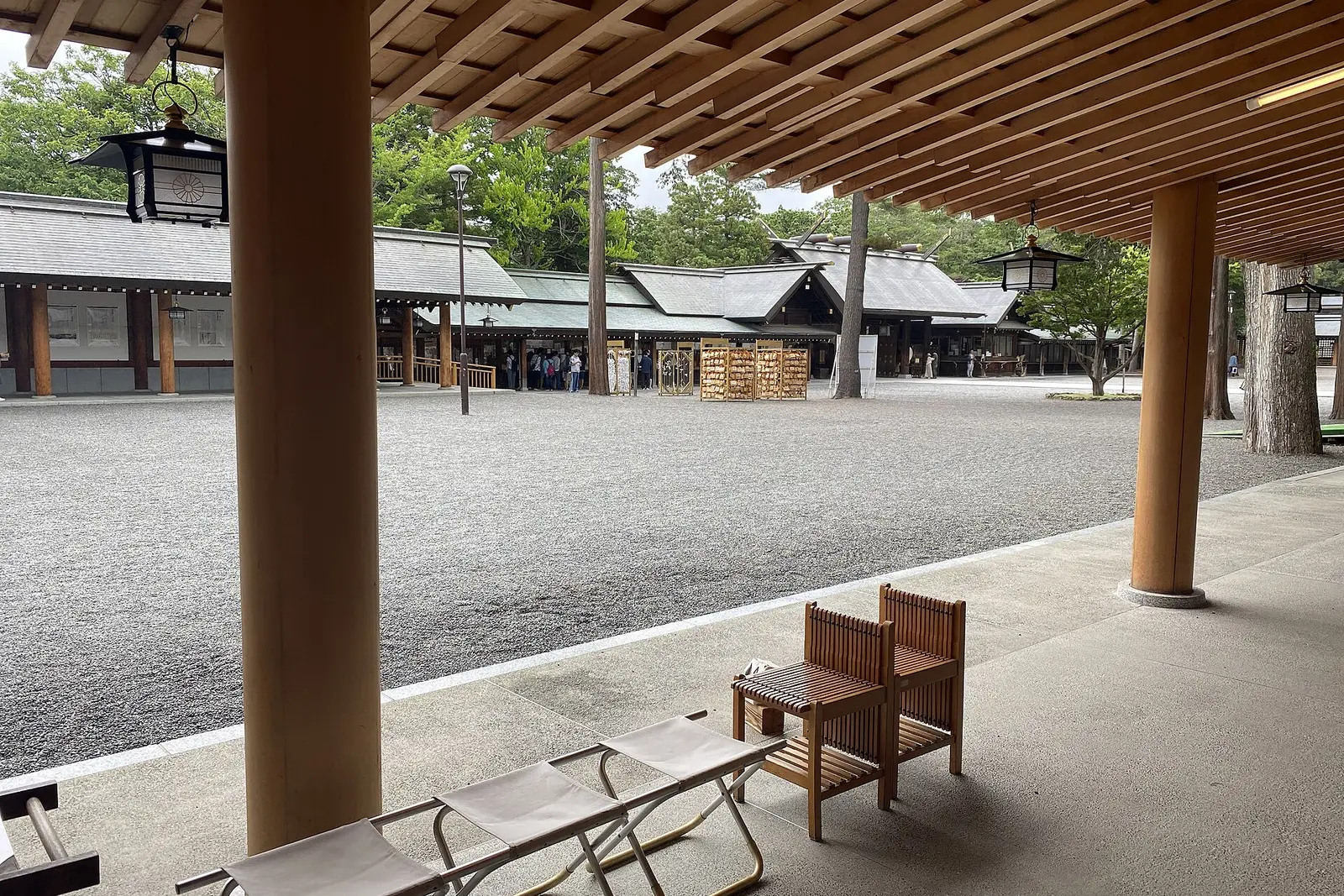 SAPPORO3 min read
Hokkaido Jingu: Sapporo's Pioneer Shrine
The main shrine of Hokkaido, set in tall trees at the edge of Sapporo's center. Hours, manners and the June festival.
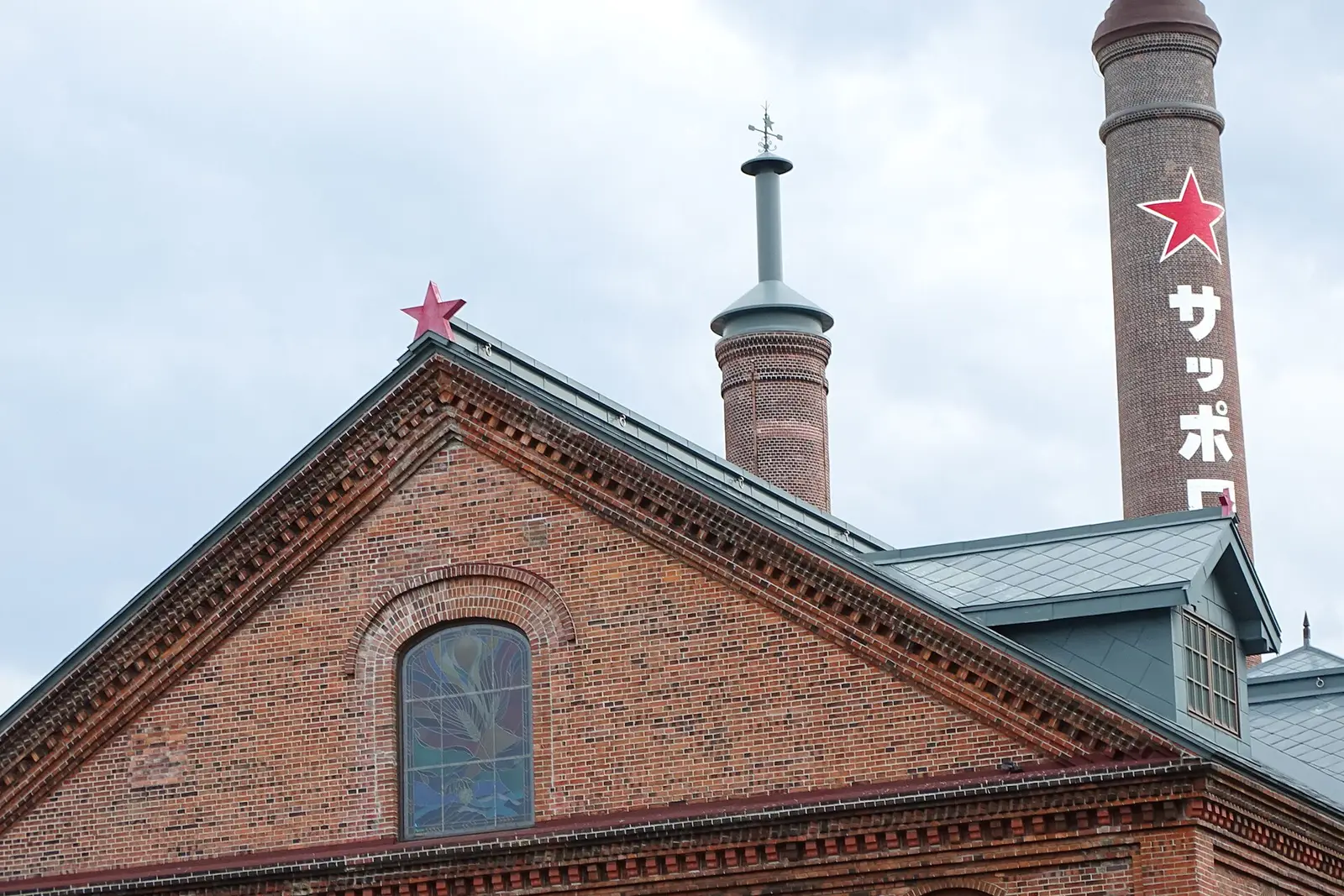 SAPPORO3 min read
Sapporo Beer Museum: Where Japanese Beer Began in Hokkaido
A red-brick museum on the story of Sapporo Beer, with an English audio guide and a tasting hall at the end.