Destinations › Hokkaido › Sapporo
Sapporo Clock Tower: A Wooden Clock from 1881
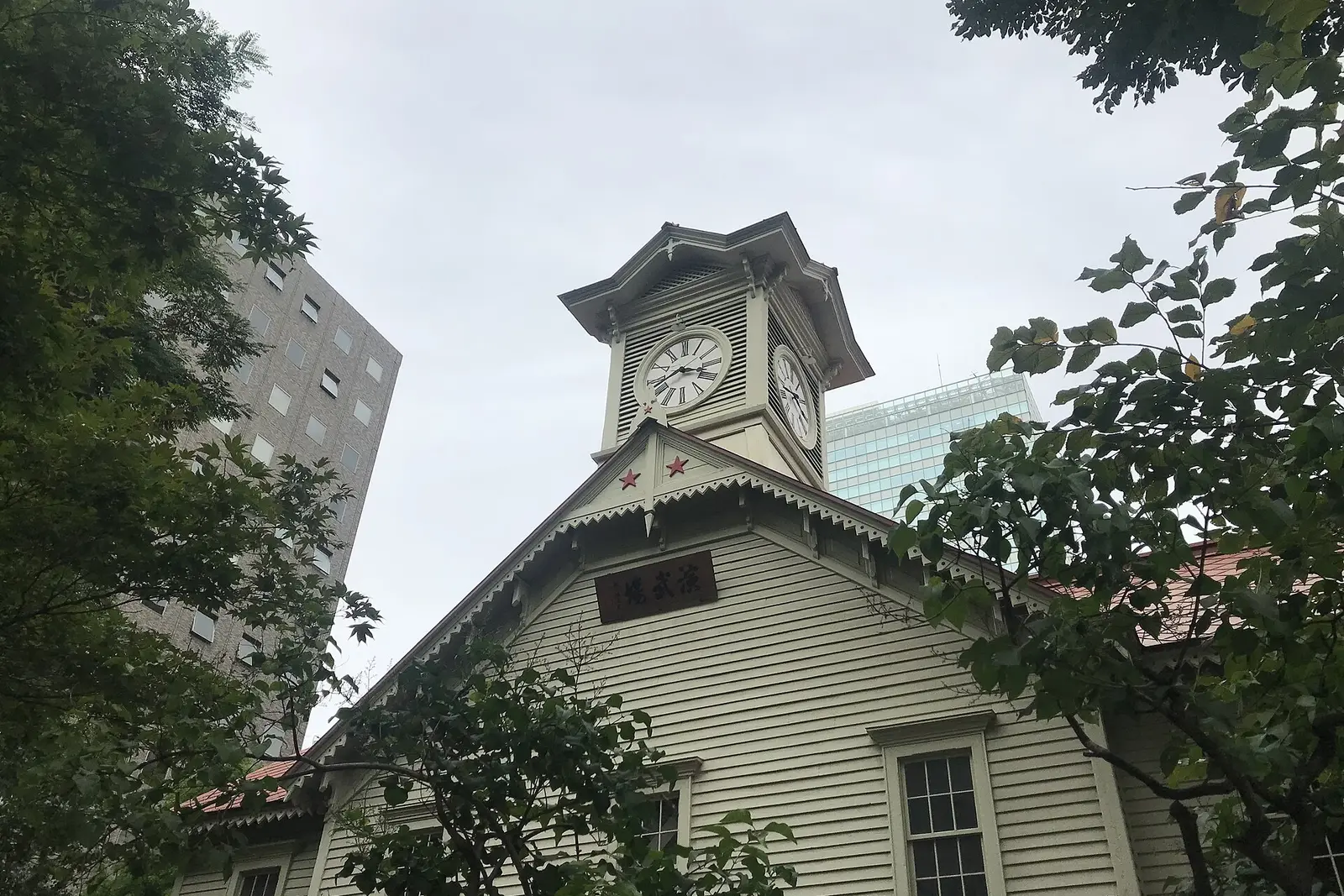
In the middle of Sapporo's office towers, a small white wooden building stands with a clock on its roof. It was built as a school gym in 1878. The clock has been ticking since 1881, and it still runs without electricity.
From a school gym to a city symbol
The Clock Tower was finished on October 16, 1878, as the drill hall of the Sapporo Agricultural College, which is now Hokkaido University. It was designed by Ando Yoshiyuki, an engineer with the Hokkaido Development Commission. The plan came from William Wheeler, an American teacher at the college.
The ground floor held classrooms, labs, and rooms for specimens. The second floor was a hall for military drills, gym class, and school ceremonies. A small bell on the roof told students when class started and ended.
The college is linked with William S. Clark, the American teacher who helped set up its courses. But he had already left in 1877, a year before this hall was built, so he never taught here. The simple wooden style of the building resembles American houses of the Midwest and West.
The clock
The clock was ordered from the United States in 1878. It arrived in 1879, but it was too big for the little bell tower, so the building had to be changed to fit it. It began telling the time to the town on August 12, 1881.
In 1888, it became Sapporo's standard clock. Its bell could be heard across the city, and people called it the "big clock of the Agricultural College." The name Clock Tower became common later, in the Taisho era.
The clock has no motor and no battery. A heavy weight drives it, and staff wind the weight by hand twice a week. Apart from small wearing parts, its parts have not been replaced in more than 120 years. The bell strikes every hour, day and night.
Look for the red stars on the building. There are 17 of them. They are the symbol of the Hokkaido Development Commission, based on the North Star.
How it was saved
In 1906, the city bought the building and moved it, with the clock tower attached, to make room for a road. Later, the city began to protect it. In 1961, it became Sapporo's first designated cultural property. In 1970, it was named a National Important Cultural Property. In 1996, it was chosen by the Environment Agency as one of the "100 Soundscapes of Japan." In 2009, the clock was certified as a Mechanical Engineering Heritage item by the Japan Society of Mechanical Engineers. Today, the building is a small museum and a cultural venue.
What to see inside
On the first floor, a small exhibition tells the story of the building and its clock. On the second floor is the old hall, with a wooden ceiling frame and rows of wooden chairs. It looks much like a lecture hall from the early 1900s. On certain days, there is a clock-winding demonstration at 10:30. On the first Monday of each month, the Clock Tower stays open until 20:00. (If that Monday is a holiday, it moves to the next day.)
Tips for visiting
Be ready for a small building. Most people spend half an hour at most. The best photo is from the street outside, where the white wall and red stars stand out against the tall buildings behind. Come just before the hour if you want to hear the bell.
Sapporo residents get in free on the 16th of each month. The second-floor hall is also rented out for events, and its schedule is posted on the official website. Food and drink are not allowed inside.
Nearby
Odori Park is a few steps south, and the Sapporo TV Tower stands at its eastern end. The Clock Tower is about a 10-minute walk from the south exit of JR Sapporo Station. Hokkaido Jingu shrine is a short subway ride west.
More on Sapporo
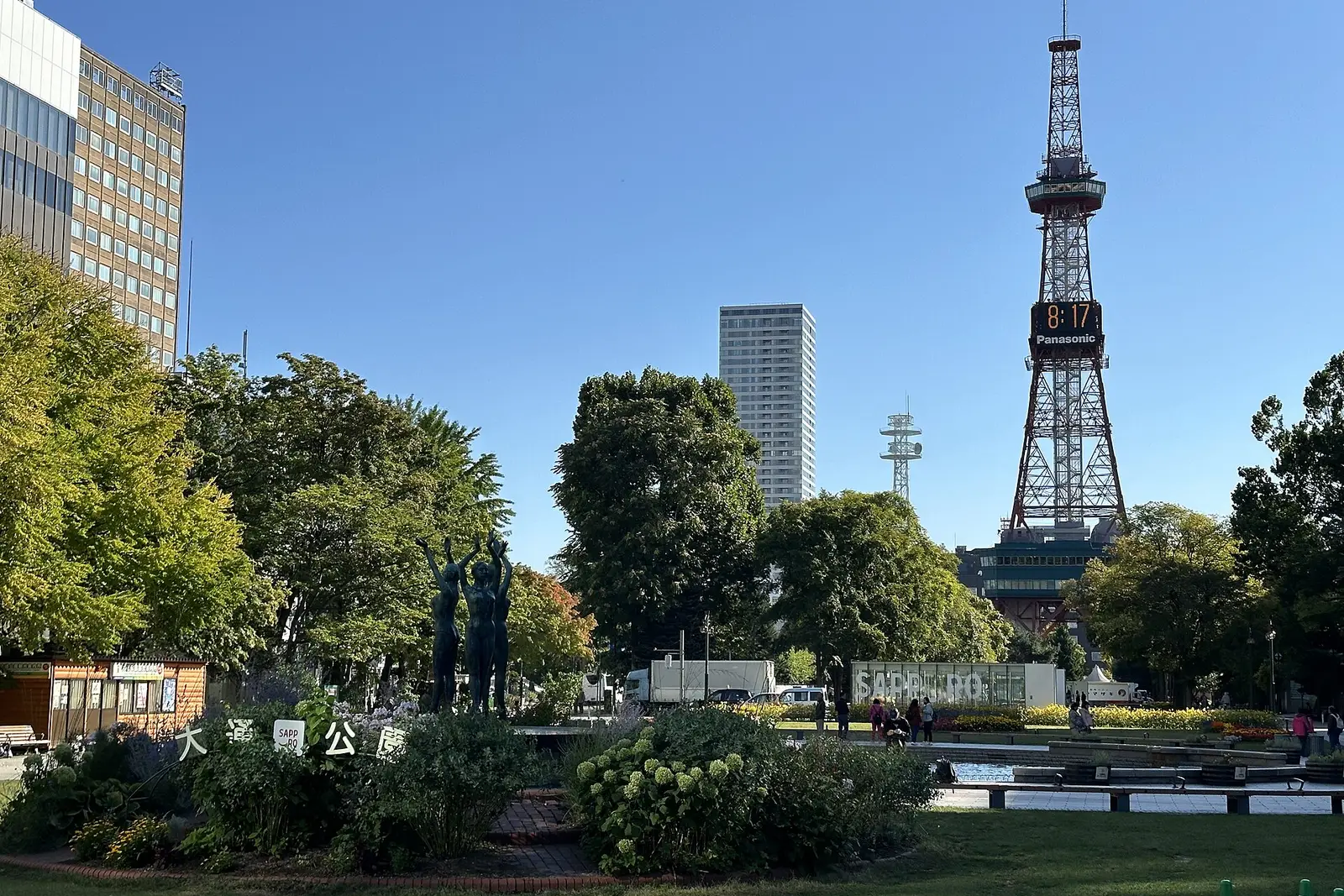 SAPPORO3 min read
Odori Park: Sapporo's Green Spine
A 1.5 km strip of green through the middle of Sapporo, with a festival for almost every season.
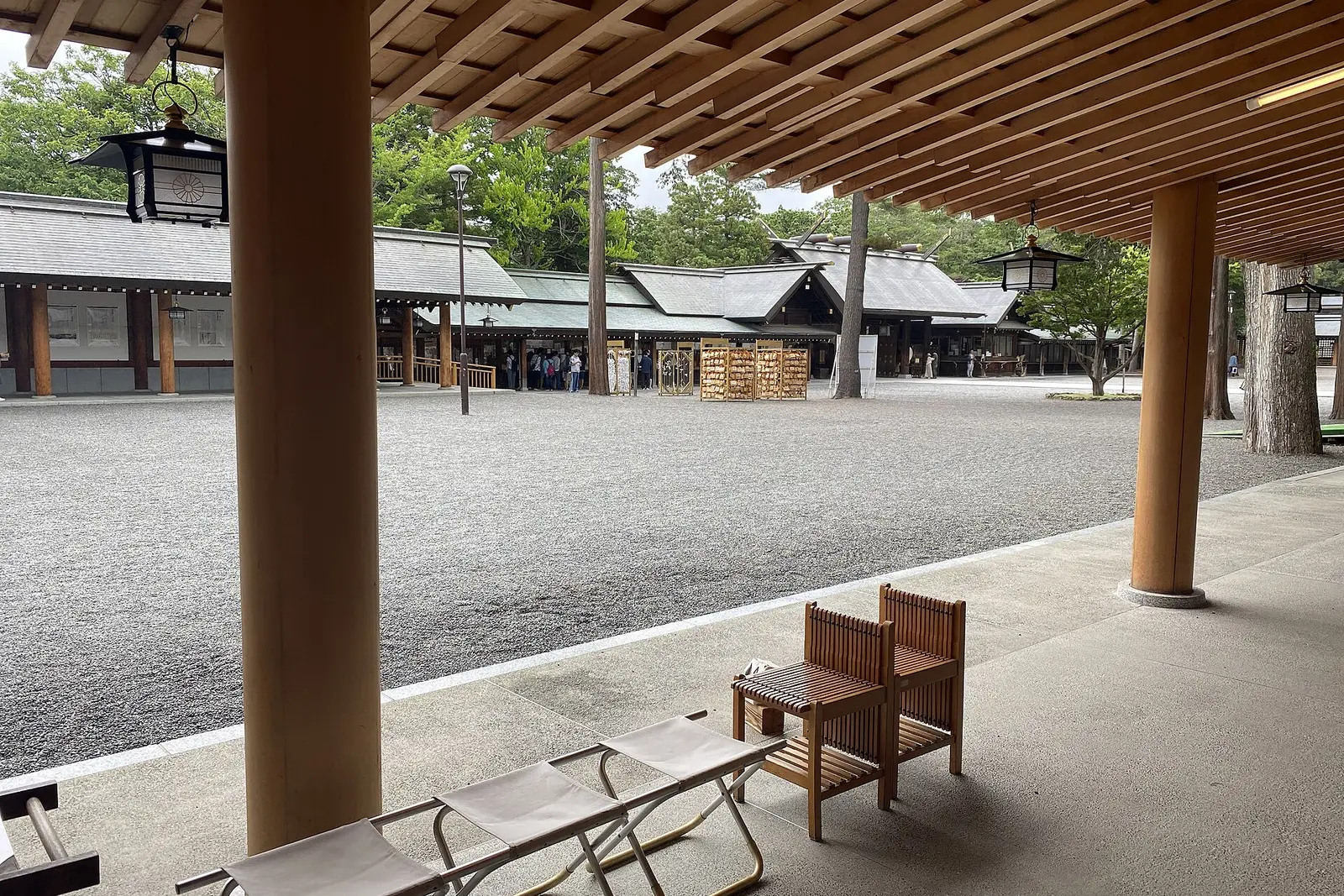 SAPPORO3 min read
Hokkaido Jingu: Sapporo's Pioneer Shrine
The main shrine of Hokkaido, set in tall trees at the edge of Sapporo's center. Hours, manners and the June festival.
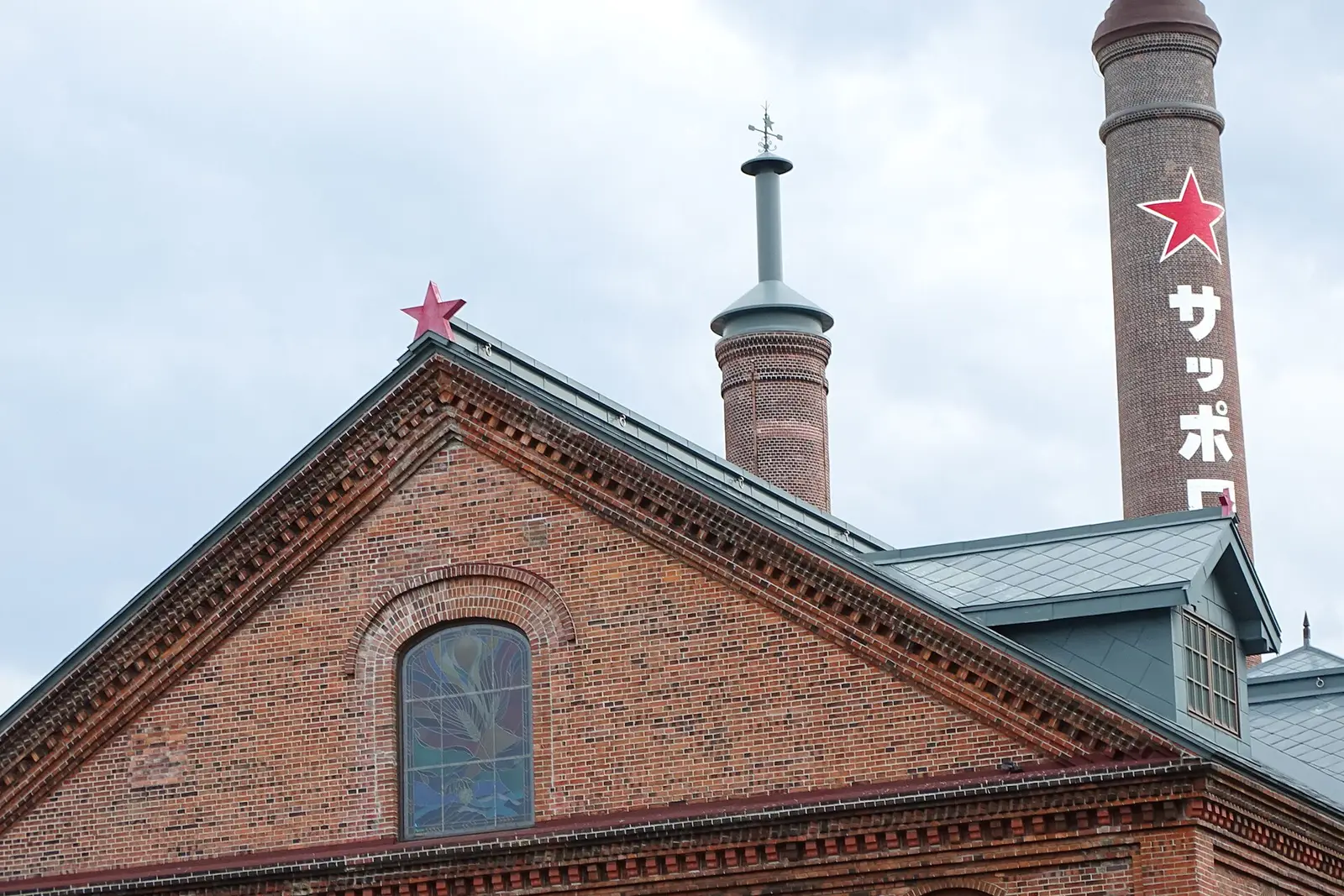 SAPPORO3 min read
Sapporo Beer Museum: Where Japanese Beer Began in Hokkaido
A red-brick museum on the story of Sapporo Beer, with an English audio guide and a tasting hall at the end.