Destinations › Tokyo › Shinjuku
Golden Gai: Shinjuku's Maze of Tiny Bars
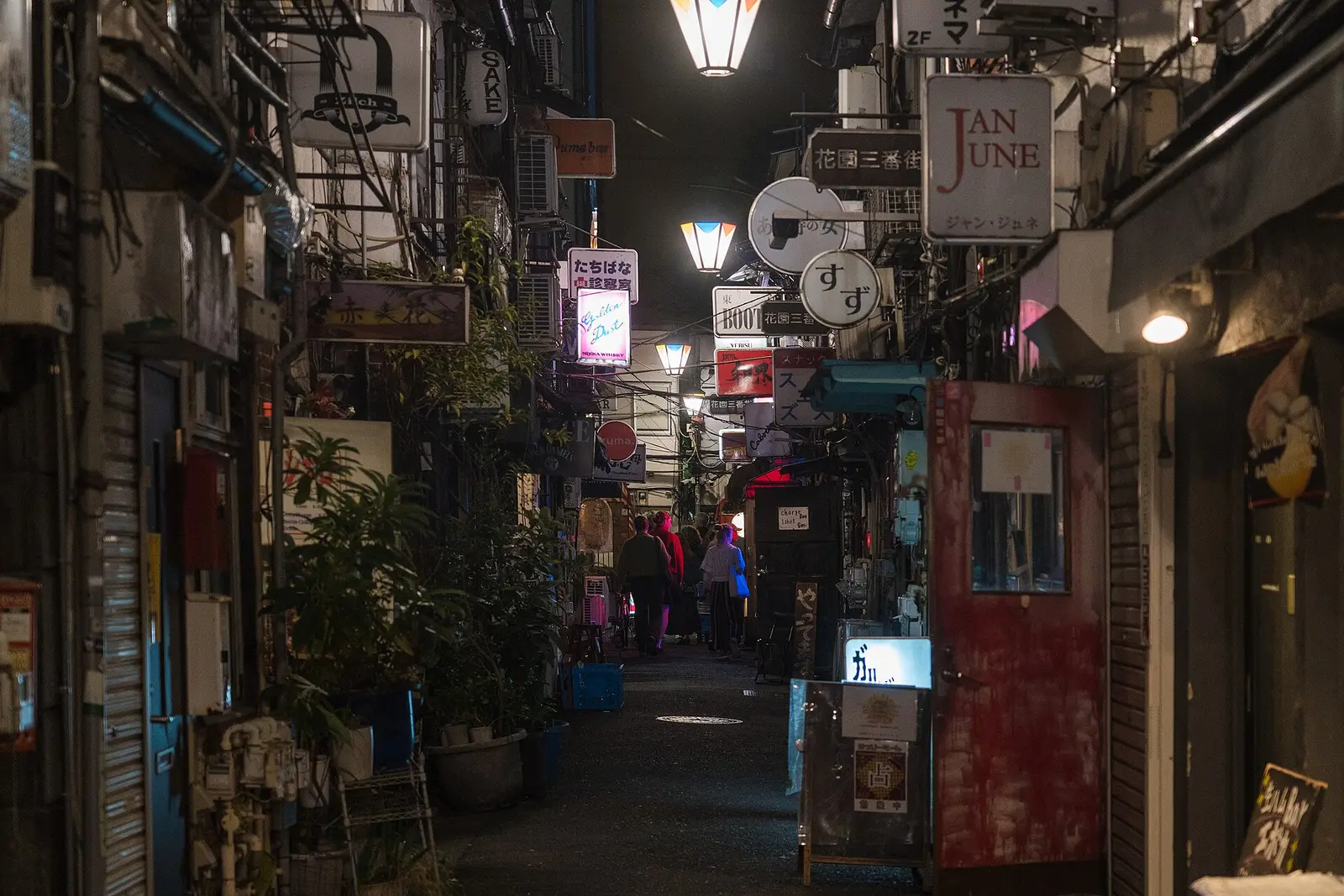
Imagine a whole neighborhood of bars where each one is the size of a small kitchen. That is Golden Gai, a few narrow lanes in the middle of Shinjuku. At night, small signs glow above the doors, and each door leads to a different bar with its own owner and its own rules.
What Golden Gai is
Golden Gai is a small group of lanes lined with about 290 tiny bars. Many seat only a handful of guests, so a few customers fill the room. The district is part of Kabukicho, and its address is Kabukicho 1-chome. The area is also called Hanazono-gai, and you will see that name on signs in the lanes.
Every bar has its own owner and its own atmosphere. A few welcome visitors from abroad and put a menu with English prices outside the door. Others are for regulars. The association says that foreign tourists have made Golden Gai a popular spot, so you will not be the only visitor.
Built by people rebuilding their lives
According to the local shopping association, Golden Gai was built after World War II by people who were trying to rebuild their lives. It has not been redeveloped, and it has carried on to the present day. The association was founded in 1969, and it looks after the area today.
You can still see this in the layout today. The lanes are narrow, and the bars sit close together.
How to choose a bar
Walk the lanes first. Look at the signs on the doors, which often show prices or whether a bar welcomes visitors. A sign with English text or a price list is a good clue. If you do not see one, you can still ask politely, but expect that some bars are meant for regulars.
Many bars charge a cover charge per person, which is added to your drinks. Look for it on the sign, and ask before you order if you cannot find it. Bring some cash in case a bar does not take cards. The association's website also has a list of its member bars.
If a bar has no room for your group, move on. Groups of two or three work best. Six people will not fit into most of these bars, so split up and meet again later.
Hours, manners and photos
The association describes business hours as roughly 7 pm to 5 am. Many bars open in the evening and some close on Sundays, but each owner decides.
Settle in for one or two drinks, talk to the owner or the people next to you, then try another bar. Keep your voice down when you are in the lane, because people work and live close by. The association's filming rules also say no smoking and no eating on the lanes, and that is a good rule for every visitor.
Events. The association also runs events through the year. At its spring Sakura Festival in 2025, taking part bars skipped the cover charge and sold drinks for ¥500 each, and visitors could collect stamps for a small prize. Not every bar joins in. Check the association's website for the dates of the next event.
Photos. The lanes are private roads, and the association says that photography and filming on them needs its permission. Its site does not say how this applies to quick snapshots by visitors, and many people do take them. To be safe, keep it brief, do not use a tripod, do not block a doorway, and ask before you photograph a bar or the people inside.
Getting there. Golden Gai is in Kabukicho, northeast of Shinjuku Station. Use a map app and search for "Golden Gai" or the address, 1-1-6 Kabukicho.
Nearby
Kabukicho's neon streets are right beside the lanes. On the west side of the station, Omoide Yokocho is a similar old drinking lane with grilled skewers. For a daytime change of pace, Shinjuku Gyoen is a short ride away.
More on Shinjuku
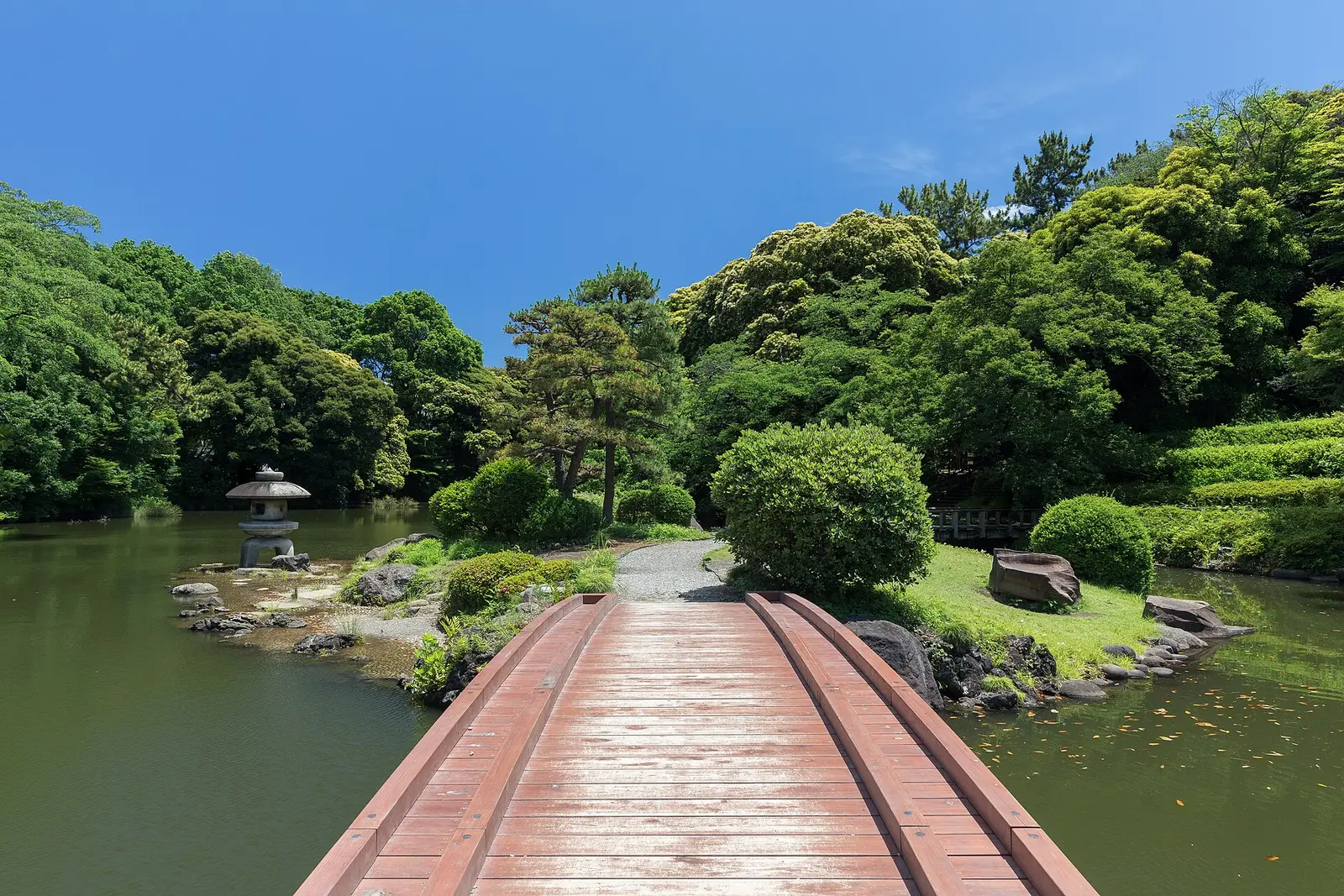 SHINJUKU3 min read
Shinjuku Gyoen: Three Gardens in One Park
A huge garden with three styles in one, a few minutes from Shinjuku's towers. Hours, prices and the rules.
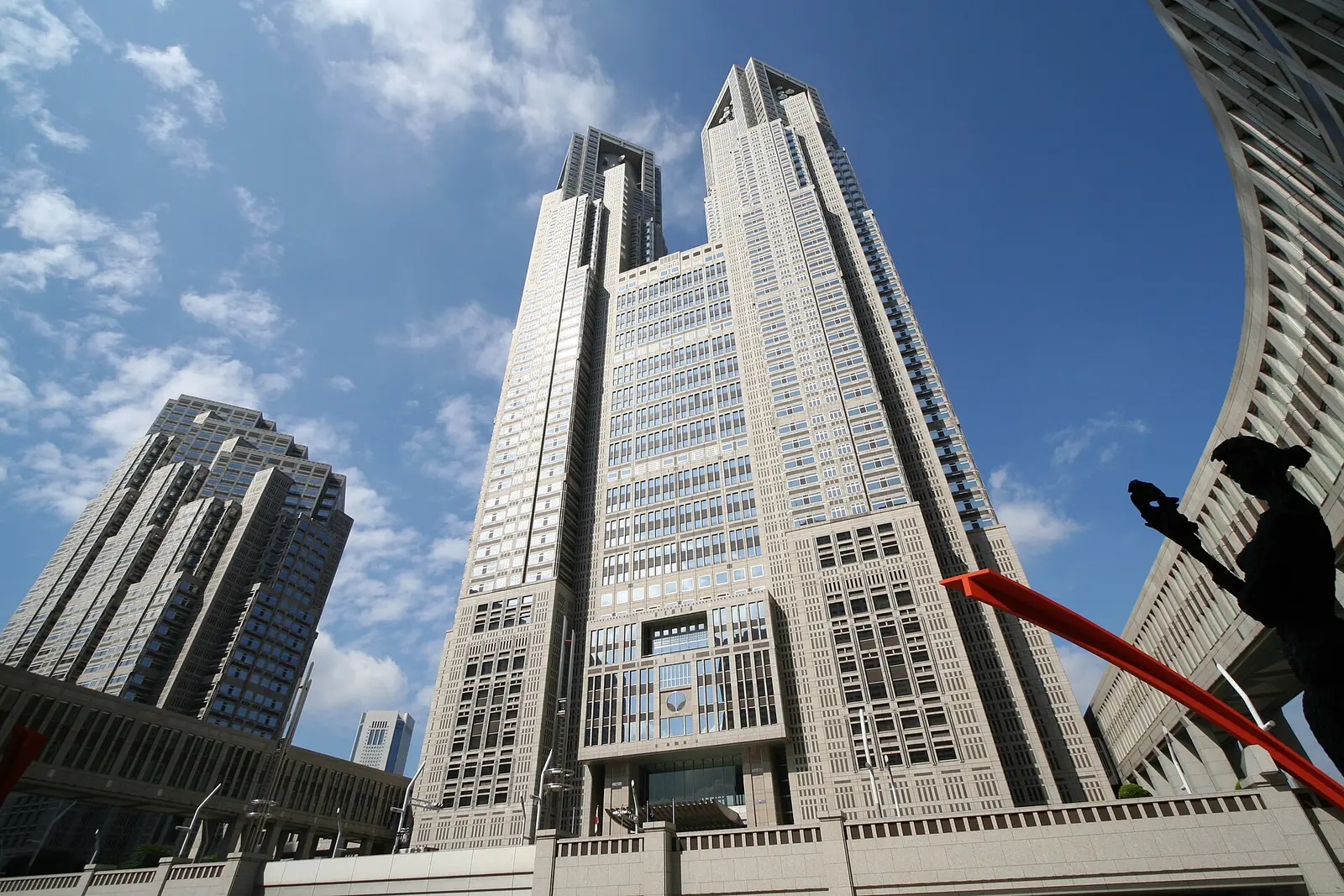 SHINJUKU3 min read
Tokyo Metropolitan Government Building: A Free View From 202 Meters
Two free observation decks on the 45th floor, with city views and sometimes Mt. Fuji. Hours and closing days.
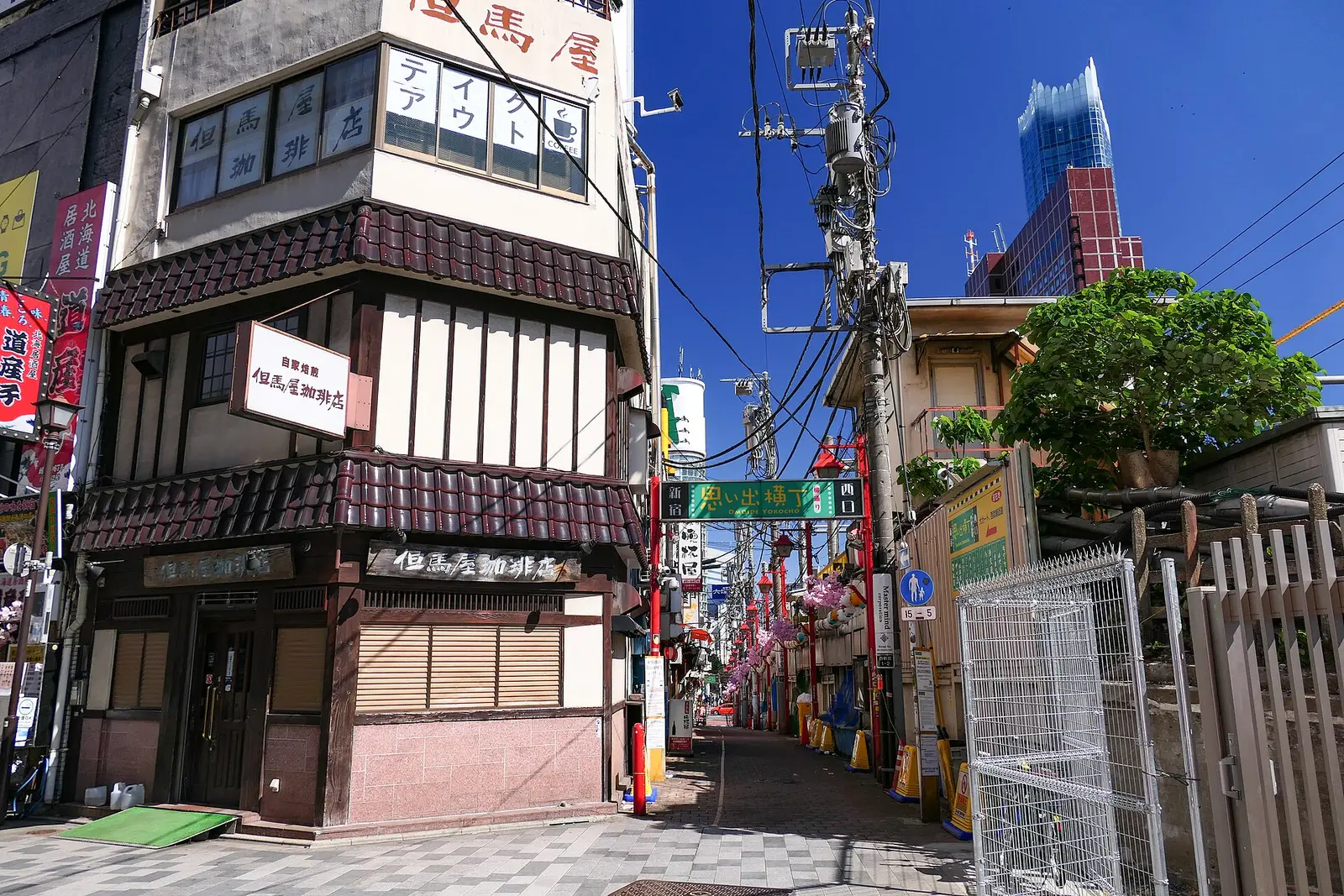 SHINJUKU3 min read
Omoide Yokocho: Shinjuku's Smoky Yakitori Alley
A maze of about 60 tiny grill bars beside the tracks, left over from the years after the war.