Destinations › Tokyo › Shinjuku
Shinjuku Gyoen: Three Gardens in One Park
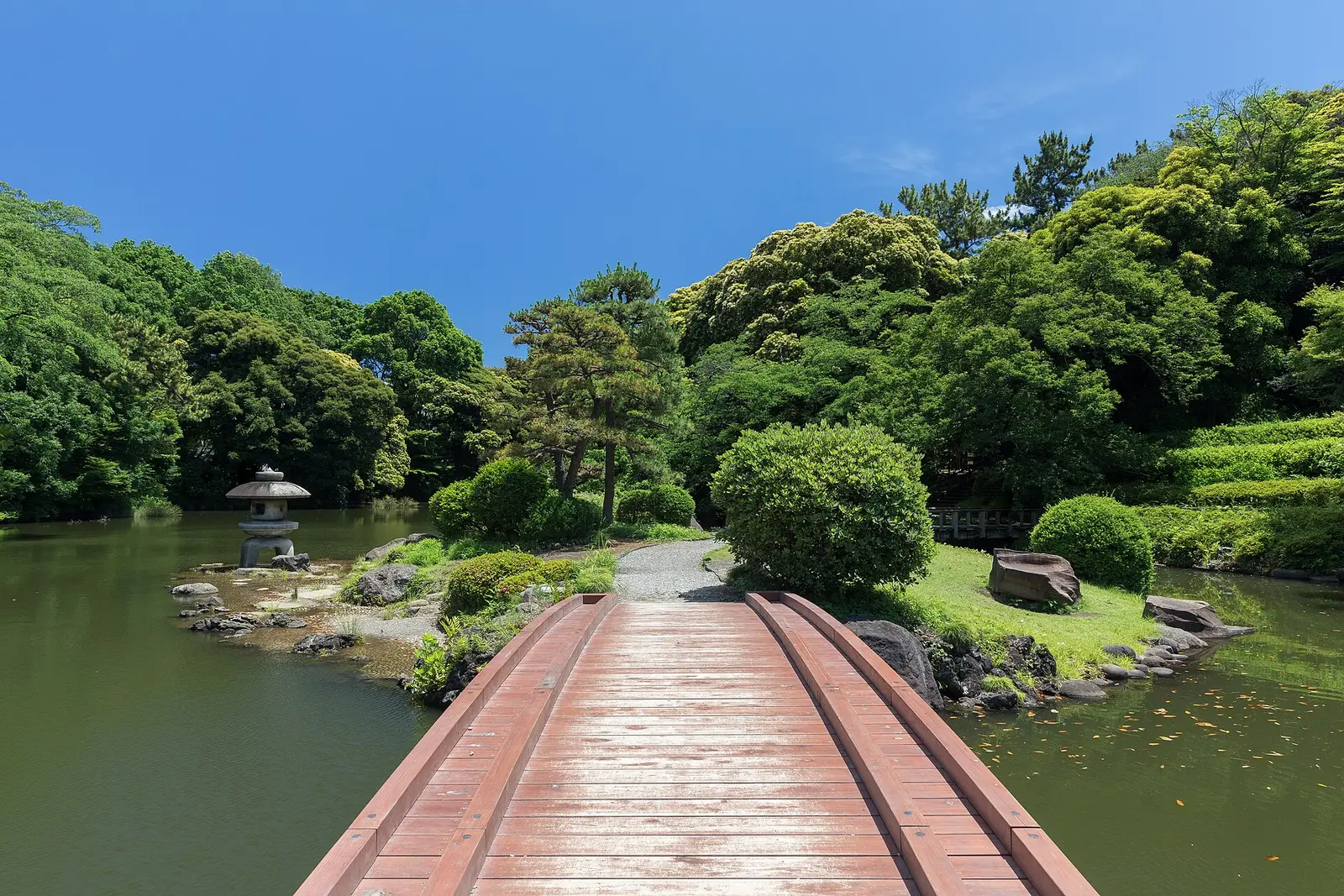
Walk ten minutes from the busiest station in the world and you can be standing on a wooden bridge over a quiet pond. Shinjuku Gyoen is a large national garden where Tokyo goes to slow down. It also has a few rules that surprise first-time visitors.
One park, three gardens
Shinjuku Gyoen covers 58.3 hectares and is about 3.5 kilometers around. About 10,000 trees grow inside it. What makes it unusual is that it holds three gardens in three different styles.
The French formal garden is neat and symmetrical, with about 100 kinds of roses in the beds and about 160 plane trees in eight rows. The English landscape garden is a wide, open lawn with tall trees around the edges, and many cherry trees. The Japanese garden is built around ponds, with winding paths and tea houses. Walk from one to the other and you will feel the style change.
From a lord's land to a public park
In 1590, Tokugawa Ieyasu gave this land to a retainer named Naito Kiyonari. The park's address still carries his family name: Naito-machi. The oldest part of the garden, around Tamamo Pond, comes from the garden of that Edo-period estate.
In the Meiji era, the government took over the land, and it later became an imperial garden. The French designer Henri Martinet drew up the Western-style layout, and in 1906 the garden was finished and named Shinjuku Gyoen. Air raids in 1945 destroyed most of it. After the war it was restored, and on May 21, 1949, it opened to the public.
What to see through the year
Cherry blossoms. The park has about 900 cherry trees of around 70 varieties, so the blossoms last for weeks. Early types flower from January to early March near the tea house. About 300 of the common someiyoshino trees bloom from late March to early April. Double-flowered types follow in April. In peak season the park may ask for advance reservations, mostly on weekends and holidays, and it stays open on Mondays from March 25 to April 24.
Autumn. The plane trees in the French garden turn golden. From November 1 to 15, the Japanese garden holds a chrysanthemum exhibition, with the flowers trained into traditional shapes. The park is open on Mondays during those days too.
The greenhouse. A glass greenhouse of about 2,750 square meters was rebuilt in 2012. It holds more than 1,000 kinds of plants, including cacao and cinnamon, and tropical water lilies that bloom from July to October.
Rules to know before you go
This is a national garden, and the rules are stricter than in most parks. Bringing alcohol is not allowed. Smoking is banned everywhere in the park, including e-cigarettes. Ball games, drones, tents, parasols, bicycles and loud music are also banned, and so are pets, except assistance dogs. Staying for a long time in one spot on the benches or lawns is not allowed either. Staff may ask you to stop if you break a rule.
Tickets and getting in
You can pay at the gate with a transport IC card, or buy a web ticket in advance and scan its QR code at the gate. Coin lockers are at all three gates. The last entry is 30 minutes before closing.
The Shinjuku Gate is about 10 minutes on foot from the South Exit of Shinjuku Station, and about 5 minutes from Exit 1 of Shinjuku-Gyoemmae Station on the Marunouchi Line. The Okido Gate is next to Exit 2 of the same station, and the Sendagaya Gate is about 5 minutes from Sendagaya Station on the JR Sobu Line.
Nearby
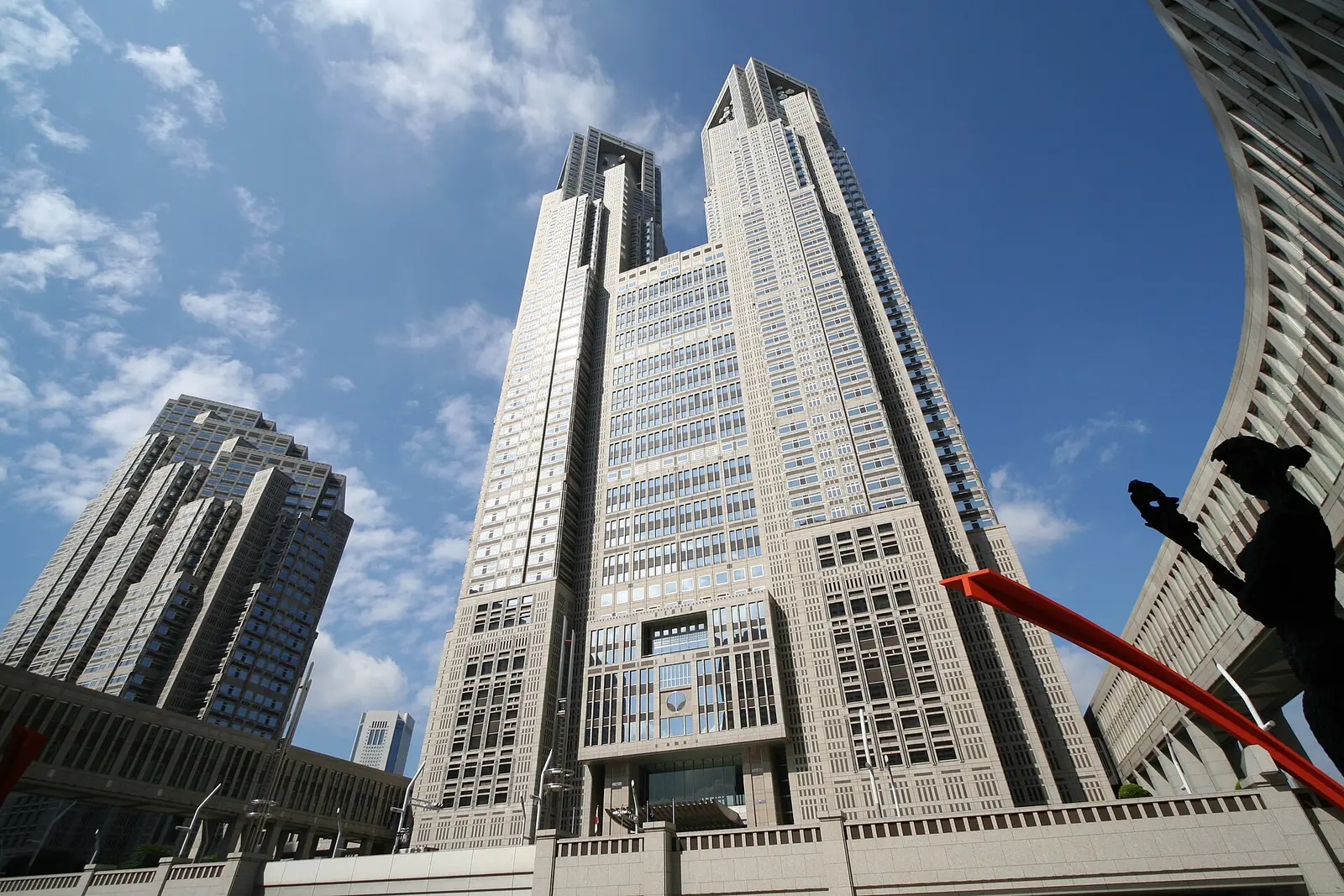
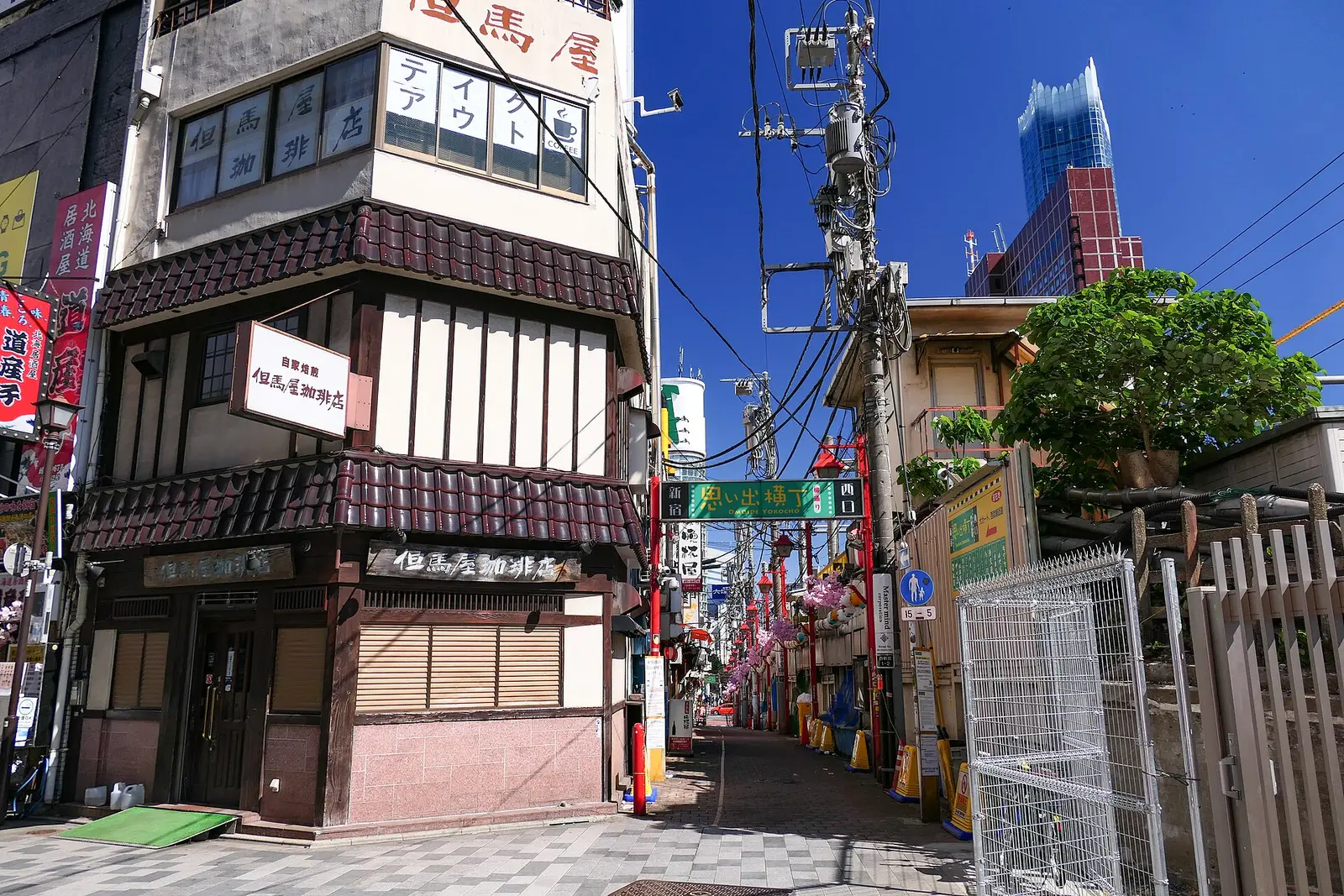
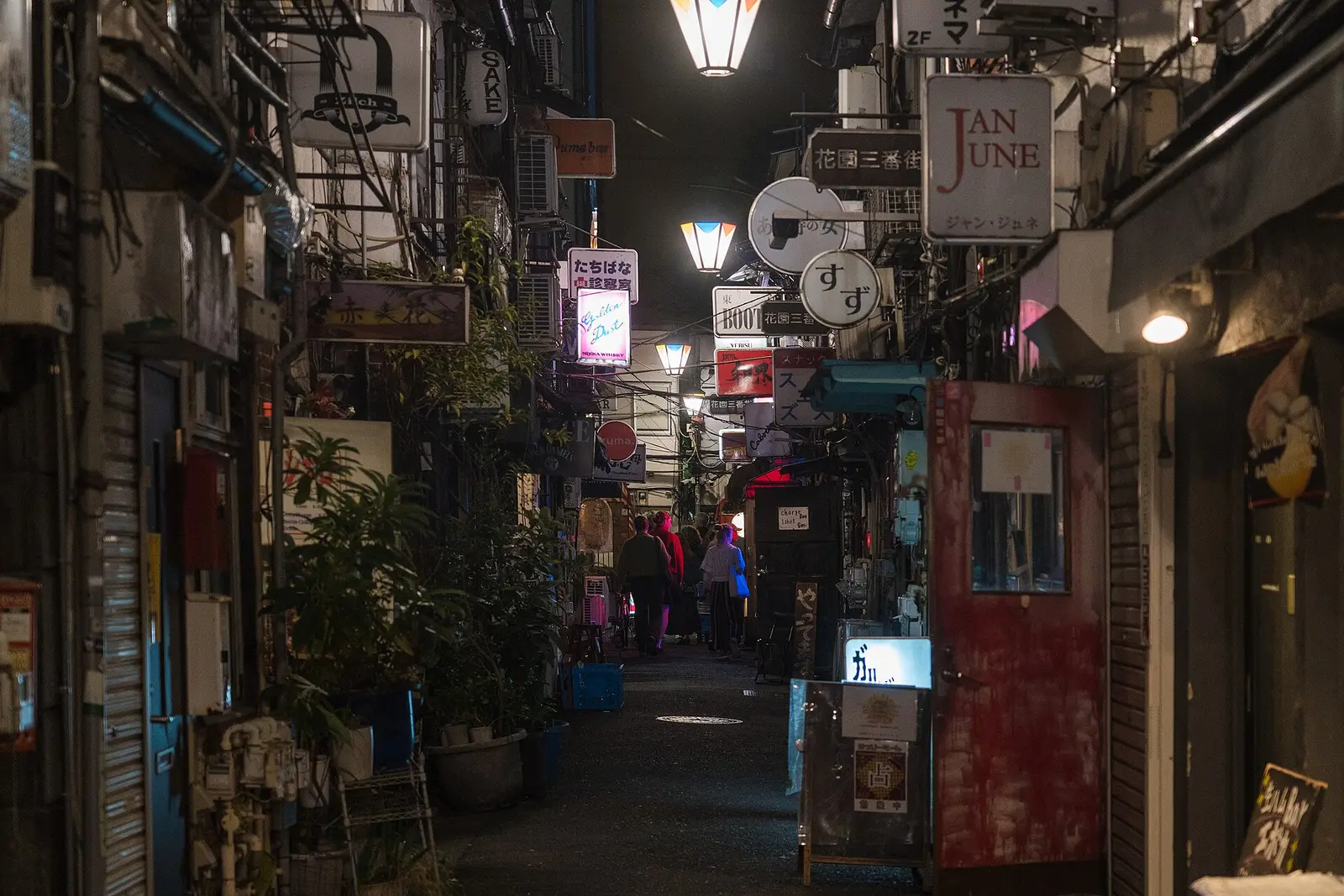
From the park, you can go back toward Shinjuku Station and see the whole city from the free observation decks of the Tokyo Metropolitan Government Building. In the evening, the narrow lanes of Omoide Yokocho and Golden Gai are the best places for a drink, and Kabukicho's neon is a short walk away.
More on Shinjuku
 SHINJUKU3 min read
Tokyo Metropolitan Government Building: A Free View From 202 Meters
Two free observation decks on the 45th floor, with city views and sometimes Mt. Fuji. Hours and closing days.
 SHINJUKU3 min read
Omoide Yokocho: Shinjuku's Smoky Yakitori Alley
A maze of about 60 tiny grill bars beside the tracks, left over from the years after the war.
 SHINJUKU3 min read
Golden Gai: Shinjuku's Maze of Tiny Bars
About 290 tiny bars, each with a few seats, packed into narrow lanes in Kabukicho. How to pick one and what to expect.