Destinations › Tokyo › Shinjuku
Omoide Yokocho: Shinjuku's Smoky Yakitori Alley
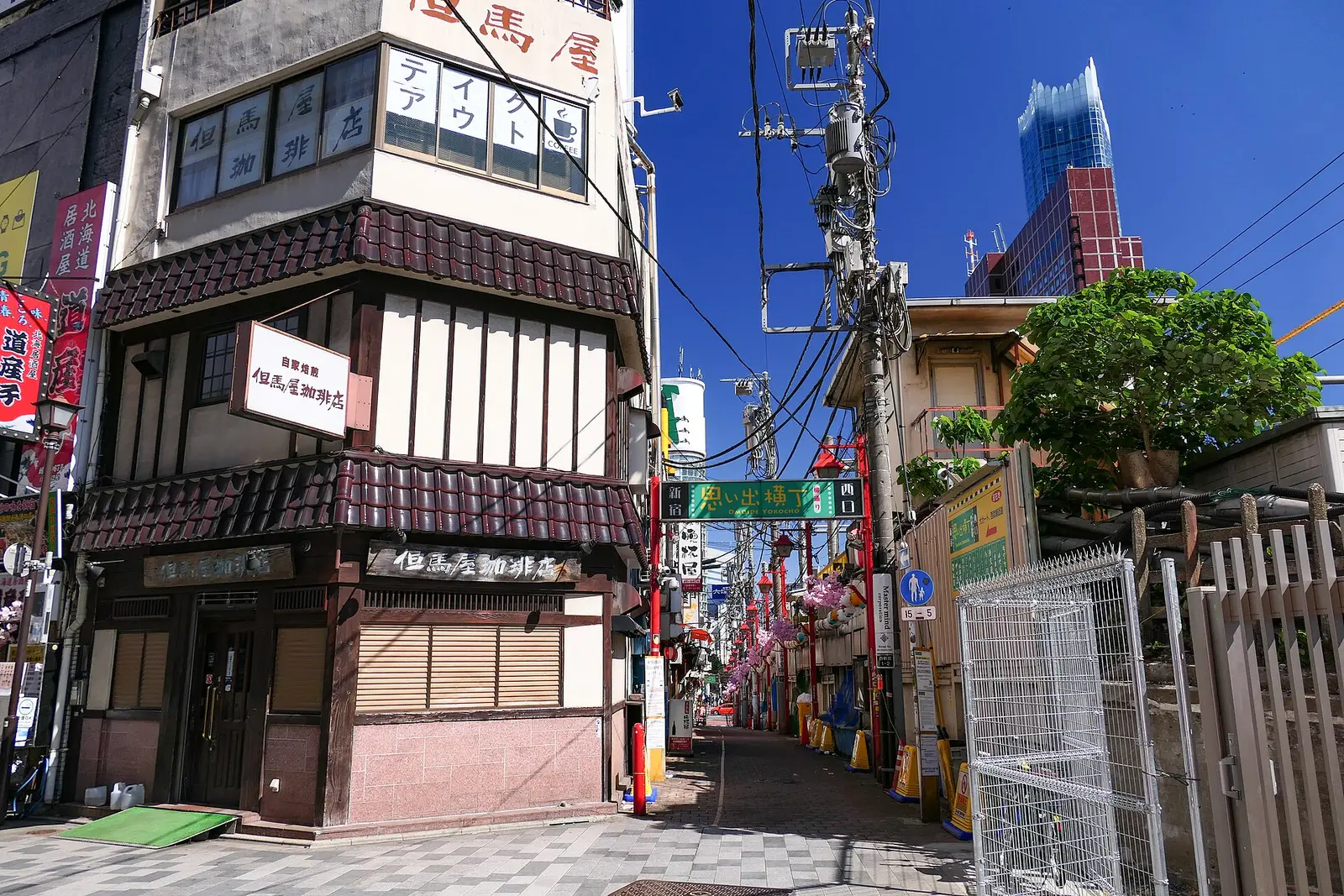
Step out of Shinjuku Station's west exit, and a few meters from the glass towers, you will smell smoke. Narrow lanes run along the railway tracks, lined with counters, red lanterns and the sound of chicken on a grill. This is Omoide Yokocho, and it has been serving food and drink since the years just after the war.
What the name means
Omoide Yokocho means "Memory Lane" in Japanese. Yokocho is a back lane, and it is the usual word for these old drinking alleys. The place is run by a local shopping association, and it describes itself as an area of about 80 shops, including some 60 bars and restaurants, on roughly 2,000 square meters.
Most of the places here are yakitori shops, which grill chicken skewers, and motsuyaki shops, which grill offal. Many have a single counter and only a handful of seats. You can also find ramen, soba and sushi. Every year on November 24, the alley celebrates its own day, Omoide Yokocho Day.
From black market to tourist favorite
After the war, the land near the west exit was burned and empty. Street vendors set up stalls here and sold clothes, soap and everyday goods. Around 1946, 30 to 40 food stalls stood here, and a fire destroyed them. The vendors came back with new stalls, and a black market called "Lucky Street" grew up in the years of rationing.
In 1947, flour was tightly controlled, but offal from the occupying forces was not. Many stalls began grilling it, and that is why yakitori and motsuyaki still dominate the alley. In 1959, plans for the subway and a new station building led to the removal of about 300 shops from the area. The ones that stayed, between the Palette Building and Aoume Kaido, are the alley you see today.
You can still see the old layout. The early stalls were divided by single wooden boards, and many shops still share walls with their neighbors.
How to eat here
Walk through the lanes first and look at the menus and the faces at the counters. Many places are tiny, so groups of two or three fit best. If a shop is full, try the next one.
Some shops charge a seat fee, which sometimes comes with a small dish you did not order. Some ask for at least one dish and one drink per person, and a few limit your stay to 90 minutes. One popular eel-skewer shop serves a fixed set of skewers and limits each guest to three drinks. Ask or check the sign before you sit down.
Bring cash. When the alley's own site looked at it in 2021, about 60 percent of the shops took cash only. More shops may take cards now, but do not count on it.
Rules and manners
Smoking is banned in the alley, except inside shops that allow it. Fire is a serious worry here. A fire in 1999 burned about a third of the area.
Most shops on the main lane have no toilet of their own. There is a shared toilet, so plan ahead, and go before the evening rush.
Photos are part of the fun, but the association requires prior approval for any filming in the alley, and its rules for film crews ban tripods and flash. Take quick photos without blocking the lane, and ask before you photograph people. You may see a rude nickname for the alley on some websites. The association asks people not to use it, so this guide does not.
Getting there
The alley is at the west exit of Shinjuku Station. It is also close to Shinjuku-Nishiguchi Station on the Toei Oedo Line, Seibu-Shinjuku Station and the Marunouchi Line.
Nearby
For a bigger view of the city, the Tokyo Metropolitan Government Building is a short walk west. On the east side of the station, Golden Gai and Kabukicho are the other places to go for a night out. Shinjuku Gyoen is a short walk from the south side.
More on Shinjuku
 SHINJUKU3 min read
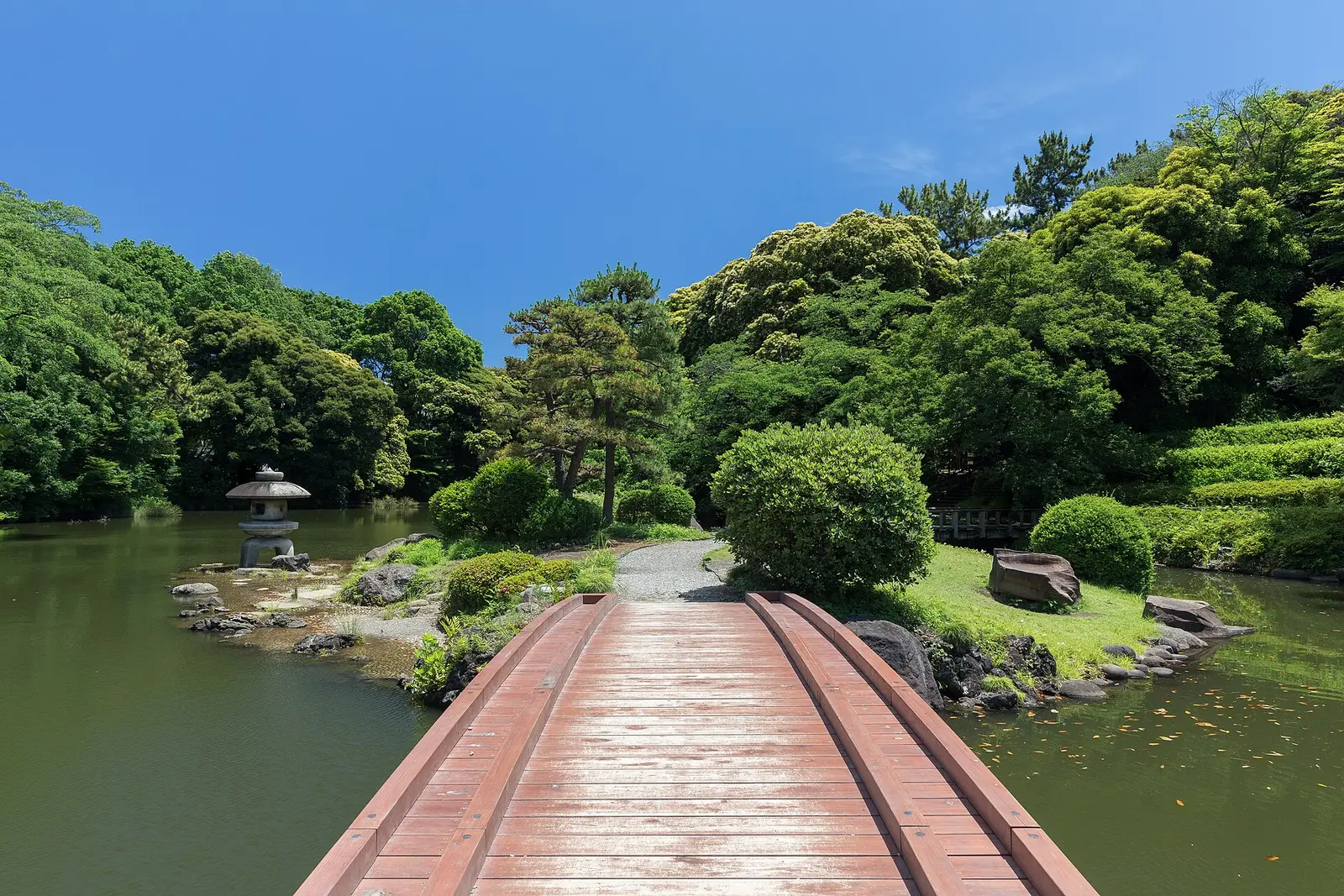
Shinjuku Gyoen: Three Gardens in One Park
A huge garden with three styles in one, a few minutes from Shinjuku's towers. Hours, prices and the rules.
 SHINJUKU3 min read
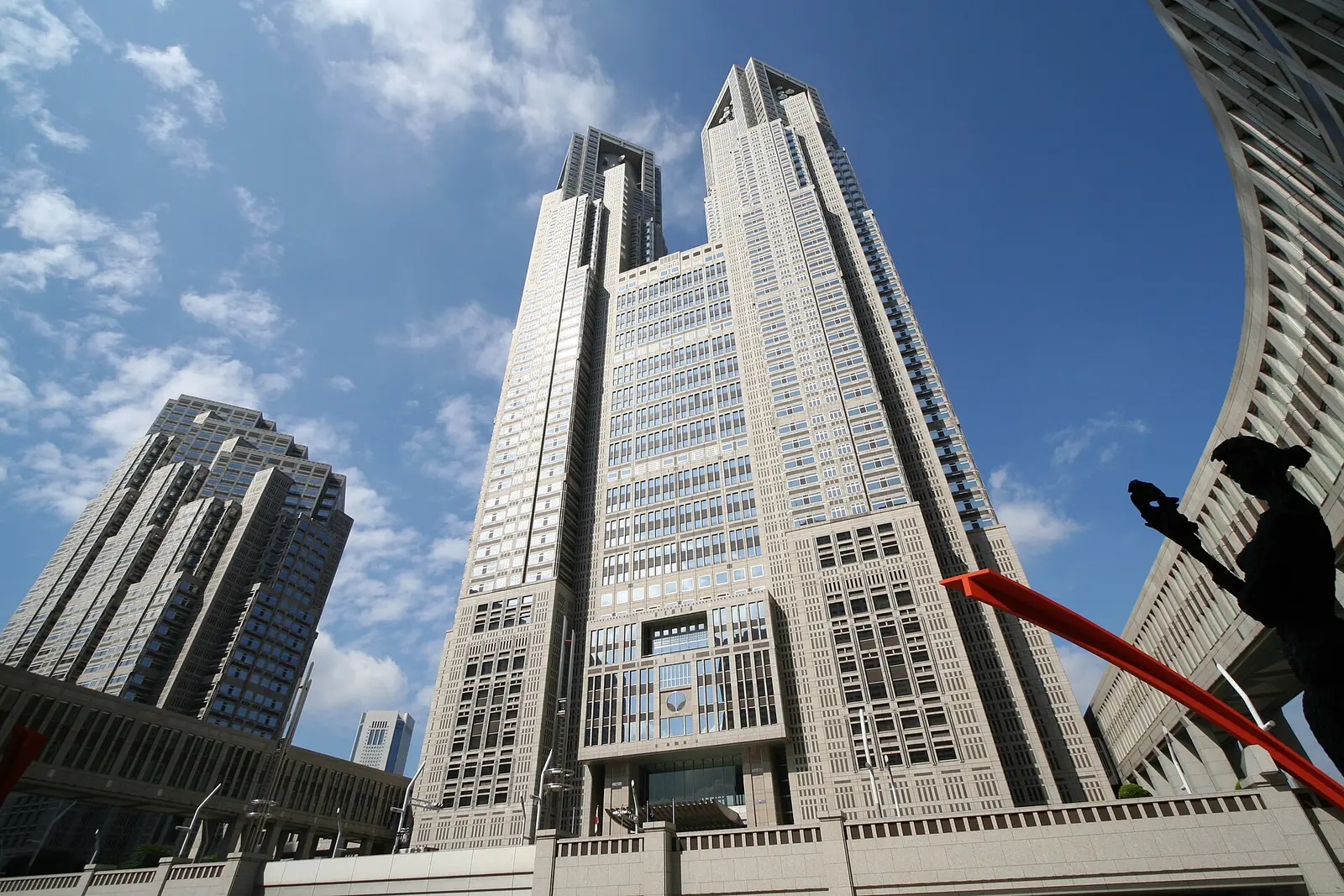
Tokyo Metropolitan Government Building: A Free View From 202 Meters
Two free observation decks on the 45th floor, with city views and sometimes Mt. Fuji. Hours and closing days.
 SHINJUKU3 min read
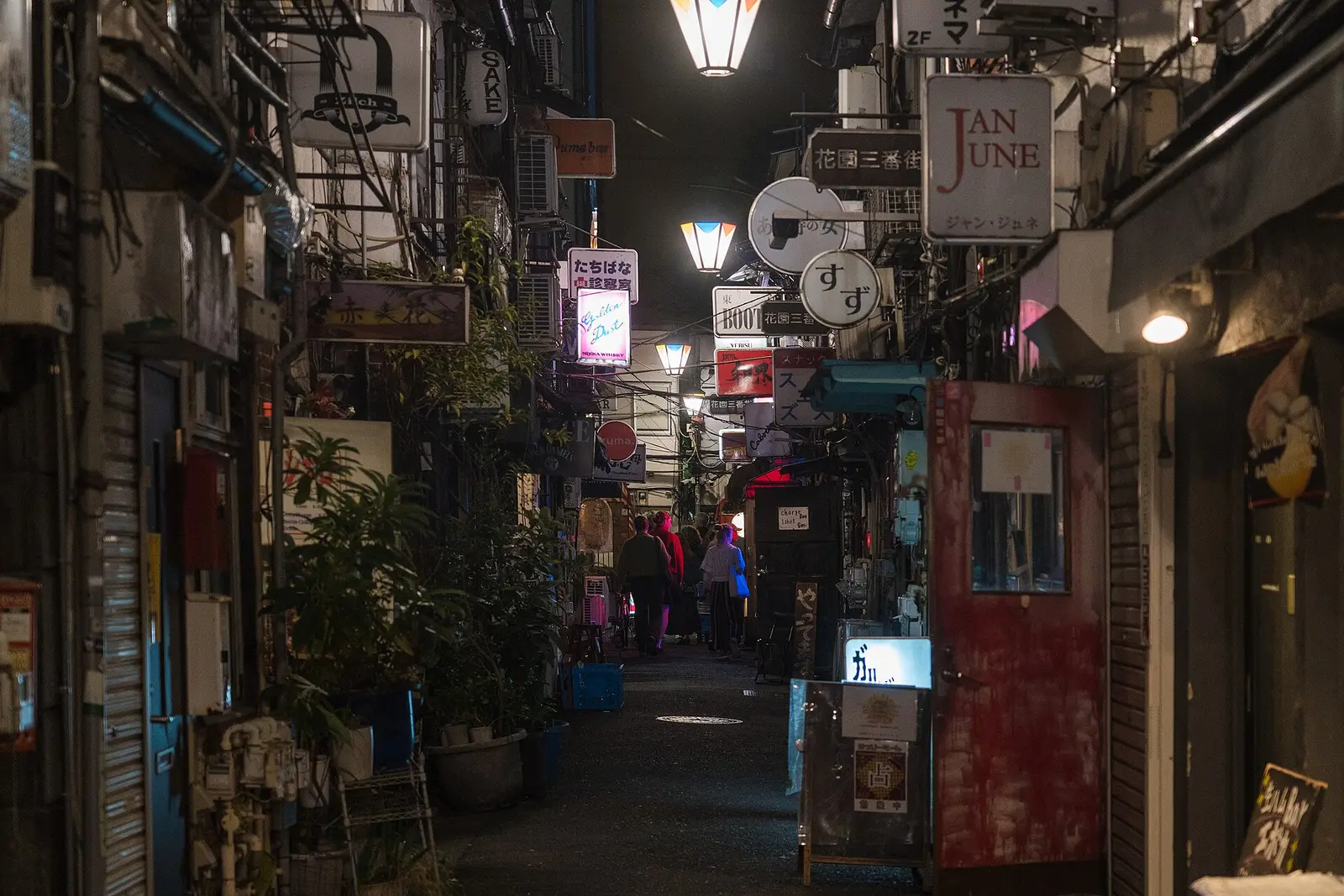
Golden Gai: Shinjuku's Maze of Tiny Bars
About 290 tiny bars, each with a few seats, packed into narrow lanes in Kabukicho. How to pick one and what to expect.