Destinations › Gifu › Takayama & Shirakawa-go
Shirakawa-go: Thatched Farmhouses in the Snow Country
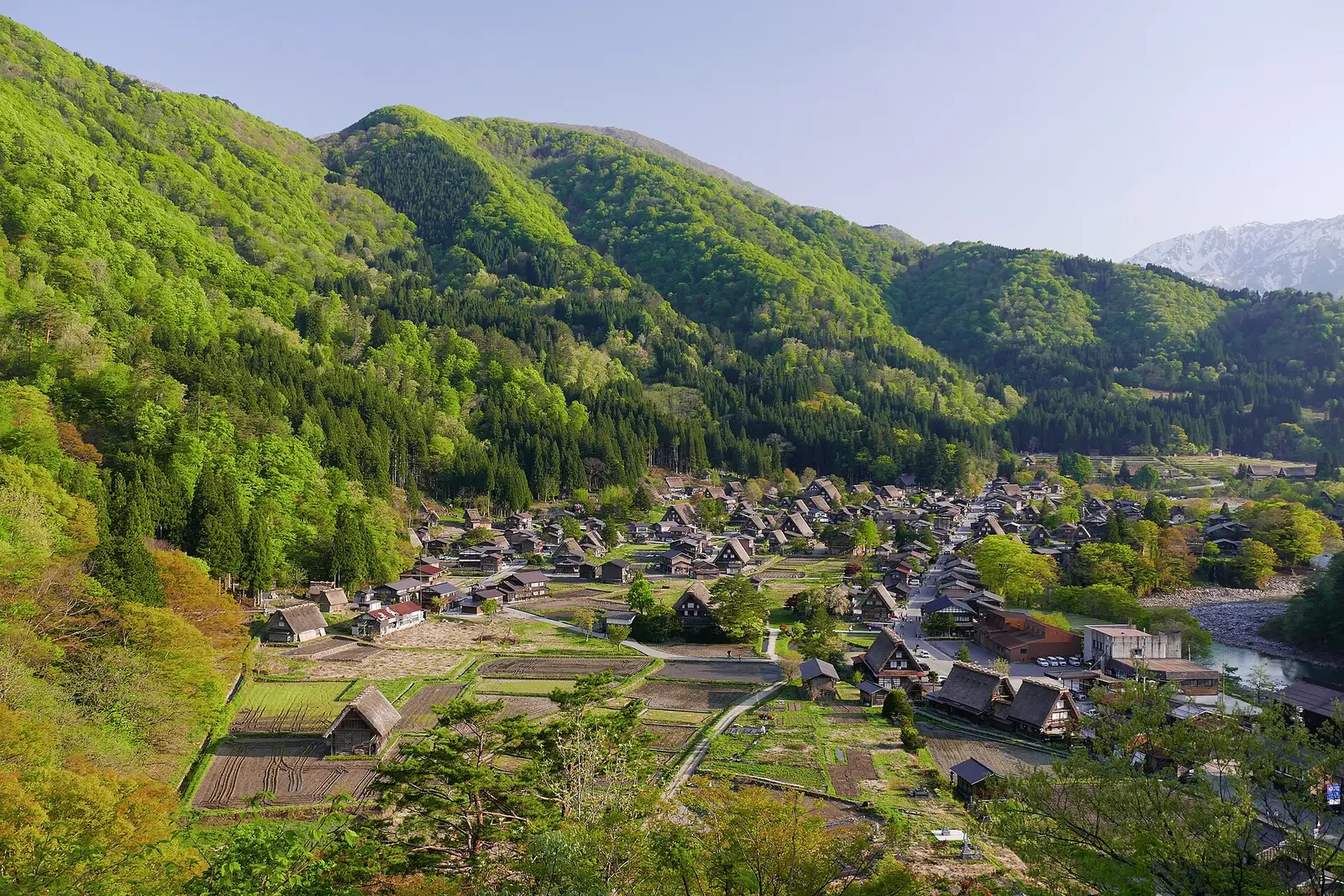
Steep thatched roofs, rice fields and mountains all around. Shirakawa-go looks like a village from a storybook, and people still live in it. Most visitors come on a day trip from Takayama, and the bus ride is under an hour.
A village built for snow
Shirakawa-go lies in a deep valley by the Sho River, in the mountains between Gifu and Toyama prefectures. Winters here bring heavy snow. Over many generations, the people of the valley developed a kind of farmhouse that can handle it, called gassho-zukuri.
The name means "built like hands in prayer." The roofs are thatched, very steep, and built without nails, and they look like two hands pressed together. The shape is made to cope with heavy snow. The wide attics under the roof were used to raise silkworms.
In 1995, UNESCO added the historic villages of Shirakawa-go and Gokayama to its World Heritage list. Ogimachi is the largest village in Shirakawa-go and the one most people visit. Shirakawa-go has over 100 gassho-style buildings, large and small, and some are more than 250 years old. People still live in them, so please be quiet and respectful as you walk.
Wada House
If you go inside only one house, make it Wada House. It is the largest gassho-zukuri house in Shirakawa-go. In the Edo period, the Wada family served as the village head, and they made money by trading silk and the ingredients for gunpowder. Both were important to the village's income.
The first and second floors are open to visitors. The history and architecture are explained in Japanese on the first floor and in English on the second. Admission is ¥400 for adults and ¥200 for elementary school children. It is cash only. It is open from 9 am to 5 pm, but the closing days are irregular, so check before you go. It is about a three-minute walk from the bus terminal.
Other houses and museums
Nagase House is the tallest gassho house in the village, with five floors. Kanda House lets you see how the inside is built, including the space under the floor where gunpowder was once made. The Gassho-zukuri Minkaen is an open-air museum with 25 houses, some moved there from other places. Myozenji, a temple with a thatched roof, is also in the village. Each of these has its own fee and its own days off, so do not plan on all of them in one visit.
The viewpoint
For the postcard view of the whole village, go up to the Shiroyama viewpoint. It is free and takes about 15 to 20 minutes to walk from the center. A shuttle bus also runs to it from near Wada House. The path can be closed during and after heavy snow. The view is best on a clear day, and in winter the snow-covered roofs look especially good.
Getting there
From Takayama, the Nohi Bus takes about 50 minutes. The fare is ¥2,800 one way until November 30, 2026, then ¥2,900 from December 1. There are 16 round trips a day, and some of them need a reservation, which is marked on the timetable. In winter, traffic and snow can cause delays of two hours or more, so do not book a tight connection for the same evening.
Buses also run from Kanazawa (about 1 hour 20 minutes) and from Nagoya (about 2 hours 30 minutes). All buses stop at the Shirakawago Bus Terminal, one minute from the village.
If you drive, use Seseragi Park parking. A car costs ¥2,000, and you walk across a suspension bridge to the village in about two minutes.
The winter light-up
On a few evenings in January, the farmhouses are lit up against the snow. In 2027 the dates are January 11, 17, 24 and 31. On these days, every vehicle needs a parking reservation, so book early. If you are going by bus, check the tourist association's site for the latest information.
Nearby
Shirakawa-go is a trip of its own, about 50 minutes from the other sights in this guide. If you want to see gassho houses without the bus ride, Hida Folk Village in Takayama has several that were moved from Shirakawa-go. Back in Takayama, Sanmachi Suji is a good place to end the day with dinner.
More on Takayama & Shirakawa-go
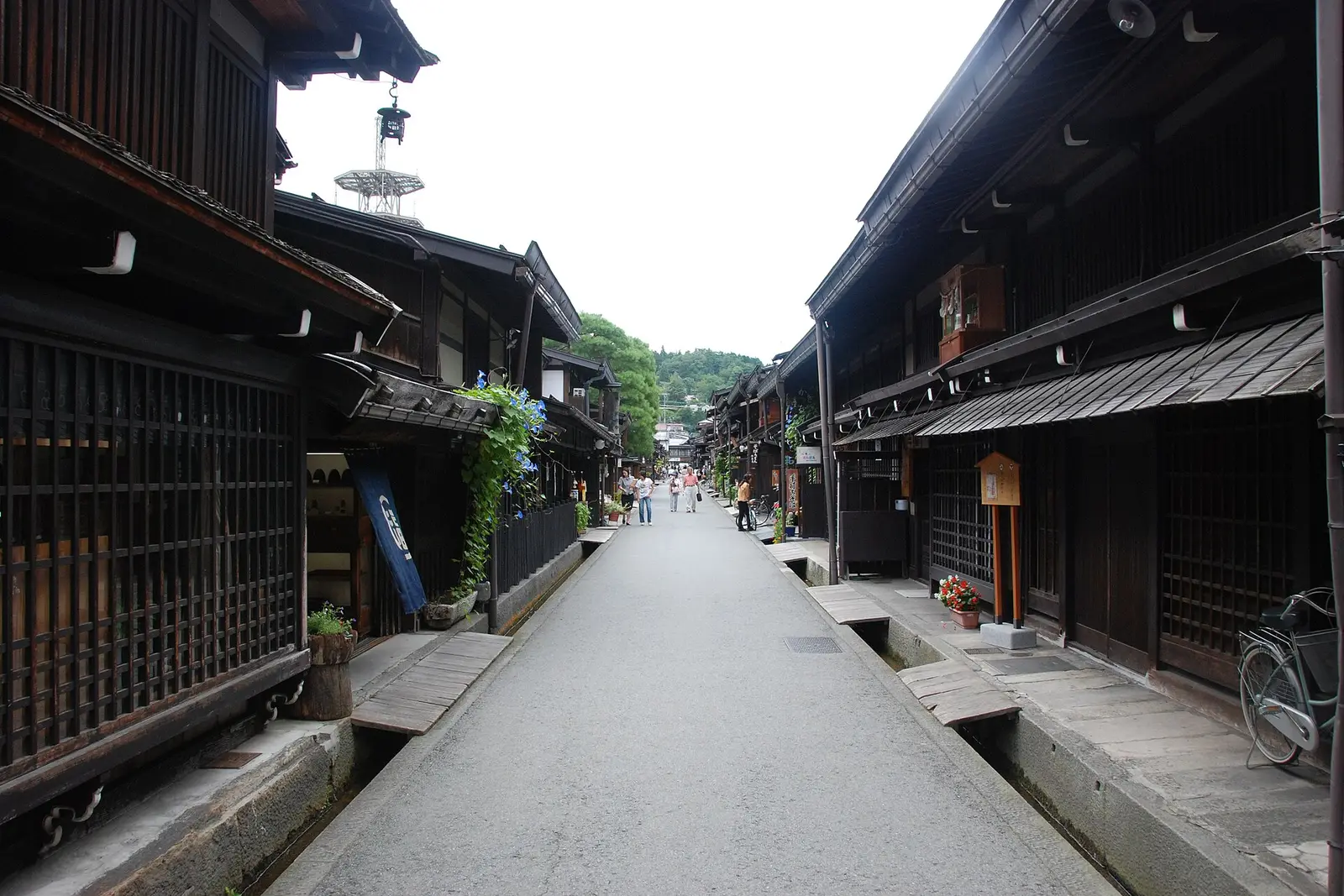 TAKAYAMA & SHIRAKAWA-GO3 min read
Sanmachi Suji: Takayama's Old Merchant Streets
Three narrow streets of dark wooden merchant houses, sake breweries and small shops in the heart of Takayama.
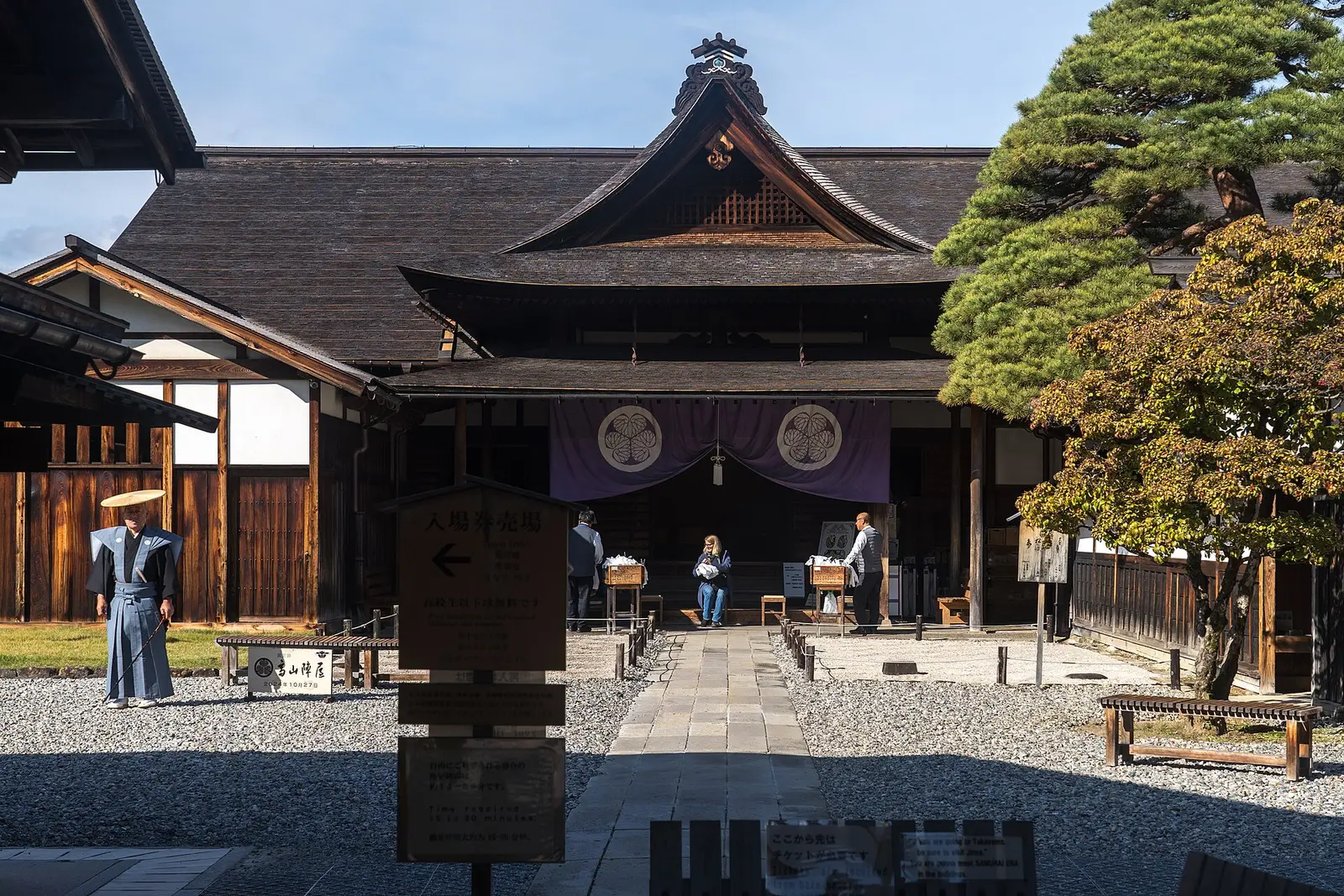 TAKAYAMA & SHIRAKAWA-GO3 min read
Takayama Jinya: The Last Samurai-Era Government Office
The old government house where officials from Edo ruled the mountains, now a museum you can walk through.
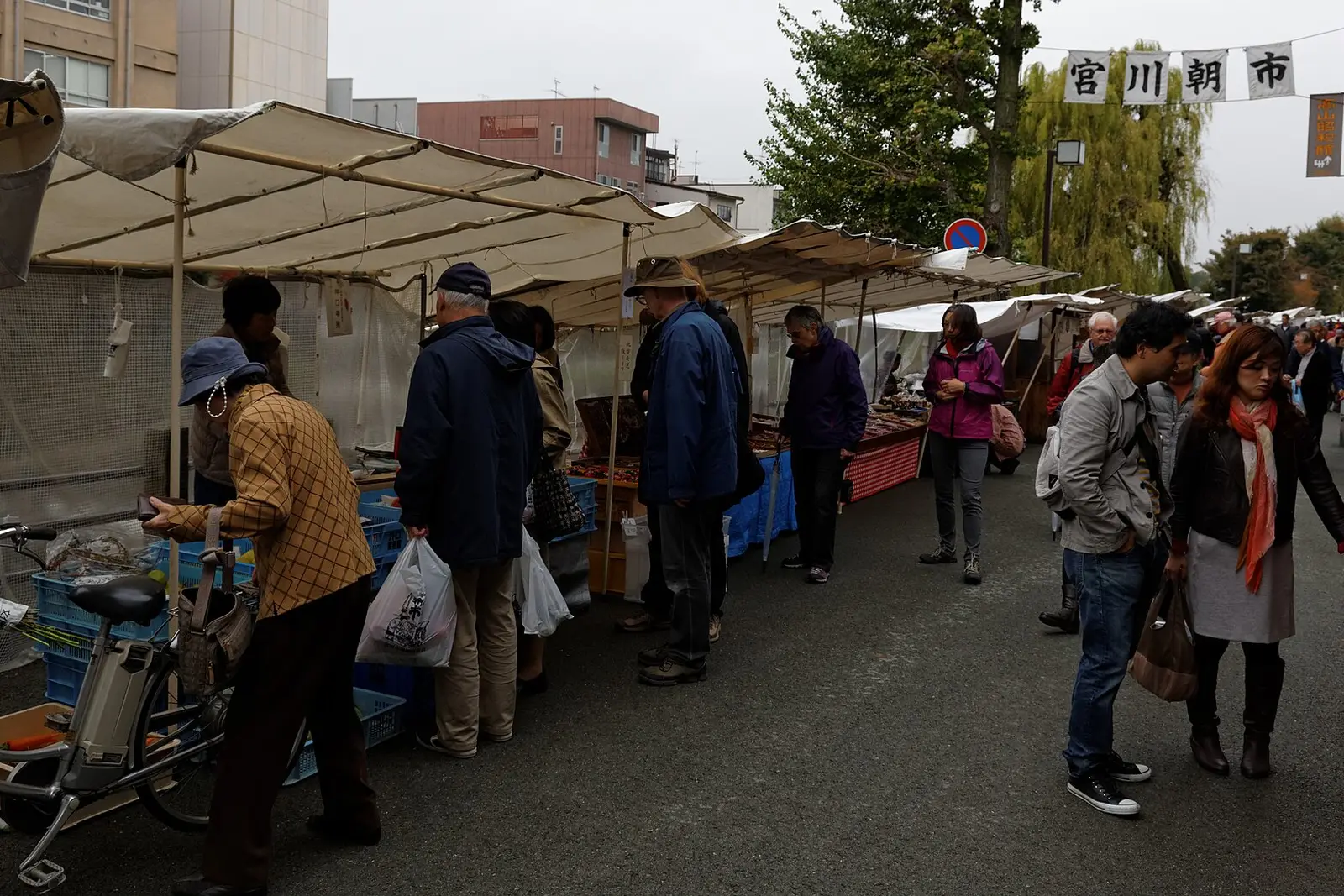 TAKAYAMA & SHIRAKAWA-GO3 min read
Takayama Morning Markets: Two Stalls Streets by the River
Two daily markets in the old town where local farmers and craft sellers set up before breakfast.